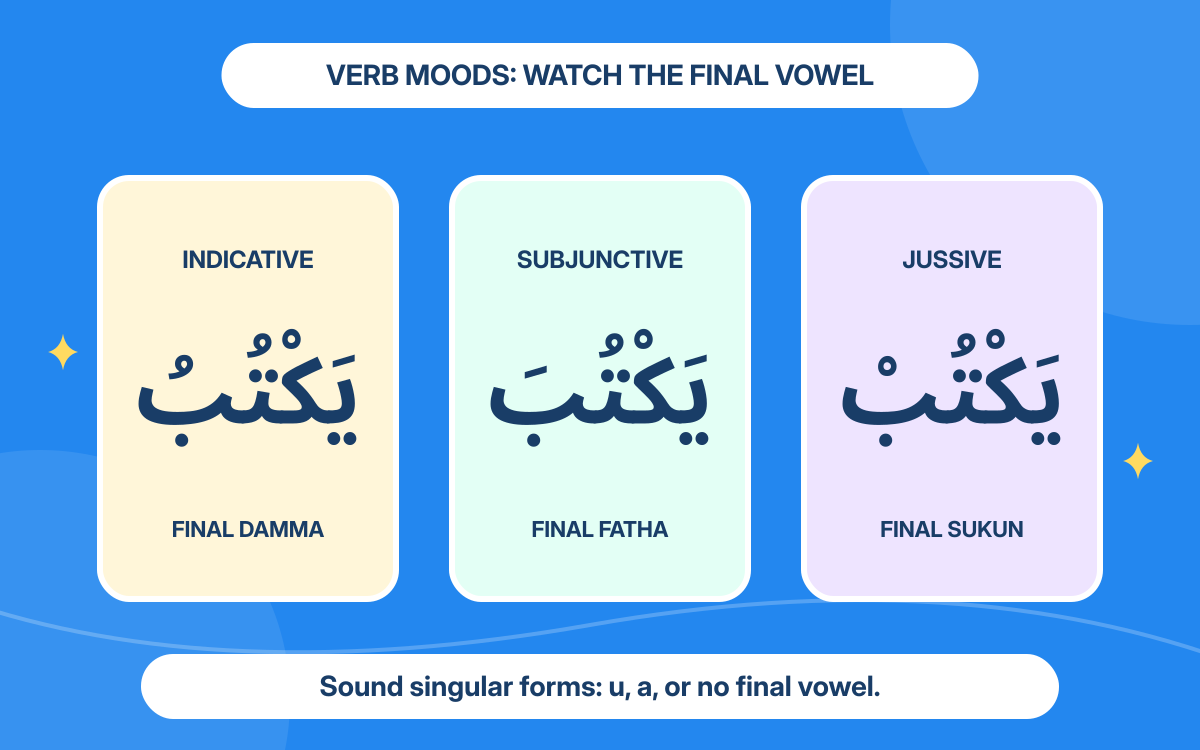
The same Arabic imperfect verb can have different grammatical endings. For a regular sound-final form such as yaktubu, focus on the last consonant: u, a or no vowel. These are mood changes; they do not turn the verb into a past form.
01Start with the indicative
The imperfect, الْمُضَارِعُ, is often called the present verb. In an ordinary affirmative statement, yaktubu is indicative, مَرْفُوعٌ. Its final b carries dammah: u.
هُوَ يَكْتُبُ
huwa yaktubu
He writes.
Mood describes the verb’s grammatical form in its construction. It is different from tense. The same imperfect can describe a habit or an action happening now.
02Recognise the subjunctive a
The corresponding subjunctive form, مَنْصُوبٌ, ends with fathah on b. A suitable surrounding construction is needed to use it; this card shows a verb form, not a complete statement.
يَكْتُبَ
yaktuba
He writes — subjunctive verb form.
The prefix and writing stem stay the same. Only the final vowel changes from u to a. Learn to recognise this ending first; the constructions that require it deserve their own guides.
03Recognise the jussive sukun
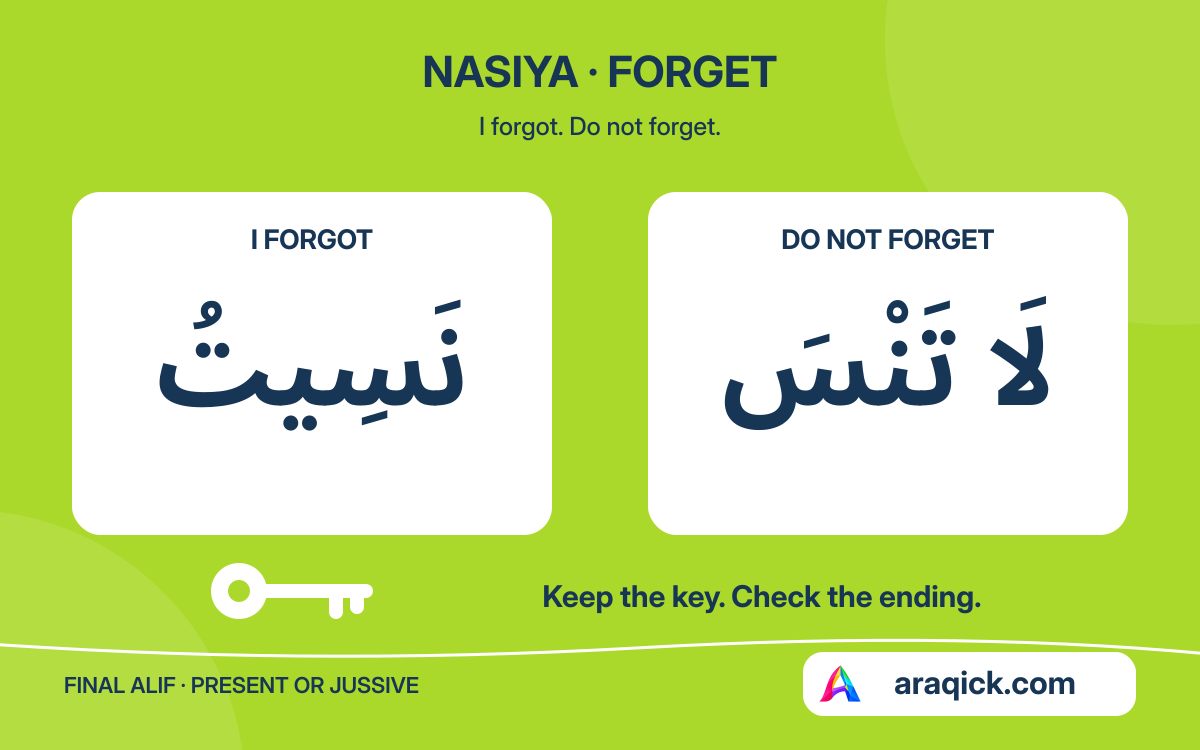
The jussive form, مَجْزُومٌ, has sukun on the final b: yaktub. Prohibitive la means “do not” and requires this mood.
لَا تَكْتُبْ
la taktub
Do not write. — to one male
Compare taktubu, you write, with taktub after this prohibitive la. Keep the t prefix; remove the final short vowel. The sukun inside the stem is a different mark: check the last consonant.
04Separate verb moods from noun cases
For verbs, the English labels are indicative, subjunctive and jussive. For nouns, use nominative, accusative and genitive. Arabic uses marfu and mansub in both systems, but a verb does not become a genitive noun.
تَكْتُبُ / تَكْتُبَ / تَكْتُبْ
taktubu / taktuba / taktub
You write — indicative, subjunctive and jussive forms for one male.
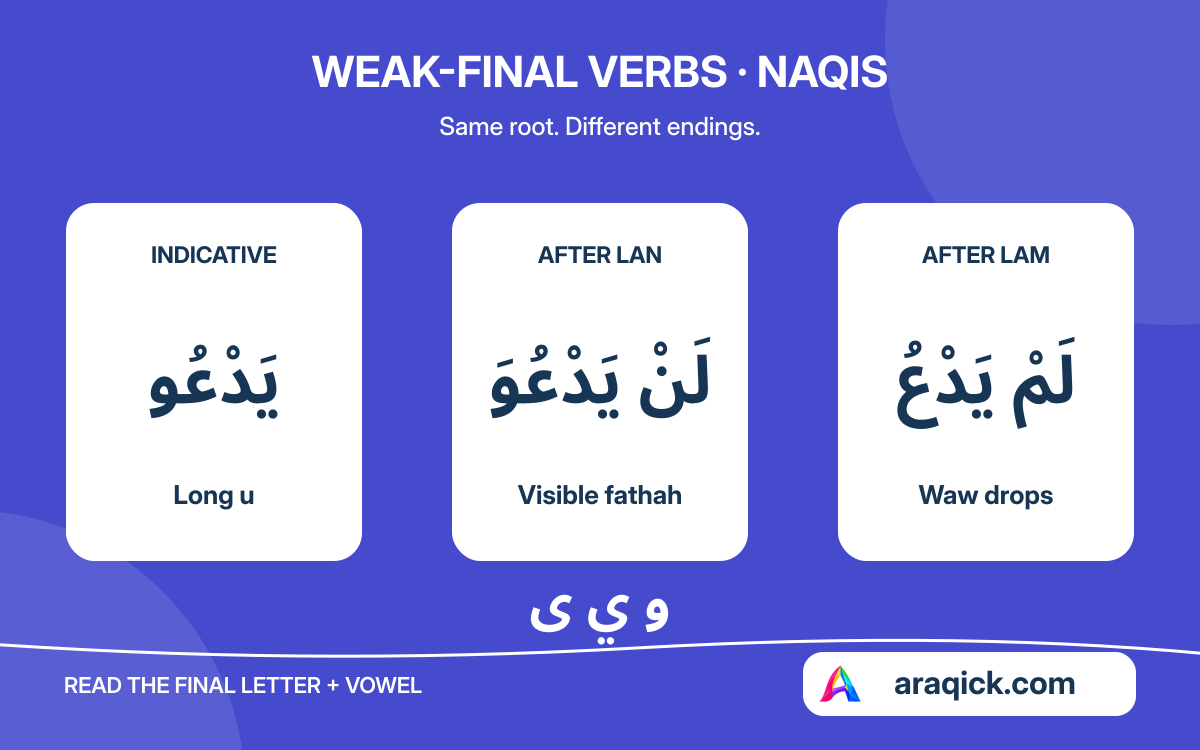
This u/a/sukun pattern applies to the regular forms illustrated here. Plural and dual forms use different signs, and weak-final verbs need separate rules.
05Read the ending with its context
Do not select a mood just to change the English time. Read what the surrounding construction requires. Here la gives a prohibition, and huna means here.
لَا تَكْتُبْ هُنَا
la taktub huna
Do not write here. — to one male
The jussive ending fits the prohibition. This guide recognises the three forms; the prohibition guide explains more people and more examples.
What to remember
- Yaktubu is indicative, yaktuba is subjunctive and yaktub is jussive in the regular sound-final forms illustrated.
- Verb moods describe grammatical forms; they are different from tense and noun case.
- Prohibitive la requires the jussive: la taktub means do not write to one male.
Your reference shelf
Open a guide whenever you need it.
Compare the three regular endingsForm recognition before learning each governing construction
| Mood | Form | Final mark | Reading |
|---|---|---|---|
| Indicative — marfu | يَكْتُبُ | Dammah: u | yaktubu |
| Subjunctive — mansub | يَكْتُبَ | Fathah: a | yaktuba |
| Jussive — majzum | يَكْتُبْ | Sukun: no short vowel | yaktub |
The subjunctive and jussive entries are labelled forms, not independent affirmative statements. A construction determines which one is used. The worked context here is prohibitive la plus a second-person verb. These markers do not cover the five verbs, weak-final verbs or fixed forms with the female plural subject nun.
Simple Latin reading aids omit hyphens and do not mark every Arabic sound or vowel length. Here the final u/a contrast is retained because it is the learning target. Check the vowelled Arabic alongside the reading.
Sources & further learning
References for the language explanations and learning guidance.