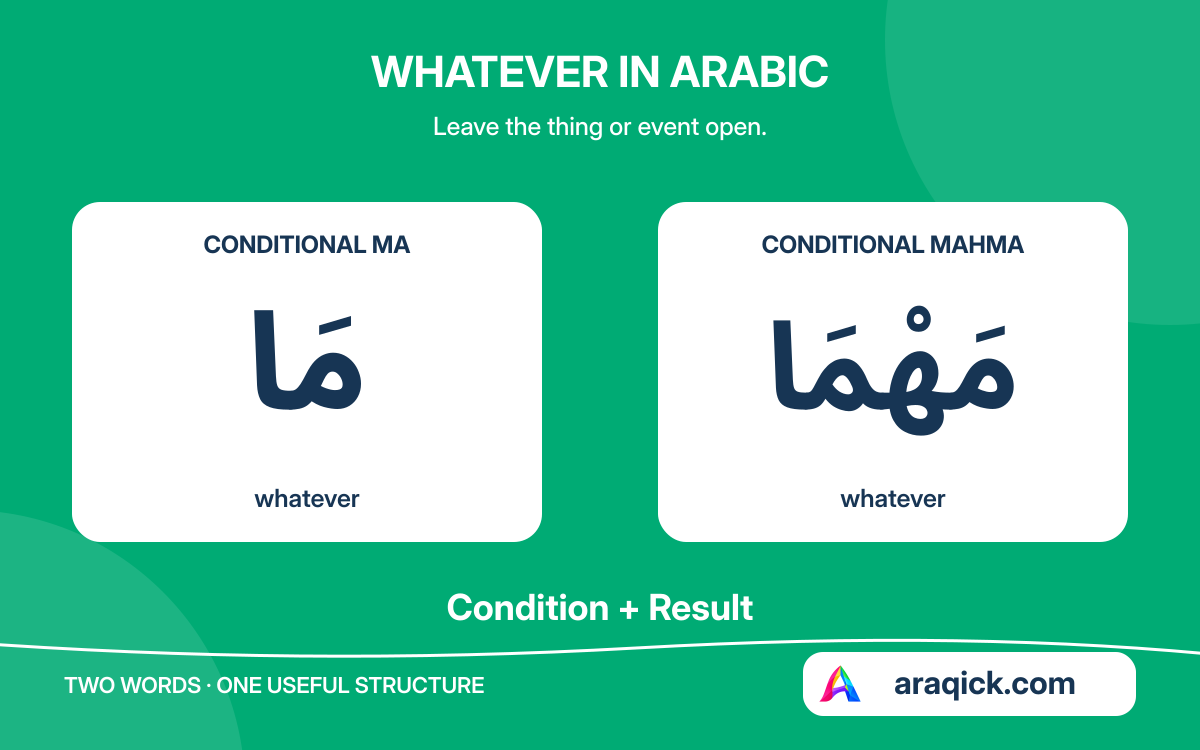
To leave a thing or action unspecified in a condition, Arabic can use ma or mahma. Both can be translated whatever. The useful clue is the whole structure: an open condition followed by its result. This also helps you separate conditional ma from its other common meanings.
01Let ma mean whatever
مَا تَكْتُبْ أَقْرَأْهُ
ma taktub aqrahu
Whatever you write, I will read it.
Ma stands for the unspecified thing written. Taktub gives the condition, and aqrahu gives the result. The suffix hu points back to that thing. The statement applies whether you write a note, a message or another text; no particular text has been named.
02Notice the endings of both verbs
Conditional ma belongs to the jussive group. In this simple structure, taktubu becomes taktub and aqrauhu becomes aqrahu: تَكْتُبُ ← تَكْتُبْ; أَقْرَأُهُ ← أَقْرَأْهُ. The attached hu is an object pronoun, not the verb’s mood ending.
A suffix can hide the position you need to inspect. In aqrahu, look at the hamza before hu. It carries sukun in the jussive. Review verb moods if you are unsure where an ending belongs.
03Use mahma for an unrestricted condition
مَهْمَا تَطْلُبْ أَبْحَثْ عَنْهُ
mahma tatlub abhath anhu
Whatever you request, I will look for it.
Mahma makes the unrestricted range easy to hear: whatever the requested thing may be. Both tatlub and abhath are jussive. The result need not repeat the same verb or use the same subject as the condition.
مَهْمَا يَحْدُثْ نُكْمِلْ عَمَلَنَا
mahma yahduth nukmil amalana
Whatever happens, we will complete our work.
04Separate conditional, negative and relative ma
مَا كَتَبْتُ رِسَالَةً
ma katabtu risalatan
I did not write a letter.
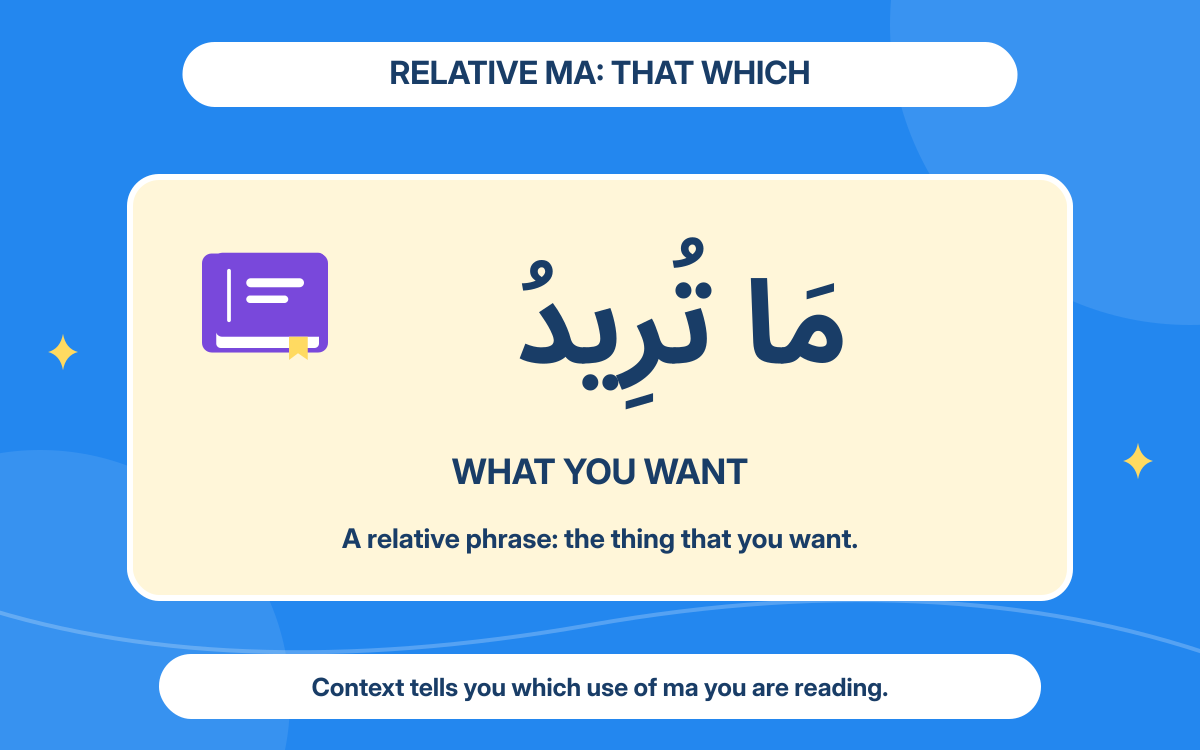
This ma negates a statement. There is no condition and no result. Compare أَقْرَأُ مَا تَكْتُبُ, I read what you write. Here ma introduces the object content of read; it is relative ma, and both present verbs have their ordinary indicative endings.
Use the relative ma guide for that pattern. Meaning and clause structure matter more than spotting ma alone.
05Add fa when the result requires it
مَهْمَا تَكْتُبْ فَسَأَقْرَأُهُ
mahma taktub fasaqrauhu
Whatever you write, I will read it.
The future marker sa introduces this result, so linking fa comes before it. Aqrauhu is indicative inside the sa clause. A conditional word does not force every later verb into the jussive.
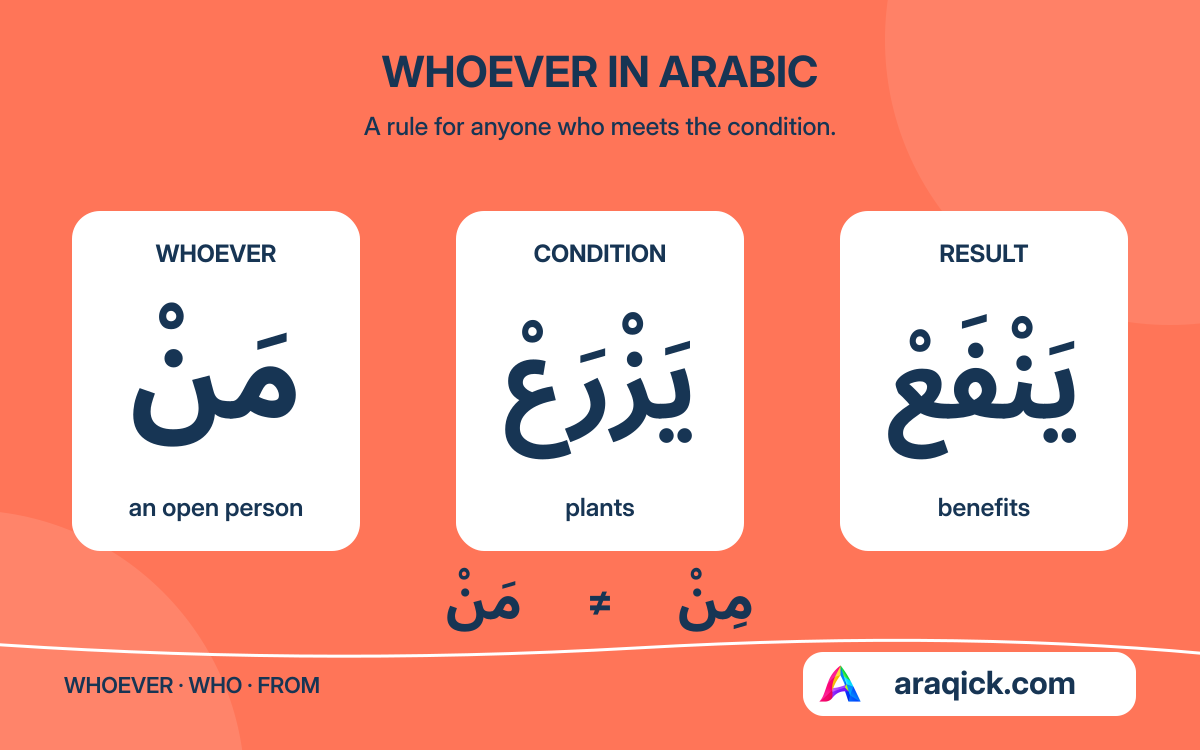
Compare man for whoever when the open reference is a person, and see conditional fa for the result-clause rules.
What to remember
- Conditional ma and mahma can mean whatever about a thing or event.
- Their simple present condition and result are jussive.
- Negative ma and relative ma have different jobs; a fa-linked result has its own grammar.
Your reference shelf
Open a guide whenever you need it.
Three jobs of maUse a complete sentence to identify the meaning
| Job | Example | Meaning |
|---|---|---|
| Conditional | مَا تَكْتُبْ أَقْرَأْهُ | Whatever you write, I will read it. |
| Relative | أَقْرَأُ مَا تَكْتُبُ | I read what you write. |
| Negative | مَا كَتَبْتُ رِسَالَةً | I did not write a letter. |
Ma also appears in questions and other constructions. This chart isolates the three readings most easily confused in these examples.
Two result structuresKeep the same meaning while changing the construction
| Structure | Arabic | Result ending |
|---|---|---|
| Direct result | مَهْمَا تَكْتُبْ أَقْرَأْهُ | Jussive hamza before hu |
| Future marker sa | مَهْمَا تَكْتُبْ فَسَأَقْرَأُهُ | Indicative hamza before hu |
Plain Latin readings simplify some Arabic consonants and vowel length. Use the fully marked Arabic to identify the exact grammatical endings.
Sources & further learning
References for the language explanations and learning guidance.