A conditional sentence connects a possible situation with its result. Arabic in, إِنْ, is a useful way to say if. Start with two short verbs: if you study, you will succeed. Then learn why their final vowels differ from an ordinary present statement.
01Find the condition and its result
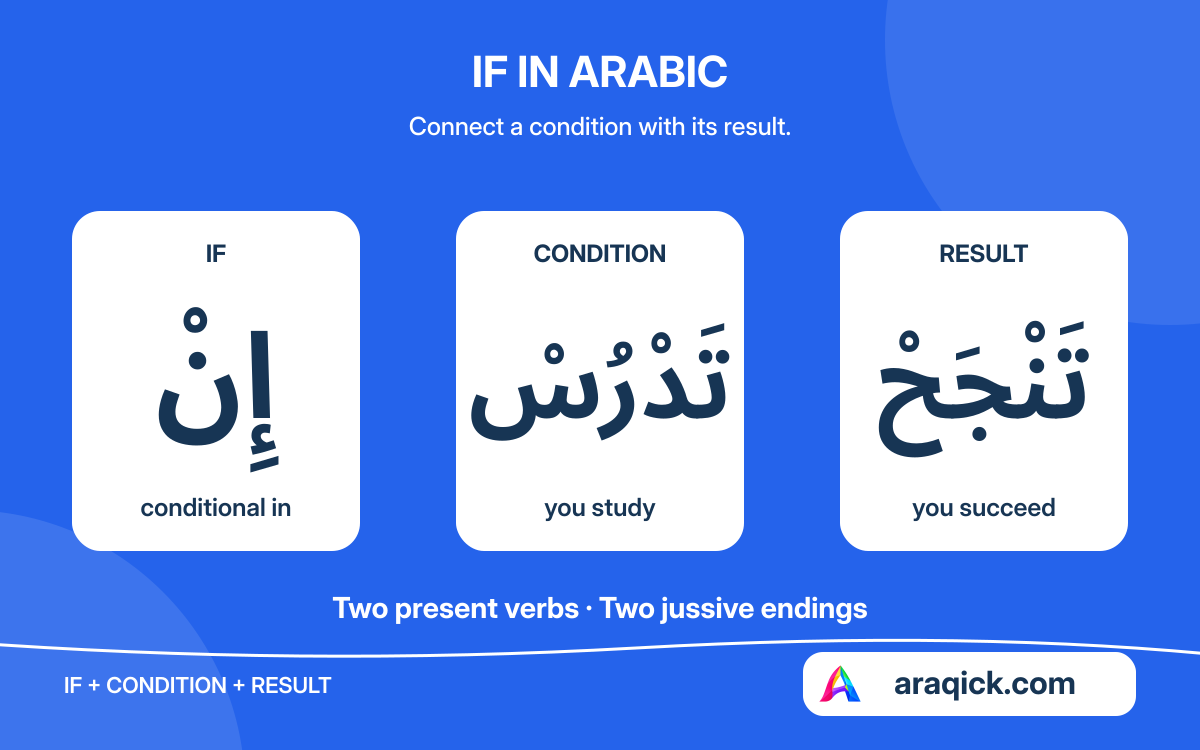
إِنْ تَدْرُسْ تَنْجَحْ
in tadrus tanjah
If you study, you will succeed.
In introduces the condition, tadrus. Tanjah gives the result, called jawab alshart. The result depends on the condition; this is not a report that the studying has already happened. Arabic does not require a separate word for then in this simple pattern.
02Make both simple present verbs jussive
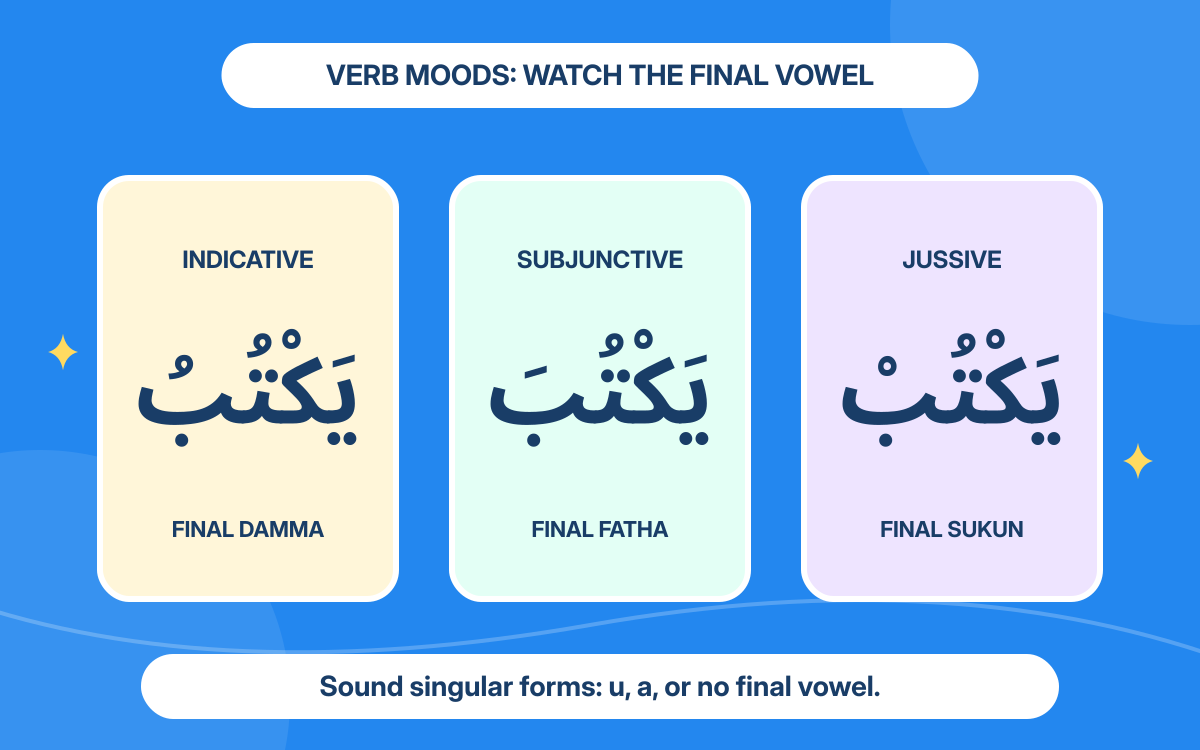
The ordinary present forms are تَدْرُسُ and تَنْجَحُ. After conditional in, both become jussive in this direct two-verb structure: تَدْرُسْ تَنْجَحْ. Each final damma changes to sukun.
إِنْ تَطْلُبْ مُسَاعَدَةً أُسَاعِدْكَ
in tatlub musaadatan usaidka
If you ask for help, I will help you.
The two verbs need not have the same subject. Here the first verb addresses you; the second starts with the I prefix. Review Arabic verb moods if the term jussive is new.
03Recognise other jussive signs
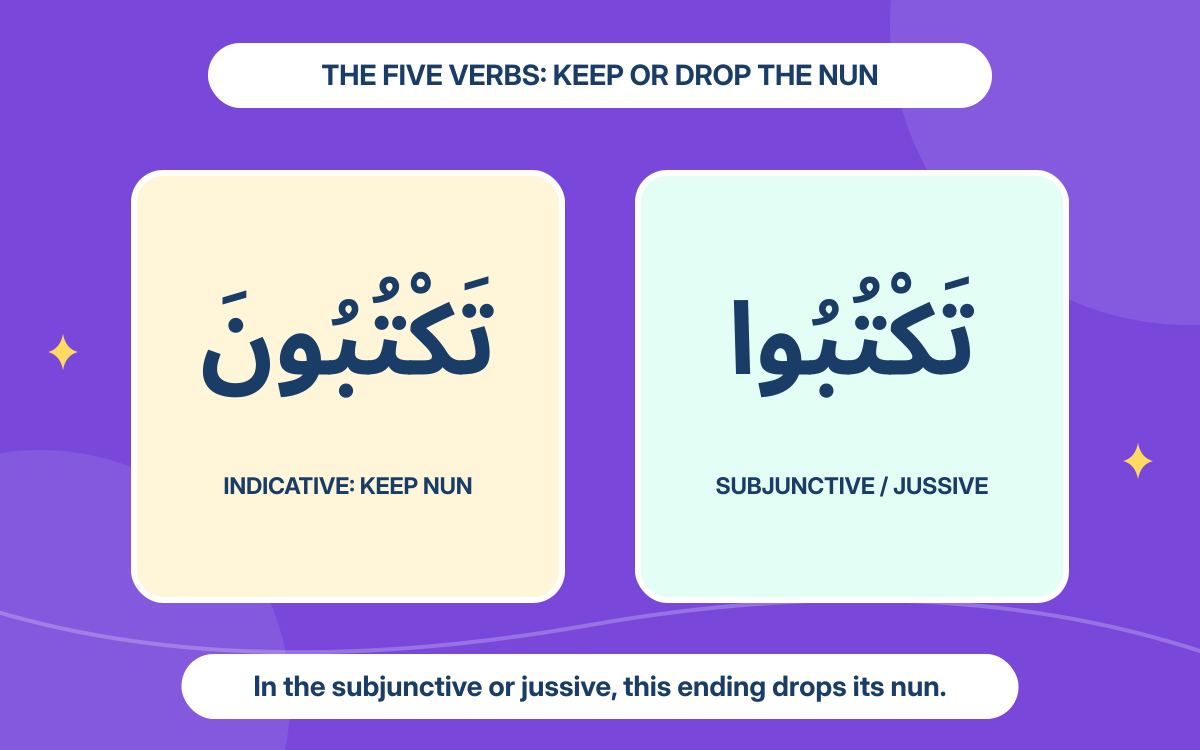
Sukun is not the only sign. The five verb forms drop their final nun. A verb ending in a weak letter can lose that letter. The reference chart shows one example of each.
إِنْ تَكْتُبُوا نَفْهَمْ
in taktubu nafham
If you write, we will understand. — to a male or mixed group
Taktubu comes from taktubuna. Its plural waw stays, and the following silent alif remains in writing. Do not remove the plural subject along with the nun.
04Read past forms in their conditional context
إِنْ وَصَلْتَ مُبَكِّرًا وَجَدْتَ مَقْعَدًا
in wasalta mubakkiran wajadta maqadan
If you arrive early, you will find a seat. — to one man
Both verbs have past-tense forms, but this sentence concerns a possible future arrival. Past forms keep their own fixed endings; do not add jussive sukun to wasalta or wajadta. The surrounding meaning determines the time reference.
05Choose the right kind of result
A plain jussive verb can follow directly. A command or nominal result normally needs linking fa: إِنْ تَعْرِفْ فَاكْتُبْ, if you know, write. Follow the separate conditional fa guide for these result types.
Keep إِنْ, if, separate from إِنَّ, indeed. The latter has a doubled nun and belongs to noun-clause grammar. Idha is another conditional word, but it does not itself make the verbs jussive.
What to remember
- Conditional in connects a condition with a dependent result.
- Two simple present verbs are jussive; their signs depend on the verb type.
- Past forms can describe a future condition; commands as results need fa.
Your reference shelf
Open a guide whenever you need it.
Three visible jussive signsChoose the sign for the verb type
| Type | Ordinary present | After in |
|---|---|---|
| Regular final consonant | تَدْرُسُ | إِنْ تَدْرُسْ |
| Five verbs: group you | تَكْتُبُونَ | إِنْ تَكْتُبُوا |
| Final weak letter | تَمْشِي | إِنْ تَمْشِ |
Tamshi, you walk, loses final ya. These are condition fragments; add an appropriate result to complete each sentence.
Conditional sentence mapRead the three jobs separately
| Part | Arabic | Job |
|---|---|---|
| Conditional word | إِنْ | If |
| Condition | تَدْرُسْ | You study |
| Result | تَنْجَحْ | You will succeed |
Jussive is a verb mood. The words subject, object and genitive describe different grammatical relationships; do not use noun-case endings to explain a verb ending.
Sources & further learning
References for the language explanations and learning guidance.