

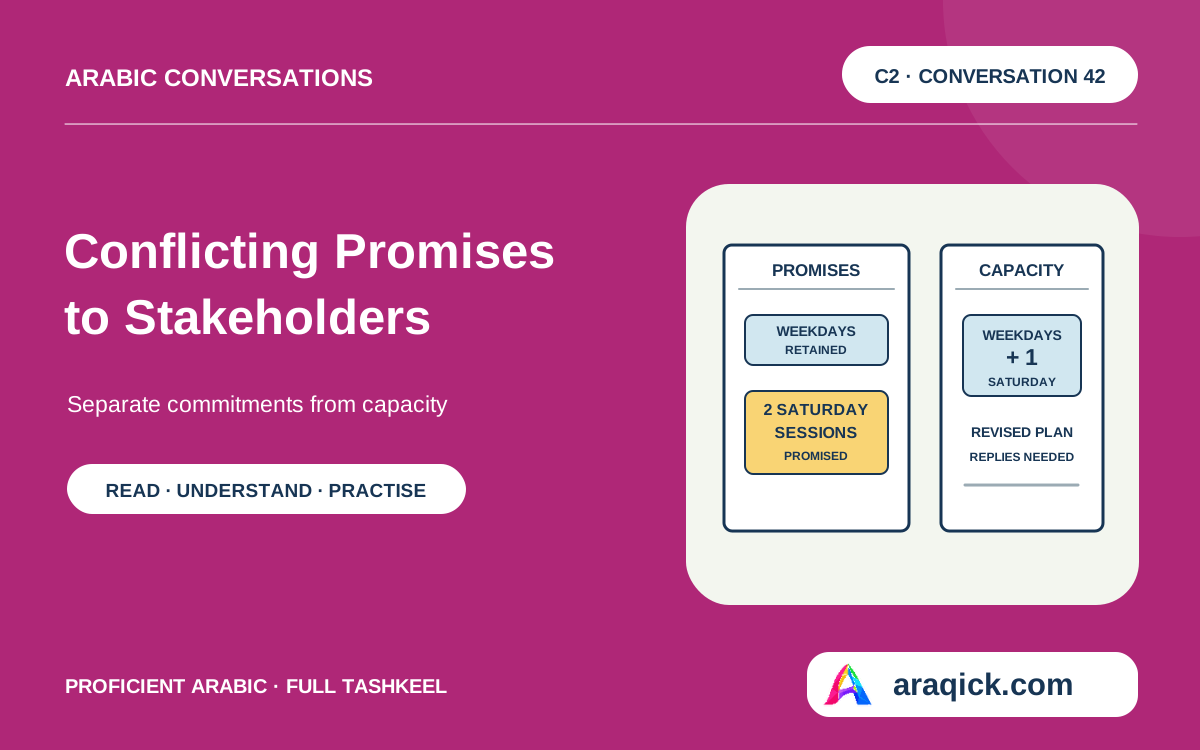
Director Mazin, funder Layla, employee representative Samir and service user Dana examine three incompatible promises at a fictional learning centre. Limited staff capacity makes a renamed plan insufficient; a specific revision must reach the people whose replies are still missing.
01Read the Arabic conversation
وُعُودٌ مُتَعَارِضَةٌ وَتَعْدِيلٌ يَنْتَظِرُ الْجَوَابَ
مَازِنٌ: أُدِيرُ مَرْكَزَ النَّافِذَةِ لِلتَّعَلُّمِ، وَهُوَ مَرْكَزٌ مُتَخَيَّلٌ فِي حِوَارِنَا. وَعَدْتُ جِهَةَ الدَّعْمِ بِجَلْسَتَيْنِ جَدِيدَتَيْنِ فِي أَوَّلِ سَبْتٍ مِنَ الشَّهْرِ الْمُقْبِلِ، وَوَعَدْتُ الْمُوَظَّفِينَ بِعَدَمِ إِضَافَةِ عَمَلٍ يَوْمَ السَّبْتِ، وَالْمُسْتَخْدِمِينَ بِبَقَاءِ جَلَسَاتِ الْأُسْبُوعِ الْقَائِمَةِ.
لَيْلَى: وَافَقَ فَرِيقُ الدَّعْمِ الَّذِي أُمَثِّلُهُ عَلَى مُسَانَدَةِ الْجَلْسَتَيْنِ بِهَذَا الْوَصْفِ. جِئْتُ لِمُرَاجَعَةِ مَوْعِدِهِمَا، لَا لِأَفْتَرِضَ أَنَّ الْوَعْدَ قَابِلٌ لِلتَّنْفِيذِ. هَلْ تُرِيدُ مِنِّي تَغْيِيرَ مَا وَافَقَ عَلَيْهِ الْفَرِيقُ، أَمْ تَشْرَحُ تَأْخِيرًا فَقَطْ؟
سَمِيرٌ: أُمَثِّلُ الْمُوَظَّفِينَ الْخَمْسَةَ، وَمُرَاجَعَةُ سَاعَاتِهِمْ تُظْهِرُ حَدًّا وَاضِحًا: مَعَ بَقَاءِ جَلَسَاتِ الْأُسْبُوعِ، يَسْتَطِيعُ الْفَرِيقُ تَغْطِيَةَ جَلْسَةِ سَبْتٍ وَاحِدَةٍ فَقَطْ. وَحَتَّى هَذِهِ تَحْتَاجُ إِلَى قَبُولِهِمْ تَغْيِيرَ وَعْدِ عَدَمِ إِضَافَةِ عَمَلِ السَّبْتِ.
دَانَا: أَحْضُرُ جَلْسَةَ الْقِرَاءَةِ يَوْمَ الثُّلَاثَاءِ. أُرِيدُ فُرَصًا لِمَنْ لَا يَحْضُرُونَ أَيَّامَ الْأُسْبُوعِ، لَكِنَّنِي لَا أَسْتَطِيعُ تَرْكَ جَلْسَتِي وَالِانْتِقَالَ إِلَى السَّبْتِ. لَا تَجْعَلْ تَأْيِيدِي لِتَوْسِيعِ الْخِدْمَةِ مُوَافَقَةً عَلَى إِلْغَاءِ الْخِدْمَةِ الَّتِي أَسْتَخْدِمُهَا.
مَازِنٌ: أَعْتَرِفُ أَنَّنِي قَدَّمْتُ الْوُعُودَ قَبْلَ مُقَارَنَتِهَا بِالْجَدْوَلِ. لَيْسَ هَذَا تَغْيِيرًا طَارِئًا فِي الظُّرُوفِ؛ لَمْ أَفْحَصِ الْقُدْرَةَ مِنَ الْبِدَايَةِ. لَا أَسْتَطِيعُ الْوَفَاءَ بِالْوُعُودِ الثَّلَاثَةِ مَعًا بِهَذَا الْفَرِيقِ، وَأَحْتَاجُ إِلَى طَلَبِ تَعْدِيلٍ صَرِيحٍ.
لَيْلَى: قَوْلُكَ إِنَّكَ تُرِيدُ تَعْدِيلًا أَدَقُّ مِنْ وَصْفِ الْأَمْرِ بِتَأْخِيرٍ عَابِرٍ. لَا أَسْتَطِيعُ قَبُولَ عَدَدٍ آخَرَ بِاسْمِ فَرِيقِ الدَّعْمِ دُونَ الرُّجُوعِ إِلَيْهِ. أَسْتَطِيعُ نَقْلَ مُقْتَرَحٍ مُحَدَّدٍ وَشَرْحَ حُدُودِهِ، لَا إِعْلَانَ مُوَافَقَةٍ لَمْ تَصْدُرْ.
سَمِيرٌ: وَلَا أَمْلِكُ أَنَا إِسْقَاطَ الْوَعْدِ لِلْمُوَظَّفِينَ لِأَنَّنِي أَفْهَمُ صُعُوبَتَكَ. فَوَّضُونِي بِطَلَبِ جَدْوَلٍ وَاضِحٍ وَعَرْضِهِ عَلَيْهِمْ. لَوْ قَبِلُوا الْجَلْسَةَ الْوَاحِدَةَ، لَبَقِيَتِ الْجَلْسَةُ الثَّانِيَةُ بِلَا تَغْطِيَةٍ؛ فَالْمُوَافَقَةُ لَا تَصْنَعُ سَاعَاتٍ جَدِيدَةً.
دَانَا: وَأَنَا لَا أَتَكَلَّمُ عَنْ جَمِيعِ مَنْ يَسْتَخْدِمُونَ الْمَرْكَزَ. أَسْتَطِيعُ أَنْ أَشْرَحَ مَا يَعْنِيهِ مَوْعِدُ الثُّلَاثَاءِ لِي. إِذَا طَلَبْتَ مِنِّي التَّنَازُلَ عَنْهُ بِاسْمِ التَّوْسِيعِ، فَسَأَقُولُ إِنَّ هَذَا يَنْقُلُ كُلْفَةَ وَعْدِكَ إِلَيَّ.
مَازِنٌ: فَكَّرْتُ فِي إِلْغَاءِ جَلْسَةٍ وَسْطَ الْأُسْبُوعِ لِتَوْفِيرِ وَقْتٍ لِلسَّبْتِ. لَكِنَّ ذَلِكَ يَحُلُّ تَعَارُضًا فِي الْجَدْوَلِ بِكَسْرِ وَعْدٍ آخَرَ. لَنْ أَقُولَ إِنَّنَا حَافَظْنَا عَلَى الْجَلَسَاتِ الْقَائِمَةِ إِذَا غَيَّرْنَا أَسْمَاءَهَا وَنَقَلْنَاهَا فَقَطْ.
لَيْلَى: وَلَا أُرِيدُ أَنْ يَصِيرَ تَمَسُّكُنَا بِالْجَلْسَتَيْنِ سَبَبًا لِإِخْفَاءِ هَذَا الْأَثَرِ. غَرَضُ الدَّعْمِ تَوْسِيعُ الْوُصُولِ فِي هَذَا الْمَشْرُوعِ. ذَلِكَ لَا يُخَوِّلُنِي افْتِرَاضَ أَنَّ اسْتِبْدَالَ الْمُسْتَخْدِمِينَ الْحَالِيِّينَ بِآخَرِينَ هُوَ التَّوْسِيعُ الَّذِي اتَّفَقْنَا عَلَيْهِ.
سَمِيرٌ: هَلْ نَتَّكِلُ عَلَى مُتَطَوِّعِينَ لَمْ يُوَافِقُوا بَعْدُ؟ لَا أُعَارِضُ سُؤَالَهُمْ، لَكِنَّ الْجَدْوَلَ لَا يَحْتَمِلُ أَسْمَاءً مُفْتَرَضَةً. لَيْسَ لَدَيْنَا الْآنَ أَحَدٌ وَعَدَ بِتَغْطِيَةِ الْجَلْسَةِ الثَّانِيَةِ. طَلَبُ الْمُسَاعَدَةِ خُطْوَةٌ مُمْكِنَةٌ، لَا مَوْرِدٌ حَاضِرٌ.
دَانَا: وَإِذَا كَتَبْتَ أَنَّ الْجَلْسَتَيْنِ سَتُقَامَانِ، فَسَيُرَتِّبُ أُنَاسٌ وَقْتَهُمْ عَلَى ذَلِكَ. أُفَضِّلُ تَصْحِيحَ الْإِعْلَانِ قَبْلَ فَتْحِ الْحَجْزِ. سَمَاعُ اعْتِذَارٍ بَعْدَ أَنْ يَعْتَمِدَ شَخْصٌ عَلَى الْمَوْعِدِ لَيْسَ مِثْلَ مَعْرِفَةِ حَدِّ الْوَعْدِ مِنَ الْبِدَايَةِ.
مَازِنٌ: الْإِعْلَانُ الْحَالِيُّ يَذْكُرُ الْجَلْسَتَيْنِ، وَلَكِنَّ الْحَجْزَ لَمْ يُفْتَحْ بَعْدُ. سَأُصَحِّحُهُ الْيَوْمَ لِيَقُولَ إِنَّ الْجَدْوَلَ قَيْدَ الْمُرَاجَعَةِ. وَأَقْتَرِحُ جَلْسَةً وَاحِدَةً فِي الْمَوْعِدِ الْمَذْكُورِ، مَعَ بَقَاءِ جَلَسَاتِ الْأُسْبُوعِ، بِشَرْطِ قَبُولِ الْمُوَظَّفِينَ وَفَرِيقِ الدَّعْمِ.
لَيْلَى: هَلْ سَتُسَمِّيهَا الْمَرْحَلَةَ الْأُولَى لِتُبْقِيَ الْوَعْدَ بِالْجَلْسَةِ الثَّانِيَةِ دُونَ مَوْعِدٍ؟ أُفَضِّلُ أَنْ يَعْرِفَ فَرِيقِي إِنْ كُنَّا نَطْلُبُ تَقْلِيلَ الْعَدَدِ أَوْ تَأْجِيلَ جُزْءٍ مِنْهُ. لَا تَجْعَلِ التَّسْمِيَةَ تَحْجُبُ السُّؤَالَ الَّذِي نَحْتَاجُ إِلَى إِجَابَتِهِ.
سَمِيرٌ: وَحَتَّى تَغْطِيَةُ الْوَاحِدَةِ سَتَبْقَى شَرْطًا، لَا نَتِيجَةً لِحَدِيثِنَا. سَأَحْمِلُ إِلَى زُمَلَائِي الْمَوْعِدَ وَالْعَمَلَ الْمَطْلُوبَ وَبَقَاءَ سَاعَاتِ الْأُسْبُوعِ. وَسَأَطْلُبُ رَدًّا صَرِيحًا؛ لَنْ أَعُدَّ غِيَابَ الِاعْتِرَاضِ مُوَافَقَةً عَلَى تَغْيِيرِ الْوَعْدِ.
دَانَا: أَسْتَطِيعُ تَعْلِيقَ الْإِعْلَانِ الْمُصَحَّحِ عَلَى لَوْحَةِ الْمُسْتَخْدِمِينَ. لَكِنَّنِي لَنْ أَكْتُبَ أَنَّ الْجَمِيعَ رَاضٍ لِأَنَّ جَلْسَتِي بَقِيَتْ. قَدْ يَكُونُ لِمَنْ انْتَظَرُوا السَّبْتَ اعْتِرَاضٌ مُخْتَلِفٌ؛ لَمْ نَسْمَعْهُ بَعْدُ، وَلَا أَسْتَطِيعُ الْإِجَابَةَ عَنْهُمْ.
مَازِنٌ: سَأَطْلُبُ تَعْدِيلَ الْوَعْدِ إِلَى جَلْسَةٍ وَاحِدَةٍ فِي الشَّهْرِ الْمُقْبِلِ، لَا تَأْجِيلًا مَضْمُونًا لِلثَّانِيَةِ. وَسَأَطْلُبُ مُرَاجَعَةَ الْقُدْرَةِ بَعْدَ سِتَّةِ أَسَابِيعَ. هَذَا مَوْعِدُ مُرَاجَعَةٍ، وَلَيْسَ مَوْعِدَ جَلْسَةٍ أَخْرَى، وَلَنْ أُقَدِّمَهُ كَوَفَاءٍ بِالْوَعْدِ الْأَوَّلِ.
لَيْلَى: أَسْتَطِيعُ عَرْضَ ذَلِكَ عَلَى فَرِيقِ الدَّعْمِ هَذَا الْأُسْبُوعَ. سَأَقُولُ إِنَّنِي أَرَى الْمُقْتَرَحَ قَابِلًا لِلنِّقَاشِ، لَا إِنَّ الْفَرِيقَ قَبِلَهُ. وَسَأَذْكُرُ أَنَّ جَلْسَةً وَاحِدَةً لَا تُسَاوِي جَلْسَتَيْنِ بِمُجَرَّدِ أَنَّنَا غَيَّرْنَا اسْمَ الْخُطَّةِ.
سَمِيرٌ: وَسَأَعْرِضُهُ عَلَى الْمُوَظَّفِينَ قَبْلَ نِهَايَةِ الْأُسْبُوعِ. أَحْتَاجُ إِلَى وَرَقَةٍ لَا تُفْهِمُهُمْ أَنَّ الرَّفْضَ سَيُلْغِي جَلَسَاتِ الْأُسْبُوعِ. الْوَعْدُ لِلْمُسْتَخْدِمِينَ لَا يَنْبَغِي أَنْ يُقَدَّمَ كَعِبْءٍ يَتَحَمَّلُهُ مَنْ يَرْفُضُ عَمَلًا إِضَافِيًّا لَمْ يَعِدْ بِهِ.
دَانَا: سَأُؤَيِّدُ وَضْعَ حُدُودِ الْمُقْتَرَحِ فِي النَّصِّ نَفْسِهِ. لَا أُرِيدُ أَنْ تُرْسَلَ كُلُّ شُرُوطِهِ إِلَى الدَّاعِمِينَ وَالْمُوَظَّفِينَ، ثُمَّ تَصِلَ إِلَيْنَا نَتِيجَةٌ بِلَا شُرُوطٍ. مَنْ يُرَتِّبُ وَقْتَهُ يَحْتَاجُ إِلَى مَعْرِفَةِ مَا لَمْ يُحْسَمْ أَيْضًا.
مَازِنٌ: سَتَكُونُ هُنَاكَ وَرَقَةٌ وَاحِدَةٌ تَذْكُرُ الْعَدَدَ وَالْمَوْعِدَ وَالشَّرْطَيْنِ. إِذَا وَصَلَ الْقَبُولَانِ الصَّرِيحَانِ، فَسَنُثَبِّتُ الْجَلْسَةَ الْوَاحِدَةَ وَنَفْتَحُ حَجْزَهَا. وَإِذَا رَفَضَ أَحَدُ الْجَانِبَيْنِ الْمُقْتَرَحَ، فَلَنْ نُعْلِنَ جَلْسَةَ السَّبْتِ كَأَمْرٍ مُحَقَّقٍ؛ سَأَعُودُ بِوَصْفٍ لِمَا رُفِضَ.
لَيْلَى: وَإِذَا وَافَقَ فَرِيقُ الدَّعْمِ، فَلَا تُقَدِّمْ مُوَافَقَتَهُ بَدِيلًا عَنْ رَدِّ الْمُوَظَّفِينَ. نَسْتَطِيعُ تَعْدِيلَ مَا يَخُصُّ دَعْمَنَا، لَا مَا وُعِدَ بِهِ آخَرُونَ. وَأَرَى أَنَّ التَّصْحِيحَ الْعَلَنِيَّ ضَرُورِيٌّ هُنَا، لَكِنَّنِي لَا أَعْرِفُ كَيْفَ سَيَسْتَقْبِلُهُ الْمُنْتَظِرُونَ.
سَمِيرٌ: مَا زِلْتُ مُتَحَفِّظًا عَلَى طَلَبِ عَمَلِ السَّبْتِ بَعْدَ الْوَعْدِ الْمُعَاكِسِ. لَنْ أُخْفِي هَذَا التَّحَفُّظَ وَأَنَا أَنْقُلُ الْمُقْتَرَحَ. وَسَأُرْسِلُ الرُّدُودَ بِصِيَاغَتِهَا، لَا بِمُلَخَّصٍ يَجْعَلُ التَّرَدُّدَ مُوَافَقَةً. مَا أَقْبَلُهُ الْآنَ هُوَ طَرْحُ سُؤَالٍ وَاضِحٍ.
دَانَا: وَأَنَا أَبْقَى قَلِقَةً عَلَى مَنْ انْتَظَرُوا جَلْسَتَيْنِ. لَا أَحُلُّ مَكَانَهُمْ فِي الْجَوَابِ، وَلَكِنَّ تَسْمِيَةَ النَّقْصِ أَفْضَلُ عِنْدِي مِنْ إِخْفَائِهِ. سَأَسْأَلُ عَنْ أَسْئِلَتِهِمْ عِنْدَ ظُهُورِ التَّصْحِيحِ، دُونَ وَعْدٍ بِأَنَّ التَّوْضِيحَ سَيُرْضِيهِمْ.
مَازِنٌ: سَأُرْسِلُ النَّصَّ الْمُصَحَّحَ وَالْمُقْتَرَحَ الْمَشْرُوطَ الْيَوْمَ. لَمْ تَصِلِ الْمُوَافَقَاتُ بَعْدُ، وَلَمْ تُثَبَّتْ جَلْسَةُ سَبْتٍ جَدِيدَةٌ. أَتَحَمَّلُ مَسْؤُولِيَّةَ الْوُعُودِ الْمُتَعَارِضَةِ، وَلَا أُسَمِّي طَلَبَ تَغْيِيرِهَا وَفَاءً بِهَا. سَتَبْقَى جَلَسَاتُ الْأُسْبُوعِ خَارِجَ هَذَا التَّقْلِيلِ.
لَيْلَى: سَأَنْقُلُ طَلَبَ جَلْسَةٍ وَاحِدَةٍ، وَمَوْعِدَ مُرَاجَعَةٍ لَا يَعِدُ بِثَانِيَةٍ. يَظَلُّ لِفَرِيقِي أَنْ يُجِيبَ، وَلِلْمُوَظَّفِينَ أَنْ يُجِيبُوا. لَمْ نُوَفِّقْ بَيْنَ الْوُعُودِ كُلِّهَا؛ حَدَّدْنَا مَا يَجِبُ طَلَبُ تَعْدِيلِهِ وَمَا لَا نَمْلِكُ الْمُوَافَقَةَ عَلَيْهِ هُنَا.
سَمِيرٌ: وَسَأَنْقُلُ الْحَدَّ نَفْسَهُ إِلَى زُمَلَائِي. حَتَّى لَوْ وَصَلَ رَدٌّ مُؤَيِّدٌ مِنْ جَانِبٍ وَاحِدٍ، فَلَنْ يَكُونَ اتِّفَاقًا مُكْتَمِلًا. نَحْتَاجُ إِلَى الرَّدَّيْنِ عَلَى الْمُقْتَرَحِ نَفْسِهِ، لَا إِلَى جَمْعِ عِبَارَاتٍ مُتَفَائِلَةٍ قِيلَتْ عَنْ وُعُودٍ مُخْتَلِفَةٍ.
دَانَا: سَأَقْرَأُ الْإِعْلَانَ بِهَذَا الْمَعْنَى: الْجَلَسَاتُ الْقَائِمَةُ بَاقِيَةٌ، وَالْجَدِيدُ مَشْرُوطٌ بِرُدُودٍ لَمْ تَصِلْ. لَا أَقُولُ إِنَّ هَذَا يَمْحُو خَيْبَةَ مَنْ انْتَظَرَ أَكْثَرَ. لَكِنَّهُ يَمْنَعُ أَنْ نُضِيفَ إِلَى الْوَعْدِ الْمُتَعَارِضِ وَعْدًا جَدِيدًا بِلَا أَسَاسٍ.
Show English translationHide English translation
Mazin — director: I direct the Window Learning Centre, a fictional centre in our conversation. I promised the funder two new sessions on the first Saturday of next month, employees no additional Saturday work, and users the continuation of existing weekday sessions.
Layla — funder: The funding team I represent agreed to support the two sessions as described. I came to review their timing, not to assume the promise can be delivered. Are you asking me to change what the team approved, or only explaining a delay?
Samir — employee representative: I represent the five employees, and reviewing their hours shows a clear limit: with weekday sessions retained, the team can cover only one Saturday session. Even that needs them to accept a change to the promise of no added Saturday work.
Dana — service user: I attend the Tuesday reading session. I want opportunities for those who cannot attend weekdays, but cannot leave my session and move to Saturday. Do not make my support for expanding the service agreement to remove the service I use.
Mazin — director: I admit I made the promises before comparing them with the timetable. This is not an unexpected change in circumstances; I did not check capacity in the first place. I cannot fulfil all three promises together with this team and need to request an explicit revision.
Layla — funder: Saying you want a revision is more precise than describing a passing delay. I cannot accept another number for the funding team without referring back to it. I can convey a specific proposal and explain its limits, not announce agreement that has not been given.
Samir — employee representative: Nor can I waive the employees’ promise because I understand your difficulty. They authorised me to request a clear timetable and show it to them. Even if they accept one session, the second remains uncovered: agreement does not create new hours.
Dana — service user: I do not speak for everyone using the centre. I can explain what Tuesday’s time means to me. If you ask me to give it up in expansion’s name, I will say that this transfers the cost of your promise to me.
Mazin — director: I considered cancelling a weekday session to free time for Saturday. But that resolves a timetable conflict by breaking another promise. I will not say we retained existing sessions if we merely renamed and moved them.
Layla — funder: I do not want our insistence on two sessions to become a reason to hide that effect. The support’s purpose in this project is to widen access. That does not authorise me to assume that replacing current users with others is the expansion we agreed on.
Samir — employee representative: Are we relying on volunteers who have not yet agreed? I do not oppose asking them, but the timetable cannot contain assumed names. We currently have nobody who promised to cover the second session. Requesting help is a possible step, not an existing resource.
Dana — service user: If you write that both sessions will happen, people will arrange their time around that. I prefer correcting the announcement before bookings open. Hearing an apology after someone relies on the time is not like knowing the promise’s limits from the start.
Mazin — director: The current announcement lists two sessions, but bookings have not opened. Today I will correct it to say the timetable is under review. I propose one session at the stated time, with weekday sessions retained, subject to employees’ and the funding team’s acceptance.
Layla — funder: Will you call it a first phase to retain the second-session promise without a date? I prefer my team to know whether we are requesting a reduction in number or deferral of part of it. Do not let the label conceal the question we need answered.
Samir — employee representative: Even covering one session remains a condition, not a result of our discussion. I will take my colleagues the date, required work and retention of weekday hours. I will request an explicit response; I will not count absence of objection as agreement to change the promise.
Dana — service user: I can put the corrected announcement on the users’ noticeboard. But I will not write that everyone is satisfied because my session remains. Those waiting for Saturday may have a different objection; we have not heard it yet, and I cannot answer for them.
Mazin — director: I will request revising the promise to one session next month, not a guaranteed deferral of the second. I will request a capacity review after six weeks. That is a review date, not another session date, and I will not present it as fulfilling the original promise.
Layla — funder: I can present that to the funding team this week. I will say that I consider the proposal discussable, not that the team accepted it. I will state that one session does not equal two merely because we changed the plan’s name.
Samir — employee representative: I will show it to the employees before the week ends. I need a sheet that does not suggest their refusal will cancel weekday sessions. The promise to users should not be presented as a burden borne by someone refusing extra work they never promised.
Dana — service user: I will support putting the proposal’s limits in the text itself. I do not want all its conditions sent to funders and employees while we receive an unconditional result. Someone arranging their time also needs to know what has not been settled.
Mazin — director: There will be one sheet stating the number, date and two conditions. If both explicit acceptances arrive, we will confirm the single session and open bookings. If either side rejects the proposal, we will not announce the Saturday session as settled; I will return with an account of what was rejected.
Layla — funder: If the funding team agrees, do not present its agreement as replacing the employees’ reply. We can revise what concerns our support, not what others were promised. I consider public correction necessary here, but do not know how those waiting will receive it.
Samir — employee representative: I remain reserved about requesting Saturday work after promising the opposite. I will not hide that reservation when conveying the proposal. I will send replies in their own wording, not a summary turning hesitation into agreement. What I accept now is putting a clear question.
Dana — service user: I remain concerned for those who expected two sessions. I do not take their place in answering, but prefer naming the shortfall to concealing it. I will ask about their questions when the correction appears, without promising that clarification will satisfy them.
Mazin — director: I will send the corrected text and conditional proposal today. No acceptances have arrived, and no new Saturday session is confirmed. I take responsibility for the conflicting promises and do not call requesting their revision fulfilment. Weekday sessions remain outside this reduction.
Layla — funder: I will convey a request for one session and a review date that does not promise a second. My team and the employees still have to answer. We have not reconciled every promise; we identified what revision must be requested and what we cannot approve here.
Samir — employee representative: I will convey the same limit to my colleagues. Even a favourable reply from one side will not be a completed agreement. We need both replies to the same proposal, not a collection of optimistic statements made about different promises.
Dana — service user: I will read the announcement this way: existing sessions remain, while the new one depends on replies not yet received. I do not say this erases the disappointment of those expecting more. But it prevents adding another unsupported promise to the conflicting one.
02Useful words and expressions
| Arabic in the conversation | Meaning here |
|---|---|
| قَابِلٌ لِلتَّنْفِيذِ | deliverable |
| تَغْطِيَةَ جَلْسَةِ سَبْتٍ وَاحِدَةٍ | covering one Saturday session |
| تَغْيِيرًا طَارِئًا | an unexpected change |
| إِسْقَاطَ الْوَعْدِ | waiving the promise |
| كُلْفَةَ وَعْدِكَ | the cost of your promise |
| بِكَسْرِ وَعْدٍ آخَرَ | by breaking another promise |
| لَا مَوْرِدٌ حَاضِرٌ | not an existing resource |
| قَيْدَ الْمُرَاجَعَةِ | under review |
| تَأْجِيلًا مَضْمُونًا | a guaranteed deferral |
| بَدِيلًا عَنْ رَدِّ الْمُوَظَّفِينَ | a replacement for the employees’ reply |
| خَيْبَةَ مَنْ انْتَظَرَ أَكْثَرَ | the disappointment of those expecting more |
| بِلَا أَسَاسٍ | without a basis |
03Check your understanding
Choose one answer for each question. Look back at the Arabic conversation for evidence. Open the English question support or a hint when you need help.
What to remember
- Consent to one Saturday session would not create capacity for the second promised session or fulfil all three original promises.
- A representative can convey a proposed revision without waiving commitments made to absent people or predicting their response.
- A conditional one-session proposal and a capacity review remain distinct from an accepted timetable, a second session or completed delivery.
Explore the Arabic in this conversation
Related grammar and vocabularyOpen Araqick guides connected to this conversation.
Arabic Relative Pronouns: Joining Ideas with Alladhi and Allati
فَرِيقُ الدَّعْمِ الَّذِي أُمَثِّلُهُ
Use alladhi to identify the funding team and the limits of Layla’s representative role.
Laysa in Arabic: Is Not and Is Not Here
هَذَا مَوْعِدُ مُرَاجَعَةٍ، وَلَيْسَ مَوْعِدَ جَلْسَةٍ أَخْرَى
Follow laysa as Mazin distinguishes a review date from a promised additional session.
Fa in Arabic Conditional Sentences: When the Result Needs Fa
إِذَا وَصَلَ الْقَبُولَانِ الصَّرِيحَانِ، فَسَنُثَبِّتُ الْجَلْسَةَ الْوَاحِدَةَ وَنَفْتَحُ حَجْزَهَا
Connect the arrival of two explicit acceptances with a future confirmation using idha, fa and sa-.





