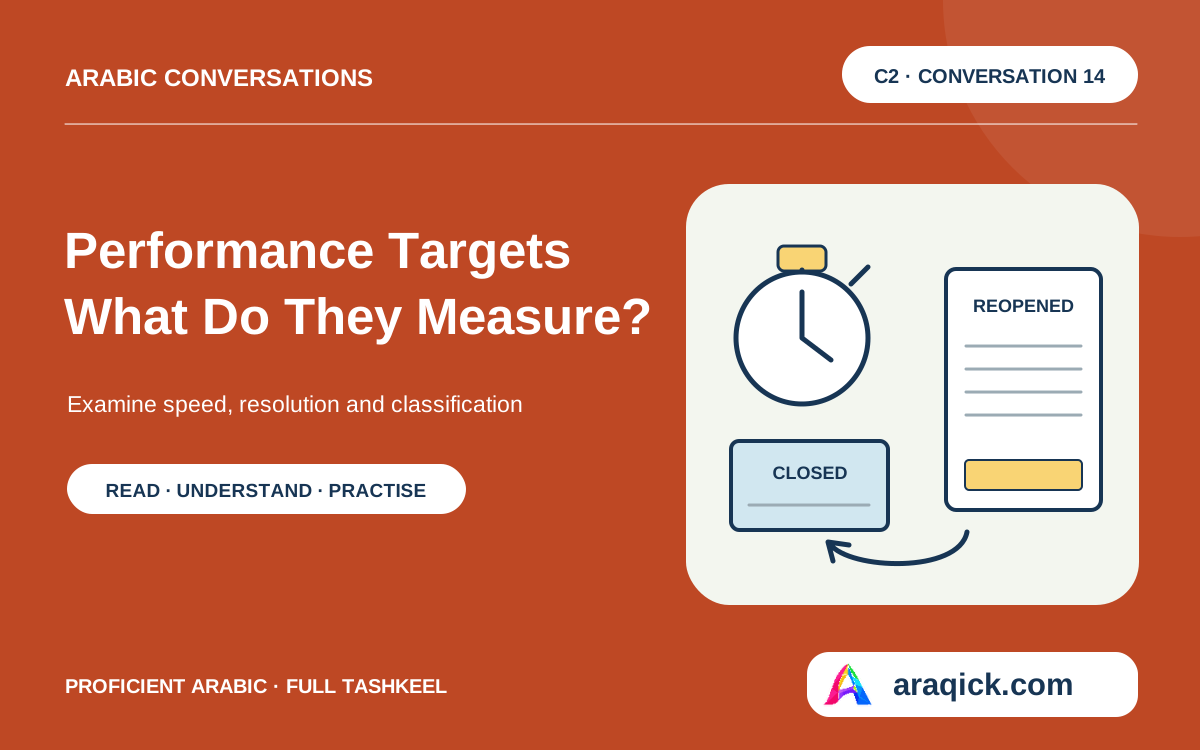
Analyst Salma, manager Nabil and employee representative Rima examine invented figures from a fictional service desk. A faster first-closure average coexists with more transferred, pending and reopened requests. They test what the headline can claim while preserving the manager’s concern about greater incoming workload.
01Read the Arabic conversation
مَا الَّذِي تَقِيسُهُ أَهْدَافُ الْأَدَاءِ حَقًّا؟
سَلْمَى: أَمَامَنَا بَيَانَاتٌ مُخْتَرَعَةٌ لِمَكْتَبِ خِدْمَةٍ مُتَخَيَّلٍ. يَقُولُ الْعُنْوَانُ: حَلَلْنَا الطَّلَبَاتِ فِي وَقْتٍ أَقَلَّ بِثُلُثٍ. أُرِيدُ أَنْ نَفْحَصَ مَا نَعُدُّهُ إِغْلَاقًا، وَأَيَّ طَلَبَاتٍ دَخَلَتْ فِي الْحِسَابِ.
نَبِيلٌ: اِنْخَفَضَ مُتَوَسِّطُ الْوَقْتِ الْمُسَجَّلِ لِمُعَالَجَةِ الطَّلَبِ قَبْلَ إِغْلَاقِهِ الْأَوَّلِ مِنِ اثْنَتَيْ عَشْرَةَ دَقِيقَةً إِلَى ثَمَانٍ. الْفَرْقُ أَرْبَعُ دَقَائِقَ، أَيْ ثُلُثُ الْمُتَوَسِّطِ السَّابِقِ. هَذَا تَقَدُّمٌ يَسْتَحِقُّ أَنْ يَرَاهُ الْفَرِيقُ، وَقَدْ عَمِلَ لِتَقْلِيلِ الْوَقْتِ.
رِيمَا: أَعْتَرِضُ عَلَى مَدَى الْعُنْوَانِ. الطَّلَبَاتُ الْمُحَوَّلَةُ تَخْرُجُ مِنْ مُتَوَسِّطِنَا، مَعَ أَنَّ الْمُوَظَّفَ يَقْرَأُهَا وَيُجِيبُ صَاحِبَهَا. وَبَعْضُ الطَّلَبَاتِ الْمُغْلَقَةِ يَعُودُ لِلْمُرَاجَعَةِ بَعْدَ ذَلِكَ.
سَلْمَى: فِي الْأُسْبُوعِ الْأَوَّلِ وَصَلَ مِائَةُ طَلَبٍ: أُغْلِقَ ثَمَانُونَ، وَحُوِّلَ عَشَرَةٌ، وَبَقِيَ عَشَرَةٌ مَفْتُوحَةً. وَفِي الثَّانِي وَصَلَ مِائَةٌ وَعِشْرُونَ: أُغْلِقَ ثَمَانُونَ، وَحُوِّلَ عِشْرُونَ، وَبَقِيَ عِشْرُونَ. الْمُتَوَسِّطَانِ يَخُصَّانِ الثَّمَانِينَ الْمُغْلَقَةَ فِي كُلِّ أُسْبُوعٍ وَحْدَهَا.
نَبِيلٌ: لَمْ يَتَغَيَّرْ عَدَدُ مَا أُغْلِقَ، لَكِنَّنَا اسْتَقْبَلْنَا عِشْرِينَ طَلَبًا إِضَافِيًّا بِالْفَرِيقِ نَفْسِهِ. أَخْشَى أَنْ يَصِيرَ الْجُهْدُ غَيْرَ مَرْئِيٍّ. أَحْتَاجُ إِلَى مَعْرِفَةِ قُدْرَتِنَا عَلَى الْوَارِدِ، لَا إِلَى تَعْرِيفٍ لِلْجَوْدَةِ وَحْدَهُ.
رِيمَا: وَهَذَا سَبَبٌ لِإِظْهَارِ الْعَمَلِ الَّذِي لَا يَنْتَهِي بِإِغْلَاقٍ هُنَا. فَقَدْ يَقِلُّ وَقْتُ الطَّلَبَاتِ الْمُحْتَسَبَةِ، وَيَزِيدُ الْعَمَلُ خَارِجَ الْحِسَابِ. تَحْوِيلُ طَلَبٍ لَا يَجْعَلُهُ مَحْلُولًا، وَلَا يَجْعَلُ مَا بَذَلَهُ الْمُوَظَّفُ فِيهِ وَقْتًا ضَائِعًا.
سَلْمَى: هُنَا تَغَيَّرَتْ نِسْبَةُ مَا دَخَلَ الْحِسَابَ إِلَى مَا وَصَلَ. لِذَلِكَ لَا نَسْتَطِيعُ نِسْبَةَ انْخِفَاضِ الْمُتَوَسِّطِ إِلَى سُرْعَةِ الْمُوَظَّفِينَ وَحْدَهَا. لَا نَعْرِفُ مِنْ هَذَيْنِ الْعَدَدَيْنِ مَا إِذَا كَانَتِ الطَّلَبَاتُ الْمُحَوَّلَةُ أَطْوَلَ مُعَالَجَةً مِنْ غَيْرِهَا.
نَبِيلٌ: نُغْلِقُ الطَّلَبَ حِينَ يُرْسِلُ الْمُوَظَّفُ جَوَابًا وَيَضَعُهُ فِي خَانَةِ الْمُنْتَهِي. قَدْ يَكُونُ الْجَوَابُ كَافِيًا، وَقَدْ يَعُودُ صَاحِبُهُ بِسُؤَالٍ جَدِيدٍ. إِعَادَةُ الْفَتْحِ لَا تُبْطِلُ الْجَوَابَ الْأَوَّلَ بِالضَّرُورَةِ.
رِيمَا: صَحِيحٌ، وَتَمِيلُ خَانَةُ الْمُنْتَهِي إِلَى إِعْطَاءِ انْطِبَاعٍ بِأَنَّ الْمَسْأَلَةَ حُسِمَتْ. لَا أُرِيدُ تَسْمِيَةَ كُلِّ عَوْدَةٍ فَشَلًا، لَكِنَّنِي لَا أُرِيدُ أَنْ يَحْمِلَ الْمُوَظَّفُ عَمَلَ الْعَوْدَةِ دُونَ أَنْ يَظْهَرَ فِي صُورَةِ عَمَلِهِ.
سَلْمَى: تَابَعْنَا كُلَّ طَلَبٍ مُغْلَقٍ خَمْسَةَ أَيَّامٍ بَعْدَ إِغْلَاقِهِ الْأَوَّلِ، وَانْتَهَتْ مُدَّةُ الْمُتَابَعَةِ لِلْمَجْمُوعَتَيْنِ. أُعِيدَ فَتْحُ ثَلَاثَةٍ مِنَ الثَّمَانِينَ الْأُولَى، وَاثْنَيْ عَشَرَ مِنَ الثَّمَانِينَ الثَّانِيَةِ. لَمْ نُسَجِّلْ أَسْبَابَ الْعَوْدَةِ، فَلَا أَجْعَلُ الزِّيَادَةَ حُكْمًا عَلَى الْمُوَظَّفِينَ.
نَبِيلٌ: أَقْبَلُ أَنَّنَا لَا نَمْلِكُ سَبَبَ الزِّيَادَةِ، لَكِنَّ الْمُدَّةَ الْمُتَسَاوِيَةَ تُتِيحُ مُقَارَنَةً أَدَقَّ مِنْ مُتَابَعَةٍ مُتَفَاوِتَةٍ. فَالْمُتَابَعَةُ الْأَطْوَلُ تُتِيحُ وَقْتًا أَطْوَلَ لِلْعَوْدَةِ. هَلْ يَجُوزُ أَنْ نَقُولَ إِنَّ الْحَلَّ الدَّائِمَ تَرَاجَعَ؟
رِيمَا: يَجُوزُ أَنْ نَصِفَ مَا سَجَّلْنَاهُ فِي خَمْسَةِ أَيَّامٍ، لَا مَا سَيَبْقَى دَائِمًا. عَدَمُ الْعَوْدَةِ خِلَالَهَا قَرِينَةٌ مَحْدُودَةٌ، وَلَا يَكْشِفُ مَا حَدَثَ لِلطَّلَبِ الْمُحَوَّلِ. وَصْفُ الْمُؤَشِّرِ بِأَنَّهُ مَحْدُودٌ لَا يَجْعَلُهُ بِدُونِ فَائِدَةٍ.
سَلْمَى: بَقِيَ مِنَ الطَّلَبَاتِ الْمُغْلَقَةِ سَبْعَةٌ وَسَبْعُونَ طَلَبًا مِنَ الْمِائَةِ دُونَ إِعَادَةِ فَتْحٍ، وَثَمَانِيَةٌ وَسِتُّونَ مِنَ الْمِائَةِ وَالْعِشْرِينَ، بِحَسَبِ سِجِلِّنَا وَتِلْكَ الْمُدَّةِ. هَذَا يَرْبِطُ النَّتِيجَةَ بِالْوَارِدِ، وَلَا يَحْكُمُ عَلَى مَصِيرِ الْمُحَوَّلِ.
نَبِيلٌ: قَدْ تَكُونُ الْإِحَالَةُ مُنَاسِبَةً لِمَوْضُوعِ الطَّلَبِ. أُرِيدُ قِيَاسَ الْعَبْءِ، دُونَ جَعْلِ كُلِّ طَلَبٍ يَخْرُجُ مِنْ عِنْدِنَا خَسَارَةً لِلْمَكْتَبِ. وَعَدَدُ الْإِغْلَاقِ دُونَ عَوْدَةٍ لَا يُظْهِرُ وَحْدَهُ الْجُهْدَ الَّذِي بَذَلْنَاهُ.
رِيمَا: وَأَنَا لَا أُرِيدُ أَنْ يُكَافَأَ الْمُوَظَّفُ عَلَى إِبْقَاءِ طَلَبٍ خَارِجَ اخْتِصَاصِنَا كَيْ يَظْهَرَ فِي الْمُتَوَسِّطِ. لَكِنَّ التَّحْوِيلَ يَحْتَاجُ إِلَى وَصْفٍ مُسْتَقِلٍّ. نَحْنُ نُحَوِّلُ مَكَانَ الْمُعَالَجَةِ، وَلَا نَعْرِفُ بِذَلِكَ أَنَّ الْحَلَّ تَحَقَّقَ.
سَلْمَى: إِذَنْ لَدَيْنَا ثَلَاثَةُ أَسْئِلَةٍ: كَمْ يَسْتَغْرِقُ الْعَمَلُ عَلَى مَا نُغْلِقُهُ، وَكَمْ يَبْقَى دُونَ عَوْدَةٍ فِي مُدَّةٍ مُعَيَّنَةٍ، وَكَمْ يَصِلُ مِنْ عَمَلٍ لَا يَدْخُلُ الْمُتَوَسِّطَ؟ الْإِجَابَةُ عَنْ وَاحِدٍ مِنْهَا لَا تُجِيبُ عَنِ الْآخَرَيْنِ.
نَبِيلٌ: الْوَقْتُ الْمُوَفَّرُ فِي الطَّلَبِ الْمُغْلَقِ قَدْ يُتِيحُ اسْتِقْبَالَ غَيْرِهِ. أَقْبَلُ أَنَّنَا لَمْ نَقِسْ هَذَا الِاسْتِخْدَامَ، لَكِنَّ حَذْفَ قِيَاسِ السُّرْعَةِ يَحْرِمُنِي مِنْ مَعْلُومَةٍ عَمَلِيَّةٍ عَنْ إِدَارَةِ وَقْتِ الْمَكْتَبِ.
رِيمَا: لَا أَقْتَرِحُ حَذْفَهُ؛ أَقْتَرِحُ أَلَّا نَجْعَلَهُ مَحَلَّ النَّتِيجَةِ كُلِّهَا. يُفِيدُنَا أَنْ نَعْرِفَ أَنَّ الْوَقْتَ الْمُسَجَّلَ اِنْخَفَضَ، مَعَ مَعْرِفَةِ حُدُودِهِ. وَفِي تَقْدِيرِ الْعَبْءِ، يَلْزَمُ إِظْهَارُ الْعَوْدَةِ وَالِانْتِظَارِ، لَا اِخْتِزَالُهُمَا فِي غِيَابِ إِغْلَاقٍ.
سَلْمَى: وَلَا نَمْلِكُ الْآنَ أَوْقَاتَ مُعَالَجَةِ الْمُحَوَّلِ وَالْمَفْتُوحِ، فَلَا أَجْمَعُهَا بِأَوْقَاتِ الْمُغْلَقِ تَقْدِيرًا. سَأُظْهِرُ عَدَدَهَا، وَأُبْقِي نَقْصَ مَعْلُومَاتِ الْوَقْتِ ظَاهِرًا. مِنَ الْأَفْضَلِ أَنْ نَرَى فَرَاغًا مَعْرُوفًا مِنْ أَنْ نَقْرَأَ مُتَوَسِّطًا يَدَّعِي تَغْطِيَةَهُ.
نَبِيلٌ: سَأَسْحَبُ عُنْوَانَ الْحَلِّ الْأَسْرَعِ، وَأَضَعُ: اِنْخَفَضَ وَقْتُ الْمُعَالَجَةِ الْمُسَجَّلُ لِلطَّلَبَاتِ الْمُغْلَقَةِ. وَسَأَذْكُرُ الزِّيَادَةَ فِي الْوَارِدِ. لَكِنَّنِي أُبْقِي اعْتِرَاضِي عَلَى قِرَاءَةِ عَدَدِ الْعَوْدَةِ كَأَنَّهُ يَقِيسُ إِهْمَالَ الْمُوَظَّفِينَ؛ لَمْ نَفْحَصْ أَسْبَابَهُ.
رِيمَا: هَذَا اعْتِرَاضٌ أَقْبَلُهُ، شَرْطَ أَلَّا يَصِيرَ عَدَمُ مَعْرِفَةِ السَّبَبِ سَبَبًا لِإِخْفَاءِ الْعَدَدِ. وَأُرِيدُ أَنْ يَذْكُرَ التَّقْرِيرُ أَنَّ الْمُوَظَّفَ يُعَالِجُ طَلَبًا عَائِدًا، حَتَّى إِذَا لَمْ نَحْسِبْهُ وَافِدًا جَدِيدًا. إِعَادَةُ الْفَتْحِ عَمَلٌ أَيْضًا.
سَلْمَى: سَأُضِيفُ خَانَةً لِلْعَوْدَةِ تَرْبِطُهَا بِالطَّلَبِ الْأَصْلِيِّ، فَلَا نَعُدُّهُ طَلَبَيْنِ وَارِدَيْنِ. وَسَأُبْقِي الْإِغْلَاقَ الْأَوَّلَ فِي حِسَابِ وَقْتِهِ؛ فَتَصْحِيحُ نِطَاقِ الْقِيَاسِ لَا يَحْتَاجُ إِلَى حَذْفِ حَدَثٍ وَقَعَ.
نَبِيلٌ: وَأُبْقِي تَقْلِيلَ الْوَقْتِ هَدَفًا، وَلَكِنَّنِي لَنْ أَرْبِطَ مَكَافَأَةَ الْفَرِيقِ بِهِ وَحْدَهُ فِي هَذَا التَّقْرِيرِ. لَا أُرِيدُ أَنْ يَصِيرَ الْإِغْلَاقُ الْمُبَكِّرُ أَفْضَلَ مِنْ جَوَابٍ يَحْتَاجُ إِلَى وَقْتٍ أَطْوَلَ، فَقَطْ لِأَنَّهُ يُحَسِّنُ الْعَدَدَ الْمُعْلَنَ.
رِيمَا: سَأُبَيِّنُ لِلْمُوَظَّفِينَ أَنَّ تَحَسُّنَ الْوَقْتِ لَا يَشْهَدُ عَلَى جَوْدَةِ كُلِّ جَوَابٍ. وَسَأَطْلُبُ تَسْجِيلَ سَبَبِ الْعَوْدَةِ مُسْتَقْبَلًا، دُونَ أَنْ نَنْسِبَ سَبَبًا مُتَخَيَّلًا إِلَى الْحَالَاتِ السَّابِقَةِ الَّتِي لَمْ نَسْأَلْ أَصْحَابَهَا.
سَلْمَى: وَسَأَكْتُبُ تَحْتَ الْجَدْوَلِ أَنَّ عَدَمَ الْعَوْدَةِ يَخُصُّ خَمْسَةَ أَيَّامٍ، وَأَنَّ الْمُحَوَّلَ لَا يَدْخُلُ مُتَوَسِّطَ الْإِغْلَاقِ هُنَا. سَيَظَلُّ عَدَدُ مَا وَصَلَ هُوَ الْمَرْجِعَ لِعَرْضِ الْأَعْبَاءِ، وَعَدَدُ الْمُغْلَقِ هُوَ الْمَرْجِعَ لِمُتَوَسِّطِ وَقْتِهِ.
نَبِيلٌ: سَأَنْشُرُ التَّقْرِيرَ بِهَذِهِ الصِّيَاغَةِ، مَعَ بَقَاءِ السُّؤَالِ عَنْ قُدْرَتِنَا عَلَى الْوَارِدِ الْمُتَزَايِدِ. لَمْ يَحْسِمْهُ الْمُتَوَسِّطُ الْجَدِيدُ، وَلَمْ يُبْطِلْهُ نَقْدُهُ. أَحْتَاجُ إِلَى قَرَارٍ بِشَأْنِ الْعَبْءِ يَسْتَنِدُ إِلَى مَا نَجْمَعُهُ بَعْدَ ذَلِكَ.
رِيمَا: وَلَنْ نُحَوِّلَ حُدُودَ الْأَرْقَامِ إِلَى عُذْرٍ لِتَرْكِ الْمُنْتَظِرِينَ. الْعِشْرُونَ الْمَفْتُوحَةُ مَا زَالَتْ تَحْتَاجُ إِلَى مُعَالَجَةٍ. يُصَحِّحُ التَّقْرِيرُ ادِّعَاءَنَا، وَيُبْقِي الْعَمَلَ الْبَاقِيَ مَرْئِيًّا لِلْمَكْتَبِ وَأَصْحَابِ الطَّلَبَاتِ.
Show English translationHide English translation
Salma — analyst: We have invented data for a fictional service desk before us. The headline says, “We resolved requests in one-third less time.” I want to examine what we count as closure and which requests entered the calculation.
Nabil — manager: The average recorded time spent handling a request before its first closure fell from twelve minutes to eight. The difference is four minutes, one third of the previous average. That progress deserves to be seen by the team, which worked to reduce the time.
Rima — employee representative: I object to the headline’s scope. Transferred requests leave our average, although an employee reads them and answers their submitter. Some closed requests also return for review afterward.
Salma — analyst: In the first week, one hundred requests arrived: eighty were closed, ten transferred and ten remained open. In the second, one hundred and twenty arrived: eighty were closed, twenty transferred and twenty remained. The two averages concern only the eighty closed requests in each week.
Nabil — manager: The number closed did not change, but we received twenty additional requests with the same team. I fear that effort will become invisible. I need to know our capacity for incoming requests, not only have a definition of quality.
Rima — employee representative: That is a reason to show work that does not end in closure here. The time for counted requests may fall while work outside the calculation grows. Transferring a request does not make it resolved or make the employee’s effort on it wasted time.
Salma — analyst: Here, the proportion entering the calculation relative to the number received changed. We therefore cannot attribute the fall in the average solely to employees’ speed. These two counts do not tell us whether transferred requests took longer to handle than others.
Nabil — manager: We close a request when the employee sends an answer and places it in the completed category. The answer may be sufficient, or its submitter may return with a new question. Reopening does not necessarily invalidate the first answer.
Rima — employee representative: True, and the completed category tends to give the impression that the matter was settled. I do not want to call every return a failure, but I do not want the employee to handle the returned work without its appearing in the picture of their work.
Salma — analyst: We followed each closed request for five days after its first closure, and follow-up has ended for both groups. Three of the first eighty were reopened, and twelve of the second eighty. We did not record reasons for return, so I do not turn the increase into a judgment about employees.
Nabil — manager: I accept that we do not know the reason for the increase, but the equal period allows a more precise comparison than unequal follow-up. Longer follow-up allows more time for a return. May we say that durable resolution declined?
Rima — employee representative: We may describe what we recorded within five days, not what will remain permanent. No return during that period is a limited indication and does not reveal what happened to a transferred request. Describing the indicator as limited does not make it useless.
Salma — analyst: Of the closed requests, seventy-seven of the hundred remained without reopening, and sixty-eight of the hundred and twenty, according to our register and that period. This relates the result to incoming requests; it does not judge what happened to transferred requests.
Nabil — manager: A referral may be appropriate to the request’s subject. I want to measure workload without making every request that leaves us a loss for the desk. The count of closures without return does not by itself show the effort we made.
Rima — employee representative: I do not want an employee rewarded for retaining a request outside our remit so that it appears in the average. But transfer needs a separate description. We change where handling takes place; that does not tell us that resolution occurred.
Salma — analyst: So we have three questions: how long does work on what we close take, how much remains without return within a specified period, and how much work arrives that does not enter the average? Answering one does not answer the other two.
Nabil — manager: Time saved on a closed request may allow another to be received. I accept that we did not measure that use, but removing the speed measure deprives me of practical information about managing the desk’s time.
Rima — employee representative: I am not proposing removing it; I propose not making it stand in for the entire result. It helps us to know that recorded time fell, while knowing its limits. In assessing workload, returns and waiting must appear, rather than being reduced to an absence of closure.
Salma — analyst: We do not currently have handling times for transferred and open requests, so I will not estimate them and combine them with closed-request times. I will show their counts and keep the missing time information visible. It is better to see a known gap than an average that claims to cover it.
Nabil — manager: I will withdraw the “faster resolution” headline and write, “Recorded handling time for closed requests fell.” I will mention the increase in incoming volume. But I retain my objection to reading the return count as measuring employee negligence: we have not examined its causes.
Rima — employee representative: I accept that objection, provided not knowing the cause does not become a reason to hide the count. I also want the report to state that an employee handles a returned request even when we do not count it as a new arrival. Reopening is work too.
Salma — analyst: I will add a return category linked to the original request so that we do not count it as two incoming requests. I will retain the first closure in its time calculation; correcting the measure’s scope does not require deleting an event that occurred.
Nabil — manager: I retain reducing time as a target, but will not link the team’s reward to it alone in this report. I do not want early closure to become preferable to an answer requiring more time simply because it improves the published figure.
Rima — employee representative: I will explain to employees that improvement in time does not attest to every answer’s quality. I will request recording reasons for return in future, without assigning an invented reason to past cases whose submitters we did not ask.
Salma — analyst: I will write below the table that no return refers to five days, and that transferred requests do not enter the closure average here. The number received will remain the reference for presenting workload, and the closed count the reference for its average time.
Nabil — manager: I will publish the report with this wording, while the question of our capacity for growing incoming volume remains. The new average did not settle it, and criticism of the average did not invalidate it. I need a workload decision based on what we collect next.
Rima — employee representative: We will not turn the figures’ limits into an excuse to leave people waiting. The twenty open requests still need handling. The report corrects our claim and keeps the remaining work visible to the desk and request submitters.
02Useful words and expressions
| Arabic in the conversation | Meaning here |
|---|---|
| إِغْلَاقِهِ الْأَوَّلِ | its first closure |
| مَدَى الْعُنْوَانِ | the scope of the headline |
| مَرْئِيٍّ | visible |
| خَارِجَ الْحِسَابِ | outside the calculation |
| بِالضَّرُورَةِ | necessarily |
| قَرِينَةٌ مَحْدُودَةٌ | a limited indication |
| خَارِجَ اخْتِصَاصِنَا | outside our remit |
| فَرَاغًا مَعْرُوفًا | a known gap |
| نِطَاقِ الْقِيَاسِ | the measure’s scope |
| الْإِغْلَاقُ الْمُبَكِّرُ | early closure |
| الْوَارِدِ الْمُتَزَايِدِ | growing incoming volume |
| الْعَمَلَ الْبَاقِيَ | the remaining work |
03Check your understanding
Choose one answer for each question. Look back at the Arabic conversation for evidence. Open the English question support or a hint when you need help.
What to remember
- The average fell from twelve to eight minutes for eighty first closures in each week; that does not describe resolution of all incoming requests.
- Matched five-day follow-up records more reopening without establishing its cause, permanent outcomes or the result of transferred requests.
- Preserve useful speed information alongside returns, transfers and pending work; correct the headline without making measurement gaps a reason to ignore waiting requests.
Explore the Arabic in this conversation
Related grammar and vocabularyOpen Araqick guides connected to this conversation.
Arabic Comparatives: Bigger Than and Better Than
مُقَارَنَةً أَدَقَّ مِنْ مُتَابَعَةٍ مُتَفَاوِتَةٍ
Use adaqqu followed by min to compare an inference based on matched follow-up with one based on unequal observation periods.
Lakinna and Lakin in Arabic: Two Patterns for But
لَكِنَّنِي أُبْقِي اعْتِرَاضِي
Use lakinna followed by an attached pronoun to retain an objection even while accepting a narrower report headline.
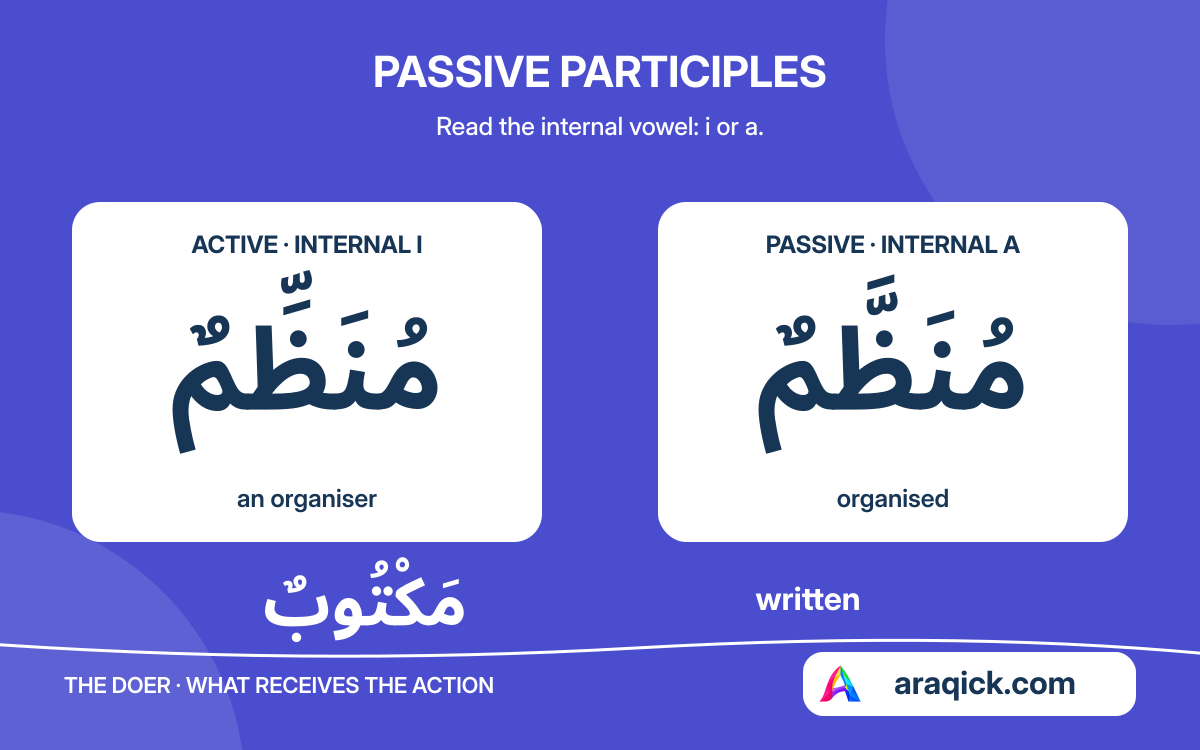
Arabic Passive Participles: Ism al-Maful Explained
الطَّلَبَاتِ الْمُغْلَقَةِ
Follow the passive participle al-mughlaqa as it marks the limited set of closed requests whose handling time is measured.