Director Samir, engineer Layla, frontline worker Huda and reviewer Adil reconstruct a fictional appointment-register failure. A scheduled reset erased eight bookings after an ambiguous handover. They distinguish contribution, approval, warning and recovery while refusing to turn shared causes into equal blame.
01Read the Arabic conversation
تَوْزِيعُ الْمَسْؤُولِيَّةِ عَنْ فَشَلِ سِجِلِّ الْمَوَاعِيدِ
سَمِيرٌ: نُرَاجِعُ فَشَلَ سِجِلِّ الْمَوَاعِيدِ فِي مَرْكَزِنَا الْمُتَخَيَّلِ. مُحِيَتْ ثَمَانِيَةُ مَوَاعِيدَ عِنْدَ الْعَاشِرَةِ. أُرِيدُ تَحْدِيدَ مَنْ كَانَ يَسْتَطِيعُ مَنْعَ ذَلِكَ، لَا الِاكْتِفَاءَ بِعِبَارَةِ خَلَلٍ فِي النِّظَامِ.
لَيْلَى: التَّصْفِيرُ هُنَا خُطْوَةٌ مُحَدَّدَةٌ فِي هَذَا السِّجِلِّ الْمُخْتَرَعِ: يَمْحُو الْمَوَاعِيدَ الْمُدْخَلَةَ، وَلَا يَحْفَظُ مِنْهَا نُسْخَةً تِلْقَائِيَّةً. كَتَبْتُ ذَلِكَ فِي مُقْتَرَحِي أَمْسِ، مَعَ طَلَبِ إِيقَافِ الْإِدْخَالِ وَنَقْلِ الْمَوَاعِيدِ قَبْلَ التَّنْفِيذِ.
هُدَى: وَصَلَنِي التَّنْبِيهُ، وَأَوْقَفْتُ الْإِدْخَالَ فِي التَّاسِعَةِ وَخَمْسِينَ دَقِيقَةً. لَكِنَّ رِسَالَةَ التَّسْلِيمِ قَالَتْ: احْتَفِظُوا بِالْقَائِمَةِ. ظَنَنْتُهَا قَائِمَةَ الْمُنْتَظِرِينَ الْوَرَقِيَّةَ، لَا الْمَوَاعِيدَ الَّتِي أَدْخَلْتُهَا؛ فَالْقَائِمَتَانِ كَانَتَا مُخْتَلِفَتَيْنِ عِنْدَنَا.
عَادِلٌ: إِذَنْ إِيقَافُ الْإِدْخَالِ حَدَثَ، وَالْحِفْظُ لَمْ يَحْدُثْ. قَبْلَ أَنْ نُسَمِّيَ ذَلِكَ عَدَمَ امْتِثَالٍ، أُرِيدُ الرِّسَالَةَ وَقَرَارَ الْمُوَافَقَةِ. فَهْمُ الْخُطْوَةِ وَامْتِلَاكُ سُلْطَةِ تَغْيِيرِ مَوْعِدِهَا مَسْأَلَتَانِ مُتَمَايِزَتَانِ.
سَمِيرٌ: وَافَقْتُ عَلَى مُقْتَرَحِ لَيْلَى، وَأَبْقَيْتُ الْعَاشِرَةَ مَوْعِدًا لِلتَّنْفِيذِ رَغْمَ بَدْءِ التَّسْجِيلِ فِي التَّاسِعَةِ. كَتَبْتُ أَنْ تُحْفَظَ الْقَائِمَةُ، وَلَمْ أُسَمِّ مَنْ يَنْقُلُهَا أَوْ مَنْ يَفْحَصُهَا. ظَنَنْتُ أَنَّ الْمُوَافَقَةَ تُحِيلُ إِلَى التَّفَاصِيلِ الْمَذْكُورَةِ فِي الْمُقْتَرَحِ.
لَيْلَى: وَأَرْسَلْتُ إِلَى هُدَى تَنْبِيهًا بِالْمَوْعِدِ، لَكِنَّنِي اسْتَخْدَمْتُ كَلِمَةَ الْقَائِمَةِ نَفْسَهَا. قَبْلَ الْعَاشِرَةِ وَصَلَنِي مِنْهَا: الْقَائِمَةُ جَاهِزَةٌ. اعْتَبَرْتُهَا تَأْكِيدًا لِلنَّقْلِ، وَنَفَّذْتُ التَّصْفِيرَ؛ لَمْ أَطْلُبْ رُؤْيَةَ مَوَاعِيدَ مَنْقُولَةٍ أَوْ عَدَدِهَا.
هُدَى: كَانَتْ قَائِمَتِي تَضُمُّ أَسْمَاءَ الْمُنْتَظِرِينَ وَتَرْتِيبَهُمْ، دُونَ سَاعَاتِ الْمَوَاعِيدِ. عِنْدَ الْعَاشِرَةِ وَخَمْسِ دَقَائِقَ فَتَحْتُ السِّجِلَّ لِتَأْكِيدِ مَوْعِدٍ فَوَجَدْتُهُ خَالِيًا. لَمْ أُدْخِلْ شَيْئًا بَعْدَ التَّنْبِيهِ، وَهَذَا لَا يَعْنِي أَنَّنِي حَفِظْتُ الْمَطْلُوبَ.
عَادِلٌ: سَأُثَبِّتُ هَذَا الْفَرْقَ. لَيْسَ فَقْدُ الْمَوَاعِيدِ دَلِيلًا عَلَى أَنَّ هُدَى وَاصَلَتِ الْإِدْخَالَ، وَلَا تَوَقُّفُهَا دَلِيلًا عَلَى اكْتِمَالِ النَّقْلِ. كُلُّ اسْتِنْتَاجٍ يَحْتَاجُ إِلَى سَنَدٍ يُنَاسِبُهُ، وَإِلَّا حَمَّلْنَا وَاقِعَةً وَاحِدَةً مَا لَا تَقُولُهُ.
سَمِيرٌ: جَمَعْتُ بَيْنَ الْمُوَافَقَةِ وَافْتِرَاضِ الْجَاهِزِيَّةِ. لَكِنْ أَلَيْسَ مَنْ يَنْفِّذُ الْخُطْوَةَ مَسْؤُولًا عَنْ شَرْطِهَا، حَتَّى إِذَا لَمْ أُحَدِّدْ طَرِيقَةَ التَّحَقُّقِ مِنْهُ؟
لَيْلَى: بَلَى، وَمُوَافَقَتُكَ لَا تُغْنِي عَنِ التَّحَقُّقِ. أَتَحَمَّلُ أَنَّنِي نَفَّذْتُ دُونَ أَنْ أَرَى النَّقْلَ. لَكِنَّ الْمَوْعِدَ الَّذِي حَدَّدْتَهُ تَرَكَ لَنَا عَشْرَ دَقَائِقَ لِلتَّسْلِيمِ، وَهُوَ قَرَارٌ إِدَارِيٌّ، لَا خَاصِّيَّةٌ فِي السِّجِلِّ.
هُدَى: وَأَنَا أَتَحَمَّلُ أَنَّ جَوَابِي جَعَلَ الْجَاهِزِيَّةَ أَوْسَعَ مِمَّا تَأَكَّدْتُ مِنْهُ. لَكِنَّنِي لَمْ أَكُنْ مَنْ يُوَافِقُ عَلَى التَّصْفِيرِ. إِذَا قُلْنَا إِنَّنِي كُنْتُ آخِرَ مَنْ كَتَبَ، فَلَا يَلْزَمُ أَنَّنِي كُنْتُ وَحْدِي مَنْ يَجِبُ أَنْ يَمْنَعَهُ.
عَادِلٌ: جَوَابُ هُدَى سَاهَمَ فِي الْفَهْمِ، وَقَرَارُ لَيْلَى نَفَّذَ الْمَحْوَ، وَمُوَافَقَةُ سَمِيرٍ حَدَّدَتِ التَّوْقِيتَ. التَّسَلْسُلُ لَا يُرَتِّبُ الْمَسْؤُولِيَّةَ تِلْقَائِيًّا، وَلَا يُحَوِّلُ مَنْ كَانَ أَقْرَبَ إِلَى الْمَحْوِ إِلَى سَبَبٍ وَحِيدٍ.
سَمِيرٌ: لَوْ أَجَّلْنَا التَّصْفِيرَ، لَتَغَيَّرَ الظَّرْفُ. لَا أَدَّعِي أَنَّ التَّأْجِيلَ وَحْدَهُ كَانَ سَيَضْمَنُ الْحِفْظَ. أُرِيدُ تَحْدِيدَ مَا إِذَا كَانَ إِيضَاحُ الرِّسَالَةِ مِنْ وَاجِبِي أَوْ مِنْ وَاجِبِ لَيْلَى.
لَيْلَى: مِنْ وَاجِبِي أَنْ أَشْرَحَ أَثَرَ الْخُطْوَةِ لِمَنْ يَعْمَلُ بِالسِّجِلِّ، لِأَنَّنِي صَاحِبَةُ الْمُقْتَرَحِ. وَمِنْ وَاجِبِكَ أَنْ تُسَمِّيَ الْمَهَامَّ عِنْدَ إِقْرَارِهِ. وَرُودُ الشَّرْحِ فِي الْمُقْتَرَحِ لَا يُثْبِتُ أَنَّهُ وَصَلَ إِلَى هُدَى.
هُدَى: لَمْ أَرَ الْمُقْتَرَحَ نَفْسَهُ، وَكَانَ يَنْبَغِي أَنْ أَسْأَلَ عَنْ مَعْنَى الْقَائِمَةِ. لَكِنَّ السُّؤَالَ الَّذِي لَمْ أَطْرَحْهُ لَا يُسَاوِي تَحْذِيرًا وَصَلَ وَتَجَاهَلْتُهُ. أُرِيدُ أَنْ يَحْفَظَ التَّقْرِيرُ هَذَا الْفَرْقَ دُونَ أَنْ يُبَرِّئَنِي مِنْ جَوَابِي.
عَادِلٌ: سَنَذْكُرُ مَا وَصَلَ وَمَا لَمْ يَصِلْ. وَيَلْزَمُ فَحْصُ غِيَابِ بَدِيلٍ لِلتَّسْجِيلِ أَيْضًا: لَوْ وَجَدَتْ هُدَى أَمَامَهَا وَرَقَةً لِلْمَوَاعِيدِ، لَكَانَتْ لَدَيْهَا وَسِيلَةٌ أَوْضَحُ. هَذَا احْتِمَالٌ يُبَيِّنُ النَّقْصَ، لَا وَاقِعَةٌ نُثْبِتُهَا بِأَثَرٍ رَجْعِيٍّ.
سَمِيرٌ: لَمْ أُكَلِّفْ أَحَدًا بِإِعْدَادِ ذَلِكَ الْبَدِيلِ؛ وَهَذَا نَقْصٌ فِي تَرْتِيبِي لِلْجَلْسَةِ. لَكِنَّنِي أَخْشَى أَنْ تُوَزِّعَ عِبَارَةُ الْمَسْؤُولِيَّةِ الْمُشْتَرَكَةِ اللَّوْمَ بِالتَّسَاوِي، مَعَ أَنَّنَا لَمْ نَقُمْ بِالْفِعْلِ نَفْسِهِ، وَلَمْ نَمْلِكِ السُّلْطَةَ نَفْسَهَا.
لَيْلَى: لَا أَطْلُبُ تَسَاوِيًا. سَأُسَلِّمُ نَصَّ مُقْتَرَحِي وَرِسَالَتِي وَوَقْتَ التَّنْفِيذِ. وَلَنْ أَجْعَلَ ذِكْرَ نَقْصِ الْبَدِيلِ سَبَبًا لِحَذْفِ أَنَّنِي نَفَّذْتُ خُطْوَةً قَبْلَ التَّحَقُّقِ مِنْ شَرْطِهَا.
هُدَى: أَمَّا الزُّوَّارُ، فَلَدَى سِتَّةٍ مِنْهُمْ بِطَاقَاتٌ كَتَبْتُ فِيهَا الْمَوَاعِيدَ قَبْلَ التَّصْفِيرِ، وَتَأَكَّدْنَا مِنْهَا الْآنَ. وَبَقِيَ مَوْعِدَانِ لَا نَمْلِكُ لَهُمَا سَنَدًا. لَنْ أَمْلَأَ الْفَرَاغَ بِتَذَكُّرٍ غَيْرِ مَوْثُوقٍ لِأُظْهِرَ أَنَّ الْمُشْكِلَةَ انْتَهَتْ.
عَادِلٌ: إِعَادَةُ بِنَاءِ سِتَّةِ مَوَاعِيدَ لَا تَعْنِي اسْتِعَادَةَ الثَّمَانِيَةِ، وَتَوَلِّي هُدَى التَّوَاصُلَ لَا يَجْعَلُهَا وَحْدَهَا مَسْؤُولَةً عَنِ الْفَشَلِ. وَاجِبُ الْمُعَالَجَةِ يُحَدَّدُ بِمَنْ يَسْتَطِيعُ الْقِيَامَ بِهَا الْآنَ، مَعَ بَقَاءِ السُّؤَالِ عَنْ وَاجِبِ الْمَنْعِ.
سَمِيرٌ: سَأُخَصِّصُ مُوَظَّفًا لِمُسَاعَدَةِ هُدَى فِي التَّوَاصُلِ مَعَ صَاحِبَيِ الْمَوْعِدَيْنِ، وَأَتَوَلَّى قَرَارَ تَعْوِيضِ الْوَقْتِ الضَّائِعِ بِمَوْعِدَيْنِ جَدِيدَيْنِ. لَنْ نَفْتَحَ تَسْجِيلًا جَدِيدًا قَبْلَ إِعْدَادِ سِجِلٍّ وَرَقِيٍّ يُبَيِّنُ الْأَسْمَاءَ وَالسَّاعَاتِ، وَتَسْمِيَةِ مَنْ يَرْجِعُ إِلَيْهِ.
لَيْلَى: وَسَأَكْتُبُ التَّنْبِيهَ بِأَنَّ التَّصْفِيرَ يَمْحُو الْمَوَاعِيدَ الْمُدْخَلَةَ، ثُمَّ أَطْلُبُ تَأْكِيدًا يُسَمِّي الْمَوَاعِيدَ الْمَنْقُولَةَ وَعَدَدَهَا. هَذَا تَغْيِيرٌ فِي التَّسْلِيمِ الْمُقْبِلِ، لَا دَلِيلٌ عَلَى أَنَّ جَوَابَ هُدَى السَّابِقَ كَانَ يَحْمِلُ هَذِهِ التَّفَاصِيلَ.
هُدَى: سَأُسَجِّلُ السِّتَّةَ الْمُؤَكَّدَةَ، وَأَضَعُ الْحَالَتَيْنِ الْبَاقِيَتَيْنِ فِي خَانَةِ الْمُرَاجَعَةِ. وَأَقْبَلُ أَنْ يُذْكَرَ غُمُوضُ جَوَابِي، شَرْطَ أَلَّا يُوصَفَ بِأَنَّهُ إِذْنٌ بِالْمَحْوِ. مَا قَصَدْتُهُ وَمَا فُهِمَ مِنْهُ لَيْسَا مُتَطَابِقَيْنِ فِي هَذَا التَّسْلِيمِ.
عَادِلٌ: سَأَنْسِبُ كُلَّ فِعْلٍ إِلَى صَاحِبِهِ، وَأَفْصِلُ الْمُعَالَجَةَ الْمُتَّفَقَ عَلَيْهَا عَنْ تَقْدِيرِ وَزْنِ كُلِّ مَسْؤُولِيَّةٍ. لَنْ يَحُلَّ وَصْفُ النِّظَامِ مَحَلَّ ذِكْرِ الْأَفْرَادِ، وَلَنْ يَحْجُبَ ذِكْرُ خَطَأِ فَرْدٍ الْقَرَارَ الَّذِي جَعَلَ الْجَلْسَةَ تَفْتَقِرُ إِلَى بَدِيلٍ.
سَمِيرٌ: أُقِرُّ خُطَّةَ الْمُعَالَجَةِ، وَلَا أُقِرُّ بَعْدُ تَرْتِيبًا لِلَّوْمِ لَمْ نُبَرِّرْهُ. سَيَحْمِلُ الْمَحْضَرُ الرَّسَائِلَ وَالْمَهَامَّ الَّتِي أَهْمَلْنَا تَسْمِيَتَهَا. فَوُضُوحُ مَا نَفْعَلُهُ لَا يُغْنِي عَنْ دِقَّةِ مَا نَقُولُهُ عَمَّا حَدَثَ.
لَيْلَى: وَأَنَا أَقْبَلُ بَقَاءَ هَذَا التَّقْدِيرِ مَفْتُوحًا، دُونَ تَعْلِيقِ التَّصْحِيحِ عَلَيْهِ. سَأُسَلِّمُ الْوَثَائِقَ الْيَوْمَ، وَأَتَحَقَّقُ مِنَ الْبَدِيلِ قَبْلَ أَيِّ تَنْفِيذٍ جَدِيدٍ. لَا أَعِدُ بِأَنَّ الرِّسَالَةَ الْأَوْضَحَ تَمْنَعُ كُلَّ خَطَأٍ؛ أَعِدُ بِأَلَّا أَعُدَّ جَوَابًا مُلْتَبِسًا تَحَقُّقًا.
هُدَى: سَأُبْلِغُ الزُّوَّارَ بِمَا تَأَكَّدَ وَمَا بَقِيَ قَيْدَ الْمُرَاجَعَةِ، وَلَنْ أَصِفَ مَوْعِدًا جَدِيدًا بِأَنَّهُ الْمَوْعِدُ الْقَدِيمُ الْمُسْتَعَادُ. فَالْمُعَالَجَةُ قَدْ تُصْلِحُ أَثَرَ الْفَقْدِ، وَلَكِنَّهَا لَا تُعِيدُ إِلَيْنَا مَعْلُومَةً لَمْ نَعُدْ نَمْلِكُ سَنَدَهَا.
عَادِلٌ: سَنَحْفَظُ فِي الْمَحْضَرِ اخْتِلَافَ التَّقْدِيرِ، مَعَ الْتِزَامَاتٍ مُسَمَّاةٍ لِلْمُعَالَجَةِ وَالتَّحْذِيرِ وَالْمُوَافَقَةِ. فَاشْتِرَاكُ الْأَسْبَابِ يَدْعُونَا إِلَى تَفْصِيلِ الْوَاجِبَاتِ، وَلَا يُعْطِينَا سَبَبًا لِتَذْوِيبِهَا فِي عِبَارَةٍ وَاحِدَةٍ.
Show English translationHide English translation
Samir — director: We are reviewing the failure of the appointment register at our fictional centre. Eight appointments were erased at ten. I want to identify who could have prevented that, rather than settle for the phrase “system fault.”
Layla — engineer: Here, resetting is a specified step in this invented register: it erases the appointments entered and does not automatically keep a copy. I wrote that in my proposal yesterday, with a request to stop entering data and copy the appointments before execution.
Huda — frontline worker: I received the notice and stopped entering data at nine fifty. But the handover message said, “Keep the list.” I thought it meant the paper waiting list, not the appointments I had entered: we had two different lists.
Adil — reviewer: So data entry stopped, and preservation did not happen. Before we call that noncompliance, I want the message and approval decision. Understanding the step and having authority to change its time are separate matters.
Samir — director: I approved Layla’s proposal and kept ten as the execution time although registration began at nine. I wrote that the list should be preserved, but did not name who should copy it or check it. I thought the approval referred to the details in the proposal.
Layla — engineer: I sent Huda a notice of the time, but used the same word, “list.” Before ten I received from her, “The list is ready.” I treated it as confirmation of copying and executed the reset; I did not ask to see copied appointments or their count.
Huda — frontline worker: My list contained the waiting visitors’ names and order, without appointment times. At ten five I opened the register to confirm an appointment and found it empty. I had entered nothing after the notice, and that does not mean I had preserved what was required.
Adil — reviewer: I will record that distinction. Losing the appointments is not evidence that Huda continued entering data, nor is stopping evidence that copying was complete. Each inference needs appropriate support; otherwise we make one fact say more than it does.
Samir — director: I combined approval with an assumption of readiness. But is the person executing the step not responsible for its condition, even if I did not specify how to verify it?
Layla — engineer: Yes, and your approval does not replace verification. I accept responsibility for executing without seeing the copied data. But the time you specified left us ten minutes for handover; that is an administrative decision, not a feature of the register.
Huda — frontline worker: I accept that my answer made readiness broader than what I had checked. But I was not the person approving the reset. Saying I was the last person to write does not mean I was the only person who should have prevented it.
Adil — reviewer: Huda’s answer contributed to the interpretation, Layla’s decision executed the deletion, and Samir’s approval set the timing. The sequence does not automatically rank responsibility or turn whoever was nearest to the deletion into its only cause.
Samir — director: Had we postponed the reset, the circumstances would have changed. I do not claim postponement alone would have guaranteed preservation. I want to determine whether clarifying the message was my duty or Layla’s.
Layla — engineer: It is my duty to explain the step’s effect to the person using the register, because I proposed it. It is your duty to name the tasks when approving it. The explanation appearing in the proposal does not establish that it reached Huda.
Huda — frontline worker: I did not see the proposal itself, and should have asked what “list” meant. But a question I did not ask is not equivalent to a warning I received and ignored. I want the report to preserve that difference without absolving me of my answer.
Adil — reviewer: We will state what reached whom and what did not. The absence of an alternative registration method also needs examination: had Huda had an appointment sheet in front of her, she would have had a clearer means. This possibility illustrates the gap; it is not an event we establish retrospectively.
Samir — director: I assigned no one to prepare that alternative; this is a gap in my arrangement of the session. But I fear the phrase “shared responsibility” will distribute blame equally, although we did not perform the same act or have the same authority.
Layla — engineer: I am not asking for equality. I will provide my proposal, message and execution time. Nor will I use the missing alternative as a reason to omit that I executed a step before verifying its condition.
Huda — frontline worker: As for the visitors, six have cards on which I wrote their appointments before the reset, and we have now verified them. Two appointments remain without supporting records. I will not fill the gap with an unreliable recollection to make the problem look over.
Adil — reviewer: Reconstructing six appointments does not mean recovering eight, and Huda handling communication does not make her solely responsible for the failure. The duty to remedy it depends on who can act now, while the question of the duty to prevent it remains.
Samir — director: I will assign an employee to help Huda contact the holders of the two appointments, and take responsibility for deciding how to compensate for the lost time with two new appointments. We will not open new registration before preparing a paper register showing names and times and naming who will consult it.
Layla — engineer: I will write the notice stating that resetting erases entered appointments, then request confirmation specifying the copied appointments and their number. This changes the next handover; it is not evidence that Huda’s earlier answer contained those details.
Huda — frontline worker: I will record the six verified appointments and place the remaining two cases under review. I accept having my answer’s ambiguity recorded, provided it is not described as permission to delete. What I meant and what was understood were not identical in this handover.
Adil — reviewer: I will attribute each act to its actor and separate the agreed remedy from assessment of the weight of each responsibility. Describing the system will not replace naming individuals, and naming an individual’s error will not conceal the decision that left the session without an alternative.
Samir — director: I approve the remedy plan, but do not yet approve a ranking of blame we have not justified. The minutes will contain the messages and tasks we neglected to name. Clarity about what we do does not replace precision about what we say happened.
Layla — engineer: I accept leaving that assessment open without making correction depend on it. I will deliver the documents today and check the alternative before any new execution. I do not promise that a clearer message prevents every error; I promise not to treat an ambiguous answer as verification.
Huda — frontline worker: I will tell visitors what has been verified and what remains under review, and will not describe a new appointment as the recovered old one. The remedy may repair the effects of the loss, but does not restore information for which we no longer have a supporting record.
Adil — reviewer: We will preserve the differing assessments in the minutes, alongside named commitments for remedy, warning and approval. Interacting causes call for duties to be specified, rather than dissolved into one phrase.
02Useful words and expressions
| Arabic in the conversation | Meaning here |
|---|---|
| خَلَلٍ فِي النِّظَامِ | a system fault |
| قَائِمَةَ الْمُنْتَظِرِينَ الْوَرَقِيَّةَ | the paper waiting list |
| عَدَمَ امْتِثَالٍ | noncompliance |
| وَافْتِرَاضِ الْجَاهِزِيَّةِ | and an assumption of readiness |
| وَمُوَافَقَتُكَ لَا تُغْنِي عَنِ التَّحَقُّقِ | and your approval does not replace verification |
| سَنَدٍ يُنَاسِبُهُ | support appropriate to it |
| بِأَثَرٍ رَجْعِيٍّ | retrospectively |
| بِتَذَكُّرٍ غَيْرِ مَوْثُوقٍ | with an unreliable recollection |
| وَاجِبُ الْمُعَالَجَةِ | the duty to remedy |
| فِي خَانَةِ الْمُرَاجَعَةِ | under review |
| جَوَابًا مُلْتَبِسًا | an ambiguous answer |
| لِتَذْوِيبِهَا فِي عِبَارَةٍ وَاحِدَةٍ | to dissolve them into one phrase |
03Check your understanding
Choose one answer for each question. Look back at the Arabic conversation for evidence. Open the English question support or a hint when you need help.
What to remember
- Separate who contributed to a failure, who approved a change, who should have warned and who can remedy its effects now.
- Preserve the difference between failing to ask, ignoring a received warning and treating an ambiguous answer as verification.
- Record six verified appointments and two unresolved cases accurately; a replacement appointment is not proof of the lost original.
Explore the Arabic in this conversation
Related grammar and vocabularyOpen Araqick guides connected to this conversation.
Because in Arabic: Give a Reason with Lianna
لِأَنَّنِي صَاحِبَةُ الْمُقْتَرَحِ
Use lianna with an attached pronoun to connect a specific warning duty to Layla’s role as proposer.
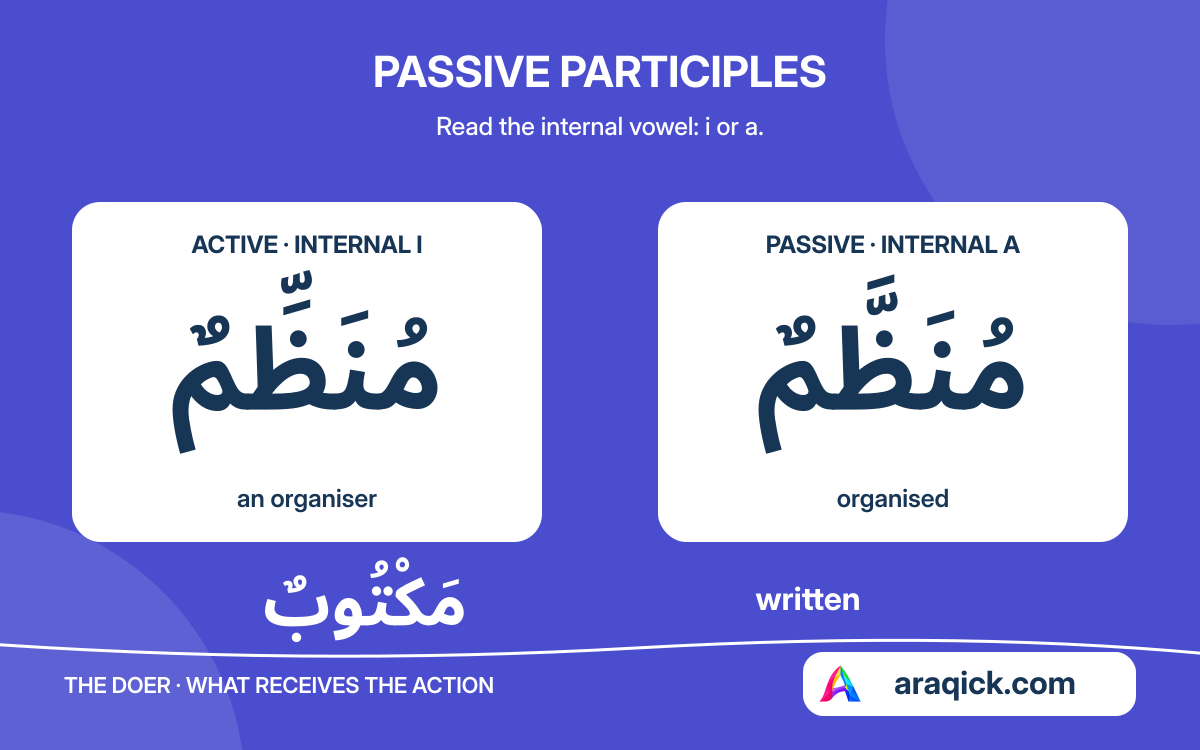
Arabic Passive Participles: Ism al-Maful Explained
الْمَوَاعِيدَ الْمَنْقُولَةَ
Follow the passive participle al-manqula to distinguish appointments actually copied from a list merely said to be ready.
Lakinna and Lakin in Arabic: Two Patterns for But
وَلَكِنَّهَا لَا تُعِيدُ إِلَيْنَا مَعْلُومَةً لَمْ نَعُدْ نَمْلِكُ سَنَدَهَا
Use lakinna with an attached pronoun to qualify what a remedy changes while preserving what it cannot establish.