Author Nadir, translator Salma and publisher Marwa compare a fictional narrator’s uncertain memories with a smoother English draft. A repeated qualification and a deliberate gap carry the voice, while an accidental name error and an overstated back-cover claim require separate corrections.
01Read the Arabic conversation
الْحِفَاظُ عَلَى صَوْتِ الْمُؤَلِّفِ فِي التَّرْجَمَةِ
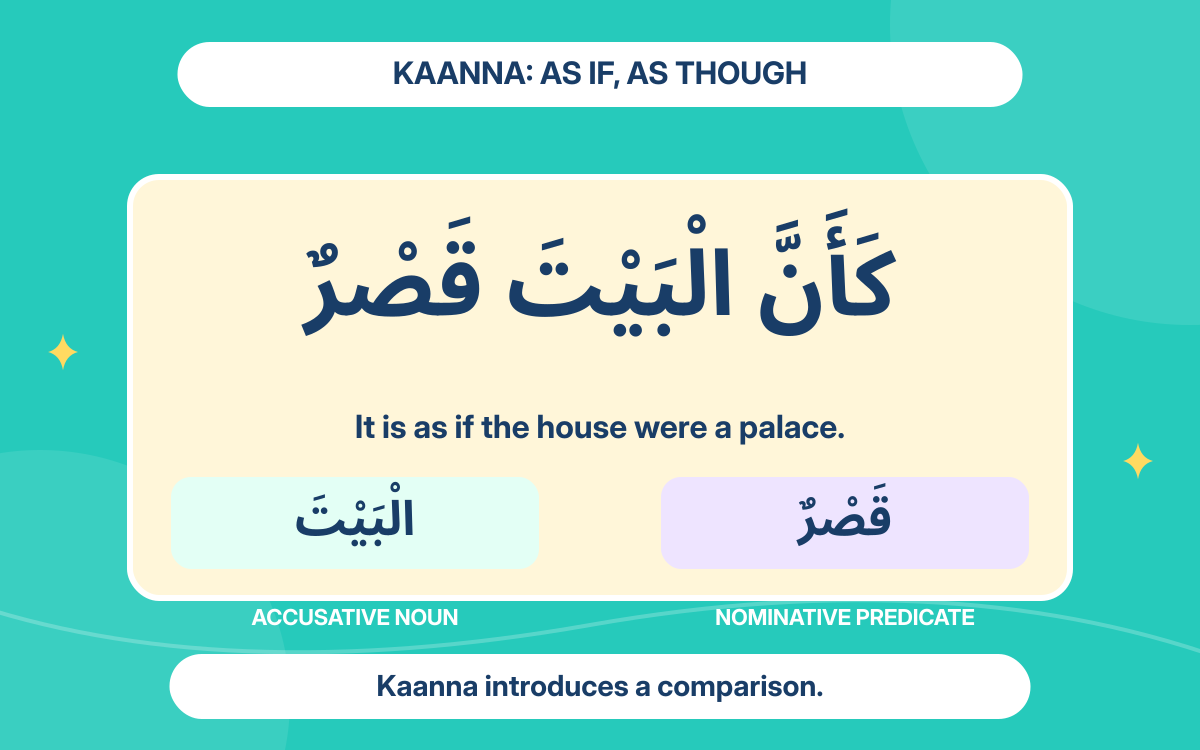
نَادِرٌ: فِي هَذِهِ الرِّوَايَةِ التَّخَيُّلِيَّةِ يَعُودُ رَاوٍ إِلَى بَيْتٍ فِي بَلْدَةٍ مُخْتَلَقَةٍ. قَرَأْتُ مُسَوَّدَةَ التَّرْجَمَةِ الْإِنْجِلِيزِيَّةِ، وَوَجَدْتُ الْأَحْدَاثَ نَفْسَهَا تَقْرِيبًا، لَكِنَّ الرَّاوِي يَبْدُو أَكْثَرَ يَقِينًا. كَأَنَّ شَخْصًا آخَرَ يَرْوِي الْحِكَايَةَ.
سَلْمَى: خَفَّفْتُ بَعْضَ التَّكْرَارِ، وَوَصَلْتُ الْجُمَلَ الْقَصِيرَةَ. ظَنَنْتُ أَنَّنِي أُيَسِّرُ الْقِرَاءَةَ دُونَ تَغْيِيرِ الْحِكَايَةِ. لَكِنَّنِي أَرَى الْآنَ أَنَّ الْحِكَايَةَ لَا تَتَكَوَّنُ مِنَ الْأَحْدَاثِ وَحْدَهَا؛ طَرِيقَةُ نِسْبَتِهَا إِلَى الذَّاكِرَةِ جُزْءٌ مِنْهَا.
مَرْوَةُ: أَتَفَهَّمُ هَذَا، لَكِنَّنِي أَخْشَى أَنْ يَتُوهَ الْقَارِئُ بَيْنَ التَّحَفُّظَاتِ. نَحْتَاجُ إِلَى أَسْمَاءَ ثَابِتَةٍ وَمَوَاضِعَ نَعْرِفُهَا، حَتَّى يَكُونَ لِلشَّكِّ مَعْنًى. لَا أَطْلُبُ رَاوِيًا يَعْرِفُ كُلَّ شَيْءٍ، بَلْ طَرِيقًا يَسْتَطِيعُ الْقَارِئُ مُتَابَعَتَهُ.
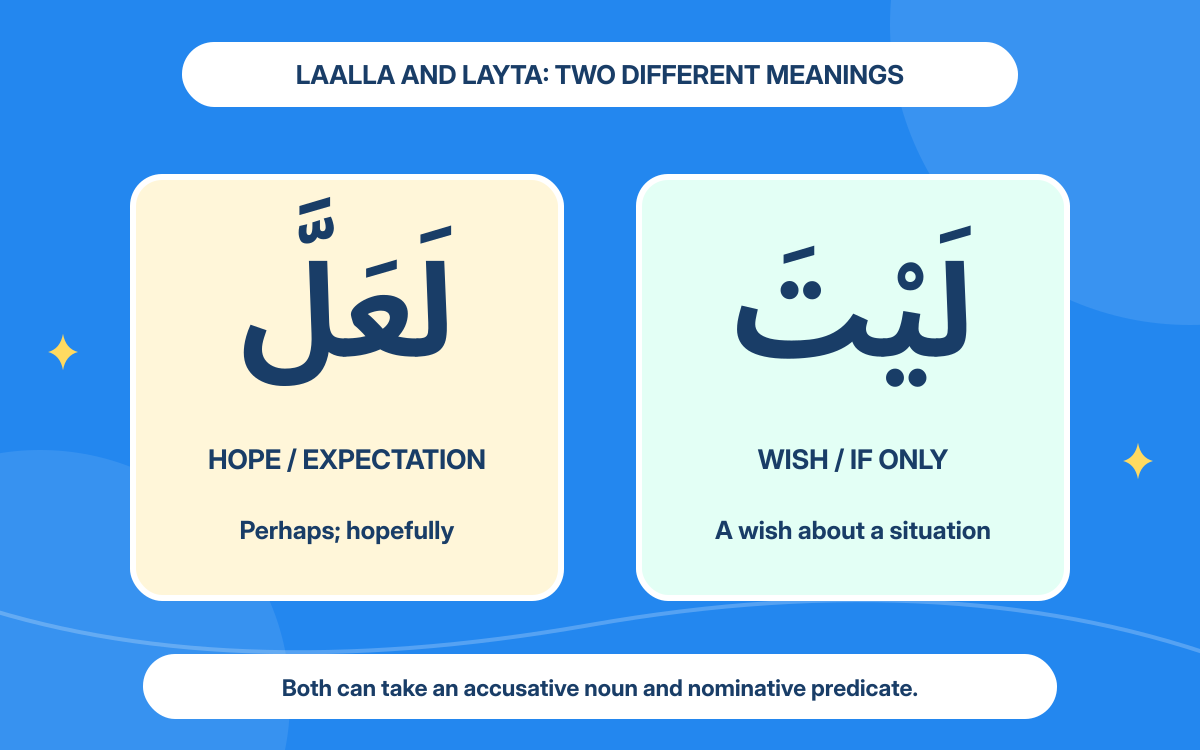
نَادِرٌ: عِنْدَ وَصْفِ الْبَابِ يَقُولُ الرَّاوِي: لَعَلِّي أَذْكُرُهُ كَذَلِكَ، لَا كَمَا كَانَ. وَتَعُودُ الْعِبَارَةُ فِي نِهَايَةِ الْفَصْلِ الْأَوَّلِ. هِيَ لَا تَعْنِي أَنَّهُ نَسِيَ الْبَابَ، بَلْ أَنَّهُ يَشُكُّ فِي مُطَابَقَةِ الصُّورَةِ الْحَاضِرَةِ لِلْمَاضِي.
سَلْمَى: فِي مُسَوَّدَتِي صَارَ مَعْنَاهَا: أَذْكُرُ الْبَابَ كَمَا كَانَ. حَذَفْتُ لَعَلِّي وَالنَّفْيَ، فَحَوَّلْتُ التَّحَفُّظَ إِلَى تَأْكِيدٍ. هَذَا لَيْسَ تَبْدِيلًا فِي الْإِيقَاعِ فَقَطْ؛ إِنَّهُ يَجْعَلُ الرَّاوِي يَدَّعِي دِقَّةً لَمْ يَدَّعِهَا فِي النَّصِّ.
مَرْوَةُ: إِذَنْ سَنُعِيدُ هَذَا الْحَدَّ، لَكِنْ هَلْ يَجِبُ أَنْ تَبْقَى الْعِبَارَةُ نَفْسُهَا فِي الْمَوْضِعَيْنِ؟ قَدْ يَظُنُّ قَارِئٌ أَنَّنَا لَمْ نُرَاجِعِ التَّكْرَارَ. أُرِيدُ أَنْ أَفْهَمَ مَا يَفْعَلُهُ رُجُوعُهَا، قَبْلَ أَنْ أَعُدَّهُ جُزْءًا مِنَ الصَّوْتِ.
نَادِرٌ: فِي الْمَوْضِعِ الْأَوَّلِ تُقَاطِعُ ثِقَتَهُ بِاللَّوْنِ، وَفِي الثَّانِي تُقَاطِعُ رِوَايَتَهُ عَنْ سَبَبِ رُجُوعِهِ. التَّكْرَارُ يَرْبِطُ الشَّكَّ فِي الصُّورَةِ بِالشَّكِّ فِي تَفْسِيرِ نَفْسِهِ. لَا أُرِيدُ أَنْ نُضِيفَهَا إِلَى كُلِّ صَفْحَةٍ.
سَلْمَى: سَأَخْتَارُ لَهَا صِيَاغَةً إِنْجِلِيزِيَّةً وَاحِدَةً تَحْتَفِظُ بِالِاحْتِمَالِ وَالْمُقَابَلَةِ، وَأُكَرِّرُهَا فِي الْمَوْضِعَيْنِ. لَنْ أَسْتَبْدِلَ التَّكْرَارَ بِعِبَارَتَيْنِ أَنْعَمَ لِمُجَرَّدِ التَّنْوِيعِ. أَمَّا الْجُمَلُ الْمُحِيطَةُ فَيُمْكِنُ أَنْ تَخْتَلِفَ بِحَسَبِ حَرَكَةِ كُلِّ مَشْهَدٍ.
مَرْوَةُ: هَذَا يَجْعَلُ التَّكْرَارَ اخْتِيَارًا مَفْهُومًا، لَا قَاعِدَةً تَمْنَعُ كُلَّ تَعْدِيلٍ. لَكِنَّ الْوَقَفَاتِ الْمُتَقَطِّعَةَ مَا زَالَتْ تُقْلِقُنِي؛ فِي إِحْدَاهَا يَصِلُ الرَّاوِي إِلَى الْبَابِ، ثُمَّ يَتَوَقَّفُ الْكَلَامُ دُونَ أَنْ نَعْرِفَ هَلْ دَخَلَ.
نَادِرٌ: النَّصُّ هُوَ: وَصَلْتُ إِلَى الْبَابِ. ثُمَّ... لَا أَعْرِفُ مَا حَدَثَ بَعْدَ ذَلِكَ. الْفَرَاغُ مَقْصُودٌ هُنَا؛ هُوَ يَتَوَقَّفُ عِنْدَ حَدِّ ذَاكِرَتِهِ. إِذَا كَتَبْنَا أَنَّهُ دَخَلَ، فَقَدْ أَضَفْنَا حَدَثًا لَا يُثْبِتُهُ هَذَا الْمَوْضِعُ.
سَلْمَى: وَصَلْتُ الْجُمْلَتَيْنِ بِالدُّخُولِ. كُنْتُ أَتْبَعُ مَا تَوَقَّعْتُهُ مِنَ الْمَشْهَدِ، لَا مَا أَثْبَتَهُ الرَّاوِي. سَأَحْذِفُ هَذِهِ الْإِضَافَةَ، وَأُبْقِي انْقِطَاعًا مَفْهُومًا، دُونَ أَنْ أَجْعَلَ الْفَرَاغَ وَعْدًا بِسِرٍّ سَيُكْشَفُ لَاحِقًا.
مَرْوَةُ: لَا أُصِرُّ عَلَى الدُّخُولِ، وَلَكِنْ أُرِيدُ أَنْ نُفَرِّقَ بَيْنَ فَرَاغٍ مَقْصُودٍ وَنَقْصٍ فِي النُّسْخَةِ. هُنَاكَ جَارٌ يُسَمَّى عَادِلًا، ثُمَّ يَظْهَرُ اسْمُ عَابِدٍ فِي مَوْضِعٍ وَاحِدٍ. أَهَذَا أَيْضًا مِنْ تَرَدُّدِ الرَّاوِي؟
نَادِرٌ: لَا، هَذَا خَطَأٌ مِنْ مُسَوَّدَةٍ سَابِقَةٍ، وَالْمَقْصُودُ عَادِلٌ فِي الْمَوْضِعَيْنِ. سَأُصَحِّحُ الِاسْمَ فِي النَّصِّ الْعَرَبِيِّ أَيْضًا. الدِّفَاعُ عَنِ الصَّوْتِ لَا يُلْزِمُنِي بِالدِّفَاعِ عَنْ كُلِّ تَفْصِيلٍ، وَلَا يُحَوِّلُ الْخَطَأَ إِلَى قَصْدٍ.
سَلْمَى: سَأُثْبِتُ هَذَا التَّصْحِيحَ فِي سِجِلِّ الْمُرَاجَعَةِ، مُنْفَصِلًا عَنْ إِعَادَةِ التَّحَفُّظِ وَالْوَقْفَةِ. الْأَوَّلُ يُعَالِجُ خَطَأً فِي تَعْيِينِ الشَّخْصِيَّةِ، وَالْآخَرَانِ يَسْتَعِيدَانِ طَرِيقَةَ الرَّاوِي فِي الْكَلَامِ. جَمْعُهَا تَحْتَ كَلِمَةِ التَّنْقِيحِ يُخْفِي فَرْقًا مُهِمًّا.
مَرْوَةُ: إِذَا اِحْتَاجَتِ الْجُمْلَةُ الْإِنْجِلِيزِيَّةُ إِلَى تَرْتِيبٍ آخَرَ لِتُفْهَمَ، فَهَلْ يُمْكِنُ تَغْيِيرُهُ؟ أَخْشَى أَنْ نَحْمِيَ الصَّوْتَ بِشَكْلٍ يَجْعَلُهُ أَصْعَبَ مِمَّا كَانَ.
نَادِرٌ: يُمْكِنُ تَغْيِيرُ التَّرْتِيبِ حَيْثُ يَبْقَى مَوْضِعُ الشَّكِّ وَاضِحًا. لَا أَطْلُبُ أَنْ تَتَعَثَّرَ الْجُمْلَةُ الْإِنْجِلِيزِيَّةُ حَيْثُ لَا تَتَعَثَّرُ الْعَرَبِيَّةُ. لَكِنَّ تَسْهِيلَ الْعِبَارَةِ لَا يَعْنِي تَحْوِيلَ صَوْتٍ يَفْحَصُ ذَاكِرَتَهُ إِلَى صَوْتٍ يَشْهَدُ بِصِحَّتِهَا.
سَلْمَى: سَأُرَاجِعُ الْجُمَلَ عَلَى هَذَا الْأَسَاسِ: مَا الَّذِي يَعْرِفُهُ الرَّاوِي، وَمَا الَّذِي يَسْتَنْتِجُهُ، وَأَيْنَ يَتَوَقَّفُ؟ هَذَا أَفْضَلُ مِنْ تَقْسِيمِ الْجُمَلِ إِلَى رَكِيكَةٍ وَمَصْقُولَةٍ فَقَطْ. قَدْ تَكُونُ جُمْلَةٌ مَصْقُولَةٌ وَاضِحَةً فِي نِسْبَةِ الشَّكِّ أَيْضًا.
مَرْوَةُ: يَبْقَى نَصُّ الْغِلَافِ الْخَلْفِيِّ. كَتَبْنَا: رِوَايَةٌ تُعِيدُ الْمَاضِي كَمَا كَانَ، وَأَرَى أَنَّ الْعِبَارَةَ تَعِدُ بِمَا لَا تَعِدُ بِهِ الرِّوَايَةُ. كُنْتُ أُرِيدُ وَصْفًا قَوِيًّا، لَكِنَّهُ يُهَيِّئُ الْقَارِئَ لِرَاوٍ يَحْسِمُ مَا يَتْرُكُهُ النَّصُّ مَفْتُوحًا.
نَادِرٌ: لَا يَنْبَغِي تَغْيِيرُ الرَّاوِي لِيُوَافِقَ الْغِلَافَ. يُمْكِنُ أَنْ نَكْتُبَ: رِوَايَةٌ تَتَتَبَّعُ رَاوِيًا يُعِيدُ فَحْصَ مَا يَذْكُرُهُ. هَذَا يَصِفُ حَرَكَةً فِي الْكِتَابِ، وَلَا يُمْلِي عَلَى الْقَارِئِ أَنْ يَثِقَ بِالرَّاوِي أَوْ يَعُدَّهُ كَاذِبًا.
سَلْمَى: وَسَأُتَرْجِمُ الْوَصْفَ الْجَدِيدَ مُنْفَصِلًا عَنْ مَتْنِ الرِّوَايَةِ. لَنْ أُضِيفَهُ كَتَفْسِيرٍ عَلَى لِسَانِ الرَّاوِي، وَلَنْ أَجْعَلَ الْعِبَارَةَ الْمُتَكَرِّرَةَ شَرْحًا لِمَقْصِدِ الْمُؤَلِّفِ. الْغِلَافُ يُقَدِّمُ الْكِتَابَ، أَمَّا الصَّوْتُ فَيَعْمَلُ دَاخِلَ الْحِكَايَةِ.
مَرْوَةُ: أَقْبَلُ الْوَصْفَ الْجَدِيدَ، وَإِنْ كُنْتُ أُفَضِّلُ جُمْلَةً أَسْرَعَ وَأَشَدَّ وَقْعًا. لَكِنْ هَلْ يَكْفِي هَذَا لِنَقُولَ إِنَّ الْقَارِئَ الْجَدِيدَ سَيَفْهَمُ التَّرَدُّدَ كَمَا فَهِمَهُ قَارِئُ النَّصِّ الْعَرَبِيِّ؟
نَادِرٌ: لَا نَعْرِفُ أَنَّ قُرَّاءَ الْعَرَبِيَّةِ فَهِمُوهُ بِطَرِيقَةٍ وَاحِدَةٍ أَصْلًا. مَا نَسْتَطِيعُ الْحِفَاظَ عَلَيْهِ هُوَ الدَّلِيلُ الَّذِي يَجْعَلُ التَّرَدُّدَ مَقْرُوءًا، لَا نَتِيجَةُ قِرَاءَةٍ مَضْمُونَةٌ. وَقَدْ يَظَلُّ بَعْضُهُمْ يَضِيقُ بِالرَّاوِي، مَعَ فَهْمِ طَرِيقَتِهِ.
سَلْمَى: إِذَنْ لَنْ أَتَّخِذَ انْزِعَاجَ قَارِئٍ دَلِيلًا كَافِيًا عَلَى فَشَلِ التَّرْجَمَةِ، وَلَنْ أَتَجَاهَلَهُ أَيْضًا. سَأَسْأَلُ عَمَّا قَرَأَهُ فِي الْعِبَارَةِ: هَلْ وَجَدَ تَحَفُّظًا أَمْ تَأْكِيدًا؟ هَذَا يَفْحَصُ الْمَعْنَى، دُونَ أَنْ يَطْلُبَ مِنْهُ إِعْجَابًا.
مَرْوَةُ: سَنُرَاجِعُ النُّسْخَةَ الْجَدِيدَةَ عِنْدَ وَصْفِ الْبَابِ وَعِنْدَ عَوْدَةِ الْعِبَارَةِ وَعِنْدَ الْفَرَاغِ. وَسَأَفْحَصُ ثَبَاتَ الِاسْمِ وَنَصَّ الْغِلَافِ. لَا أُرِيدُ أَنْ يُخْفِيَ قَبُولُ الْفِكْرَةِ خَطَأً فِي التَّنْفِيذِ لَمْ نَرَهُ بَعْدُ.
نَادِرٌ: وَسَأَفْحَصُ أَنَّ الرَّاوِي مَا زَالَ يُرَاجِعُ صُوَرَتَهُ، لَا أَنَّ كُلَّ فَاصِلَةٍ بَقِيَتْ فِي مَكَانِهَا. أَقْبَلُ تَغْيِيرًا يُسَهِّلُ وَصْفَ الْمَكَانِ، وَأَتَحَفَّظُ عَلَى تَغْيِيرٍ يُنْهِي تَرَدُّدَهُ. لَيْسَ كُلُّ وُضُوحٍ مِنَ النَّوْعِ نَفْسِهِ.
سَلْمَى: سَأُرْسِلُ النُّسْخَةَ الْمُعَدَّلَةَ مَعَ سِجِلٍّ يَفْصِلُ تَصْحِيحَ الِاسْمِ عَنْ اسْتِعَادَةِ الصَّوْتِ وَتَغْيِيرِ الْغِلَافِ. الْعِبَارَةُ الْمُتَكَرِّرَةُ وَالْفَرَاغُ سَيَبْقَيَانِ بِوَظِيفَتِهِمَا، لَا كَعَلَامَتَيْنِ عَلَى الْإِهْمَالِ.
مَرْوَةُ: وَسَنَعْتَمِدُ نَصَّ الْغِلَافِ الْجَدِيدَ بَعْدَ فَحْصِ تَرْجَمَتِهِ. مَا زِلْتُ أُفَضِّلُ إِيقَاعًا أَقَلَّ تَقَطُّعًا، لَكِنَّنِي أَقْبَلُ أَنْ يَبْقَى هَذَا التَّقَطُّعُ حَيْثُ يَحْمِلُ مَعْنًى. نُرِيدُ أَنْ يُسْمَعَ هَذَا الرَّاوِي، وَلَا نَعِدُ بِأَنْ يُحِبَّهُ كُلُّ قَارِئٍ.
Show English translationHide English translation
Nadir — author: In this fictional novel a narrator returns to a house in an invented town. I read the draft English translation and found almost the same events, but the narrator seems more certain. It is as though another person were telling the story.
Salma — translator: I reduced some repetition and connected the short sentences. I thought I was making reading easier without changing the story. But I now see that the story does not consist of events alone; the way they are attributed to memory is part of it.
Marwa — publisher: I understand that, but fear the reader may get lost among the qualifications. We need stable names and identifiable places so that the doubt means something. I am not asking for an all-knowing narrator, but for a path the reader can follow.
Nadir — author: When describing the door the narrator says: Perhaps I remember it that way, not as it was. The formulation returns at the end of the first chapter. It does not mean he has forgotten the door, but that he doubts whether the present image matches the past.
Salma — translator: In my draft it came to mean I remember the door as it was. I removed perhaps and the negation, turning qualification into assertion. This is not just a change in rhythm; it makes the narrator claim an accuracy he did not claim in the text.
Marwa — publisher: Then we will restore that limitation, but must the same formulation remain in both places? A reader might think we failed to review the repetition. I want to understand what its return does before regarding it as part of the voice.
Nadir — author: In the first place it interrupts his confidence about the colour, and in the second it interrupts his account of why he returned. The repetition connects doubt about the image with doubt about his own explanation. I do not want us to add it to every page.
Salma — translator: I will choose one English formulation that retains possibility and contrast, and repeat it in both places. I will not replace the repetition with two smoother formulations merely for variation. The surrounding sentences can differ according to the movement of each scene.
Marwa — publisher: That makes the repetition an intelligible choice rather than a rule preventing every revision. But the broken pauses still concern me; in one of them the narrator reaches the door, then the speech stops without our knowing whether he entered.
Nadir — author: The text is: I reached the door. Then... I do not know what happened after that. The gap is deliberate here; he stops at the boundary of his memory. If we write that he entered, we have added an event this passage does not establish.
Salma — translator: I connected the two sentences by adding entry. I was following what I expected from the scene, not what the narrator established. I will remove that addition and retain an intelligible break, without making the gap a promise of a secret to be revealed later.
Marwa — publisher: I do not insist on entry, but want us to distinguish a deliberate gap from an omission in the copy. There is a neighbour called Adel, then the name Abid appears in one place. Is that also part of the narrator’s hesitation?
Nadir — author: No, that is an error from an earlier draft, and Adel is intended in both places. I will correct the name in the Arabic text too. Defending the voice does not require me to defend every detail, nor does it turn an error into an intention.
Salma — translator: I will record that correction in the revision log separately from restoring the qualification and pause. The first addresses an error in identifying the character; the other two recover the narrator’s manner of speech. Grouping them under editing conceals an important difference.
Marwa — publisher: If the English sentence needs a different order to be understood, can it be changed? I fear we might protect the voice in a way that makes it more difficult than it was.
Nadir — author: The order can change where the location of the doubt remains clear. I do not ask the English sentence to stumble where the Arabic does not. But making the expression easier does not mean transforming a voice examining its memory into one attesting to its accuracy.
Salma — translator: I will review the sentences on that basis: what does the narrator know, what does he infer, and where does he stop? That is better than dividing sentences only into awkward and polished. A polished sentence can also make the attribution of doubt clear.
Marwa — publisher: The back-cover text remains. We wrote A Novel That Restores the Past as It Was, and I see that the phrase promises something the novel does not. I wanted a strong description, but it prepares the reader for a narrator who settles what the text leaves open.
Nadir — author: The narrator should not be changed to fit the cover. We could write A Novel Following a Narrator Who Re-examines What He Remembers. This describes a movement in the book without instructing the reader to trust the narrator or regard him as a liar.
Salma — translator: I will translate the new description separately from the novel’s main text. I will not add it as an explanation in the narrator’s mouth, or make the recurring formulation an explanation of the author’s intention. The cover introduces the book; the voice operates within the story.
Marwa — publisher: I accept the new description, although I would prefer a quicker, more forceful sentence. But is that enough to say the new reader will understand the hesitation as a reader of the Arabic text understood it?
Nadir — author: We do not know that Arabic readers understood it in one way in the first place. What we can preserve is the evidence that makes the hesitation readable, not a guaranteed reading outcome. Some may still find the narrator tiresome while understanding his manner.
Salma — translator: Then I will not treat a reader’s irritation as sufficient evidence that the translation failed, and will not ignore it either. I will ask what they read in the formulation: did they find qualification or assertion? This examines meaning without asking them to admire it.
Marwa — publisher: We will review the new version at the door description, the formulation’s return and the gap. I will examine consistency of the name and the cover text. I do not want acceptance of the idea to conceal an execution error we have not yet seen.
Nadir — author: I will check that the narrator still reconsiders his image, rather than that every comma stayed in place. I accept a change making the place description easier and reserve judgement on a change ending his hesitation. Not all clarity is of the same kind.
Salma — translator: I will send the revised version with a log distinguishing the name correction from restoring the voice and changing the cover. The recurring formulation and gap will retain their functions, rather than stand as two marks of neglect.
Marwa — publisher: We will adopt the new cover text after checking its translation. I still prefer a less broken rhythm, but accept retaining this brokenness where it carries meaning. We want this narrator to be heard, and do not promise that every reader will like him.
02Useful words and expressions
| Arabic in the conversation | Meaning here |
|---|---|
| أَكْثَرَ يَقِينًا | more certain |
| بَيْنَ التَّحَفُّظَاتِ | among the qualifications |
| لَعَلِّي أَذْكُرُهُ كَذَلِكَ | perhaps I remember it that way |
| مُطَابَقَةِ الصُّورَةِ الْحَاضِرَةِ لِلْمَاضِي | the present image’s matching the past |
| بِحَسَبِ حَرَكَةِ كُلِّ مَشْهَدٍ | according to the movement of each scene |
| الْوَقَفَاتِ الْمُتَقَطِّعَةَ | the broken pauses |
| عِنْدَ حَدِّ ذَاكِرَتِهِ | at the boundary of his memory |
| وَعْدًا بِسِرٍّ | a promise of a secret |
| فِي تَعْيِينِ الشَّخْصِيَّةِ | in identifying the character |
| رَكِيكَةٍ وَمَصْقُولَةٍ | awkward and polished |
| الْغِلَافِ الْخَلْفِيِّ | the back cover |
| نَتِيجَةُ قِرَاءَةٍ مَضْمُونَةٌ | a guaranteed reading outcome |
03Check your understanding
Choose one answer for each question. Look back at the Arabic conversation for evidence. Open the English question support or a hint when you need help.
What to remember
- Follow how removing a qualification and a negation changes the narrator’s claim to accuracy.
- Distinguish a purposeful repetition or gap from a confirmed accidental character-name error.
- Preserve interpretable uncertainty while revising a separate promotional overclaim and leaving reader approval open.
Explore the Arabic in this conversation
Related grammar and vocabularyOpen Araqick guides connected to this conversation.
Kaanna in Arabic: As If and As Though
كَأَنَّ شَخْصًا آخَرَ يَرْوِي الْحِكَايَةَ
Use kaanna to describe the apparent change of narrator caused by excessive certainty.
Lakinna and Lakin in Arabic: Two Patterns for But
لَكِنَّ تَسْهِيلَ الْعِبَارَةِ لَا يَعْنِي تَحْوِيلَ صَوْتٍ يَفْحَصُ ذَاكِرَتَهُ إِلَى صَوْتٍ يَشْهَدُ بِصِحَّتِهَا
Use governing lakinna to distinguish ease of expression from a change in the voice’s claim to knowledge.
Laalla and Layta in Arabic: Hope and If Only
لَعَلِّي أَذْكُرُهُ كَذَلِكَ، لَا كَمَا كَانَ
Use laalla with an attached pronoun to qualify the narrator’s present act of remembering.