A satirist, critic, translator and moderator revise a fictional office scene whose award application requires a certificate obtainable only after that application is accepted. One invented reader initially sees a joke about a worker; the group examines what the text supports without assigning a reaction to a whole culture.
01Read the Arabic conversation
تَفْسِيرُ السُّخْرِيَةِ عَبْرَ الثَّقَافَاتِ
رَامِي: كَتَبْتُ مَشْهَدًا عَنْ مَكْتَبٍ مُتَخَيَّلٍ يَمْنَحُ جَائِزَةً لِتَبْسِيطِ الْإِجْرَاءَاتِ. يَشْتَرِطُ طَلَبُ التَّرْشِيحِ شَهَادَةَ أَهْلِيَّةٍ، وَلَا تُصْدَرُ الشَّهَادَةُ إِلَّا بَعْدَ قَبُولِ الطَّلَبِ. تَقِفُ الْمُوَظَّفَةُ هَنَاءُ بَيْنَ وَرَقَتَيْنِ، وَالْمُدِيرُ يَمْدَحُ سُهُولَةَ الْمَسَارِ.
سَلْمَى: فِي الْمَشْهَدِ تُقَلِّبُ هَنَاءُ الْوَرَقَتَيْنِ وَتَصْمُتُ طَوِيلًا. قَرَأَتْهُ نُورَا، وَهِيَ قَارِئَةٌ مُتَخَيَّلَةٌ لَا تَعْرِفُ سِيَاقَهُ، فَظَنَّتْ أَنَّ النُّكْتَةَ عَنْ مُوَظَّفَةٍ عَاجِزَةٍ عَنِ اتِّخَاذِ قَرَارٍ. لِقِرَاءَتِهَا سَنَدٌ فِي طُولِ الصَّمْتِ، وَإِنْ خَالَفَتْ قَصْدَكَ.
نَدِيمٌ: الْمُشْكِلَةُ عِنْدِي أَنَّ اسْمَ الشَّهَادَةِ يَبْدُو فِي اللُّغَةِ الْمَنْقُولِ إِلَيْهَا كَوَرَقَةٍ يَمْلَؤُهَا الْمُتَقَدِّمُ. لَكِنَّ الْمَكْتَبَ هُوَ الَّذِي يُصْدِرُهَا فِي حِكَايَتِكَ. إِذَا ضَاعَ هَذَا الْفَرْقُ، بَدَا الْعَائِقُ إِهْمَالًا فِي مَلْءِ اسْتِمَارَةٍ.
هُدَى: لِنَفْصِلْ بَيْنَ ثَلَاثَةِ أَسْئِلَةٍ: مَنْ تَقْصِدُ بِالسُّخْرِيَةِ، وَمَا الَّذِي يَجْعَلُهُ النَّصُّ مَرْئِيًّا، وَكَيْفَ قَرَأَتْهُ نُورَا؟ لَا تُثْبِتُ قِرَاءَتُهَا رَدَّ فِعْلِ جُمْهُورٍ بِأَكْمَلِهِ، لَكِنَّهَا تَكْشِفُ مَوْضِعًا يَحْتَاجُ إِلَى النَّظَرِ.
رَامِي: إِنَّمَا أَسْخَرُ مِنْ قَاعِدَةٍ تَمْنَعُ نَفْسَهَا مِنَ الْعَمَلِ. قَوْلُ الْمُدِيرِ هُوَ: لَمْ نُؤَخِّرْ طَلَبًا وَاحِدًا، لِأَنَّنَا لَمْ نَتَلَقَّ طَلَبًا مَكْتَمِلًا. هُوَ يَجْعَلُ غِيَابَ الطَّلَبَاتِ دَلِيلًا عَلَى نَجَاحِهِ، مَعَ أَنَّ شَرْطَهُ يَمْنَعُ اكْتِمَالَهَا.
سَلْمَى: هَذَا يَجْعَلُ الْمُدِيرَ هَدَفًا وَاضِحًا، لَكِنَّ هَنَاءَ تَحْمِلُ الْمَشْهَدَ بِجَسَدِهَا وَصَمْتِهَا. قَصْدُكَ لَا يَمْحُو هَذَا التَّوْزِيعَ. أُفَضِّلُ أَنْ تَنْطِقَ بِمَا رَأَتْهُ، دُونَ أَنْ تَتَحَوَّلَ إِلَى شَارِحَةٍ لِلْجُمْهُورِ تَقُولُ لَهُ عَلَامَ يَضْحَكُ.
نَدِيمٌ: يُمْكِنُنِي تَحْدِيدُ الشَّهَادَةِ بِأَنَّهَا صَادِرَةٌ عَنِ الْمَكْتَبِ فِي أَوَّلِ ذِكْرٍ لَهَا. هَذَا يُوَضِّحُ مَصْدَرَهَا، وَلَا يَقُولُ إِنَّ الْإِجْرَاءَ سَخِيفٌ. أَمَّا نَقْلُ الْمَشْهَدِ إِلَى مَتْجَرٍ فَيُغَيِّرُ عَلَاقَةَ الْعَامِلِ بِالْقَاعِدَةِ الَّتِي لَا يَمْلِكُ تَغْيِيرَهَا.
هُدَى: مَا الَّذِي سَنَحْفَظُهُ إِذَنْ عِنْدَ تَغْيِيرِ اللُّغَةِ؟ لَيْسَ اسْمُ الْوَرَقَةِ وَحْدَهُ، بَلِ الْعَلَاقَةُ بَيْنَ شَرْطَيْنِ يَفْتَرِضُ كُلٌّ مِنْهُمَا تَحَقُّقَ الْآخَرِ. وَهَلْ تَسْمَحُ الصِّيَاغَةُ الْجَدِيدَةُ بِاكْتِشَافِ هَذِهِ الدَّائِرَةِ قَبْلَ تَعْلِيقِ الْمُدِيرِ؟
رَامِي: أُرِيدُ أَنْ يَسْبِقَ الِاكْتِشَافُ قَوْلَهُ. الْجُمْلَةُ تَبْدُو مَدْحًا لِلسُّرْعَةِ لِوَهْلَةٍ، ثُمَّ يُفْسِدُ تَعْلِيلُهَا الْمَدْحَ. إِذَا أَضَفْنَا وَصْفَ الْمُدِيرِ بِالْحُمُقِ، خَسِرْنَا هَذَا الِانْقِلَابَ، وَصَارَ الْحُكْمُ جَاهِزًا قَبْلَ أَنْ تَعْمَلَ الْجُمْلَةُ.
سَلْمَى: وَقَدْ يَبْقَى الْمَدْحُ عِنْدَ قَارِئٍ لَمْ يَرْبِطِ الشَّرْطَيْنِ. لَا أَطْلُبُ ضَمَانًا لِلْفَهْمِ، بَلْ قَرِينَةً كَافِيَةً لِلرَّبْطِ. فِي الْأَصْلِ تَبْدَأُ بِوَجْهِ هَنَاءَ الْمُتَجَهِّمِ؛ هَلْ نُقَدِّمُ الْقَاعِدَةَ الْمَكْتُوبَةَ عَلَى هَذَا الْوَصْفِ؟
نَدِيمٌ: أَسْتَطِيعُ فِعْلَ ذَلِكَ، لَكِنَّهُ تَعْدِيلٌ فِي تَرْتِيبِ الْمَشْهَدِ، لَا مُجَرَّدُ اخْتِيَارِ كَلِمَةٍ. وَأَقْتَرِحُ مَعَهُ عُنْوَانَ شَهَادَةٌ قَبْلَ الطَّلَبِ. الْعُنْوَانُ الْقَدِيمُ، مُوَظَّفَةٌ لَا تَعْرِفُ، يَجْعَلُ الْعَجْزَ صِفَةً لَهَنَاءَ قَبْلَ قِرَاءَةِ الْحِكَايَةِ.
هُدَى: لَا أُرِيدُ أَنْ يَمُرَّ تَغْيِيرُ التَّرْتِيبِ كَأَنَّهُ نَقْلٌ حَرْفِيٌّ. رَامِي، هَلْ تُوَافِقُ عَلَى تَعْدِيلِ النَّصِّ الْأَصْلِيِّ أَيْضًا؟ وَسَلْمَى، هَلْ يُزِيلُ الْعُنْوَانُ الْجَدِيدُ اعْتِرَاضَكِ، أَمْ يُضَيِّقُ مَوْضِعَهُ فَقَطْ؟
رَامِي: أُوَافِقُ عَلَى تَقْدِيمِ الْقَاعِدَةِ فِي النُّسْخَتَيْنِ وَعَلَى الْعُنْوَانِ الْجَدِيدِ. لَمْ أَقْصِدْ أَنْ يَحْكُمَ الْعُنْوَانُ عَلَى هَنَاءَ، لَكِنَّهُ فَعَلَ ذَلِكَ. أُضِيفُ لَهَا جُمْلَةً: أَحْتَاجُ إِلَى الطَّلَبِ لِأَحْصُلَ عَلَى مَا يَحْتَاجُ إِلَيْهِ الطَّلَبُ.
سَلْمَى: هَذِهِ الْجُمْلَةُ تَجْعَلُهَا تَرَى الْعَائِقَ؛ فَصَمْتُهَا بَعْدَهَا يَحْمِلُ مَعْنًى مُخْتَلِفًا. مَعَ ذَلِكَ، أَبْقَى مُتَحَفِّظَةً عَلَى إِطَالَةِ وَصْفِ حَرَكَتِهَا. قَدْ يَجْعَلُ الْإِيقَاعُ عَامِلَةً وَاحِدَةً مَوْضِعَ ضَحِكٍ، حَتَّى مَعَ وُضُوحِ الْقَاعِدَةِ الْمُسْتَحِيلَةِ.
نَدِيمٌ: سَأَحْفَظُ التَّكْرَارَ فِي جُمْلَتِهَا، لِأَنَّ عَوْدَةَ كَلِمَةِ الطَّلَبِ تَجْعَلُ الدَّائِرَةَ مَسْمُوعَةً. تَنْوِيعُ الْكَلِمَاتِ لِتَجْمِيلِ الْأُسْلُوبِ قَدْ يُخْفِي وَحْدَةَ الشَّيْءِ الْمَطْلُوبِ. وَسَأُبْقِي تَعْلِيقَ الْمُدِيرِ هَادِئًا، كَأَنَّهُ يَصِفُ إِنْجَازًا.
هُدَى: تُقَدِّمُونَ الْآنَ قَرَائِنَ فِي النَّصِّ، لَا وَصْفًا لِطَبِيعَةِ ثَقَافَةٍ. هَلْ نَحْتَاجُ إِلَى مُقَدِّمَةٍ خَارِجَ الْمَشْهَدِ أَيْضًا؟ يَهُمُّنِي أَنْ نَعْرِفَ مَا تُضِيفُهُ، وَهَلْ تُعَرِّفُ الْمَكَانَ أَمْ تَفْرِضُ تَفْسِيرًا عَلَى الْقَارِئِ.
رَامِي: لَا أَقْبَلُ مُقَدِّمَةً تَقُولُ إِنَّ الْمُوَظَّفِينَ ضَحَايَا وَالْمُدِيرَ شَرِيرٌ. هَذَا يَخْتَصِرُ الْقِرَاءَةَ فِي حُكْمٍ. أَقْبَلُ سَطْرًا يُعَرِّفُ الْمَكْتَبَ الْمُتَخَيَّلَ وَجَائِزَتَهُ، وَيَتْرُكُ الْمَشْهَدَ يَكْشِفُ التَّنَاقُضَ الَّذِي يَقُومُ عَلَيْهِ.
سَلْمَى: أُوَافِقُ عَلَى هَذَا الْحَدِّ، وَأُفَضِّلُهُ عَلَى اسْتِبْدَالِ الْمَكْتَبِ بِمَكَانٍ نَظُنُّهُ مَأْلُوفًا لِلْقَارِئِ. الْأُلْفَةُ الْمُفْتَرَضَةُ لَا تَضْمَنُ الْقِرَاءَةَ، وَقَدْ نُنْشِئُ بِهَا هَدَفًا آخَرَ لِلسُّخْرِيَةِ. وَسَأُبْقِي سُؤَالَ الْإِيقَاعِ فِي تَعْلِيقِي النَّقْدِيِّ.
نَدِيمٌ: سَيَكُونُ السَّطْرُ: فِي مَكْتَبٍ مُتَخَيَّلٍ لِجَائِزَةِ تَبْسِيطِ الْإِجْرَاءَاتِ. ثُمَّ نَقْرَأُ الشَّرْطَيْنِ الْمَكْتُوبَيْنِ، فَجُمْلَةَ هَنَاءَ، فَتَعْلِيقَ الْمُدِيرِ. لَا أُضِيفُ اسْمَ بَلَدٍ، وَلَا أُنْسِبُ الْعَادَةَ إِلَى مُجْتَمَعٍ حَقِيقِيٍّ؛ الْعَالَمُ هُنَا مِنْ صُنْعِ الْحِكَايَةِ.
هُدَى: هَلْ نَسْتَطِيعُ الْقَوْلَ إِنَّ هَذِهِ التَّعْدِيلَاتِ سَتَمْنَعُ قِرَاءَةَ نُورَا؟ أَرَى أَنَّهَا تُغَيِّرُ الْأَدِلَّةَ الْمُتَاحَةَ لَهَا، لَا أَنَّهَا تُحَدِّدُ اسْتِجَابَتَهَا مُسْبَقًا. وَيَجِبُ أَلَّا نَنْقُلَ اسْمَهَا إِلَى تَعْمِيمٍ عَنْ قُرَّاءٍ لَمْ نَسْمَعْهُمْ.
رَامِي: لَا أَسْتَطِيعُ وَعْدَكُمْ بِرَدِّهَا. أَسْتَطِيعُ أَنْ أُحَاسَبَ عَلَى النَّصِّ الَّذِي أَضَعُهُ أَمَامَهَا. سَأَقْصُرُ وَصْفَ الْحَرَكَةِ عَلَى قَلْبِ الْوَرَقَتَيْنِ مَرَّةً، لَا لِأَنَّ كُلَّ قَارِئٍ سَيَفْهَمُ، بَلْ لِأَنَّ الْإِطَالَةَ لَا تَخْدِمُ الْعَائِقَ الَّذِي أَقْصِدُهُ.
سَلْمَى: هَذَا يُجِيبُ عَنِ اعْتِرَاضِي عَلَى الْإِطَالَةِ، وَلَا يُلْزِمُنِي بِمَدْحِ كُلِّ مَا فِي الْمَشْهَدِ. سَأَذْكُرُ أَنَّ الْمُوَظَّفَةَ صَارَتْ تُسَمِّي التَّنَاقُضَ، وَأَنَّ الْعُنْوَانَ لَمْ يَعُدْ يَصِفُهَا بِالْعَجْزِ. هَذَا تَحَوُّلٌ يُمْكِنُ تَعْيِينُهُ فِي النَّصِّ.
نَدِيمٌ: سَأَطْلُبُ مِنْ نُورَا قِرَاءَةَ النُّسْخَةِ الْجَدِيدَةِ وَوَصْفَ مَا فَهِمَتْهُ قَبْلَ أَنْ أَسْأَلَهَا عَنْ قَصْدِ الْكَاتِبِ. إِذَا بَدَأْتُ بِشَرْحِهِ، لَمْ تَعُدْ إِجَابَتُهَا قِرَاءَةً لِلنَّصِّ وَحْدَهُ. لَنْ أُسَمِّيَ هَذِهِ الْقِرَاءَةَ حُكْمًا عَلَى ثَقَافَةٍ.
هُدَى: سَنُثْبِتُ فِي الْمُسَوَّدَةِ التَّعْدِيلَاتِ الْمُحَدَّدَةَ، وَنَتْرُكُ خَانَةَ رَدِّ نُورَا فَارِغَةً حَتَّى تَقْرَأَ. دَوْرِي هُنَا تَوْضِيحُ مَا اتَّفَقْتُمْ عَلَيْهِ، لَا مَنْحُ الْجُمْهُورِ إِجَابَةً صَحِيحَةً عَنْ مَشَاعِرِهِ. لَمْ نَتَلَقَّ قِرَاءَتَهَا الْجَدِيدَةَ بَعْدُ.
رَامِي: أَعْتَمِدُ الْعُنْوَانَ الْجَدِيدَ وَالسَّطْرَ التَّمْهِيدِيَّ وَتَرْتِيبَ الْقَاعِدَةِ أَوَّلًا، مَعَ جُمْلَةِ هَنَاءَ وَالْحَرَكَةِ الْمُخْتَصَرَةِ. وَأُبْقِي قَوْلَ الْمُدِيرِ كَمَا هُوَ. الْمَشْهَدُ يُقَدِّمُ مَفَارَقَتَهُ، وَلَا يَضَعُ ضَحِكَ الْقَارِئِ شَرْطًا لِصِحَّةِ قِرَاءَتِهِ.
سَلْمَى: سَأُنَاقِشُ فِي تَعْلِيقِي مَا إِذَا كَانَ هُدُوءُ الْمُدِيرِ يَجْعَلُ الْمَشْهَدَ أَشَدَّ سُخْرِيَةً أَمْ أَبْرَدَ أَثَرًا. هَذَا خِلَافٌ فِي الْأَثَرِ، بَعْدَ اتِّفَاقِنَا عَلَى الْقَرَائِنِ الَّتِي تَنْقُلُهَا النُّسْخَةُ. لَا أَخْتَزِلُهُ فِي أَنَّ ثَقَافَةً تَفْهَمُ وَأُخْرَى لَا تَفْهَمُ.
نَدِيمٌ: سَأُتَرْجِمُ النُّسْخَةَ الْمُعْتَمَدَةَ، وَأُبْقِي الْمَكْتَبَ وَالشَّهَادَةَ وَتَكْرَارَ الطَّلَبِ. وَسَأُسَجِّلُ مُلَاحَظَةَ نُورَا عِنْدَ وُرُودِهَا بِاسْمِهَا، دُونَ أَنْ أُحَوِّلَهَا إِلَى شَهَادَةِ نَجَاحٍ لِلتَّرْجَمَةِ كُلِّهَا. قَدْ تُظْهِرُ لَنَا عَائِقًا لَمْ نَتَنَبَّهْ إِلَيْهِ.
هُدَى: إِذَنْ لَدَيْنَا نَصٌّ مُعَدَّلٌ مُحَدَّدٌ، وَخِلَافٌ نَقْدِيٌّ عَلَى أَثَرِ هُدُوءِ الْمُدِيرِ، وَقِرَاءَةٌ جَدِيدَةٌ لَمْ تَصِلْ. لَا نُسَمِّي الْقَصْدَ ضَمَانًا، وَلَا الْقِرَاءَةَ الْوَاحِدَةَ صِفَةً لِجُمْهُورٍ. سَأَخْتِمُ الْجَلْسَةَ بِهَذِهِ الْحُدُودِ، لَا بِإِعْلَانِ اتِّفَاقٍ عَلَى كُلِّ أَثَرٍ مُمْكِنٍ.
Show English translationHide English translation
Rami — satirist defending the scene’s institutional target: I wrote a scene about a fictional office that gives an award for simplifying procedures. The nomination application requires an eligibility certificate, and the certificate is issued only after the application is accepted. The employee Hana stands between two sheets, while the director praises the ease of the process.
Salma — critic concerned about the worker’s portrayal: In the scene, Hana turns the two sheets over and remains silent for a long time. Nora, a fictional reader unfamiliar with its context, thought the joke was about an employee unable to make a decision. Her reading has support in the long silence, even if it differs from your intention.
Nadim — translator weighing context and comic timing: My problem is that the certificate’s name sounds, in the target language, like a sheet the applicant fills in. But in your story the office issues it. If that distinction is lost, the obstacle looks like neglect in completing a form.
Huda — moderator distinguishing intent, text and reception: Let us separate three questions: whom you intend to satirise, what the text makes visible, and how Nora read it. Her reading does not establish the reaction of an entire audience, but it reveals a point that needs examination.
Rami — satirist defending the scene’s institutional target: I am satirising only a rule that prevents itself from operating. The director says: We have not delayed a single application, because we have not received a complete one. He turns the absence of applications into evidence of his success, although his own condition prevents their completion.
Salma — critic concerned about the worker’s portrayal: That makes the director a clear target, but Hana carries the scene through her body and silence. Your intention does not erase that distribution. I would prefer her to voice what she has noticed, without becoming an explainer who tells the audience what to laugh at.
Nadim — translator weighing context and comic timing: I can identify the certificate as issued by the office when it first appears. That clarifies its source without saying that the procedure is absurd. Moving the scene to a shop, however, changes the worker’s relation to a rule she has no power to alter.
Huda — moderator distinguishing intent, text and reception: What, then, will we preserve when changing languages? Not just the sheet’s name, but the relation between two conditions, each presupposing fulfilment of the other. Will the new wording allow that circle to be discovered before the director’s comment?
Rami — satirist defending the scene’s institutional target: I want the discovery to precede what he says. For a moment the sentence seems to praise speed, then its explanation undermines the praise. If we add a description of the director as foolish, we lose that reversal, and the judgment is ready before the sentence has done its work.
Salma — critic concerned about the worker’s portrayal: The praise may remain for a reader who has not connected the two conditions. I am not asking for a guarantee of understanding, but a sufficient clue for making the connection. In the original you begin with Hana’s scowling face; could we place the written rule before that description?
Nadim — translator weighing context and comic timing: I can do that, but it changes the scene’s order; it is not merely a word choice. Along with it I propose the title A Certificate Before the Application. The old title, An Employee Who Does Not Know, makes inability a characteristic of Hana before the story is read.
Huda — moderator distinguishing intent, text and reception: I do not want the change of order to pass as though it were literal transfer. Rami, do you agree to revise the original text too? And Salma, does the new title remove your objection, or merely narrow its location?
Rami — satirist defending the scene’s institutional target: I agree to place the rule first in both versions and to use the new title. I did not intend the title to judge Hana, but it did so. I will add a sentence for her: I need the application to obtain what the application needs.
Salma — critic concerned about the worker’s portrayal: That sentence makes her perceive the obstacle, so her silence afterwards carries a different meaning. Still, I remain reserved about the lengthy description of her movements. The rhythm may make one worker an object of laughter even when the impossible rule is clear.
Nadim — translator weighing context and comic timing: I will preserve the repetition in her sentence because the returning word application makes the circle audible. Varying words to beautify the style may conceal that the required thing is the same. I will keep the director’s comment calm, as though he were describing an achievement.
Huda — moderator distinguishing intent, text and reception: You are now supplying clues within the text, not describing the nature of a culture. Do we also need an introduction outside the scene? I want us to know what it adds and whether it identifies the setting or imposes an interpretation on the reader.
Rami — satirist defending the scene’s institutional target: I do not accept an introduction saying the employees are victims and the director is evil. That reduces the reading to a judgment. I accept a line identifying the fictional office and its award, leaving the scene to reveal the contradiction on which it rests.
Salma — critic concerned about the worker’s portrayal: I agree to that limit and prefer it to replacing the office with a place we assume the reader finds familiar. Assumed familiarity does not guarantee the reading, and through it we may create a different satirical target. I will retain the question of rhythm in my critical commentary.
Nadim — translator weighing context and comic timing: The line will be: In a fictional office for an award for simplifying procedures. Then we read the two written conditions, Hana’s sentence, and the director’s comment. I will add no country name and attribute the practice to no real society; this world is made by the story.
Huda — moderator distinguishing intent, text and reception: Can we say these changes will prevent Nora’s reading? I think they alter the evidence available to her, not that they determine her response in advance. We must not turn her name into a generalisation about readers we have not heard from.
Rami — satirist defending the scene’s institutional target: I cannot promise you her reaction. I can be held accountable for the text I put before her. I will limit the movement description to turning the two sheets over once, not because every reader will understand, but because prolonging it does not serve the obstacle I intend.
Salma — critic concerned about the worker’s portrayal: That answers my objection to the prolonging without obliging me to praise everything in the scene. I will mention that the employee now names the contradiction and that the title no longer describes her as incapable. This is a change that can be located in the text.
Nadim — translator weighing context and comic timing: I will ask Nora to read the new version and describe what she understood before asking her about the author’s intention. If I begin by explaining it, her answer will no longer be a reading of the text alone. I will not call that reading a judgment on a culture.
Huda — moderator distinguishing intent, text and reception: We will record the specific revisions in the draft and leave Nora’s response field empty until she reads. My role here is to clarify what you agreed, not give the audience a correct answer about its feelings. We have not yet received her new reading.
Rami — satirist defending the scene’s institutional target: I adopt the new title, introductory line and rule-first order, with Hana’s sentence and the shortened movement. I retain the director’s words as they are. The scene offers its incongruity without making the reader’s laughter a condition for the validity of their reading.
Salma — critic concerned about the worker’s portrayal: In my commentary I will discuss whether the director’s calm makes the scene more satirical or colder in effect. That is a disagreement over effect after our agreement on the clues the version carries. I do not reduce it to one culture understanding and another failing to understand.
Nadim — translator weighing context and comic timing: I will translate the adopted version and retain the office, certificate and repetition of application. I will record Nora’s observation under her name when it arrives, without turning it into a certificate of success for the whole translation. It may show us an obstacle we had not noticed.
Huda — moderator distinguishing intent, text and reception: We therefore have a specific revised text, a critical disagreement over the effect of the director’s calm, and a new reading that has not arrived. We do not call intent a guarantee or a single reading a characteristic of an audience. I will close the session with those limits, not announce agreement on every possible effect.
02Useful words and expressions
| Arabic in the conversation | Meaning here |
|---|---|
| لِتَبْسِيطِ الْإِجْرَاءَاتِ | for simplifying procedures |
| شَهَادَةَ أَهْلِيَّةٍ | an eligibility certificate |
| سَنَدٌ فِي طُولِ الصَّمْتِ | support in the long silence |
| مَصْدَرَهَا | its source |
| قَاعِدَةٍ تَمْنَعُ نَفْسَهَا مِنَ الْعَمَلِ | a rule that prevents itself from operating |
| وَصَارَ الْحُكْمُ جَاهِزًا | and the judgment became ready-made |
| قَرِينَةً كَافِيَةً لِلرَّبْطِ | a sufficient clue for making the connection |
| تَعْدِيلٌ فِي تَرْتِيبِ الْمَشْهَدِ | a change in the scene’s order |
| تَجْعَلُ الدَّائِرَةَ مَسْمُوعَةً | makes the circle audible |
| الْأُلْفَةُ الْمُفْتَرَضَةُ | assumed familiarity |
| بِرَدِّهَا | her reaction |
| خِلَافٌ فِي الْأَثَرِ | a disagreement over effect |
03Check your understanding
Choose one answer for each question. Look back at the Arabic conversation for evidence. Open the English question support or a hint when you need help.
What to remember
- A self-defeating procedure can be the intended target while a scene’s staging gives a plausible basis for another reading.
- Contextual framing, repetition and a character’s insight can preserve the satire without replacing its setting or explaining away the joke.
- A revised text supplies different clues; one reader’s future response remains unknown and cannot stand for a culture.
Explore the Arabic in this conversation
Related grammar and vocabularyOpen Araqick guides connected to this conversation.
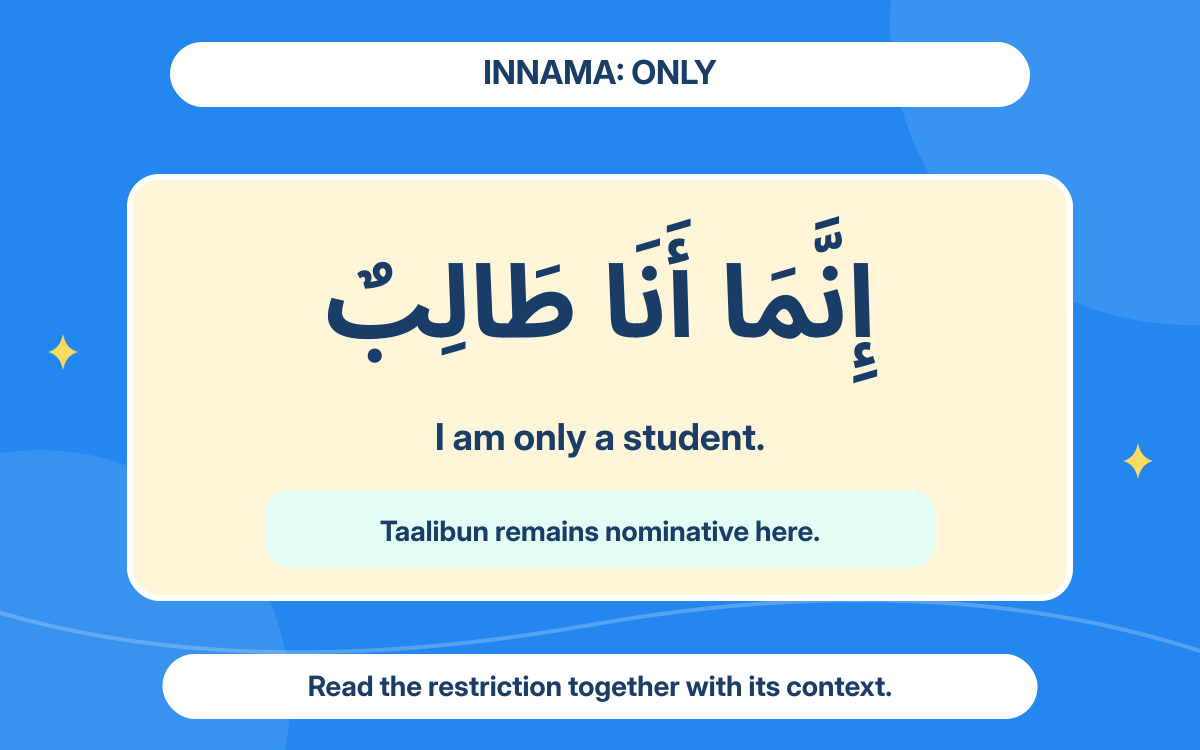
Innama in Arabic: Only and Restriction
إِنَّمَا أَسْخَرُ مِنْ قَاعِدَةٍ تَمْنَعُ نَفْسَهَا مِنَ الْعَمَلِ
Read innama restricting Rami’s intended satirical target to a self-defeating rule.
Idha in Arabic: How to Say When and If
إِذَا ضَاعَ هَذَا الْفَرْقُ، بَدَا الْعَائِقُ إِهْمَالًا فِي مَلْءِ اسْتِمَارَةٍ
Follow idha introducing the hypothetical loss of an important distinction in translation.
Lam in Arabic: How to Say “Did Not”
لَمْ نَتَلَقَّ قِرَاءَتَهَا الْجَدِيدَةَ بَعْدُ
Use lam to distinguish a reception that has not arrived from the revisions already agreed.