Interviewer Malik, interviewee Layla and producer Hala review a private draft of a fictional arts-interview clip. A shortened yes broadens a conditional assent; correcting it raises a separate question about how far the agreed accuracy review extends.
01Read the Arabic conversation
مُنَاقَشَةُ أَخْلَاقِيَّاتِ تَحْرِيرِ مُقَابَلَةٍ
مَالِكٌ: هَذِهِ مُسَوَّدَةٌ خَاصَّةٌ لِمَقْطَعٍ مِنْ بَرْنَامَجِنَا الْفَنِّيِّ التَّخَيُّلِيِّ، وَلَمْ تُنْشَرْ بَعْدُ. اِخْتَصَرْنَا مُقَابَلَةً مِنْ تِسْعِ دَقَائِقَ إِلَى ثَمَانِيَ عَشْرَةَ ثَانِيَةً. فِيهَا تَقُولِينَ نَعَمْ، وَتَظْهَرُ رُسُومُكِ الثَّلَاثَةُ غَيْرُ الْمُكْتَمِلَةِ.
لَيْلَى: رَأَيْتُهَا، وَالْمَشْكِلَةُ لَيْسَتْ فِي قِصَرِهَا وَحْدَهُ. سُؤَالُكَ كَانَ عَنْ رُكْنِ التَّجْرِبَةِ، لَا عَنْ وَاجِهَةِ الْمَعْرِضِ. بَعْدَ الْحَذْفِ تَبْدُو مُوَافَقَتِي أَوْسَعَ مِمَّا قُلْتُهُ، وَكَأَنَّنِي أُؤَيِّدُ اسْتِخْدَامَ الرُّسُومِ دُونَ شَرْطٍ.
هَالَةُ: أَرَدْتُ مَقْطَعًا سَرِيعًا يَجْذِبُ الْمُشَاهِدَ، وَلَمْ أَقْصِدْ تَوْسِيعَ مُوَافَقَتِكِ. سَقْفُنَا ثَلَاثُونَ ثَانِيَةً، لَكِنَّهُ لَا يُلْزِمُنَا بِالثَّمَانِيَ عَشْرَةَ. فَلْنُحَدِّدْ مَا غَابَ مِنَ الْمَعْنَى قَبْلَ أَنْ نُعِيدَ الْمَشَاهِدَ الْمَحْذُوفَةَ.
مَالِكٌ: سُؤَالِي الْكَامِلُ هُوَ: أَتَقْبَلِينَ عَرْضَ هَذِهِ الرُّسُومِ الثَّلَاثَةِ فِي رُكْنِ التَّجْرِبَةِ، إِذَا كُتِبَ بِجَانِبِهَا أَنَّهَا أَعْمَالٌ غَيْرُ مُكْتَمِلَةٍ؟ فِي الْمُسَوَّدَةِ حَذَفْنَا السُّؤَالَ، ثُمَّ سَبَقَ الْجَوَابَ تَعْلِيقٌ بِأَنَّكِ تُؤَيِّدِينَ عَرْضَ رُسُومِكِ فِي الْمَعْرِضِ.
لَيْلَى: وَجَوَابِي هُوَ: نَعَمْ، بِهَذَا الشَّرْطِ، وَلِهَذَا الرُّكْنِ وَحْدَهُ؛ أَمَّا اتِّخَاذُهَا وَاجِهَةً لِلْمَعْرِضِ فَلَا أُؤَيِّدُهُ. أَخَذْتُمُ الْكَلِمَةَ الْأُولَى وَتَرَكْتُمْ مَا يُحَدِّدُهَا. وَجُودُ صَوْتِي الْحَقِيقِيِّ لَا يَجْعَلُ الْمَعْنَى الْجَدِيدَ مَعْنَايَ.
هَالَةُ: كُنْتُ سَأَضَعُ رَابِطًا إِلَى النَّصِّ الْكَامِلِ، وَظَنَنْتُ أَنَّ ذَلِكَ يَكْفِي لِمَنْ يُرِيدُ التَّفَاصِيلَ. أَمَّا الْمَقْطَعُ فَوَظِيفَتُهُ أَنْ يَفْتَحَ بَابَ الْمُقَابَلَةِ؛ فَلَيْسَ مُمْكِنًا أَنْ يَحْمِلَ كُلَّ مَا وَرَدَ فِيهَا.
مَالِكٌ: صَحِيحٌ، لَكِنَّ الشَّرْطَ هُنَا لَيْسَ تَفْصِيلًا إِضَافِيًّا. مَنْ يَرَى الْمَقْطَعَ وَحْدَهُ يَسْمَعُ جَوَابًا عَنْ سُؤَالٍ لَمْ أَطْرَحْهُ بِهَذَا الِاتِّسَاعِ. الرَّابِطُ يُتِيحُ التَّحَقُّقَ، وَلَا يُصَحِّحُ تِلْكَ الْقِرَاءَةَ دَاخِلَ الْمَقْطَعِ نَفْسِهِ.
لَيْلَى: وَلَا أَحْتَاجُ إِلَى إِثْبَاتِ نِيَّةٍ سَيِّئَةٍ لِأَطْلُبَ التَّصْحِيحَ. أَصَدِّقُ أَنَّكِ أَرَدْتِ الِاخْتِصَارَ، لَكِنَّ أَثَرَهُ بَقِيَ مُضَلِّلًا. أُرِيدُ أَنْ يَفْهَمَ الْمُشَاهِدُ مَا قَبِلْتُهُ، لَا أَنْ يُفْتِّشَ عَنْ قَيْدٍ أَخْفَاهُ الْمَقْطَعُ.
هَالَةُ: يُمْكِنُ إِعَادَةُ السُّؤَالِ وَالْجَوَابِ فِي سِتٍّ وَعِشْرِينَ ثَانِيَةً، إِذَا حَذَفْنَا اللَّقْطَةَ الْإِضَافِيَّةَ لِلْقَاعَةِ. سَأَخْسَرُ بَعْضَ الْإِيقَاعِ الْبَصَرِيِّ، لَا أُنْكِرُ ذَلِكَ. لَكِنَّ الْمَكَانَ الْجَمِيلَ لَا يُعَوِّضُ جَوَابًا يَقُولُ أَكْثَرَ مِمَّا قَصَدَتْهُ صَاحِبَتُهُ.
مَالِكٌ: سَأُبْقِي السُّؤَالَ مَسْمُوعًا، وَسَنَكْتُبُ الشَّرْطَ عَلَى الشَّاشَةِ أَيْضًا. لَا نَحْتَاجُ إِلَى الدَّقَائِقِ التِّسْعِ لِنَكُونَ أُمَنَاءَ، وَلَكِنَّنَا نَحْتَاجُ إِلَى الْقَيْدِ وَالنَّفْيِ. هُمَا جُزْءٌ مِنَ الْجَوَابِ، لَا تَعْلِيقٌ عَلَيْهِ.
لَيْلَى: وَأَرْجُو أَنْ تَبْقَى الرُّسُومُ الثَّلَاثَةُ وَاضِحَةً فِي اللَّقْطَةِ. لَمْ أَتَحَدَّثْ عَنْ كُلِّ دَفْتَرِي، وَلَا عَنْ أَعْمَالِي الْقَادِمَةِ. كَلِمَةُ هَذِهِ تُحِيلُ إِلَى مَا كَانَ عَلَى الطَّاوِلَةِ؛ فَإِذَا غَيَّرْنَا الصُّورَةَ اتَّسَعَ الْمَرْجِعُ.
هَالَةُ: كَانَ الْعُنْوَانُ رُسُومُ لَيْلَى فِي مَعْرِضِنَا. أَرَى الْآنَ أَنَّهُ يَبْدُو إِعْلَانًا عَنْ عَرْضٍ مُقَرَّرٍ، مَعَ أَنَّنَا نُنَاقِشُ اِقْتِرَاحًا. هَلْ نَكْتُبُ مُوَافَقَةٌ مَشْرُوطَةٌ عَلَى عَرْضِ ثَلَاثَةِ رُسُومٍ، وَنَذْكُرُ عَدَمَ اكْتِمَالِهَا فِي الشَّرْحِ؟
مَالِكٌ: الْعُنْوَانُ الثَّانِي أَدَقُّ، وَسَيَبْقَى ذِكْرُ الرُّكْنِ وَالشَّرْطِ فِي السُّؤَالِ الْمَسْمُوعِ. لَنْ نَكْتُبَ أَنَّ الْعَرْضَ تَقَرَّرَ؛ فَالْمُقَابَلَةُ تُبَيِّنُ مَوْقِفَ لَيْلَى مِنَ الِاقْتِرَاحِ، وَلَيْسَتْ إِعْلَانًا صَادِرًا عَنْ الْمَعْرِضِ.
لَيْلَى: أَقْبَلُ هَذِهِ الصِّيَاغَةَ، مَعَ أَنْ تَبْقَى الْكِتَابَةُ عَلَى الشَّاشَةِ مَقْرُوءَةً، لَا سَطْرًا يَخْتَفِي قَبْلَ قِرَاءَتِهِ. لَيْسَ هَدَفِي أَنْ يَصِيرَ الْمَقْطَعُ مَحْضَرًا، بَلْ أَلَّا تُسْتَعْمَلَ سُرْعَتُهُ لِإِخْفَاءِ مَا يُحَدِّدُ مُوَافَقَتِي.
هَالَةُ: بَقِيَ حَدُّ مُرَاجَعَتِكِ. اِتِّفَاقُنَا الْمَكْتُوبُ يَنْصُّ عَلَى مُرَاجَعَةِ دِقَّةِ الِاقْتِبَاسِ قَبْلَ النَّشْرِ. لَا يَمْنَحُكِ اخْتِيَارَ كُلِّ تَعْلِيقٍ تَحْرِيرِيٍّ؛ وَلَوْ جَعَلْنَاهُ كَذَلِكَ لَفَقَدَ الْبَرْنَامَجُ قُدْرَتَهُ عَلَى مُنَاقَشَةِ الْمَوْقِفِ.
مَالِكٌ: أَفْهَمُ مِنْ ذَلِكَ أَنَّ مَوْضِعَ الِاعْتِرَاضِ هُوَ نِسْبَةُ قَوْلٍ إِلَيْهَا، لَا مُجَرَّدُ عَدَمِ رِضَاهَا عَنْ قِرَاءَتِنَا. لَكِنْ يَنْبَغِي أَنْ نُظْهِرَ أَيُّ الْكَلَامِ اقْتِبَاسٌ، وَأَيُّهُ تَقْيِيمٌ مِنَّا، حَتَّى لَا يَخْتَلِطَا.
لَيْلَى: يُمْكِنُكُمَا وَصْفُ مَوْقِفِي بِالْحَذَرِ، وَلِي أَنْ أَعْتَرِضَ عَلَى هَذَا الْوَصْفِ. أَمَّا الْقَوْلُ إِنَّنِي أَرْفُضُ الْعَرْضَ فَلَيْسَ تَقْيِيمًا لِنَبْرَتِي؛ إِنَّهُ يُغَيِّرُ مَا قُلْتُهُ. مُرَاجَعَةُ الدِّقَّةِ لَا تَعْنِي أَنْ أَصِيرَ مُنْتِجَةَ الْبَرْنَامَجِ.
هَالَةُ: تَعْلِيقُنَا سَيَكُونُ: تُفَضِّلُ لَيْلَى إِبْقَاءَ التَّجْرِبَةِ فِي رُكْنٍ مَحْدُودٍ، وَنَرَى أَنَّ هَذَا يُقَلِّلُ حُضُورَ الْعَمَلِ فِي الْمَعْرِضِ. سَنَضَعُهُ بَعْدَ الْجَوَابِ، بِصَوْتِنَا وَاسْمِ الْبَرْنَامَجِ، وَلَنْ نَدْمَجَهُ فِي تَرْجَمَةِ كَلَامِكِ.
مَالِكٌ: سَأُسَجِّلُ فِي رِسَالَةِ الْمُرَاجَعَةِ أَنَّ التَّصْحِيحَ يَخُصُّ الْمَقْطَعَ وَعُنْوَانَهُ وَنِسْبَةَ الْكَلَامِ. لَا أُرِيدُ أَنْ تَصِيرَ عِبَارَةُ مُوَافَقَةِ لَيْلَى شَهَادَةً بِأَنَّهَا تَتَبَنَّى تَقْيِيمَنَا؛ هَذَا مَوْقِفٌ آخَرُ لَمْ تَعْلَنْهُ.
لَيْلَى: وَأَنَا لَا أَتَبَنَّاهُ. الرُّكْنُ فِي رَأْيِي يُتِيحُ لِلزَّائِرِ رُؤْيَةَ التَّجْرِبَةِ بِدُونِ أَنْ يَخْلِطَهَا بِالْعَمَلِ الْمُكْتَمِلِ. لَكِنَّ اخْتِلَافَنَا فِي قِيمَةِ هَذَا الْحُضُورِ لَا يُلْزِمُكُمَا بِحَذْفِ تَعْلِيقِكُمَا إِذَا بَقِيَ مَنْسُوبًا إِلَيْكُمَا.
هَالَةُ: سَأُقَصِّرُ الْمُقَدِّمَةَ لِكَيْ نُبْقِيَ النَّفْيَ فِي آخِرِ جَوَابِكِ. وَيَبْقَى التَّعْلِيقُ فِي النَّصِّ الْمُرَافِقِ خَارِجَ السِّتِّ وَالْعِشْرِينَ ثَانِيَةً. هَكَذَا لَا نُقَدِّمُ التَّحَقُّقَ مِنَ الْمَعْنَى عَلَى أَنَّهُ رَفْضٌ لِكُلِّ اخْتِصَارٍ.
مَالِكٌ: وَيُمْكِنُ حَذْفُ تَوَقُّفٍ قَصِيرٍ قَبْلَ الْجَوَابِ، لِأَنَّهُ لَا يُغَيِّرُ هَذِهِ الْمُوَافَقَةَ الْمَشْرُوطَةَ. أَمَّا فَصْلُ نَعَمْ عَنِ السُّؤَالِ وَالْقَيْدِ فَيَصْنَعُ جَوَابًا آخَرَ. الْفَرْقُ هُنَا فِي وَظِيفَةِ الْمَحْذُوفِ، لَا فِي طُولِهِ.
لَيْلَى: أُفَضِّلُ أَنْ أَرَى النُّسْخَةَ الْجَدِيدَةَ نَفْسَهَا، لَا أَنْ أُوَافِقَ عَلَى وَعْدٍ بِتَصْحِيحِهَا. قَدْ تَكُونُ الْكَلِمَاتُ كُلُّهَا مَوْجُودَةً وَتَظْهَرُ الْكِتَابَةُ سَرِيعًا. سَأُرَاجِعُ هَذَا الْجَانِبَ، وَأَتْرُكُ اخْتِيَارَ الْمُقَدِّمَةِ لَكُمَا.
هَالَةُ: النُّسْخَةُ الثَّانِيَةُ جَاهِزَةٌ الْآنَ؛ سَأَعْرِضُهَا عَلَيْكُمَا. مُدَّتُهَا سِتٌّ وَعِشْرُونَ ثَانِيَةً، وَفِيهَا السُّؤَالُ وَجَوَابُكِ الْكَامِلُ وَصُورَةُ الرُّسُومِ الثَّلَاثَةِ. تَحْتَهَا الْعُنْوَانُ الْجَدِيدُ وَالشَّرْحُ وَتَعْلِيقُنَا الْمَنْسُوبُ إِلَيْنَا؛ لَمْ نَنْشُرْ شَيْئًا بَعْدُ.
مَالِكٌ: بَعْدَ هَذَا الْعَرْضِ سَنَطْلُبُ رَدًّا يَذْكُرُ النُّسْخَةَ الثَّانِيَةَ بِاسْمِهَا. لَنْ نَكْتُبَ أَنَّ الْمُقَابَلَةَ كُلَّهَا حَصَلَتْ عَلَى مُوَافَقَتِكِ. وَسَيَبْقَى رَابِطُ النَّصِّ الْكَامِلِ لِمَنْ يُرِيدُ السِّيَاقَ، بِوَصْفِهِ إِضَافَةً إِلَى الدِّقَّةِ دُونَ أَنْ يَحُلَّ مَحَلَّهَا.
لَيْلَى: شَاهَدْتُ النُّسْخَةَ الثَّانِيَةَ وَقَرَأْتُ مَا تَحْتَهَا. أُوَافِقُ عَلَى دِقَّةِ اقْتِبَاسِ جَوَابِي وَعُنْوَانِهِ وَشَرْحِهِ فِيهَا. وَسَأَكْتُبُ أَنَّنِي مَا زِلْتُ أَخْتَلِفُ مَعَ تَعْلِيقِكُمَا؛ لَا أَشْتَرِطُ حَذْفَهُ، وَلَا أُرِيدُ أَنْ يُنْسَبَ إِلَيَّ.
هَالَةُ: سَنَحْفَظُ رَدَّكِ بِهَذَا الْحَدِّ، ثُمَّ نَنْشُرُ النُّسْخَةَ الثَّانِيَةَ وَالنَّصَّ الْمُرَافِقَ. تَعْلِيقُنَا بَاقٍ، وَاعْتِرَاضُكِ عَلَيْهِ بَاقٍ أَيْضًا. مَا صَحَّحْنَاهُ هُوَ اتِّسَاعُ الْمُوَافَقَةِ الْمَنْسُوبَةِ إِلَيْكِ، لَا الْخِلَافُ فِي تَقْدِيرِ حُضُورِ الرُّسُومِ.
Show English translationHide English translation
Malik — interviewer: This is a private draft of a clip from our fictional arts programme, and it has not yet been published. We shortened a nine-minute interview to eighteen seconds. In it you say yes, and your three unfinished drawings appear.
Layla — interviewee: I saw it, and the problem is not just its brevity. Your question concerned the experimental corner, not the exhibition frontage. After the cuts my assent appears broader than what I said, as though I supported using the drawings without a condition.
Hala — producer: I wanted a quick clip that would attract viewers, and did not intend to broaden your assent. Our ceiling is thirty seconds, but it does not require eighteen. Let us identify what meaning disappeared before restoring the deleted footage.
Malik — interviewer: My complete question is: Would you accept displaying these three drawings in the experimental corner if it were stated beside them that they are unfinished works? In the draft we deleted the question, then preceded the answer with a comment that you support displaying your drawings in the exhibition.
Layla — interviewee: My answer is: Yes, on that condition, and for that corner alone; I do not support making them the exhibition frontage. You took the first word and left what limits it. The presence of my actual voice does not make the new meaning mine.
Hala — producer: I was going to provide a link to the complete transcript, and thought that would suffice for anyone wanting details. The clip’s function is to open the door to the interview; it cannot carry everything said in it.
Malik — interviewer: True, but the condition here is not an additional detail. Someone seeing only the clip hears an answer to a question I did not ask with that breadth. The link allows verification; it does not correct that reading within the clip itself.
Layla — interviewee: I do not need to establish bad intent to request correction. I believe you wanted brevity, but its effect remained misleading. I want viewers to understand what I accepted, rather than hunt for a limitation the clip concealed.
Hala — producer: We can restore the question and answer in twenty-six seconds if we remove the extra shot of the hall. I will lose some visual rhythm; I do not deny that. But an attractive setting does not compensate for an answer saying more than its speaker intended.
Malik — interviewer: I will keep the question audible, and we will also put the condition on screen. We do not need all nine minutes to be faithful, but we need the limitation and the negation. They are part of the answer, not commentary on it.
Layla — interviewee: I also hope the three drawings remain clear in the shot. I was not discussing my entire sketchbook or my future work. The word these refers to what was on the table; if we change the image, the reference broadens.
Hala — producer: The title was Layla’s Drawings in Our Exhibition. I now see that it looks like an announcement of a decided display, although we are discussing a proposal. Shall we write Conditional Assent to Displaying Three Drawings, and mention their unfinished state in the description?
Malik — interviewer: The second title is more accurate, and the corner and condition will remain in the audible question. We will not write that the display has been decided: the interview shows Layla’s position on the proposal and is not an announcement issued by the exhibition.
Layla — interviewee: I accept that wording, with the on-screen writing readable rather than a line that disappears before it can be read. My aim is not to turn the clip into minutes, but to ensure its speed is not used to hide what limits my assent.
Hala — producer: The scope of your review remains. Our written agreement provides for reviewing quotation accuracy before publication. It does not give you selection of every editorial comment; if we made it do so, the programme would lose its ability to discuss the position.
Malik — interviewer: I understand that the point of objection is attributing a statement to her, rather than simply her dissatisfaction with our reading. But we should show which words are quotation and which are our assessment, so the two are not confused.
Layla — interviewee: You may describe my position as cautious, and I may object to that description. But saying I reject the display is not an assessment of my tone; it changes what I said. Reviewing accuracy does not mean I become the programme’s producer.
Hala — producer: Our comment will be: Layla prefers keeping the experiment in a limited corner, and we think this reduces the work’s presence in the exhibition. We will put it after the answer, in our voice and under the programme’s name, and will not merge it into the translation of your words.
Malik — interviewer: I will record in the review message that the correction concerns the clip, its title and attribution of words. I do not want the phrase Layla’s approval to become certification that she adopts our assessment; that is another position she has not expressed.
Layla — interviewee: And I do not adopt it. In my view the corner allows visitors to see the experiment without confusing it with finished work. But our disagreement about the value of that presence does not require you to delete your comment if it remains attributed to you.
Hala — producer: I will shorten the introduction so that we keep the negation at the end of your answer. The comment will remain in the accompanying text, outside the twenty-six seconds. In this way we do not present checking meaning as a rejection of every shortening.
Malik — interviewer: A short pause before the answer can be deleted because it does not change this conditional assent. Separating yes from the question and limitation, however, makes a different answer. The difference here lies in the function of what is deleted, not its length.
Layla — interviewee: I prefer to see the new version itself rather than approve a promise to correct it. All the words may be present while the writing appears too quickly. I will review that aspect and leave the choice of introduction to you.
Hala — producer: The second version is ready now; I will show it to you both. It lasts twenty-six seconds and contains the question, your complete answer and the image of the three drawings. Below it are the new title, description and our attributed comment; we have not published anything yet.
Malik — interviewer: After this showing we will request a reply naming the second version. We will not write that the whole interview received your approval. The link to the complete transcript will remain for anyone wanting context, as an addition to accuracy rather than a substitute for it.
Layla — interviewee: I have watched the second version and read what is below it. I approve the accuracy of the quotation of my answer, its title and its description in that version. I will write that I still disagree with your comment; I do not require its deletion, and do not want it attributed to me.
Hala — producer: We will retain your reply with that scope, then publish the second version and accompanying text. Our comment remains, and so does your objection to it. What we corrected was the breadth of the assent attributed to you, not the disagreement about judging the drawings’ presence.
02Useful words and expressions
| Arabic in the conversation | Meaning here |
|---|---|
| مُسَوَّدَةٌ خَاصَّةٌ | a private draft |
| بَعْدَ الْحَذْفِ | after the cuts |
| سَقْفُنَا ثَلَاثُونَ ثَانِيَةً | our ceiling is thirty seconds |
| بِهَذَا الشَّرْطِ | on that condition |
| مَا يُحَدِّدُهَا | what limits it |
| قَيْدٍ أَخْفَاهُ الْمَقْطَعُ | a limitation the clip concealed |
| الْإِيقَاعِ الْبَصَرِيِّ | visual rhythm |
| اتَّسَعَ الْمَرْجِعُ | the reference broadened |
| شَهَادَةً بِأَنَّهَا تَتَبَنَّى تَقْيِيمَنَا | certification that she adopts our assessment |
| إِذَا بَقِيَ مَنْسُوبًا إِلَيْكُمَا | if it remains attributed to you both |
| فِي وَظِيفَةِ الْمَحْذُوفِ | in the function of what is deleted |
| بِوَصْفِهِ إِضَافَةً إِلَى الدِّقَّةِ | as an addition to accuracy |
03Check your understanding
Choose one answer for each question. Look back at the Arabic conversation for evidence. Open the English question support or a hint when you need help.
What to remember
- Identify the condition, location and visual reference that limit an apparent yes.
- Distinguish correcting attribution from suppressing an independently attributed critical assessment.
- Recognise approval of a reviewed version while preserving a disagreement about its accompanying commentary.
Explore the Arabic in this conversation
Related grammar and vocabularyOpen Araqick guides connected to this conversation.
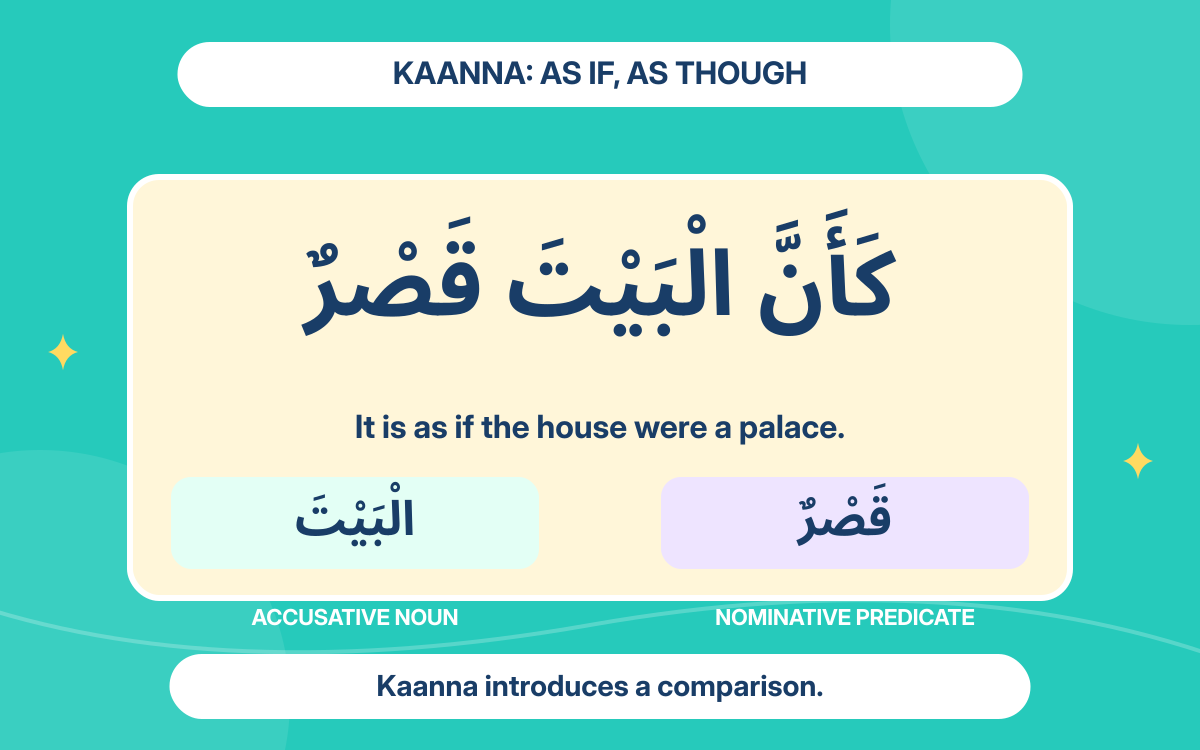
Kaanna in Arabic: As If and As Though
وَكَأَنَّنِي أُؤَيِّدُ اسْتِخْدَامَ الرُّسُومِ دُونَ شَرْطٍ
Use kaanna to describe the misleading impression created by broadening a conditional assent.
Lakinna and Lakin in Arabic: Two Patterns for But
لَكِنَّ أَثَرَهُ بَقِيَ مُضَلِّلًا
Use governing lakinna to retain criticism of an effect after conceding a benign intention.
Because in Arabic: Give a Reason with Lianna
لِأَنَّهُ لَا يُغَيِّرُ هَذِهِ الْمُوَافَقَةَ الْمَشْرُوطَةَ
Use lianna to explain why deleting this particular pause preserves the meaning.