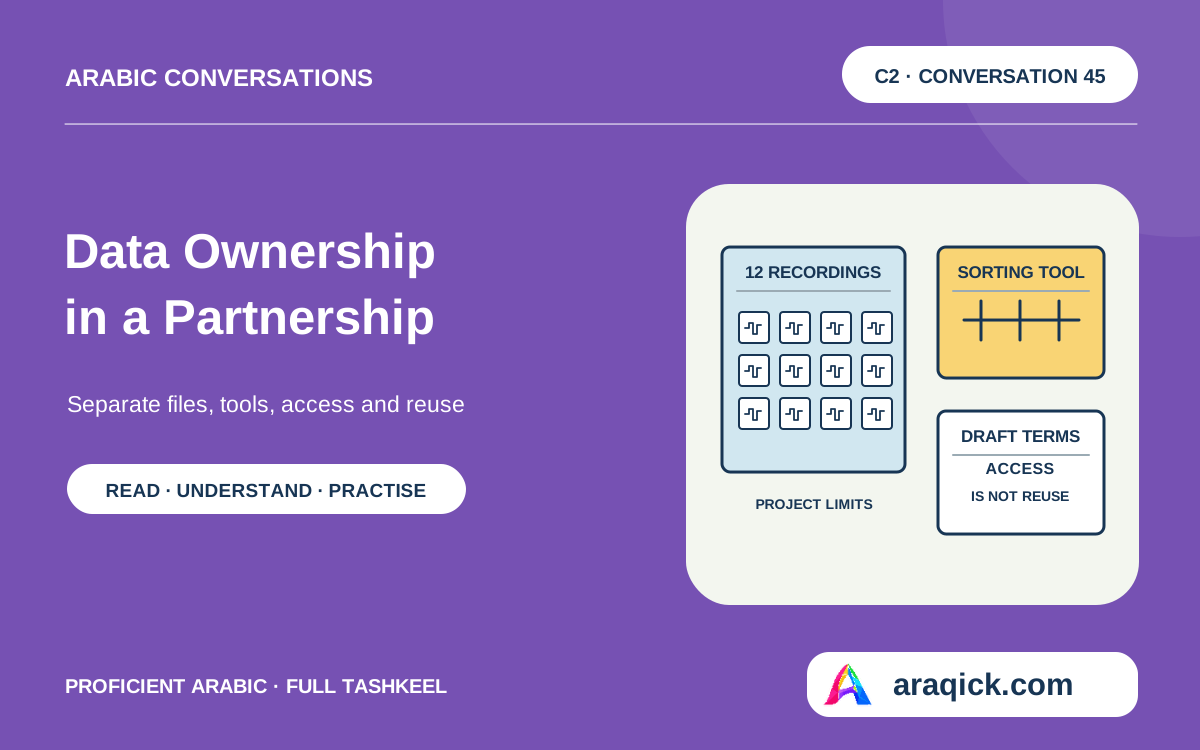
Researcher Rania, technology partner Yasir, participant representative Salim and mediator Muna examine twelve recordings in a fictional archive collaboration. Ownership of a sorting tool becomes an unsupported claim about the material it organises.
01Read the Arabic conversation
التَّفَاوُضُ عَلَى مِلْكِيَّةِ الْبَيَانَاتِ فِي شَرَاكَةٍ بَحْثِيَّةٍ
رَانِيَا: فِي تَعَاوُنِنَا الْأَرْشِيفِيِّ التَّخَيُّلِيِّ اثْنَا عَشَرَ تَسْجِيلًا، وَاحِدٌ لِكُلِّ مُشَارِكٍ. يَحْصُرُ الِاتِّفَاقُ الْأَوَّلُ الِاطِّلَاعَ فِي بَاحِثَيْنِ مُسَمَّيَيْنِ هُمَا مَاهِرٌ وَأَنَا، لِمُرَاجَعَةِ التَّفْرِيغِ الْكِتَابِيِّ فَقَطْ. وَيَسْتَبْعِدُ النَّشْرَ الْعَامَّ وَتَدْرِيبَ نَمَاذِجَ جَدِيدَةٍ عَلَى هَذِهِ الْمَادَّةِ.
يَاسِرٌ: بَنَتْ شَرِكَتِي أَدَاةَ الْفَرْزِ، وَالْحَاسُوبُ الَّذِي تُحْفَظُ فِيهِ التَّسْجِيلَاتُ مِنْ تَجْهِيزِنَا. ظَنَنْتُ أَنَّ مِلْكِيَّتَنَا لِلْأَدَاةِ تَجْعَلُ الْمَادَّةَ الْمُنَظَّمَةَ بِهَا جُزْءًا مِنْ مُنْتَجِنَا. أُرِيدُ الِاحْتِفَاظَ بِنُسْخَةٍ لِتَحْسِينِ الْأَدَاةِ، وَلَمْ آخُذْ نُسْخَةً بَعْدُ.
سَلِيمٌ: نَقَلْتُ إِلَيْكُمْ قَلَقَ الْمُشَارِكِينَ مِنْ هَذَا الِاحْتِمَالِ. فَوَّضُونِي بِشَرْحِ أَسْئِلَتِهِمْ، لَا بِإِجَازَةِ اسْتِعْمَالٍ جَدِيدٍ عَنْ كُلِّ وَاحِدٍ مِنْهُمْ. تَسْلِيمُ التَّسْجِيلِ لِمُرَاجَعَةِ نَصِّهِ لَا يَعْنِي فِي اتِّفَاقِنَا تَسْلِيمَ الْقَرَارِ فِي مُسْتَقْبَلِهِ.
مُنَى: سَنَفْصِلُ الْأَدَاةَ عَنِ التَّسْجِيلِ وَالنَّصِّ الْمُصَحَّحِ، ثُمَّ نَسْأَلُ عَنْ كُلِّ وَاحِدٍ مِنْهَا. لَا أَسْتَخْرِجُ حُكْمًا عَامًّا مِنْ حِيَازَةِ الْحَاسُوبِ. أُرِيدُ مُسَوَّدَةً لِهَذَا الْمَشْرُوعِ تُسَمِّي مَا يَجُوزُ عَمَلُهُ، وَمَنْ يَسْتَطِيعُ أَنْ يُوَافِقَ عَلَيْهِ.
رَانِيَا: الْحَاسُوبُ مَوْجُودٌ فِي الْأَرْشِيفِ، وَلَمْ نُضِفْ يَاسِرًا إِلَى الْبَاحِثَيْنِ الْمُسَمَّيَيْنِ. أَدَاتُهُ تُرَتِّبُ أَسْمَاءَ الْمَلَفَّاتِ الْمُرَقَّمَةَ؛ بَنَاهَا بِأَسْمَاءٍ تَجْرِيبِيَّةٍ مُخْتَلَقَةٍ، وَلَمْ يَسْتَمِعْ إِلَى الْأَصْوَاتِ. لَا يَنْبَغِي أَنْ نَخْلِطَ بَيْنَ تَجْهِيزِ الْمَكَانِ وَالِاطِّلَاعِ عَلَى مُحْتَوَاهُ.
يَاسِرٌ: أَقْبَلُ أَنَّ مَا قَدَّمْتُهُ لَا يَجْعَلُنِي بَاحِثًا مُسَمًّى. لَكِنَّ فَرْزَ الْمَلَفَّاتِ يُسَهِّلُ عَمَلَكُمْ، وَأُرِيدُ أَنْ تَظْهَرَ هَذِهِ الْمُسَاهَمَةُ فِي الْوَصْفِ. هَلْ يُمْكِنُ أَنْ تَذْكُرُوا الْأَدَاةَ دُونَ أَنْ تُسَمُّوا التَّسْجِيلَاتِ مُنْتَجًا لَنَا؟
سَلِيمٌ: لَا أَعْتَرِضُ عَلَى وَصْفِ مَا فَعَلَتْهُ الْأَدَاةُ. أَعْتَرِضُ عَلَى أَنْ يَجْعَلَ هَذَا الْوَصْفُ الْأَصْوَاتَ مَادَّةً مُتَاحَةً لَكُمْ. يُمْكِنُ أَنْ نَعْتَرِفَ بِالْجُهْدِ دُونَ أَنْ نُوَسِّعَ الْغَرَضَ الَّذِي سَلَّمَ الْمُشَارِكُونَ تَسْجِيلَاتِهِمْ مِنْ أَجْلِهِ.
مُنَى: إِذَنْ نَذْكُرُ الْأَدَاةَ وَوَظِيفَتَهَا بِوُضُوحٍ، وَنُبْقِي حُدُودَ الِاطِّلَاعِ الْحَالِيَّةَ. وَيَجِبُ أَلَّا تُقْرَأَ هَذِهِ الصِّيَاغَةُ كَأَنَّهَا تَحْسِمُ كُلَّ سُؤَالٍ عَنِ الْمِلْكِيَّةِ. هِيَ تُحَدِّدُ مَا يَسْتَنِدُ إِلَيْهِ عَمَلُنَا الْآنَ، وَمَا لَمْ نَتَّفِقْ عَلَيْهِ.
رَانِيَا: هُنَاكَ أَيْضًا نُصُوصُ التَّفْرِيغِ الَّتِي صَحَّحْنَاهَا. كَتَبْتُ فِيهَا تَصْوِيبَاتٍ بَعْدَ سَمَاعِ التَّسْجِيلَاتِ، فَلَا أُرِيدُ أَنْ تُنْسَبَ إِلَى الْأَدَاةِ. وَلَا أَزْعُمُ أَنَّ تَصْحِيحِي يَجْعَلُ كَلَامَ الْمُشَارِكِينَ كَلَامِي، أَوْ يُخْرِجُهُ مِنْ حُدُودِ الْغَرَضِ الْأَوَّلِ.
يَاسِرٌ: فَهِمْتُ الْفَرْقَ بَيْنَ تَرْتِيبِ أَسْمَاءِ الْمَلَفَّاتِ وَتَصْحِيحِ مَضْمُونِهَا. لَكِنْ إِذَا أَرَدْنَا عَرْضَ مِثَالٍ عَلَى الْعَمَلِ، فَهَلْ نَسْأَلُ عَنْ نَشْرِ مَقْطَعٍ مِنَ النَّصِّ الْمُصَحَّحِ؟ أَسْأَلُ عَنْ مَقْطَعٍ مَكْتُوبٍ، لَا عَنِ الْمَلَفِّ الصَّوْتِيِّ.
سَلِيمٌ: يُمْكِنُنِي نَقْلُ هَذَا السُّؤَالِ، بِشَرْطِ أَنْ يَرَى صَاحِبُ الْكَلَامِ الْمَقْطَعَ الْمَقْصُودَ وَمَوْضِعَ نَشْرِهِ. لَا أَسْتَطِيعُ أَنْ أَضْمَنَ الْجَوَابَ. وَإِذَا وَافَقَ شَخْصٌ، فَلَا تَصِيرُ إِجَابَتُهُ مُوَافَقَةً عَلَى نُصُوصِ الْأَحَدَ عَشَرَ الْآخَرِينَ.
مُنَى: سَنَضَعُ فِي الْمُسَوَّدَةِ خَانَةً لِكُلِّ مَقْطَعٍ مُقْتَرَحٍ، مَعَ صَاحِبِهِ وَجَوَابِهِ الْمُنْتَظَرِ. تَبْقَى الْخَانَةُ غَيْرُ مُكْتَمِلَةٍ حَتَّى يَصِلَ جَوَابٌ صَرِيحٌ. وَحَتَّى ذَلِكَ الْحِينِ، لَا نَنْشُرُ النُّصُوصَ الْمُصَحَّحَةَ أَوِ التَّسْجِيلَاتِ.
رَانِيَا: أُؤَيِّدُ فَصْلَ النَّصِّ عَنِ الصَّوْتِ فِي السُّؤَالِ. الْمُشَارِكُ الَّذِي يَرَى مَقْطَعًا مَكْتُوبًا لَا يُسْأَلُ بِذَلِكَ عَنْ تَدْرِيبِ نَمُوذَجٍ. لَا أُرِيدُ أَنْ نَجْمَعَ أَغْرَاضًا مُخْتَلِفَةً تَحْتَ كَلِمَةِ اسْتِخْدَامٍ ثُمَّ نَسْتَنْتِجَ مِنْهَا قَبُولًا وَاحِدًا.
يَاسِرٌ: يَبْقَى التَّدْرِيبُ مَصْلَحَةً لِشَرِكَتِي، وَلَا أُرِيدُ إِخْفَاءَهَا. لَكِنَّنِي أَقْبَلُ أَلَّا تَدْخُلَ فِي طَلَبِ نَشْرِ الْمَقْطَعِ. يُمْكِنُنِي أَنْ أَقْتَرِحَ نِقَاشًا مُنْفَصِلًا لَاحِقًا، وَلَا أَعُدُّ غِيَابَ الرَّفْضِ الْآنَ إِذْنًا بِالْبَدْءِ.
سَلِيمٌ: سَأَنْقُلُ أَيْضًا أَنَّ هَذِهِ الرَّغْبَةَ مَوْجُودَةٌ وَلَيْسَتْ اسْتِخْدَامًا مُجَازًا. بَعْضُ الْمُشَارِكِينَ قَدْ يَرْفُضُ حَتَّى مُنَاقَشَتَهَا؛ هَذَا احْتِمَالٌ أَذْكُرُهُ، لَا جَوَابٌ تَلَقَّيْتُهُ مِنْهُمْ. لَا أُرِيدُ أَنْ يُقْرَأَ حُضُورِي كَتَطْمِينٍ بِمُوَافَقَتِهِمْ.
مُنَى: سَنُسَجِّلُ التَّدْرِيبَ ضِمْنَ الْأَغْرَاضِ الْمُسْتَبْعَدَةِ مِنَ الْمُسَوَّدَةِ الْحَالِيَّةِ، لَا ضِمْنَ الْخَانَاتِ الَّتِي تَنْتَظِرُ قَبُولَ مَقْطَعٍ. وَسَيَكُونُ وَصْفُ الْأَدَاةِ مُنْفَصِلًا عَنْ جَدْوَلِ الْمَوَادِّ، لِئَلَّا تُوَسِّعَ تَسْمِيَةٌ تِجَارِيَّةٌ غَرَضَ الْمَشْرُوعِ.
رَانِيَا: أَمَّا حِفْظُ الْمَلَفَّاتِ، فَيَبْقَى فِي الْأَرْشِيفِ وَفْقَ تَرْتِيبِنَا الْحَالِيِّ. سَأُرَاجِعُ مَعَ مَاهِرٍ قَائِمَةَ الْمَوَادِّ وَأَسْمَاءَ الْبَاحِثَيْنِ الْمَسْمُوحِ لَهُمَا بِالِاطِّلَاعِ. هَذَا فَحْصٌ لِلِاتِّفَاقِ وَالْقَائِمَةِ، وَلَيْسَ وَعْدًا بِأَنَّ الْحَاسُوبَ يَمْنَعُ كُلَّ خَطَأٍ.
يَاسِرٌ: وَسَأَصِفُ فِي وَثِيقَةِ الْأَدَاةِ أَنَّهَا تُرَتِّبُ الْأَسْمَاءَ الْمُرَقَّمَةَ، وَلَا أَنْسِبُ إِلَيْهَا إِنْتَاجَ نُصُوصِ التَّفْرِيغِ. أُرِيدُ بَقَاءَ اسْمِ شَرِكَتِي عَلَيْهَا؛ لَا أَطْلُبُ أَنْ يُصْبِحَ اسْمُ الشَّرِكَةِ وَصْفًا لِمَصْدَرِ الْأَصْوَاتِ أَوْ لِصَاحِبِ قَرَارِ نَشْرِهَا.
سَلِيمٌ: سَأَعْرِضُ الْمُسَوَّدَةَ عَلَى الْمُشَارِكِينَ، وَأَطْلُبُ أَجْوِبَتَهُمْ عَنِ الْمَقَاطِعِ الْمُحَدَّدَةِ لِكُلٍّ مِنْهُمْ. إِنْ تَأَخَّرَ جَوَابٌ، فَلَنْ نَضَعَ عَوَضًا عَنْهُ تَوْقِيعِي. وَمَنْ لَا يُقْتَرَحُ نَشْرُ كَلَامِهِ لَا تَصِيرُ تَسْجِيلَاتُهُ مُتَاحَةً لِغَرَضٍ آخَرَ.
مُنَى: نُثْبِتُ هَذَا الْحَدَّ فِي الْخُطْوَةِ الْقَادِمَةِ. وَإِذَا وَصَلَ قَبُولٌ لِمَقْطَعٍ، فَسَنُطَابِقُهُ مَعَ الطَّلَبِ قَبْلَ أَنْ نُدْرِجَهُ فِي خُطَّةِ النَّشْرِ. لَا نَمْلِكُ الْآنَ أَجْوِبَةً جَدِيدَةً، وَلَا أُسَمِّي مُسَوَّدَتَنَا اتِّفَاقًا نِهَائِيًّا مَعَ الْجَمِيعِ.
رَانِيَا: يُرِيحُنِي أَنَّ النُّصُوصَ الْمُصَحَّحَةَ لَنْ تُعَامَلَ كَأَنَّهَا مَادَّةٌ بِلَا سِيَاقٍ. وَلَكِنَّنِي لَا أُرِيدُ أَنْ يَتَوَقَّفَ عَمَلُ الْمُرَاجَعَةِ الْمَسْمُوحُ بِهِ حَتَّى تَصِلَ أَجْوِبَةُ النَّشْرِ. وَأَتَحَفَّظُ عَلَى طَلَبِ التَّدْرِيبِ لَاحِقًا؛ أُفَضِّلُ أَلَّا نُوَسِّعَ الشَّرَاكَةَ إِلَى هَذَا الْغَرَضِ.
يَاسِرٌ: وَأَنَا أَقْبَلُ اسْتِمْرَارَ الْأَدَاةِ فِي هَذَا النِّطَاقِ، وَإِنْ لَمْ يَشْمَلْ كُلَّ مَا كُنْتُ أَرْجُوهُ لِلشَّرِكَةِ. لَا أَسْحَبُ رَغْبَتِي فِي نِقَاشٍ لَاحِقٍ، لَكِنَّنِي لَنْ أُدْخِلَهَا فِي وَصْفِ الشَّرَاكَةِ الْمُتَّفَقِ عَلَيْهَا الْآنَ.
سَلِيمٌ: وَسَأَقُولُ إِنَّنَا حَدَّدْنَا السُّؤَالَ وَلَمْ نَحْصُلْ عَلَى جَوَابِهِ بَعْدُ. هَذَا أَدَقُّ مِنْ قَوْلِ إِنَّ الْمُشَارِكِينَ قَبِلُوا شَرَاكَةَ بَيَانَاتٍ جَدِيدَةً. قَدْ يَكُونُ الْجَوَابُ مُخْتَلِفًا مِنْ مَقْطَعٍ إِلَى آخَرَ، وَلَا أُسَوِّيهِ قَبْلَ أَنْ أَسْمَعَهُ.
مُنَى: وَسَأُرْسِلُ مَحْضَرًا يُفَرِّقُ بَيْنَ الْحِيَازَةِ وَالِاطِّلَاعِ وَإِعَادَةِ الِاسْتِخْدَامِ. لَا يَحْسِمُ الْمَحْضَرُ عُنْوَانَ الْمِلْكِيَّةِ بِعِبَارَةٍ وَاحِدَةٍ؛ إِنَّهُ يَمْنَعُ أَنْ تَعْبُرَ صَلَاحِيَّةٌ مِنْ أَصْلٍ إِلَى آخَرَ دُونَ أَنْ نُسَمِّيهَا وَنَسْأَلَ عَنْهَا.
رَانِيَا: سَأُبْقِي التَّسْجِيلَاتِ وَالنُّصُوصَ فِي قَائِمَتَيْنِ مُرْتَبِطَتَيْنِ، لِكَيْ يَظْهَرَ مَصْدَرُ كُلِّ تَصْحِيحٍ. هَذَا لَا يُحَوِّلُ الْقَائِمَةَ إِلَى إِذْنِ نَشْرٍ، لَكِنَّهُ يُسَاعِدُنَا عَلَى مَعْرِفَةِ مَا نَسْأَلُ عَنْهُ إِذَا اقْتَرَحْنَا مَقْطَعًا.
يَاسِرٌ: وَسَأَعُودُ إِلَى وَثِيقَةِ الْمُنْتَجِ لِأَفْصِلَ أَدَاتَنَا عَنِ الْمَوَادِّ الَّتِي تُرَتِّبُهَا. أَبْقَى مُخْتَلِفًا مَعَكُمْ فِي مَدَى مَا يُسْتَحْسَنُ طَلَبُهُ لَاحِقًا، لَا فِي وُجُودِ إِذْنٍ حَالِيٍّ. هَذَا الْإِذْنُ الْإِضَافِيُّ لَمْ يَصِلْ.
سَلِيمٌ: سَيَكُونُ هَذَا الْفَرْقُ جُزْءًا مِنَ الشَّرْحِ الَّذِي أَنْقُلُهُ، وَلَنْ أُقَدِّمَ الِاخْتِلَافَ كَأَنَّهُ رَفْضٌ صَادِرٌ مِنَ الْمُشَارِكِينَ. مَا أَحْمِلُهُ إِلَيْهِمُ الْآنَ طَلَبٌ مُحَدَّدٌ وَحُدُودٌ مَعْلُومَةٌ، لَا قَرَارٌ اتَّخَذْتُهُ عَنْهُمْ.
مُنَى: إِذَنْ نُرَاجِعُ الْمُسَوَّدَةَ بَعْدَ وُصُولِ الرُّدُودِ، وَنُبْقِي الْعَمَلَ الْحَالِيَّ دَاخِلَ اتِّفَاقِهِ الْأَوَّلِ. لَيْسَ تَرْتِيبُ الْأَسْئِلَةِ اتِّفَاقًا عَلَى أَجْوِبَتِهَا، لَكِنَّهُ يَجْعَلُ مَوْضِعَ الِاخْتِلَافِ مَرْئِيًّا بَدَلًا مِنْ إِخْفَائِهِ فِي كَلِمَةِ الْمِلْكِيَّةِ.
Show English translationHide English translation
Rania — researcher: Our fictional archive collaboration has twelve recordings, one per participant. The original agreement limits access to two named researchers, Mahir and me, solely for reviewing transcription. It excludes public release and training new models on this material.
Yasir — technology partner: My company built the sorting tool, and we supplied the computer holding the recordings. I thought our ownership of the tool made the material organised with it part of our product. I want to keep a copy to improve the tool, and have not taken one yet.
Salim — participant representative: I have conveyed the participants’ concern about that possibility. They authorised me to explain their questions, not to approve a new use on each person’s behalf. Under our agreement, supplying a recording for reviewing its transcript does not mean handing over decisions about its future.
Muna — mediator: We will separate the tool from the recording and corrected transcript, then ask about each. I derive no general ruling from possession of the computer. I want a draft for this project specifying what may be done and who can agree to it.
Rania — researcher: The computer is in the archive, and we have not added Yasir to the two named researchers. His tool sorts numbered filenames; he built it using invented test names and has not listened to the voices. We should not confuse equipping the place with accessing its contents.
Yasir — technology partner: I accept that my contribution does not make me a named researcher. But sorting the files helps your work, and I want that contribution to appear in the description. Can you credit the tool without calling the recordings our product?
Salim — participant representative: I do not object to describing what the tool did. I object to that description making the voices available to you. We can recognise the effort without expanding the purpose for which participants supplied their recordings.
Muna — mediator: Then we describe the tool and its function clearly and retain the present access limits. This wording must not be read as settling every ownership question. It specifies what our work currently rests on and what we have not agreed.
Rania — researcher: There are also the transcripts we corrected. I entered corrections after listening to the recordings, so I do not want them attributed to the tool. Nor do I claim that correcting them makes participants’ words mine, or takes them outside the original purpose’s limits.
Yasir — technology partner: I understand the difference between arranging filenames and correcting their content. But if we want to show an example of the work, can we ask about publishing an excerpt from the corrected transcript? I mean a written excerpt, not the audio file.
Salim — participant representative: I can relay that question provided the speaker sees the intended excerpt and where it would be published. I cannot guarantee the answer. If one person agrees, their answer does not become agreement for the other eleven people’s texts.
Muna — mediator: We will put a field in the draft for each proposed excerpt, its speaker and their awaited response. The field remains incomplete until an explicit answer arrives. Until then, we publish neither the corrected transcripts nor the recordings.
Rania — researcher: I support separating text from voice in the question. Showing a participant a written excerpt does not thereby ask about training a model. I do not want different purposes gathered under the word use and a single acceptance then inferred from it.
Yasir — technology partner: Training remains an interest of my company, and I do not want to hide it. But I accept leaving it out of the excerpt-publication request. I can propose a separate discussion later and do not regard the absence of refusal now as permission to start.
Salim — participant representative: I will also relay that this interest exists but is not an approved use. Some participants might refuse even to discuss it; I mention a possibility, not an answer I have received. I do not want my attendance read as reassurance that they agree.
Muna — mediator: We will record training among the purposes excluded from the current draft, not among fields awaiting acceptance of an excerpt. The tool’s description will be separate from the material register, so a commercial label does not broaden the project’s purpose.
Rania — researcher: The files will remain stored at the archive under our current arrangement. With Mahir I will review the material list and the names of the two people allowed access. This checks the agreement and list; it is not a promise that the computer prevents every error.
Yasir — technology partner: I will describe in the tool’s documentation that it arranges numbered names, without attributing production of the transcripts to it. I want my company’s name to remain on it; I do not ask for that name to describe the voices’ source or who decides on their publication.
Salim — participant representative: I will show the draft to participants and ask for answers about each person’s specified excerpts. If an answer is delayed, my signature will not replace it. Someone whose words are not proposed for publication does not thereby have their recordings made available for another purpose.
Muna — mediator: We state that limit in the next step. If acceptance of an excerpt arrives, we will match it to the request before including it in the publication plan. We currently have no new answers, and I do not call our draft a final agreement with everyone.
Rania — researcher: I am relieved that the corrected texts will not be treated as material without context. But I do not want the permitted review work stopped until publication answers arrive. I also have reservations about requesting training later; I would prefer not to extend the partnership to that purpose.
Yasir — technology partner: I accept continuing the tool within this scope, even though it does not cover everything I had hoped for the company. I do not withdraw my wish for a later discussion, but I will not insert it into the account of the partnership agreed now.
Salim — participant representative: I will say we have specified the question without yet receiving its answer. That is more accurate than saying participants accepted a new data partnership. The answer may differ from excerpt to excerpt, and I will not make it uniform before hearing it.
Muna — mediator: I will send minutes distinguishing custody, access and reuse. The minutes do not settle the heading of ownership with a single phrase; they prevent an authorisation passing from one asset to another without our naming it and asking about it.
Rania — researcher: I will keep the recordings and texts in two linked lists so that each correction’s source is visible. That does not turn the list into permission to publish, but it helps us know what we are asking about if we propose an excerpt.
Yasir — technology partner: I will return to the product document to separate our tool from the materials it organises. I still differ with you about the extent of what it is worth requesting later, not about whether a present permission exists. That additional permission has not arrived.
Salim — participant representative: That distinction will be part of the explanation I relay, and I will not present the disagreement as a refusal issued by participants. What I take to them now is a specified request and known limits, not a decision I made on their behalf.
Muna — mediator: Then we review the draft after replies arrive, keeping current work within its original agreement. Organising the questions is not agreement on their answers, but makes the disagreement visible instead of concealing it in the word ownership.
02Useful words and expressions
| Arabic in the conversation | Meaning here |
|---|---|
| لِمُرَاجَعَةِ التَّفْرِيغِ الْكِتَابِيِّ | for reviewing transcription |
| مِلْكِيَّتَنَا لِلْأَدَاةِ | our ownership of the tool |
| الِاحْتِفَاظَ بِنُسْخَةٍ | keeping a copy |
| حِيَازَةِ الْحَاسُوبِ | possession of the computer |
| بَاحِثًا مُسَمًّى | a named researcher |
| وَتَصْحِيحِ مَضْمُونِهَا | and correcting their content |
| جَوَابٌ صَرِيحٌ | an explicit answer |
| كَتَطْمِينٍ بِمُوَافَقَتِهِمْ | as reassurance that they agree |
| لِلِاتِّفَاقِ وَالْقَائِمَةِ | of the agreement and list |
| قَائِمَتَيْنِ مُرْتَبِطَتَيْنِ | two linked lists |
| صَلَاحِيَّةٌ | an authorisation |
| وَحُدُودٌ مَعْلُومَةٌ | and known limits |
03Check your understanding
Choose one answer for each question. Look back at the Arabic conversation for evidence. Open the English question support or a hint when you need help.
What to remember
- Distinguish a contribution to organisation or correction from authority to reuse the material.
- Track a specific person, excerpt and purpose instead of inferring blanket permission.
- Recognise a negotiated draft without treating it as new participant approval or a general ownership ruling.
Explore the Arabic in this conversation
Related grammar and vocabularyOpen Araqick guides connected to this conversation.
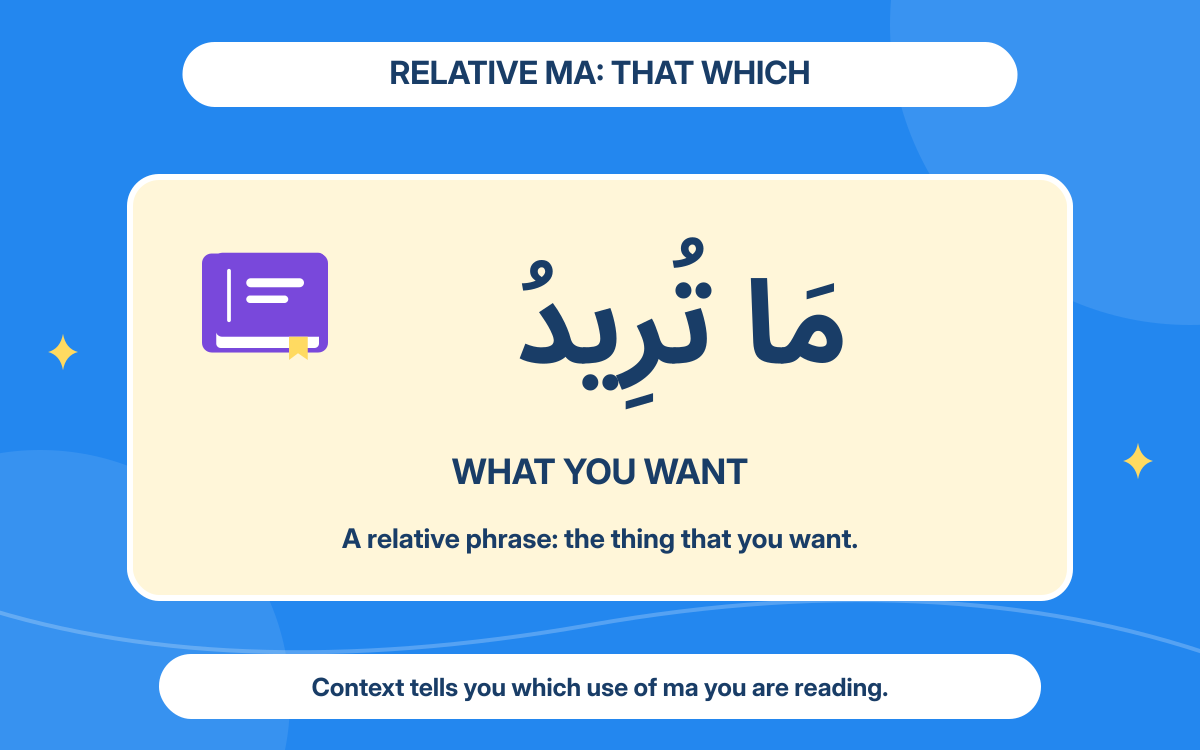
Relative Ma in Arabic: What You Want and What They Said
مَا يَسْتَنِدُ إِلَيْهِ عَمَلُنَا الْآنَ
Track relative ma as Muna specifies the content the present arrangement supports.
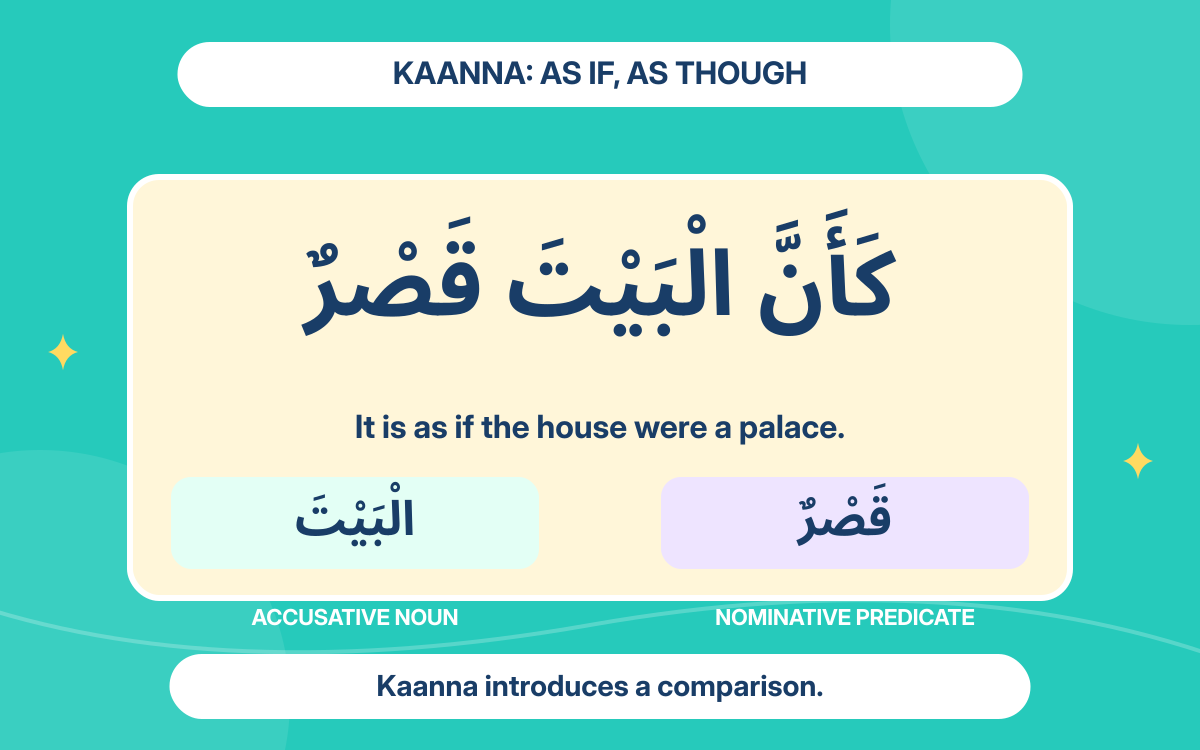
Kaanna in Arabic: As If and As Though
كَأَنَّهَا تَحْسِمُ كُلَّ سُؤَالٍ عَنِ الْمِلْكِيَّةِ.
Use kaanna to identify a misleading reading of a draft as a complete ownership settlement.
Fa in Arabic Conditional Sentences: When the Result Needs Fa
وَإِذَا وَصَلَ قَبُولٌ لِمَقْطَعٍ، فَسَنُطَابِقُهُ مَعَ الطَّلَبِ قَبْلَ أَنْ نُدْرِجَهُ فِي خُطَّةِ النَّشْرِ.
Follow the fa-linked future response to an acceptance that has not yet arrived.