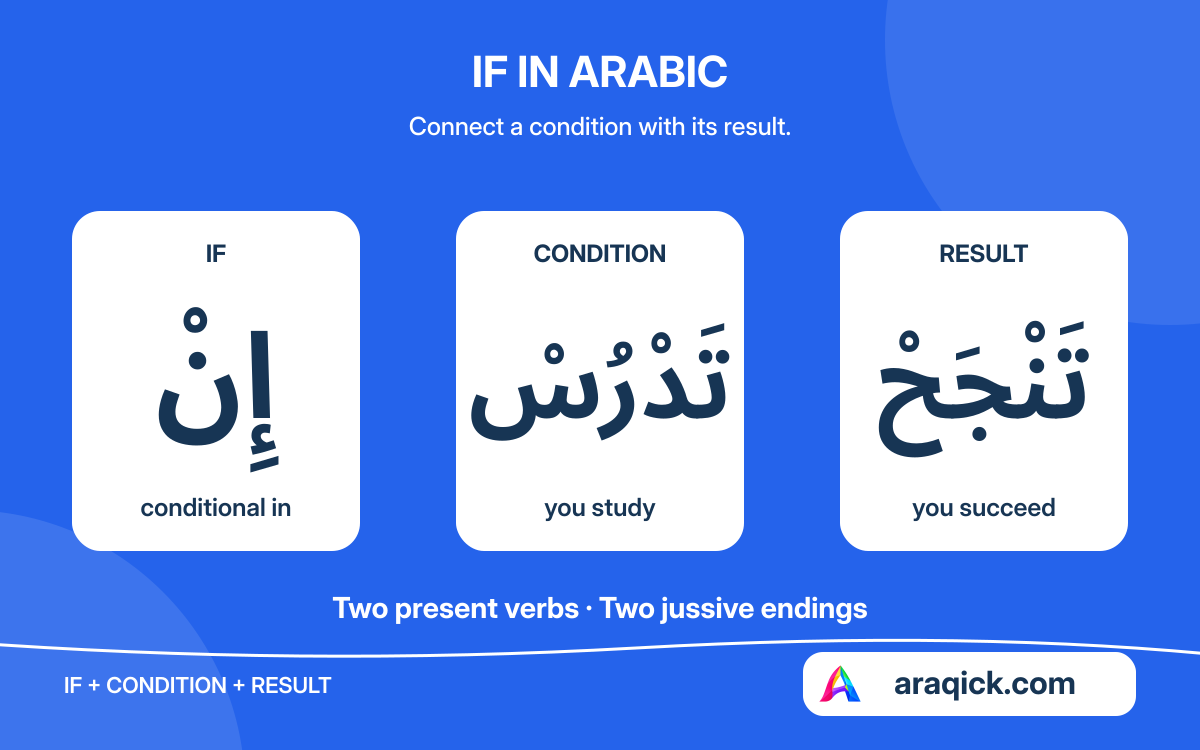
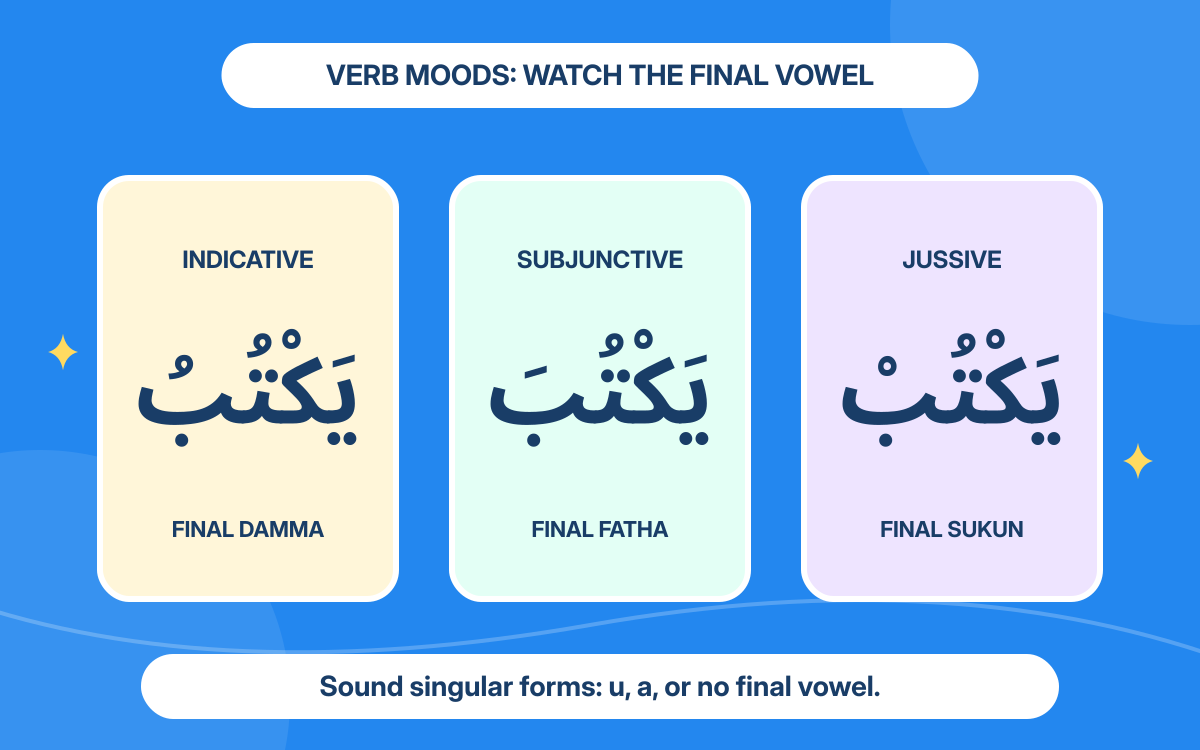
Idha, إِذَا, often introduces an event you expect or a situation that regularly occurs. English may use when or if. Its verb endings differ from those after in: idha does not itself make a present verb jussive. Learn the distinction through plans and everyday instructions.
01Introduce an expected situation
إِذَا وَصَلَ الْقِطَارُ نَرْكَبُ
idha wasala alqitaru narkabu
When the train arrives, we will board.
Wasala has a past form, but the train has not necessarily arrived. The whole conditional structure points to the expected arrival. Narkabu is the result. Translate the relationship between the clauses rather than assigning past time to every past-form verb.
02Keep the normal present ending
إِذَا اِنْتَهَى الدَّرْسُ أَرْجِعُ إِلَى الْبَيْتِ
idha intaha aldarsu arjiu ila albayti
When the lesson ends, I return home.
Arjiu keeps its final damma because idha is not a jussive governor. A different word inside the result can still affect the verb. Compare in with two simple present verbs, where the conditional construction itself calls for jussive forms.
03Recognise two past forms
إِذَا زُرْتَ الْمَعْرِضَ وَجَدْتَ كُتُبًا مُفِيدَةً
idha zurta almarida wajadta kutuban mufidatan
When you visit the exhibition, you will find useful books. — to one man
Zurta and wajadta are both past forms. In this future-oriented example they express a visit and its expected result. Idha can also introduce repeated situations; the wider sentence tells you whether English when, whenever or if sounds most natural.
04Link an instruction with fa
إِذَا وَصَلْتَ فَاتَّصِلْ بِي
idha wasalta fattasil bi
When you arrive, call me. — to one man
The command ittasil follows linking fa, producing fattasil in connected speech. A negative instruction works similarly: إِذَا دَخَلْتَ فَلَا تَصْرُخْ, when you enter, do not shout. Tasrukh is jussive because of prohibitive la, not because of idha.
See the conditional fa reference for nominal results and other combinations.
05Choose idha or in thoughtfully
Idha commonly presents the situation as expected or recurring; in often leaves its occurrence open. This is a useful tendency, not a probability formula. Both can sometimes be translated if. The reliable beginner distinction is grammatical: idha does not impose the jussive.
Do not confuse إِذَا with إِذْ, often when referring to past time, or إِذًا, a different response word. This lesson covers conditional idha. Keep verb mood and time reference as separate questions.
What to remember
- Conditional idha often means when or if in an expected or recurring situation.
- Past-form conditions can refer to the future; idha itself does not cause the jussive.
- A command result takes linking fa, and any governor inside it keeps its own effect.
Your reference shelf
Open a guide whenever you need it.
Three useful idha structuresMatch the result to the intended message
| Result type | Example | Meaning |
|---|---|---|
| Present verb | إِذَا وَصَلَ الْقِطَارُ نَرْكَبُ | When the train arrives, we will board. |
| Past form | إِذَا زُرْتَ الْمَعْرِضَ وَجَدْتَ كُتُبًا | When you visit the exhibition, you will find books. |
| Command | إِذَا وَصَلْتَ فَاتَّصِلْ بِي | When you arrive, call me. |
Idha and in: a quick comparisonSeparate meaning from verb mood
| Feature | Idha | In |
|---|---|---|
| Arabic | إِذَا | إِنْ |
| Common English reading | When; if | If |
| Typical framing | Expected or repeated situation | Open possibility |
| Governs jussive verbs? | No | Yes, in the simple present condition and result |
These are core patterns, not rules for every occurrence of either spelling. A linking fa result has its own internal grammar.
Sources & further learning
References for the language explanations and learning guidance.