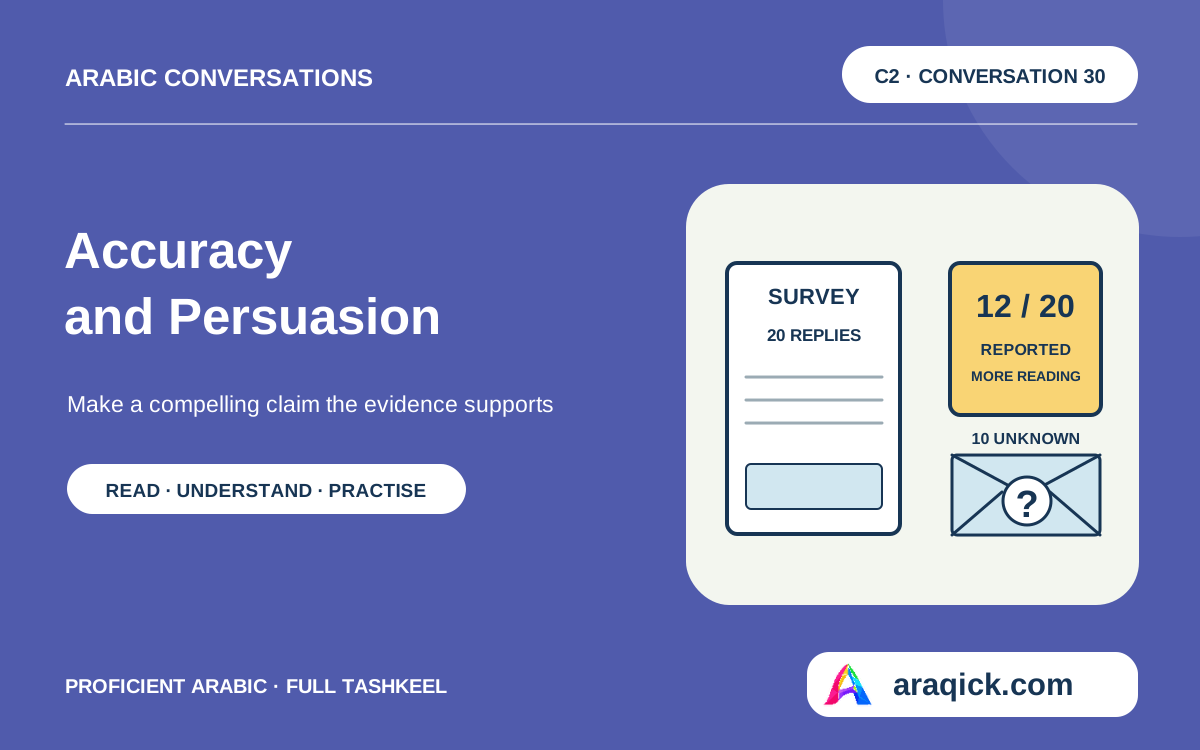
A writer, fact-checker and director draft an invitation for a fictional neighbourhood reading campaign. Thirty neighbours started, twenty answered a later survey, twelve reported reading more and eight did not; ten answers are missing. They test an attractive doubling claim against exactly what those invented records establish.
01Read the Arabic conversation
الْمُوَازَنَةُ بَيْنَ الدِّقَّةِ وَالْإِقْنَاعِ فِي حَمْلَةٍ
سَمِيرَةُ: أَعْدَدْتُ إِعْلَانًا لِحَمْلَةِ قِرَاءَةٍ مُتَخَيَّلَةٍ فِي حَيٍّ مُتَخَيَّلٍ. بَدَأَ ثَلَاثُونَ جَارًا بِحُضُورِ لِقَاءِ الْقِرَاءَةِ الْأَوَّلِ. أُرِيدُ عُنْوَانًا يَدْعُو غَيْرَهُمْ: ضَاعَفْنَا الْقِرَاءَةَ، وَالْبَابُ مَفْتُوحٌ لَكُمْ. الْإِيقَاعُ جَيِّدٌ، لَكِنَّنِي أَنْتَظِرُ مُرَاجَعَتَكُمَا لِلْوَعْدِ.
بَاسِمٌ: عِنْدَنَا اسْتِبْيَانٌ لَاحِقٌ أَجَابَ عَنْهُ عِشْرُونَ مِنَ الثَّلَاثِينَ. قَالَ اثْنَا عَشَرَ إِنَّهُمْ يَقْرَؤُونَ أَكْثَرَ، وَقَالَ ثَمَانِيَةٌ إِنَّهُمْ لَا يَقْرَؤُونَ أَكْثَرَ. وَالْعَشَرَةُ الْآخَرُونَ لَمْ يُجِيبُوا. هَذِهِ أَجْوِبَةٌ عَنْ تَغَيُّرٍ مُبَلَّغٍ عَنْهُ، لَا كَمِّيَّاتٌ تُثْبِتُ الْمُضَاعَفَةَ.
أَمِينَةُ: الْإِعْلَانُ سَيَدْعُو إِلَى لِقَاءٍ جَدِيدٍ لِلْقِرَاءَةِ مَعًا، لَا إِلَى مُنَافَسَةٍ فِي عَدَدِ الْكُتُبِ. وَيَهُمُّنِي أَنْ يَبْدُوَ حَيًّا. لَكِنْ هَلْ عِبَارَةُ ضَاعَفْنَا الْقِرَاءَةَ تُفْهَمُ كَمَجَازٍ عَنْ الْحَمَاسِ، أَمْ كَنَتِيجَةٍ يُمْكِنُ حِسَابُهَا؟
سَمِيرَةُ: قَصَدْتُ الْحَمَاسَ، لَا وَعْدَ كُلِّ قَارِئٍ بِمُضَاعَفَةِ كُتُبِهِ. غَيْرَ أَنَّ وَضْعَ الْعِبَارَةِ بِجَانِبِ نَتِيجَةِ الِاسْتِبْيَانِ يُعْطِيهَا وَزْنًا حِسَابِيًّا. أَسْتَطِيعُ حَذْفَ ضَاعَفْنَا، وَقَوْلَ سِتُّونَ بِالْمِئَةِ يَقْرَؤُونَ أَكْثَرَ؛ فَهَذَا هُوَ اثْنَا عَشَرَ مِنْ عِشْرِينَ.
بَاسِمٌ: الْحِسَابُ صَحِيحٌ لِلْمُجِيبِينَ، وَحَذْفُ اسْمِهِمْ يُوَسِّعُ الْجُمْلَةَ. قَدْ يَفْهَمُهَا الْقَارِئُ عَنِ الثَّلَاثِينَ، أَوْ عَنْ سُكَّانِ الْحَيِّ. إِنَّمَا أُقَيِّدُ النَّتِيجَةَ بِمَنْ أَجَابُوا وَبِمَا قَالُوهُ، لَا أَنْفِي أَنْ بَعْضَهُمْ قَرَأَ أَكْثَرَ.
أَمِينَةُ: إِذَنْ لَا نَسْتَبْدِلُ الْمُضَاعَفَةَ بِنِسْبَةٍ صَحِيحَةٍ حِسَابِيًّا وَغَامِضَةٍ فِي مَرْجِعِهَا. مَا السُّؤَالُ الَّذِي أَجَابُوا عَنْهُ بِالضَّبْطِ؟ أُرِيدُ أَنْ أَعْرِفَ هَلْ نَتَحَدَّثُ عَنْ مُقَارَنَةٍ حَدَّدَهَا الِاسْتِبْيَانُ، أَمْ عَنْ انْطِبَاعٍ عَامٍّ عَنْ الْقِرَاءَةِ.
سَمِيرَةُ: السُّؤَالُ هُوَ: هَلْ تَقْرَأُ الْآنَ أَكْثَرَ مِمَّا كُنْتَ تَقْرَأُ قَبْلَ الْحَمْلَةِ؟ اِخْتَارُوا نَعَمْ أَوْ لَا، وَلَمْ نَطْلُبْ عَدَدَ الصَّفَحَاتِ أَوِ الدَّقَائِقِ. لِذَلِكَ لَا يَحْمِلُ أَكْثَرُ مِقْدَارًا وَاحِدًا عِنْدَ الْجَمِيعِ، حَتَّى لَوِ اتَّفَقُوا عَلَى جِهَةِ التَّغَيُّرِ.
بَاسِمٌ: وَإِجَابَةُ لَا لَا تَعْنِي أَنَّ الثَّمَانِيَةَ تَوَقَّفُوا عَنِ الْقِرَاءَةِ. قَدْ يَكُونُ الْمِقْدَارُ نَفْسَهُ أَوْ أَقَلَّ؛ الِاسْتِبْيَانُ لَا يَفْصِلُ بَيْنَهُمَا. أَمَّا الْعَشَرَةُ فَلَا نَعْرِفُ أَجْوِبَتَهُمْ، وَلَا نَضُمُّهُمْ إِلَى نَعَمْ أَوْ لَا لِإِكْمَالِ صُورَةٍ مُرِيحَةٍ.
أَمِينَةُ: سَمِيرَةُ، هَلْ يُصْبِحُ الْعُنْوَانُ ثَقِيلًا إِذَا حَمَلَ هَذِهِ التَّفَاصِيلَ كُلَّهَا؟ أَرَى أَنْ نَفْصِلَ الدَّعْوَةَ عَنِ النَّتِيجَةِ، بِحَيْثُ لَا تَتَوَقَّفُ جَاذِبِيَّةُ اللِّقَاءِ عَلَى ادِّعَاءٍ أَكْبَرَ مِنَ الْمَعْلُومَاتِ. لَكِنْ لَا أُرِيدُ إِخْفَاءَ النَّتِيجَةِ الصَّغِيرَةِ الْمُتَاحَةِ.
سَمِيرَةُ: أَقْتَرِحُ: بَدَأَ ثَلَاثُونَ جَارًا؛ اِفْتَحْ صَفْحَتَكَ مَعَنَا. يَجْمَعُ الْعُنْوَانُ بَدَايَةً مُسَجَّلَةً وَدَعْوَةً مُبَاشِرَةً، وَلَا يَعِدُ بِنَتِيجَةٍ لِمَنْ يَنْضَمُّ. تَحْتَهُ أَكْتُبُ أَنَّ اللِّقَاءَ الْجَدِيدَ لِلْقِرَاءَةِ مَعًا، ثُمَّ أَعْرِضُ أَجْوِبَةَ الِاسْتِبْيَانِ فِي فَقْرَةٍ قَصِيرَةٍ.
بَاسِمٌ: هَذَا مَدْعُومٌ بِسِجِلِّ الْحُضُورِ الْأَوَّلِ، بِشَرْطِ أَلَّا نَصِفَ الثَّلَاثِينَ بِأَنَّهُمْ أَكْمَلُوا الْحَمْلَةَ. لَدَيْنَا بَدَايَتُهُمْ، وَلَيْسَ لَدَيْنَا هُنَا سِجِلٌّ يُثْبِتُ اسْتِمْرَارَ كُلٍّ مِنْهُمْ. وَكَلِمَةُ مَعَنَا تَدْعُو إِلَى اللِّقَاءِ، لَا إِلَى نَتِيجَةٍ مَضْمُونَةٍ.
أَمِينَةُ: أُفَضِّلُهُ عَلَى الْعُنْوَانِ الْأَوَّلِ، لَكِنْ هَلْ يَعْنِي ذَلِكَ أَنَّنَا لَا نَسْتَطِيعُ ذِكْرَ أَثَرِ الْحَمْلَةِ؟ النَّاسُ يَسْأَلُونَ لِمَاذَا يَحْضُرُونَ. أَسْتَطِيعُ وَصْفَ الْفُرْصَةِ الَّتِي نُقَدِّمُهَا، وَأَحْتَاجُ إِلَى مَعْرِفَةِ مَوْضِعِ الْحَدِّ فِي النَّتَائِجِ.
سَمِيرَةُ: أَنَا كَتَبْتُ أَيْضًا أَنَّ الْحَمْلَةَ جَعَلَتِ اثْنَيْ عَشَرَ جَارًا يَقْرَؤُونَ أَكْثَرَ. أَعْرِفُ الْآنَ أَنَّ عَدَدَهُمْ مَدْعُومٌ بِأَجْوِبَتِهِمْ، لَكِنْ هَلْ تَكْفِي مُقَارَنَتُهُمْ بِمَا قَبْلَ الْحَمْلَةِ لِإِسْنَادِ التَّغَيُّرِ إِلَيْهَا؟ لَمْ يَسْأَلْهُمُ الِاسْتِبْيَانُ عَنْ سَبَبِهِ.
بَاسِمٌ: لَا؛ وَقُوعُ التَّغَيُّرِ بَعْدَ الْحَمْلَةِ لَا يُعَيِّنُ سَبَبَهُ. لَمْ نُقَارِنْهُمْ بِمَجْمُوعَةٍ أُخْرَى، وَلَا نَعْرِفُ مَا تَغَيَّرَ فِي أَوْقَاتِهِمْ. هَذَا لَا يُثْبِتُ أَنَّ الْحَمْلَةَ بِلَا أَثَرٍ، بَلْ يَمْنَعُ هَذِهِ الْأَجْوِبَةَ مِنْ حَمْلِ الْإِسْنَادِ السَّبَبِيِّ وَحْدَهَا.
أَمِينَةُ: سَنَقُولُ إِنَّنَا نُتِيحُ لِقَاءً لِلْقِرَاءَةِ مَعًا، وَهَذَا وَصْفٌ لِمَا نُنَظِّمُهُ. وَسَنَنْسِبُ أَكْثَرَ إِلَى أَجْوِبَةِ أَصْحَابِهَا، لَا إِلَى قِيَاسٍ لِلْأَثَرِ. أُرِيدُ فَقْرَةً تَبْقَى وَاضِحَةً إِذَا قَرَأَهَا شَخْصٌ لَمْ يَحْضُرْ هَذِهِ الْمُنَاقَشَةَ.
سَمِيرَةُ: أَكْتُبُ: مِنْ ثَلَاثِينَ جَارًا بَدَؤُوا، أَجَابَ عِشْرُونَ عَنِ اسْتِبْيَانٍ لَاحِقٍ؛ قَالَ اثْنَا عَشَرَ إِنَّهُمْ يَقْرَؤُونَ أَكْثَرَ مِمَّا كَانُوا يَقْرَؤُونَ قَبْلَ الْحَمْلَةِ، وَقَالَ ثَمَانِيَةٌ إِنَّهُمْ لَا يَقْرَؤُونَ أَكْثَرَ. لَمْ نَتَلَقَّ أَجْوِبَةَ الْعَشَرَةِ الْبَاقِينَ. هَلْ تَحْتَاجُ الْفَقْرَةُ إِلَى النِّسْبَةِ أَيْضًا؟
بَاسِمٌ: الْأَعْدَادُ تُظْهِرُ الْمَقَامَ دُونَ حَاجَةٍ إِلَى نِسْبَةٍ أُخْرَى. أُضِيفُ جُمْلَةً عَنْ حَدِّ الْمَعْلُومَاتِ: لَمْ نَسْأَلْ عَنْ مِقْدَارِ الزِّيَادَةِ، وَلَا تُثْبِتُ هَذِهِ الْأَجْوِبَةُ وَحْدَهَا أَنَّ الْحَمْلَةَ سَبَّبَتْهَا. هَذَا يُفَسِّرُ حَذْفَ الْمُضَاعَفَةِ وَالْإِسْنَادِ، دُونَ إِلْغَاءِ الْأَجْوِبَةِ.
أَمِينَةُ: مَكَانُ هَذِهِ الْفَقْرَةِ تَحْتَ الْعُنْوَانِ فِي الْإِعْلَانِ نَفْسِهِ، لَا فِي رَابِطٍ بَعِيدٍ. وَإِذَا اخْتَصَرْنَا الْإِعْلَانَ لِبِطَاقَةٍ أَصْغَرَ، نَحْفَظُ الدَّعْوَةَ وَعَدَدَ مَنْ بَدَؤُوا، وَنَحْذِفُ النَّتِيجَةَ كُلَّهَا إِذَا لَمْ تَتَّسِعِ الْبِطَاقَةُ لِحُدُودِهَا. لَا نُبْقِي نِسْبَةً عَارِيَةً.
سَمِيرَةُ: كُنْتُ أَظُنُّ أَنَّ حَاشِيَةً تَقُولُ وَفْقَ اسْتِبْيَانٍ سَتَحْمِي الْعُنْوَانَ الْأَوَّلَ. الْآنَ أَرَى أَنَّهَا تُسَمِّي مَصْدَرًا وَلَا تُصَحِّحُ مَا يَحْمِلُهُ ضَاعَفْنَا مِنْ مِقْدَارٍ وَسَبَبٍ. سَأَجْعَلُ الْعُنْوَانَ نَفْسَهُ صَحِيحًا، ثُمَّ أَخْتَصِرُ الشَّرْحَ حَيْثُ يَسْمَحُ الْمَعْنَى.
بَاسِمٌ: وَلَا نَتَصَرَّفُ فِي صَمْتِ الْعَشَرَةِ كَأَنَّهُ رَفْضٌ لِلْحَمْلَةِ. عَدَمُ الْإِجَابَةِ يَصِفُ مَا وَصَلَ إِلَيْنَا، لَا مَا فَعَلُوهُ أَوْ شَعَرُوا بِهِ. وَالْبَدْءُ الْمُسَجَّلُ لِلثَّلَاثِينَ لَا يَتَحَوَّلُ إِلَى سِجِلِّ إِكْمَالٍ بِسَبَبِ عَدَدِ الْمُجِيبِينَ.
أَمِينَةُ: أُوَافِقُ عَلَى الْعُنْوَانِ الْجَدِيدِ وَالْفَقْرَةِ بِجُمْلَةِ الْحُدُودِ. لَمْ أَعْتَمِدْ نِسْبَةَ سِتِّينَ بِالْمِئَةِ عُنْوَانًا، وَلَا عِبَارَةَ جَعَلَتْهُمْ يَقْرَؤُونَ أَكْثَرَ. سَيَبْقَى اللِّقَاءُ دَعْوَةً إِلَى فِعْلٍ مُمْكِنٍ، وَالنَّتِيجَةُ خَبَرًا عَنْ أَجْوِبَةٍ حَدَّدْنَا أَصْحَابَهَا.
سَمِيرَةُ: سَأُعِدُّ الْبِطَاقَةَ الْمُخْتَصَرَةَ بِالدَّعْوَةِ وَالْبَدَايَةِ الْمُسَجَّلَةِ فَقَطْ، وَالْإِعْلَانَ الْأَطْوَلَ بِالْفَقْرَةِ الْمُعْتَمَدَةِ. أَظُنُّ أَنَّ فِعْلَ اِفْتَحْ يَمْنَحُ الْعُنْوَانَ حَرَكَةً، وَلَا أَحْتَاجُ إِلَى تَعْوِيضِ حَذْفِ الْمُضَاعَفَةِ بِوَعْدٍ أَقْوَى عَنْ فَائِدَةٍ لَمْ نَقِسْهَا.
بَاسِمٌ: إِذَا وَصَلَتْ أَجْوِبَةٌ جَدِيدَةٌ، فَسَنُرَاجِعُ الْأَعْدَادَ وَنَذْكُرُ وَقْتَ التَّحْدِيثِ. وَإِذَا سَأَلْنَا عَنْ كَمِّيَّاتٍ، فَتِلْكَ مَعْلُومَاتٌ جَدِيدَةٌ، لَا تَفْسِيرٌ مُتَأَخِّرٌ لِنَعَمْ وَلَا الْحَالِيَّتَيْنِ. لَا أَحْمِلُ الِاسْتِبْيَانَ الْقَدِيمَ مَا لَمْ يَسْأَلْ عَنْهُ.
أَمِينَةُ: لَمْ تَصِلْ أَجْوِبَةٌ جَدِيدَةٌ أَثْنَاءَ هَذِهِ الْجَلْسَةِ، فَنَنْشُرُ الْأَعْدَادَ الْحَالِيَّةَ كَمَا هِيَ. لَا نَعْرِضُ خُطَّةَ السُّؤَالِ عَنْ كَمِّيَّاتٍ كَأَنَّهَا قِيَاسٌ تَمَّ. وَسَأُرَاجِعُ الْعُنْوَانَ فِي النُّسْخَتَيْنِ، وَالْفَقْرَةَ فِي الْإِعْلَانِ الْأَطْوَلِ، لِأَتَأَكَّدَ مِنْ بَقَائِهِمَا فِي مَكَانِهِمَا الْمُحَدَّدِ.
سَمِيرَةُ: بَقِيَ لَدَيَّ خِلَافٌ صَغِيرٌ عَلَى طُولِ جُمْلَةِ الْحُدُودِ؛ أَرَى أَنَّهَا تُبْطِئُ الْقِرَاءَةَ. لَكِنِّي لَا أَحْذِفُهَا مِنَ النَّتِيجَةِ الْمَنْشُورَةِ. سَأَبْحَثُ عَنْ تَوْزِيعٍ أَوْضَحَ لِلسُّطُورِ، لَا عَنْ جُمْلَةٍ تُعِيدُ إِلَيْنَا الْمُضَاعَفَةَ مِنْ بَابِ الْإِيحَاءِ.
بَاسِمٌ: وَأَنَا سَأُرَاجِعُ ذَلِكَ التَّوْزِيعَ، لِأَنَّ دِقَّةَ الْكَلِمَاتِ لَا تَكْفِي إِذَا انْفَصَلَ الْمَقَامُ عَنِ الْعَدَدِ بِصَرِيًّا. لَيْسَ مَطْلُوبًا أَنْ يَشْبَهَ الْإِعْلَانُ جَدْوَلًا، بَلْ أَنْ يَبْقَى مَنْ أَجَابَ وَمَا قَالَهُ قَرِيبَيْنِ مِنَ النَّتِيجَةِ الَّتِي نَذْكُرُهَا.
أَمِينَةُ: نَنْشُرُ الدَّعْوَةَ الْمُحَدَّدَةَ وَنَحْفَظُ الْأَعْدَادَ وَحُدُودَهَا. أَخْتَارُ عُنْوَانًا يُحَرِّكُ الْقَارِئَ نَحْوَ اللِّقَاءِ، وَلَا يَحْمِلُهُ عَلَى تَصْدِيقِ أَثَرٍ غَيْرِ مُثْبَتٍ. بَدَأَ ثَلَاثُونَ، وَأَجَابَ عِشْرُونَ، وَالْعَشَرَةُ بِلَا أَجْوِبَةٍ؛ تَعْدِيلُ الصِّيَاغَةِ لَمْ يُغَيِّرْ هَذِهِ الْوَقَائِعَ.
Show English translationHide English translation
Samira — campaign writer seeking a memorable invitation: I prepared an advertisement for a fictional reading campaign in a fictional neighbourhood. Thirty neighbours started by attending the first reading meeting. I want a headline inviting others: We doubled reading, and the door is open to you. The rhythm is good, but I am awaiting your review of the promise.
Basim — fact-checker distinguishing reported change from measured effect: We have a later survey answered by twenty of the thirty. Twelve said they read more, and eight said they do not read more. The other ten did not answer. These are answers about reported change, not quantities establishing doubling.
Amina — campaign director choosing the public wording: The advertisement will invite people to a new meeting to read together, not to a competition in book counts. I want it to feel lively. But is We doubled reading understood as a metaphor for enthusiasm, or as a result that can be calculated?
Samira — campaign writer seeking a memorable invitation: I meant enthusiasm, not a promise that every reader would double their books. But placing the phrase beside the survey result gives it numerical weight. I can remove We doubled and say Sixty per cent read more; that is twelve out of twenty.
Basim — fact-checker distinguishing reported change from measured effect: The calculation is correct for the respondents, and removing their designation broadens the sentence. A reader may understand it as about the thirty, or about the neighbourhood’s residents. I am only restricting the result to those who answered and what they said, not denying that some read more.
Amina — campaign director choosing the public wording: Then we should not replace doubling with a percentage that is arithmetically correct but unclear in its reference. Exactly what question did they answer? I want to know whether we are discussing a comparison specified by the survey or a general impression of reading.
Samira — campaign writer seeking a memorable invitation: The question is: Do you now read more than you did before the campaign? They chose yes or no, and we did not ask for the number of pages or minutes. More therefore does not carry one quantity for everyone, even if they agree on the direction of change.
Basim — fact-checker distinguishing reported change from measured effect: An answer of no does not mean the eight stopped reading. The quantity could be the same or lower; the survey does not distinguish those. As for the ten, we do not know their answers and do not add them to yes or no to complete a convenient picture.
Amina — campaign director choosing the public wording: Samira, would the headline become heavy if it carried all those details? I think we should separate the invitation from the result so that the meeting’s appeal does not depend on a claim larger than the information. But I do not want to hide the limited result available.
Samira — campaign writer seeking a memorable invitation: I propose: Thirty neighbours started; open your page with us. The headline combines a recorded beginning and a direct invitation without promising an outcome to someone who joins. Beneath it I will write that the new meeting is for reading together, then present the survey answers in a short paragraph.
Basim — fact-checker distinguishing reported change from measured effect: That is supported by the first attendance record, provided we do not describe the thirty as having completed the campaign. We have their beginning, and we have no record here proving each continued. With us invites people to the meeting, not to a guaranteed outcome.
Amina — campaign director choosing the public wording: I prefer it to the first headline, but does that mean we cannot mention the campaign’s effect? People ask why they should attend. I can describe the opportunity we offer, and I need to know where the limit lies in discussing outcomes.
Samira — campaign writer seeking a memorable invitation: I also wrote that the campaign made twelve neighbours read more. I now know their number is supported by their answers, but does their comparison with before the campaign suffice to attribute the change to it? The survey did not ask them its cause.
Basim — fact-checker distinguishing reported change from measured effect: No; a change occurring after the campaign does not identify its cause. We did not compare them with another group, and we do not know what changed in their schedules. This does not prove the campaign has no effect; it prevents these answers from carrying causal attribution on their own.
Amina — campaign director choosing the public wording: We will say we offer a meeting for reading together, which describes what we organise. We will attribute more to its respondents’ answers, not to a measurement of effect. I want a paragraph that remains clear to someone who did not attend this discussion.
Samira — campaign writer seeking a memorable invitation: I will write: Of thirty neighbours who started, twenty answered a later survey; twelve said they read more than before the campaign, and eight said they do not read more. We received no answers from the remaining ten. Does the paragraph also need the percentage?
Basim — fact-checker distinguishing reported change from measured effect: The counts show the denominator without needing another percentage. I will add a sentence about the information’s limit: We did not ask how much the increase was, and these answers alone do not establish that the campaign caused it. That explains removing doubling and attribution without cancelling the answers.
Amina — campaign director choosing the public wording: That paragraph belongs beneath the headline in the advertisement itself, not in a distant link. If we shorten the advertisement for a smaller card, we retain the invitation and the number who started, and remove the entire result if its limits cannot fit. We do not retain an unqualified percentage.
Samira — campaign writer seeking a memorable invitation: I thought a footnote saying according to a survey would protect the first headline. Now I see that it names a source without correcting the quantity and cause carried by We doubled. I will make the headline itself accurate, then shorten the explanation where the meaning allows.
Basim — fact-checker distinguishing reported change from measured effect: Nor do we treat the ten people’s silence as rejection of the campaign. Nonresponse describes what reached us, not what they did or felt. The recorded beginning of thirty people does not turn into a completion record because of the number of respondents.
Amina — campaign director choosing the public wording: I approve the new headline and the paragraph with its sentence of limits. I have not adopted sixty per cent as a headline or the phrase made them read more. The meeting will remain an invitation to a possible action, and the result a report of answers whose respondents we specified.
Samira — campaign writer seeking a memorable invitation: I will prepare the shorter card with only the invitation and recorded beginning, and the longer advertisement with the approved paragraph. I think the verb open gives the headline movement, and I do not need to compensate for removing doubling with a stronger promise about a benefit we did not measure.
Basim — fact-checker distinguishing reported change from measured effect: If new answers arrive, we will revise the counts and state when the update occurred. If we ask about quantities, that will be new information, not a late interpretation of the present yes and no answers. I do not make the old survey carry what it did not ask about.
Amina — campaign director choosing the public wording: No new answers arrived during this session, so we will publish the current counts as they are. We do not present a plan to ask about quantities as a measurement already made. I will review the headline in both versions, and the paragraph in the longer advertisement, to ensure each stays in its specified place.
Samira — campaign writer seeking a memorable invitation: I still have a small disagreement about the length of the limits sentence; I think it slows reading. But I will not remove it from the published result. I will seek clearer line distribution, not a sentence that brings doubling back through implication.
Basim — fact-checker distinguishing reported change from measured effect: I will review that distribution because precise words are insufficient if the denominator is visually separated from the count. The advertisement need not resemble a table, but who answered and what they said should remain close to the result we mention.
Amina — campaign director choosing the public wording: We will publish the specific invitation and preserve the counts and their limits. I choose a headline that moves the reader towards the meeting without leading them to believe an unestablished effect. Thirty started, twenty answered, and ten have no answers; revising the wording did not change these facts.
02Useful words and expressions
| Arabic in the conversation | Meaning here |
|---|---|
| بِحُضُورِ لِقَاءِ الْقِرَاءَةِ الْأَوَّلِ | by attending the first reading meeting |
| تَغَيُّرٍ مُبَلَّغٍ عَنْهُ | a reported change |
| وَزْنًا حِسَابِيًّا | numerical weight |
| وَحَذْفُ اسْمِهِمْ | and removing their designation |
| وَغَامِضَةٍ فِي مَرْجِعِهَا | and unclear in its reference |
| جِهَةِ التَّغَيُّرِ | the direction of change |
| وَالْبَدْءُ الْمُسَجَّلُ | and the recorded beginning |
| الْإِسْنَادِ السَّبَبِيِّ | causal attribution |
| الْمَقَامَ | the denominator |
| نِسْبَةً عَارِيَةً | an unqualified percentage |
| خَبَرًا عَنْ أَجْوِبَةٍ | a report of answers |
| مِنْ بَابِ الْإِيحَاءِ | through implication |
03Check your understanding
Choose one answer for each question. Look back at the Arabic conversation for evidence. Open the English question support or a hint when you need help.
What to remember
- Twelve of twenty respondents report more reading; the ten nonrespondents’ outcomes and the amount of any increase remain unknown.
- Correct arithmetic needs its denominator, and reported change after a campaign does not establish that the campaign caused it.
- The group approves a lively invitation with precise counts and nearby limits; improved wording supplies no new survey evidence.
Explore the Arabic in this conversation
Related grammar and vocabularyOpen Araqick guides connected to this conversation.
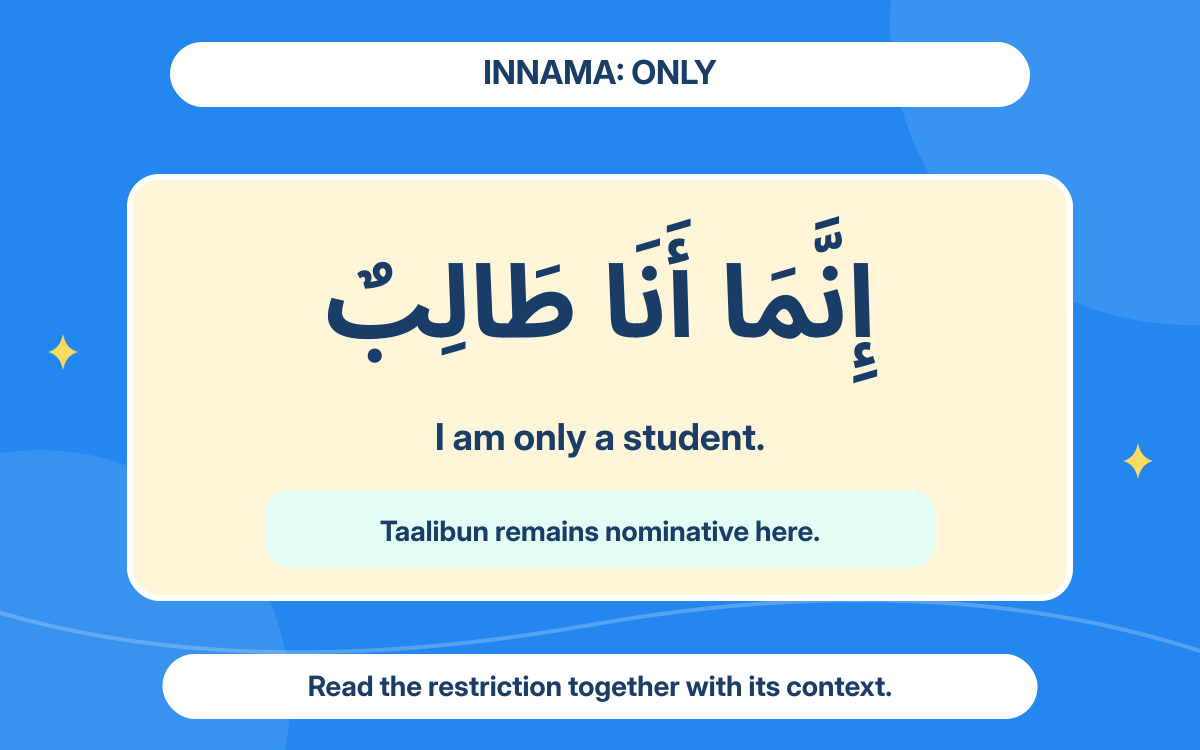
Innama in Arabic: Only and Restriction
إِنَّمَا أُقَيِّدُ النَّتِيجَةَ بِمَنْ أَجَابُوا وَبِمَا قَالُوهُ
Read innama restricting the fact-checker’s intervention to the respondents and what their answers establish.
Idha in Arabic: How to Say When and If
إِذَا وَصَلَتْ أَجْوِبَةٌ جَدِيدَةٌ، فَسَنُرَاجِعُ الْأَعْدَادَ وَنَذْكُرُ وَقْتَ التَّحْدِيثِ
Follow idha introducing a future update conditional on receiving additional answers.
Lam in Arabic: How to Say “Did Not”
لَمْ نُقَارِنْهُمْ بِمَجْمُوعَةٍ أُخْرَى
Use lam to deny that a comparison with another group was made in this invented case.