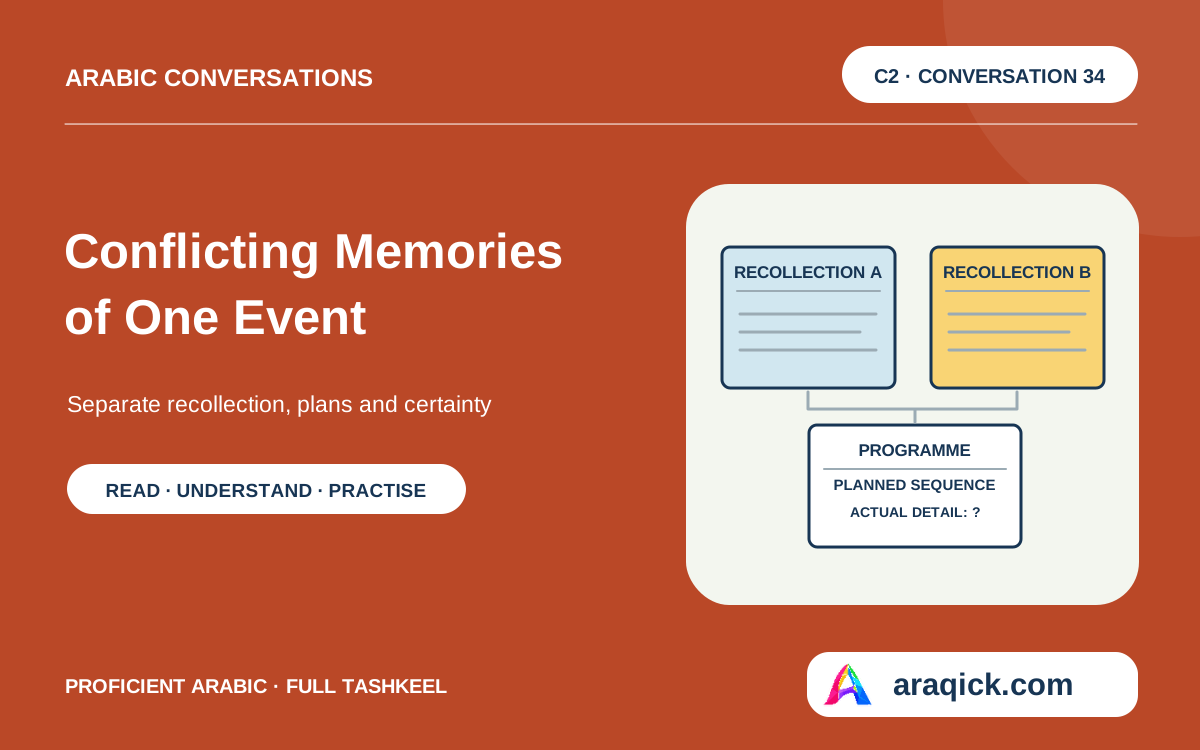
Witnesses Adil and Rana recall a fictional exhibition opening differently. Oral historian Dalia and archivist Mazin compare their locations, the meanings of opening and music, a printed programme and a photograph without turning a planned sequence into a verified one.
01Read the Arabic conversation
تَفْسِيرُ ذِكْرَيَاتٍ مُتَعَارِضَةٍ عَنْ حَدَثٍ
عَادِلٌ: أَتَذَكَّرُ افْتِتَاحَ مَعْرِضِنَا بِوُضُوحٍ: فُتِحَ الْبَابُ، ثُمَّ سَمِعْتُ الْمُوسِيقَى. لِذَلِكَ اسْتَغْرَبْتُ عِبَارَةَ رَنَا عَنِ الْعَزْفِ قَبْلَ الِافْتِتَاحِ. أَعْنِي مَعْرِضَ الْأَوْرَاقِ الْمُلَوَّنَةِ الَّذِي أَقَمْنَاهُ فِي الْقَاعَةِ.
رَنَا: وَأَنَا أَعْنِي الْمَعْرِضَ نَفْسَهُ. كُنْتُ قُرْبَ الْمِنَصَّةِ، وَسَمِعْتُ نَغْمَةً قَبْلَ أَنْ تَبْدَأَ كَلِمَةُ التَّرْحِيبِ. لَمْ أَنْظُرْ إِلَى سَاعَةٍ، لَكِنَّنِي أَتَذَكَّرُ أَنَّ صَوْتَ الْكَلَامِ جَاءَ بَعْدَ صَوْتِ الْعَزْفِ، لَا قَبْلَهُ.
دَالِيَا: مَعْرِضُنَا وَسِجِلَّاتُهُ حَالَةٌ مُتَخَيَّلَةٌ فِي هَذَا الْحِوَارِ. أُسَجِّلُ الْآنَ ذِكْرَيَيْكُمَا، لَا تَسْجِيلًا مُعَاصِرًا لِلْحَدَثِ. قَبْلَ تَصْنِيفِ الْقَوْلَيْنِ كَتَنَاقُضٍ، لِنُحَدِّدْ مَا يَعْنِيهِ كُلٌّ مِنْكُمَا بِالِافْتِتَاحِ وَبِالْمُوسِيقَى الَّتِي سَمِعَهَا.
مَازِنٌ: لَدَيْنَا بَرْنَامَجٌ طُبِعَ قَبْلَ الْمَعْرِضِ بِيَوْمَيْنِ: الْأَبْوَابُ عِنْدَ السَّادِسَةِ، وَالتَّرْحِيبُ بَعْدَ عَشْرِ دَقَائِقَ، وَالْمَقْطُوعَةُ بَعْدَ خَمْسَ عَشْرَةَ دَقِيقَةً مِنَ السَّادِسَةِ. أُؤَكِّدُ التَّرْتِيبَ الْمَطْبُوعَ، لَا تَنْفِيذَهُ فِي الْقَاعَةِ.
عَادِلٌ: بِالِافْتِتَاحِ أَقْصِدُ فَتْحَ الْبَابِ الْخَارِجِيِّ لِلْجُمْهُورِ؛ كُنْتُ أَنْتَظِرُ خَارِجَهُ. لَمْ أَكُنْ قُرْبَ الْمِنَصَّةِ قَبْلَ ذَلِكَ. حِينَ دَخَلْتُ، بَقِيتُ بِجَانِبِ الْبَابِ أُسَاعِدُ زَائِرًا فِي الْعُثُورِ عَلَى بَطَاقَةِ الدُّخُولِ الَّتِي أَضَاعَهَا.
رَنَا: أَمَّا أَنَا فَأَقْصِدُ بِهِ كَلِمَةَ التَّرْحِيبِ. كُنْتُ دَاخِلَ الْقَاعَةِ أُرَتِّبُ الْبِطَاقَاتِ قَبْلَ دُخُولِ الْجُمْهُورِ، ثُمَّ انْشَغَلْتُ بِالْمِنَصَّةِ. لَمْ أُرَاقِبِ الْبَابَ، فَلَا أَعْرِفُ إِنْ كَانَتِ النَّغْمَةُ الَّتِي سَمِعْتُهَا قَبْلَ فَتْحِهِ أَوْ بَعْدَهُ.
دَالِيَا: إِذَنْ جُزْءٌ مِنَ الْخِلَافِ يَتَعَلَّقُ بِمَرْجِعِ الْكَلِمَةِ. سَمَاعُ عَادِلٍ لِلْمُوسِيقَى بَعْدَ فَتْحِ الْبَابِ لَا يُنَاقِضُ وَحْدَهُ سَمَاعَ رَنَا لَهَا قَبْلَ كَلِمَةِ التَّرْحِيبِ. لَكِنْ هَلْ تَتَذَكَّرَانِ تَرْتِيبَ النَّغْمَةِ وَالْكَلِمَةِ نَفْسَيْهِمَا عَلَى نَحْوٍ مُخْتَلِفٍ؟
مَازِنٌ: الصُّورَةُ الَّتِي حَفِظْنَاهَا تُظْهِرُ رَنَا قُرْبَ الْمِنَصَّةِ وَعَازِفَ الْكَمَانِ جَالِسًا. لَا تَحْمِلُ تَوْقِيتًا، وَلَا تُبَيِّنُ مَا إِنْ كَانَ يَعْزِفُ لَحْظَتَهَا. هِيَ أَثَرٌ مِنَ الْحَدَثِ، لَكِنَّهَا لَا تُرَتِّبُ الْأَصْوَاتَ الَّتِي نُنَاقِشُهَا.
عَادِلٌ: أَتَذَكَّرُ الْآنَ أَنَّنِي سَمِعْتُ نِهَايَةَ كَلِمَةِ التَّرْحِيبِ وَالتَّصْفِيقَ، ثُمَّ سَمِعْتُ النَّغْمَةَ الرَّئِيسِيَّةَ. لَا أَسْتَطِيعُ تَرْدِيدَهَا، لَكِنَّنِي رَبَطْتُهَا بِبَدْءِ الْفَقْرَةِ الْمُوسِيقِيَّةِ. أَعْرِفُ أَنَّ هَذَا تَفْصِيلٌ أَدَقُّ مِنْ قَوْلِي الْأَوَّلِ عَنِ الْبَابِ.
رَنَا: أَسْتَطِيعُ تَرْدِيدَ النَّغْمَةِ الَّتِي أَعْنِيهَا، وَأَظُنُّ أَنَّهَا مِنَ الْمَقْطُوعَةِ الرَّئِيسِيَّةِ. سَمِعْتُهَا قَبْلَ التَّرْحِيبِ، لَكِنَّ وَظِيفَةَ الْعَزْفِ لَمْ تَكُنْ وَاضِحَةً لِي. لَمْ أَسْأَلِ الْعَازِفَ إِنْ كَانَ يَتَدَرَّبُ أَمْ يَبْدَأُ الْفَقْرَةَ الْمُعْلَنَةَ.
دَالِيَا: قَدْ يَكُونُ هُنَاكَ تَكْرَارٌ، فَتُسْمَعُ نَغْمَةٌ فِي تَجْرِبَةٍ ثُمَّ فِي الْفَقْرَةِ. هَذَا احْتِمَالٌ يُفَسِّرُ بَعْضَ الْفَرْقِ، لَا وَاقِعَةٌ أَثْبَتْنَاهَا. وَقَدْ يَكُونُ تَرْتِيبُ إِحْدَى الذِّكْرَيَيْنِ غَيْرَ دَقِيقٍ؛ لَا أَمْلِكُ دَلِيلًا يَحْسِمُ ذَلِكَ.
مَازِنٌ: لَا نَحْفَظُ نُسْخَةً مُعَدَّلَةً مِنَ الْبَرْنَامَجِ، وَلَكِنَّ غِيَابَهَا لَا يُثْبِتُ الْتِزَامَ الْمَوَاعِيدِ. كَمَا أَنَّهُ لَا يُثْبِتُ تَأَخُّرًا أَوْ تَقْدِيمًا. الْوَثِيقَةُ تَجِيبُ عَمَّا كَانَ مُقَرَّرًا، وَتَسْكُتُ عَمَّا إِذَا كَانَ قَدْ تَغَيَّرَ.
عَادِلٌ: كُنْتُ سَأَسْتَخْدِمُ الْبَرْنَامَجَ لِتَأْكِيدِ مَا أَتَذَكَّرُهُ، لِأَنَّ تَرْتِيبَهُ يُشْبِهُ مَا أَقُولُهُ الْآنَ. لَكِنَّنِي لَمْ أَقْرَأْ وَقْتَ الْفَقْرَةِ الْمَطْبُوعَ فِي تِلْكَ اللَّحْظَةِ. فَلَا يَحِقُّ لِي أَنْ أُحَوِّلَ تَوَافُقَهُ مَعَ رِوَايَتِي إِلَى مُشَاهَدَةٍ جَدِيدَةٍ.
رَنَا: وَقِرَاءَةُ الْبَرْنَامَجِ تَجْعَلُنِي أُرَتِّبُ الصُّورَةَ فِي رَأْسِي بِسُهُولَةٍ أَيْضًا. لَا أُرِيدُ أَنْ أُقَدِّمَ هَذَا التَّرْتِيبَ الْجَدِيدَ كَأَنَّهُ مَا رَأَيْتُهُ مِنَ الْبِدَايَةِ. لَدَيْكَ مَا كَتَبْتُهُ قَبْلَ أَنْ تُرِيَنَا الْوَرَقَةَ، أَلَيْسَ كَذَلِكَ؟
دَالِيَا: نَعَمْ، وَسَنُبْقِي مَرْحَلَتَيِ الْحَدِيثِ ظَاهِرَتَيْنِ. لَا أَقُولُ إِنَّ كُلَّ تَفْصِيلٍ مُتَأَخِّرٍ خَاطِئٌ؛ أُرِيدُ أَنْ يَعْرِفَ الْقَارِئُ مَتَى ظَهَرَ. هَذَا يُتِيحُ فَحْصَ الْعَلَاقَةِ بَيْنَ الشَّهَادَةِ وَالْوَثِيقَةِ دُونَ إِخْفَاءِ طَرِيقَةِ جَمْعِهِمَا.
مَازِنٌ: فِي الْوَرَقَتَيْنِ اللَّتَيْنِ كَتَبْتُمَاهُمَا قَبْلَ رُؤْيَةِ الْبَرْنَامَجِ، ذَكَرَ عَادِلٌ الْمُوسِيقَى بَعْدَ فَتْحِ الْبَابِ، وَذَكَرَتْ رَنَا النَّغْمَةَ قَبْلَ كَلِمَةِ التَّرْحِيبِ. أَمَّا رَبْطُ ذِكْرَى عَادِلٍ بِنِهَايَةِ الْكَلِمَةِ فَظَهَرَ فِي حَدِيثِنَا الْيَوْمَ.
عَادِلٌ: أَقْبَلُ ذِكْرَ ذَلِكَ بِجَانِبِ قَوْلِي، وَسَأُبْقِي تَعْبِيرَ أَتَذَكَّرُ الْآنَ. مَا زِلْتُ أَتَذَكَّرُهُ هَكَذَا، لَكِنَّ وُضُوحَهُ لِي لَا يَمْنَحُنِي مَوْقِعَ مَنْ سَمِعَ كُلَّ مَا جَرَى عِنْدَ الْمِنَصَّةِ.
رَنَا: وَأَنَا أُبْقِي شَهَادَتِي عَنِ النَّغْمَةِ قَبْلَ الْكَلِمَةِ، مَعَ فَصْلِهَا عَنِ تَسْمِيَةِ الْفَقْرَةِ. لَا أَتَرَاجَعُ عَمَّا أَتَذَكَّرُ سَمَاعَهُ، وَلَكِنَّنِي لَا أَسْتَطِيعُ بِذَلِكَ وَحْدَهُ أَنْ أُثْبِتَ أَنَّ الْفَقْرَةَ الْمُعْلَنَةَ قُدِّمَتْ عَنْ مَوْعِدِهَا.
دَالِيَا: وَعِنْدَ الْبَابِ، قَدْ يَكُونُ أَوَّلُ مَا سَمِعَهُ عَادِلٌ مُخْتَلِفًا عَنْ أَوَّلِ مَا عُزِفَ. هَذَا حَدٌّ لِمَوْقِعِهِ، لَا تَكْذِيبٌ لَهُ. لَكِنَّهُ لَا يَحُلُّ وَحْدَهُ سُؤَالَ النَّغْمَةِ نَفْسِهَا وَعَلَاقَتِهَا بِكَلِمَةِ التَّرْحِيبِ.
مَازِنٌ: الْمُسَوَّدَةُ الْقَدِيمَةُ تَرْوِي أَنَّ الْمَقْطُوعَةَ بَدَأَتْ عِنْدَ السَّادِسَةِ وَالرُّبْعِ بَعْدَ التَّرْحِيبِ. هِيَ تَأْخُذُ الْوَقْتَ مِنَ الْبَرْنَامَجِ وَتَجْعَلُهُ خَبَرًا عَنِ التَّنْفِيذِ. سَأُغَيِّرُهَا لِتَذْكُرَ أَنَّ الْبَرْنَامَجَ خَصَّصَ هَذَا الْوَقْتَ لِلْمَقْطُوعَةِ.
عَادِلٌ: لَا أُرِيدُ أَنْ تُذَابَ رِوَايَتِي فِي جُمْلَةٍ تَقُولُ إِنَّنَا لَا نَعْرِفُ شَيْئًا. نَعْرِفُ مَا كُتِبَ وَمَا أَتَذَكَّرُهُ، وَنُحَدِّدُ الْفَرْقَ بَيْنَهُمَا. أَتَحَمَّلُ نِسْبَةَ مَا أَتَذَكَّرُهُ إِلَيَّ، دُونَ أَنْ أَطْلُبَ تَحْوِيلَهَا إِلَى سَاعَةٍ مُشْتَرَكَةٍ لِلْجَمِيعِ.
رَنَا: وَلَا تُسَمُّوا الْأَمْرَ خِلَافًا حَوْلَ حُضُورِ الْمُوسِيقَى؛ كِلَانَا يَذْكُرُ سَمَاعَهَا. الْمَسْأَلَةُ فِي تَوْقِيتِ نَغْمَةٍ وَفِي وَظِيفَةِ الْعَزْفِ. هَذَا أَضْيَقُ مِنْ إِنْكَارِ الْحَدَثِ، وَأَوْسَعُ مِنْ مُجَرَّدِ اخْتِلَافِنَا عَلَى مَعْنَى كَلِمَةِ الِافْتِتَاحِ.
دَالِيَا: اِخْتِلَافُ الْمَوْقِعِ وَالتَّسْمِيَةِ فَسَّرَ جُزْءًا، وَلَمْ يُثْبِتْ صِحَّةَ كُلِّ تَفْصِيلٍ فِي الرِّوَايَتَيْنِ. لَنْ أَجْمَعَ الْجُمَلَ فِي تَسَلْسُلٍ يَبْدُو مُتَّفَقًا عَلَيْهِ، وَلَنْ أَجْعَلَ حِفْظَ الصَّوْتَيْنِ حُكْمًا بِتَسَاوِي أَدِلَّتِهِمَا.
مَازِنٌ: سَنَعْرِضُ الْبَرْنَامَجَ مَعَ تَارِيخِ طِبَاعَتِهِ، وَالصُّورَةَ مَعَ حُدُودِهَا، وَالشَّهَادَتَيْنِ مَعَ اسْمَيْ صَاحِبَيْهِمَا وَتَارِيخِ جَمْعِهِمَا. يَظْهَرُ تَفْسِيرُ كَلِمَةِ الِافْتِتَاحِ تَحْتَهُمَا، وَيَبْقَى تَوْقِيتُ النَّغْمَةِ وَكَوْنُهَا تَجْرِبَةً أَوْ عَرْضًا غَيْرَ مَحْسُومَيْنِ.
عَادِلٌ: كُنْتُ أَمِيلُ إِلَى الْوَرَقَةِ لِأَنَّهَا تَبْدُو أَكْثَرَ رَسْمِيَّةً مِنْ كَلَامِنَا. أَرَى أَنَّ لَهَا قُوَّةً فِي سُؤَالٍ مُحَدَّدٍ، لَا فِي كُلِّ سُؤَالٍ. سَأَقْرَأُ الْعِبَارَةَ الْمُعَدَّلَةَ لِأَتَأَكَّدَ أَنَّهَا تُبْقِي هَذَا الْفَرْقَ وَاضِحًا.
رَنَا: وَأَنَا أَطْلُبُ أَلَّا نَصِفَ اِخْتِلَافَ الرِّوَايَتَيْنِ بِأَنَّهُ خِدَاعٌ. قَدْ يَكُونُ أَحَدُنَا مُخْطِئًا فِي التَّرْتِيبِ، لَكِنَّنَا لَمْ نُثْبِتْ قَصْدَ التَّضْلِيلِ. وَلَا أُرِيدُ أَنْ يَصِيرَ تَحَفُّظِي عَلَى تَسْمِيَةِ الْعَزْفِ تَرَاجُعًا عَنْ ذِكْرَى سَمَاعِهِ.
دَالِيَا: إِذَا ظَهَرَ تَسْجِيلٌ مُتَّصِلٌ يَرْبِطُ النَّغْمَةَ بِالْكَلِمَةِ، فَسَنَفْحَصُهُ وَنُرَاجِعُ هَذَا الْحَدَّ. أَمَّا الْآنَ فَلَنْ أَسُدَّ الْفَجْوَةَ بِفَرْضِ التَّكْرَارِ لِإِرْضَائِكُمَا. السُّؤَالُ الْمَفْتُوحُ مُحَدَّدٌ، وَيُمْكِنُ أَنْ نَقُولَ مَا الَّذِي قَدْ يُسَاعِدُ عَلَى حَسْمِهِ.
مَازِنٌ: سَأَحْفَظُ الْمُسَوَّدَةَ الْمُعَدَّلَةَ وَمُلَاحَظَاتِ لِقَائِنَا مَعًا. لَنْ أَحْذِفَ النُّسْخَةَ الْقَدِيمَةَ، بَلْ سَأُبَيِّنُ سَبَبَ تَغْيِيرِهَا. مَا اتَّضَحَ هُوَ حُدُودُ الْمَصَادِرِ وَجُزْءٌ مِنْ مَرْجِعِ الْكَلِمَاتِ، لَا سِلْسِلَةُ أَحْدَاثٍ تَأَكَّدَتْ دَقِيقَةً بِدَقِيقَةٍ.
Show English translationHide English translation
Adil — first witness: I remember our exhibition opening clearly: the door opened, then I heard the music. That is why Rana’s statement about playing before the opening surprised me. I mean the coloured-paper exhibition we held in the hall.
Rana — second witness: I mean the same exhibition. I was near the platform and heard a melody before the welcome speech began. I did not look at a clock, but I remember the sound of speaking coming after the sound of playing, not before it.
Dalia — oral historian: Our exhibition and its records are an imagined case in this conversation. I am recording your memories now, not making a contemporaneous recording of the event. Before classifying the statements as contradictory, let us define what each of you means by opening and by the music you heard.
Mazin — archivist: We have a programme printed two days before the exhibition: doors at six, the welcome ten minutes later, and the piece fifteen minutes after six. I confirm the printed order, not its execution in the hall.
Adil — first witness: By opening I mean opening the outer door to the public; I was waiting outside it. I was not near the platform beforehand. When I entered, I stayed beside the door helping a visitor find the admission card he had lost.
Rana — second witness: I mean the welcome speech. I was inside the hall arranging cards before the public entered, then became occupied with the platform. I did not watch the door, so I do not know whether the melody I heard was before or after it opened.
Dalia — oral historian: Then part of the disagreement concerns the word’s referent. Adil hearing music after the door opened does not by itself contradict Rana hearing it before the welcome speech. But do you remember the order of the same melody and speech differently?
Mazin — archivist: The photograph we preserved shows Rana near the platform and the violinist seated. It has no time stamp and does not show whether he was playing at that moment. It is a trace of the event, but does not order the sounds we are discussing.
Adil — first witness: I now remember hearing the end of the welcome speech and the applause, then the main melody. I cannot hum it, but I associated it with the start of the musical item. I know this is more specific than my first statement about the door.
Rana — second witness: I can hum the melody I mean, and I think it belongs to the main piece. I heard it before the welcome, but the function of the playing was not clear to me. I did not ask the violinist whether he was practising or beginning the advertised item.
Dalia — oral historian: There may have been repetition, with a melody heard in a trial and then in the item. That is a possibility explaining part of the difference, not an event we have established. The order in one memory may also be inaccurate; I have no evidence settling that.
Mazin — archivist: We hold no amended programme, but its absence does not establish that the timings were kept. Nor does it establish a delay or an early start. The document answers what was scheduled and is silent on whether it changed.
Adil — first witness: I was going to use the programme to confirm my memory because its order resembles what I am saying now. But I did not read its stated time at that moment. I cannot turn its agreement with my account into a new observation.
Rana — second witness: Reading the programme also makes it easy for me to organise the picture in my head. I do not want to present this new arrangement as what I saw from the start. You have what I wrote before you showed us the sheet, do you not?
Dalia — oral historian: Yes, and we will keep both stages of the conversation visible. I am not saying every later detail is wrong; I want the reader to know when it appeared. This allows examination of the relationship between testimony and document without hiding how we collected them.
Mazin — archivist: In the two sheets you wrote before seeing the programme, Adil mentioned music after the door opened, and Rana mentioned the melody before the welcome speech. Linking Adil’s memory to the end of the speech appeared in our discussion today.
Adil — first witness: I accept mentioning that beside my statement, and will keep the expression “I now remember.” I still remember it this way, but its clarity to me does not put me in the position of someone who heard everything that happened at the platform.
Rana — second witness: I retain my account of the melody before the speech while separating it from naming the item. I am not withdrawing what I remember hearing, but that alone cannot establish that the advertised item was brought forward.
Dalia — oral historian: At the door, the first thing Adil heard may differ from the first thing played. That is a limit of his position, not a declaration that he is lying. But it does not by itself resolve the question of the same melody’s relationship to the welcome speech.
Mazin — archivist: The old draft recounts that the piece began at quarter past six after the welcome. It takes the time from the programme and makes it a report of execution. I will change it to say that the programme allocated this time to the piece.
Adil — first witness: I do not want my account dissolved into a sentence saying we know nothing. We know what was written and what I remember, and can identify the difference. I accept having the memory attributed to me without asking that it become a shared clock for everyone.
Rana — second witness: And do not call this a disagreement about whether music was present; we both remember hearing it. The issue concerns the timing of a melody and the function of the playing. This is narrower than denying the event, and broader than merely differing over the meaning of opening.
Dalia — oral historian: Different positions and terms explained part of the matter but did not establish every detail in both accounts as correct. I will not combine the sentences into an apparently agreed sequence or make preserving both voices a judgement that their evidence is equal.
Mazin — archivist: We will display the programme with its printing date, the photograph with its limits, and both accounts with their speakers’ names and collection date. The explanation of the word opening will appear beneath them, while the melody’s timing and whether it was a trial or performance remain unresolved.
Adil — first witness: I tended towards the sheet because it looks more official than our words. I see that it has strength for a particular question, not every question. I will read the revised wording to make sure it keeps that distinction clear.
Rana — second witness: And I ask that we not describe the difference between the accounts as deception. One of us may be wrong about the order, but we have not established an intention to mislead. Nor do I want my reservation about naming the playing to become a withdrawal of remembering hearing it.
Dalia — oral historian: If a continuous recording linking the melody with the speech appears, we will examine it and revise this limit. For now I will not fill the gap by assuming repetition to please you both. The open question is specific, and we can say what might help settle it.
Mazin — archivist: I will preserve the revised draft and the notes of this meeting together. I will not delete the old version, but explain why it changed. What has become clearer is the sources’ limits and part of the words’ reference, not a sequence of events confirmed minute by minute.
02Useful words and expressions
| Arabic in the conversation | Meaning here |
|---|---|
| نَغْمَةً | a melody |
| تَسْجِيلًا مُعَاصِرًا لِلْحَدَثِ | a contemporaneous recording of the event |
| التَّرْتِيبَ الْمَطْبُوعَ | the printed order |
| يَتَعَلَّقُ بِمَرْجِعِ الْكَلِمَةِ | concerns the word’s referent |
| أَثَرٌ مِنَ الْحَدَثِ | a trace of the event |
| بِبَدْءِ الْفَقْرَةِ الْمُوسِيقِيَّةِ | with the start of the musical item |
| لَا يُثْبِتُ الْتِزَامَ الْمَوَاعِيدِ | does not establish that the timings were kept |
| مُشَاهَدَةٍ جَدِيدَةٍ | a new observation |
| مَرْحَلَتَيِ الْحَدِيثِ | both stages of the conversation |
| سَاعَةٍ مُشْتَرَكَةٍ | a shared clock |
| حُكْمًا بِتَسَاوِي أَدِلَّتِهِمَا | a judgement that their evidence is equal |
| قَصْدَ التَّضْلِيلِ | an intention to mislead |
03Check your understanding
Choose one answer for each question. Look back at the Arabic conversation for evidence. Open the English question support or a hint when you need help.
What to remember
- Clarifying different reference points can remove part of an apparent contradiction without resolving the whole case.
- A programme establishes planned timing; a photograph and a recollection answer different, limited questions.
- Preserve attribution and when details emerged, while distinguishing a possible reconciliation from an established chronology.
Explore the Arabic in this conversation
Related grammar and vocabularyOpen Araqick guides connected to this conversation.
Arabic Relative Pronouns: Joining Ideas with Alladhi and Allati
الصُّورَةُ الَّتِي حَفِظْنَاهَا
Use the feminine relative pronoun to identify the preserved photograph before stating its limited evidential content.
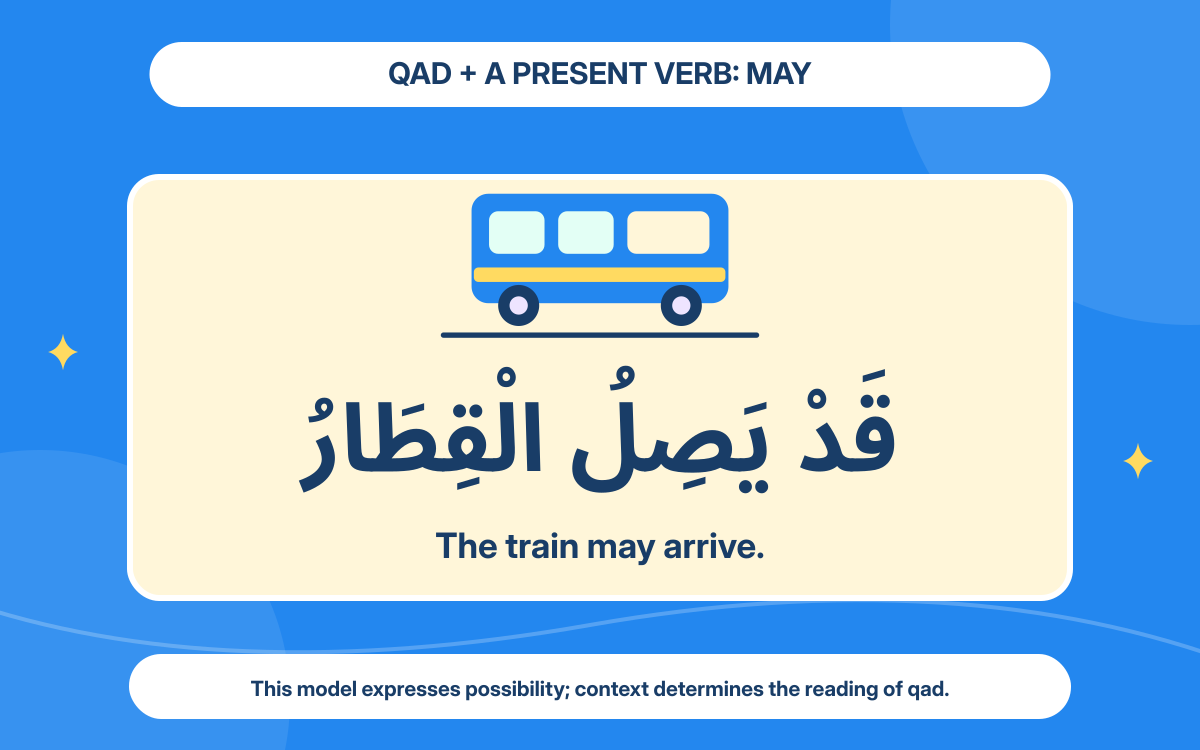
Qad with an Arabic Imperfect Verb: Reading May in Context
قَدْ يَكُونُ هُنَاكَ تَكْرَارٌ
Read qad with an imperfect as a possibility offered for testing rather than an established repetition.
Lakinna and Lakin in Arabic: Two Patterns for But
لَكِنَّ وَظِيفَةَ الْعَزْفِ لَمْ تَكُنْ وَاضِحَةً لِي
Notice lakinna retaining uncertainty about the playing’s function after a witness recalls its sound.