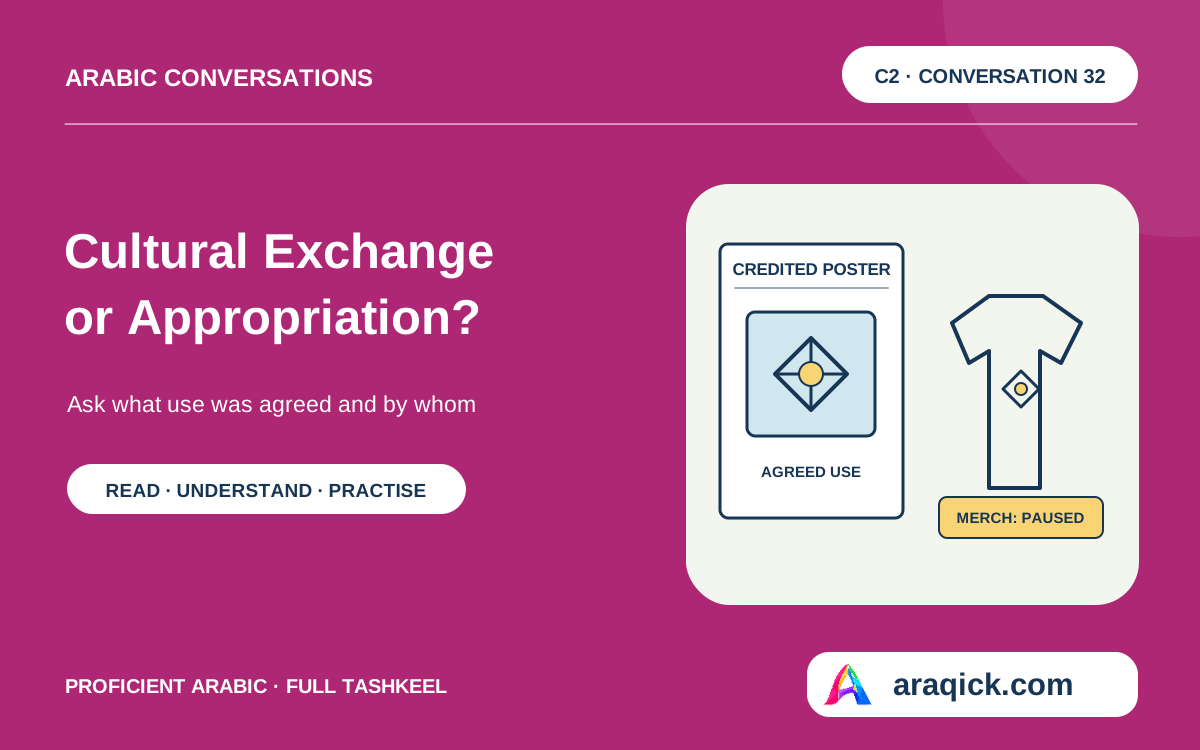
Designer Nabil, historian Hala, artisan Suha and moderator Adil examine a fictional workshop motif. Agreement to a credited exhibition poster is mistaken for agreement to merchandise, while labels, intentions and the absent makers’ authority remain contested.
01Read the Arabic conversation
التَّبَادُلُ الثَّقَافِيُّ وَحُدُودُ الِاسْتِئْثَارِ
نَبِيلٌ: أُصَمِّمُ مَلْصَقًا لِمَعْرِضِ وَرْشَةِ الْخَيْطِ الْمُتَخَيَّلَةِ، وَأُرِيدُ وَضْعَ زَخْرَفَتِهَا عَلَى حَقَائِبَ لِلْبَيْعِ أَيْضًا. وَافَقَتْ سُهَى عَلَى الْمَلْصَقِ مَعَ ذِكْرِ الْأَسْمَاءِ، فَظَنَنْتُ أَنَّ الْحَقَائِبَ تَنْقُلُ التَّعَارُفَ نَفْسَهُ إِلَى جُمْهُورٍ آخَرَ.
هَالَةُ: الْوَرْشَةُ وَسِجِلُّهَا مِنْ هَذِهِ الْقِصَّةِ الْمُتَخَيَّلَةِ. أَقْرَأُ فِي الْكُرَّاسَةِ أَنَّ ثَلَاثَ حِرَفِيَّاتٍ طَوَّرْنَ رَسْمَةَ الْخُيُوطِ الْمُتَقَاطِعَةِ مَعًا. هَذَا سِجِلٌّ لِعَمَلِهِنَّ، وَلَيْسَ تَفْوِيضًا لِي، بِصِفَتِي مُؤَرِّخَةً، بِأَنْ أُجِيزَ اسْتِخْدَامَاتٍ جَدِيدَةً.
سُهَى: أَنَا إِحْدَى الثَّلَاثِ، وَوَافَقْتُ عَلَى مَلْصَقِ هَذَا الْمَعْرِضِ. وَفِي الْكُرَّاسَةِ مُوَافَقَتَانِ مَكْتُوبَتَانِ مِنْ زَمِيلَتَيَّ عَلَى الْمَلْصَقِ نَفْسِهِ. اِشْتَرَطْنَا ذِكْرَ الْأَسْمَاءِ الثَّلَاثَةِ بِجَانِبِ الرَّسْمَةِ. لَمْ يَشْمَلْ حَدِيثُنَا الْحَقَائِبَ أَوْ بَيْعَ الزَّخْرَفَةِ.
عَادِلٌ: لِنَضَعْ حُدُودَ الْعَمَلِ الْحَالِيِّ أَوَّلًا: الْمَلْصَقُ لَهُ مُوَافَقَاتُهُ الْمَذْكُورَةُ، وَالْحَقَائِبُ مُقْتَرَحٌ لَمْ يُتَّفَقْ عَلَيْهِ. أَنَا أُيَسِّرُ هَذِهِ الْمُنَاقَشَةَ؛ لَا أُوَقِّعُ عَنْ أَيٍّ مِنَ الْحِرَفِيَّاتِ، وَلَا أُحَوِّلُ مُوَافَقَةً عَلَى غَرَضٍ إِلَى مُوَافَقَةٍ عَلَى آخَرَ.
نَبِيلٌ: لَمْ أَكُنْ أَنْوِي أَنْ أَنْسِبَ الرَّسْمَةَ إِلَى نَفْسِي. سَأَذْكُرُ الْأَسْمَاءَ عَلَى الْحَقَائِبِ كَمَا عَلَى الْمَلْصَقِ، وَأُسَمِّي الْعَمَلَ تَبَادُلًا ثَقَافِيًّا. هَلْ يَبْقَى مَوْضِعٌ لِاعْتِرَاضِكِ إِذَا عَرَفَ كُلُّ مُشْتَرٍ مَنْ صَنَعَ الزَّخْرَفَةَ؟
هَالَةُ: ذِكْرُ الْمَصْدَرِ يُجِيبُ عَنْ سُؤَالِ النِّسْبَةِ، وَلَا يُجِيبُ وَحْدَهُ عَنْ سُؤَالِ الِاتِّفَاقِ. وَالْكُرَّاسَةُ تَصِفُ كَيْفَ تَغَيَّرَ الرَّسْمُ بَيْنَ الثَّلَاثِ؛ لَا تَقُولُ إِنَّ نَشْرَ صُورَتِهِ يَعْنِي قَبُولَ كُلِّ اسْتِخْدَامٍ لَهُ.
سُهَى: يَبْقَى اعْتِرَاضِي لِأَنَّ الْحَقَائِبَ لَمْ تَكُنْ ضِمْنَ مَا وَافَقْتُ عَلَيْهِ. أَقْدُرُ عَلَى شَرْحِ مَشَارَكَتِي فِي الرَّسْمِ، وَلَا أَقْدُرُ عَلَى اخْتِرَاعِ رَأْيِ زَمِيلَتَيَّ. حَتَّى لَوْ أَعْجَبَنِي مُقْتَرَحُكَ، لَظَلَّ رَأْيُهُمَا فِيهِ غَيْرَ مَعْرُوفٍ.
عَادِلٌ: سُؤَالُ نَبِيلٍ يَفْتَرِضُ أَنَّ إِزَالَةَ مُشْكِلَةِ النِّسْبَةِ تُزِيلُ الْخِلَافَ كُلَّهُ. نَحْنُ نُمَيِّزُ هُنَا بَيْنَ مَنْ صَنَعَ الرَّسْمَةَ وَمَنْ وَافَقَ عَلَى اسْتِخْدَامِهَا. وَلَا يَلْزَمُ مِنْ هَذَا التَّمْيِيزِ أَنَّ كُلَّ تَأَثُّرٍ بِعَمَلٍ هُوَ نَسْخٌ لَهُ.
نَبِيلٌ: فَهَلْ لَوْ أَخَذْتُ فِكْرَةَ التَّقَاطُعِ وَرَسَمْتُ خُطُوطًا جَدِيدَةً، لَزَالَ الِاعْتِرَاضُ؟ لَا أَقُولُ إِنَّ تَغْيِيرَ اللَّوْنِ يُنْشِئُ رَسْمَةً مُخْتَلِفَةً. أَسْأَلُ عَنْ فَرْقٍ بَيْنَ نَقْلِ هَذَا التَّرْتِيبِ بِعَيْنِهِ وَتَطْوِيرِ عَمَلٍ آخَرَ بَعْدَ رُؤْيَتِهِ.
هَالَةُ: تُظْهِرُ صَفْحَاتُ الْكُرَّاسَةِ تَرْتِيبًا مُحَدَّدًا لِلْخُيُوطِ، مَعَ فَرَاغٍ فِي الْوَسَطِ. يُمْكِنُنَا مُقَارَنَةُ رَسْمِكَ بِهِ، وَلَا يُمْكِنُنَا الْحُكْمُ عَلَى رَسْمٍ لَمْ تَعْرِضْهُ. لَنْ أَجْعَلَ وَصْفِي لِلْأَصْلِ شَهَادَةً مُسْبَقَةً بِاسْتِقْلَالِ كُلِّ عَمَلٍ لَاحِقٍ.
سُهَى: لَا أَطْلُبُ مِنْكَ أَنْ تَنْسَى مَا رَأَيْتَهُ. لَكِنَّ النَّمُوذَجَ الْمَوْجُودَ عَلَى شَاشَتِكَ يُكَرِّرُ تَرْتِيبَنَا وَفَرَاغَهُ، وَيُغَيِّرُ اللَّوْنَ فَقَطْ. اِعْتِرَاضِي عَلَى هَذَا الِاسْتِخْدَامِ الْمُحَدَّدِ، وَلَيْسَ حُكْمًا عَلَى كُلِّ رَسْمٍ يُمْكِنُ أَنْ تَتَخَيَّلَهُ.
عَادِلٌ: سَنُبْقِي الْحَقَائِبَ الْمَعْرُوضَةَ هُنَا مَوْضِعَ السُّؤَالِ، وَلَا نَسْتَبْدِلُهَا بِرَسْمٍ افْتِرَاضِيٍّ لِتَسْهُلَ الْإِجَابَةُ. وَإِذَا قَدَّمَ نَبِيلٌ بَدِيلًا، فَسَنَنْظُرُ فِيهِ بِوَصْفِهِ بَدِيلًا، لَا دَلِيلًا عَلَى أَنَّ النَّمُوذَجَ الْحَالِيَّ كَانَ مُتَّفَقًا عَلَيْهِ.
نَبِيلٌ: أَفْهَمُ الْفَرْقَ، لَكِنَّ وَصْفَ الْمُقْتَرَحِ بِالِاسْتِئْثَارِ يَبْدُو لِي قَاسِيًا. أُرِيدُ أَنْ يَعْرِفَ النَّاسُ الْوَرْشَةَ، وَلَا أَتَصَوَّرُ نَفْسِي مَاحِيًا لِأَسْمَائِكُنَّ. أَخْشَى أَنْ تُقْرَأَ هَذِهِ الْكَلِمَةُ كَأَنَّهَا وَصْفٌ لِنِيَّتِي قَبْلَ أَنْ نُكْمِلَ الْحَدِيثَ.
هَالَةُ: فِي هَذِهِ الْحَالَةِ، يُمْكِنُنَا فَحْصُ مَنْ يُحَدِّدُ الِاسْتِخْدَامَ وَمَنْ يَسْتَفِيدُ مِنْهُ، دُونَ ادِّعَاءِ مَعْرِفَةِ نِيَّتِكَ. الْخِلَافُ لَا يُحْسَمُ بِتَسْمِيَةِ الْمَشْرُوعِ تَبَادُلًا، كَمَا أَنَّ تَسْمِيَتَهُ اسْتِئْثَارًا لَا تُغْنِي عَنْ شَرْحِ مَوْضِعِ الِاعْتِرَاضِ.
سُهَى: لَمْ أُسَمِّكَ مُسْتَأْثِرًا؛ قُلْتُ إِنَّ طَرِيقَةَ طَرْحِ الْحَقَائِبِ تَتْرُكُ الِاخْتِيَارَ لَكَ وَحْدَكَ. تَحْتَفِظُ بِالنَّمُوذَجِ، وَتَخْتَارُ كَمِّيَّةَ الْإِنْتَاجِ، وَتُؤَجِّلُ سُؤَالَنَا إِلَى مَا بَعْدَ ذَلِكَ. هَذَا مَا أُرِيدُ تَغْيِيرَهُ قَبْلَ أَنْ أُفَكِّرَ فِي الْمُشَارَكَةِ.
عَادِلٌ: لِنُوَضِّحْ مَرْحَلَةَ الْعَمَلِ: لَدَيْنَا صُورَةُ نَمُوذَجٍ، وَلَمْ تُنْتَجْ حَقَائِبُ بَعْدُ. الْخِلَافُ حَوْلَ الْخُطْوَةِ الْمُقْتَرَحَةِ، لَا حَوْلَ مَبِيعَاتٍ حَدَثَتْ. وَالْفَرْقُ مُهِمٌّ لِكَيْ نُصَحِّحَ الِاتِّفَاقَ الْمُفْتَرَضَ قَبْلَ أَنْ نَبْنِيَ عَلَيْهِ عَمَلًا.
نَبِيلٌ: صَحِيحٌ، لَمْ أَطْلُبْ إِنْتَاجَهَا بَعْدُ. وَكُنْتُ أَفْتَرِضُ أَنَّ جُزْءًا مِنَ الْعَائِدِ سَيَذْهَبُ إِلَى الْوَرْشَةِ، لَكِنَّنِي لَمْ أَعْرِضْ كَمْ هُوَ أَوْ مَنْ يَقْبَضُهُ. لَا أَسْتَطِيعُ إِذَنْ وَصْفَ ذَلِكَ بِأَنَّهُ مَنْفَعَةٌ اتَّفَقْنَا عَلَيْهَا.
هَالَةُ: وَلَا تَدُلُّ وَجْهَةُ الْعَائِدِ وَحْدَهَا عَلَى مَوْقِفِ الثَّلَاثِ. فَقَدْ تَقْبَلُ وَاحِدَةٌ عَرْضًا وَتَرْفُضُهُ أُخْرَى لِسَبَبٍ مُخْتَلِفٍ. هَذَا احْتِمَالٌ، لَا خَبَرٌ عَنْ رَأْيِ الْغَائِبَتَيْنِ. لَا تَمْنَحُنِي مَعْرِفَةُ سِجِلِّهِمَا إِجَابَةً عَنْهُمَا.
سُهَى: أَنَا مُسْتَعِدَّةٌ لِسَمَاعِ عَرْضٍ مُحَدَّدٍ، وَهَذَا لَيْسَ مُوَافَقَةً عَلَيْهِ. أُرِيدُ أَنْ أَعْرِفَ أَيْنَ سَتَظْهَرُ الرَّسْمَةُ، وَكَيْفَ تُذْكَرُ الْأَسْمَاءُ، وَمَا الْمَنْفَعَةُ الْمَقْتَرَحَةُ. وَسَتَحْتَاجُ زَمِيلَتَايَ إِلَى فُرْصَةِ الْجَوَابِ بِنَفْسَيْهِمَا، لَا عَبْرَ رَأْيِي.
عَادِلٌ: سَأُسَجِّلُ هَذِهِ الْأَسْئِلَةَ لِتَصِلَ إِلَى الثَّلَاثِ. لَا نَطْلُبُ مِنْ سُهَى أَنْ تَجْمَعَ تَوْقِيعَاتٍ قَبْلَ وُضُوحِ الْعَرْضِ. وَسَيَظَلُّ نَمُوذَجُ الْحَقَائِبِ مُعَلَّقًا؛ فَالِاسْتِعْدَادُ لِلنِّقَاشِ لَا يَسُدُّ مَكَانَ الْجَوَابِ الَّذِي لَمْ يَصِلْ.
نَبِيلٌ: إِذَا أَعْدَدْتُ الْعَرْضَ، فَسَأُرْسِلُهُ إِلَيْكُنَّ قَبْلَ أَيِّ طَلَبِ إِنْتَاجٍ. وَسَأَسْحَبُ مِنْ وَصْفِ النَّمُوذَجِ عِبَارَةَ التَّعَاوُنِ الْمُتَّفَقِ عَلَيْهِ. أَحْتَفِظُ بِرَغْبَتِي فِي التَّعَاوُنِ، لَكِنَّنِي أَفْهَمُ الْآنَ أَنَّهَا لَيْسَتْ وَصْفًا لِمَا تَمَّ.
هَالَةُ: وَسَأَكْتُبُ فِي تَعْرِيفِ الْمَلْصَقِ مَا تَذْكُرُهُ الْكُرَّاسَةُ عَنْ صُنْعِ الرَّسْمَةِ. لَنْ أَنْسِبَ إِلَى هَذَا السِّجِلِّ حُكْمًا عَلَى كُلِّ تَبَادُلٍ ثَقَافِيٍّ. مَا نَعْرِفُهُ هُنَا أَضْيَقُ: عَمَلٌ مُشْتَرَكٌ وَاسْتِخْدَامٌ مُحَدَّدٌ وَمُقْتَرَحٌ لَمْ يُقْبَلْ بَعْدُ.
سُهَى: أَقْبَلُ أَنْ يَمْضِيَ الْمَلْصَقُ بِالْأَسْمَاءِ الثَّلَاثَةِ كَمَا اتَّفَقْنَا. وَلَا أُرِيدُ أَنْ يُعْرَضَ ذَلِكَ كَأَنَّهُ تَرَاجُعٌ عَنْ اعْتِرَاضِي عَلَى الْحَقَائِبِ. الِاسْتِخْدَامَانِ مُخْتَلِفَانِ، وَالْمُوَافَقَةُ الَّتِي وَصَلَتْ إِلَيْكَ كَانَتْ لِأَحَدِهِمَا فَقَطْ.
عَادِلٌ: إِذَنْ سَيُسْتَكْمَلُ الْمَلْصَقُ وَفْقَ الِاتِّفَاقِ الْمَوْجُودِ، وَيَبْقَى إِنْتَاجُ الْحَقَائِبِ مُتَوَقِّفًا. لَمْ نَتَلَقَّ عَرْضًا جَدِيدًا بَعْدُ أَوْ رَدًّا مِنَ الْغَائِبَتَيْنِ. لَا أَخْتَصِرُ هَذَا الْفَرْقَ فِي عِبَارَةٍ تُوحِي بِأَنَّ الْوَرْشَةَ قَبِلَتِ الْمَشْرُوعَ كُلَّهُ.
نَبِيلٌ: مَا زِلْتُ أُفَضِّلُ تَسْمِيَةَ الْعَمَلِ الْمُمْكِنِ تَبَادُلًا، إِذَا تَوَصَّلْنَا إِلَى اتِّفَاقٍ. وَأَقْبَلُ أَلَّا أَسْتَخْدِمَ الِاسْمَ كَأَنَّهُ يَسْبِقُ اخْتِيَارَكُنَّ. لَنْ يَكُونَ وَضْعُ الْأَسْمَاءِ عَلَى النَّمُوذَجِ طَرِيقَتِي لِتَجَاوُزِ السُّؤَالِ عَنْ اسْتِخْدَامِهِ.
هَالَةُ: وَأَنَا أُفَضِّلُ تَأْجِيلَ الْوَصْفِ حَتَّى نَعْرِفَ شَكْلَ الْعَلَاقَةِ فِعْلًا. لَا تَكْفِي نِيَّةٌ مُعْلَنَةٌ لِوَصْفِ مَنْ يَقْتَرِحُ وَمَنْ يَقْبَلُ وَمَنْ يَسْتَفِيدُ. نَسْتَطِيعُ شَرْحَ هَذِهِ الْعَنَاصِرِ قَبْلَ أَنْ نَتَّفِقَ عَلَى كَلِمَةٍ وَاحِدَةٍ لَهَا.
سُهَى: سَأَنْتَظِرُ الْعَرْضَ، وَلَنْ أَعِدَ بِقَبُولِهِ. الْمَلْصَقُ يَظَلُّ لِقَاءً أَرْغَبُ فِيهِ بَيْنَ عَمَلِنَا وَجُمْهُورٍ جَدِيدٍ؛ أَمَّا الْحَقَائِبُ فَلَهَا سُؤَالُهَا الَّذِي لَمْ نُجِبْ عَنْهُ. لَا أَحْتَاجُ إِلَى رَفْضِ الْأَوَّلِ لِكَيْ يَبْقَى الثَّانِي مَفْتُوحًا.
عَادِلٌ: أُثْبِتُ الْمُوَافَقَةَ الْمَحْدُودَةَ وَالِاعْتِرَاضَ الْقَائِمَ وَخُطْوَةَ السُّؤَالِ التَّالِيَةَ. وَيَبْقَى اخْتِلَافُ نَبِيلٍ وَهَالَةَ فِي تَوْقِيتِ التَّسْمِيَةِ وَاضِحًا. لَيْسَ مَحْضَرُنَا حُكْمًا عَامًّا عَلَى الِاقْتِبَاسِ، بَلْ وَصْفًا لِمَا أُجِيزَ هُنَا وَمَا بَقِيَ يَنْتَظِرُ جَوَابًا.
Show English translationHide English translation
Nabil — designer: I am designing a poster for the fictional Thread Workshop’s exhibition, and also want to put its motif on bags for sale. Suha agreed to the poster with names credited, so I thought the bags would bring the same introduction to another audience.
Hala — historian: The workshop and its record belong to this fictional story. I read in the notebook that three craftswomen developed the crossed-thread drawing together. That records their work; it does not authorise me, as a historian, to approve new uses.
Suha — artisan: I am one of the three, and agreed to this exhibition’s poster. The notebook contains written agreements from my two colleagues to that same poster. We stipulated all three names beside the drawing. Our discussion did not include bags or selling the motif.
Adil — moderator: Let us first set the limits of the current work: the poster has the agreements mentioned, while the bags are an unagreed proposal. I facilitate this discussion; I do not sign for any craftswoman or turn agreement to one purpose into agreement to another.
Nabil — designer: I did not intend to attribute the drawing to myself. I will put the names on the bags as on the poster and call the work cultural exchange. Is there still room for your objection if every buyer knows who made the motif?
Hala — historian: Naming the source answers the attribution question, but does not by itself answer the agreement question. The notebook describes how the drawing changed among the three; it does not say that publishing its image means accepting every use of it.
Suha — artisan: My objection remains because the bags were not part of what I agreed to. I can explain my contribution to the drawing, not invent my colleagues’ opinions. Even if I liked your proposal, their views on it would remain unknown.
Adil — moderator: Nabil’s question assumes that removing the attribution problem removes the entire dispute. Here we distinguish who made the drawing from who agreed to its use. That distinction does not imply that every influence from a work is copying it.
Nabil — designer: Then if I took the idea of crossing and drew new lines, would the objection disappear? I am not saying a colour change creates a different drawing. I am asking about the difference between reproducing this precise arrangement and developing another work after seeing it.
Hala — historian: The notebook pages show a specific thread arrangement with a space in the centre. We can compare your drawing with it; we cannot judge a drawing you have not shown. I will not turn my account of the original into advance certification of every later work’s independence.
Suha — artisan: I am not asking you to forget what you saw. But the model on your screen repeats our arrangement and its space, changing only the colour. My objection concerns this specific use, not every drawing you could imagine.
Adil — moderator: We will keep the bags shown here as the question, rather than replace them with a hypothetical drawing to make the answer easier. If Nabil presents an alternative, we will consider it as an alternative, not evidence that the present model was agreed.
Nabil — designer: I understand the difference, but calling the proposal appropriation seems harsh to me. I want people to know the workshop and do not see myself as erasing your names. I fear the word will be read as describing my intention before we finish talking.
Hala — historian: In this case, we can examine who determines the use and who benefits without claiming to know your intention. Calling the project exchange does not settle the dispute; nor does calling it appropriation replace explaining the objection.
Suha — artisan: I did not call you an appropriator; I said that the way the bags are proposed leaves the choice to you alone. You retain the model, choose the production quantity, and postpone asking us until afterwards. That is what I want changed before considering participation.
Adil — moderator: Let us clarify the stage of work: we have an image of a model, and no bags have been produced yet. The dispute concerns a proposed step, not sales that have occurred. That matters so we can correct the assumed agreement before building work on it.
Nabil — designer: Correct: I have not ordered their production. I assumed that some proceeds would go to the workshop, but did not present how much or who would receive it. I therefore cannot describe that as a benefit we agreed on.
Hala — historian: The destination of proceeds alone does not establish the three women’s positions. One might accept an offer and another reject it for a different reason. That is a possibility, not a report of the absent women’s opinions. Knowing their record gives me no answer on their behalf.
Suha — artisan: I am willing to hear a specific offer; that is not agreement to it. I want to know where the drawing will appear, how the names will be credited, and what benefit is proposed. My two colleagues will need a chance to answer for themselves, not through my opinion.
Adil — moderator: I will record these questions so they reach all three. We are not asking Suha to gather signatures before the offer is clear. The bag model will remain on hold: willingness to discuss does not fill the place of an answer that has not arrived.
Nabil — designer: If I prepare the offer, I will send it to you before any production order. I will remove “agreed collaboration” from the model’s description. I retain my wish to collaborate, but now understand that it does not describe what has already happened.
Hala — historian: In the poster’s introduction I will write what the notebook records about making the drawing. I will not attribute to this record a judgement on all cultural exchange. What we know here is narrower: a shared work, a specified use, and a proposal not yet accepted.
Suha — artisan: I accept the poster proceeding with all three names as agreed. I do not want that presented as withdrawal of my objection to the bags. The uses differ, and the agreement you received was for only one of them.
Adil — moderator: Then the poster will be completed under the existing agreement, while bag production remains stopped. We have not yet received a new offer or a response from the absent women. I will not compress that distinction into a phrase suggesting the workshop accepted the whole project.
Nabil — designer: I still prefer to call the possible work exchange, if we reach agreement. I accept not using that name as though it precedes your choice. Putting names on the model will not be my way of bypassing the question about its use.
Hala — historian: I prefer postponing the label until we know the actual relationship. A stated intention is insufficient to describe who proposes, accepts and benefits. We can explain those elements before agreeing on a single word for them.
Suha — artisan: I will wait for the offer without promising to accept. The poster remains an encounter I want between our work and a new audience; the bags have their own unanswered question. I do not need to reject the former to keep the latter open.
Adil — moderator: I record the limited agreement, continuing objection and next step of asking. Nabil and Hala’s disagreement over when to apply the label remains clear. Our minutes are not a general judgement on borrowing, but an account of what was approved here and what still awaits an answer.
02Useful words and expressions
| Arabic in the conversation | Meaning here |
|---|---|
| رَسْمَةَ الْخُيُوطِ الْمُتَقَاطِعَةِ | the crossed-thread drawing |
| مُوَافَقَتَانِ مَكْتُوبَتَانِ | two written agreements |
| مُقْتَرَحٌ لَمْ يُتَّفَقْ عَلَيْهِ | an unagreed proposal |
| سُؤَالِ النِّسْبَةِ | the attribution question |
| التَّرْتِيبِ بِعَيْنِهِ | this precise arrangement |
| شَهَادَةً مُسْبَقَةً | advance certification |
| بِرَسْمٍ افْتِرَاضِيٍّ | with a hypothetical drawing |
| مَوْضِعِ الِاعْتِرَاضِ | the point of objection |
| وَجْهَةُ الْعَائِدِ | the destination of proceeds |
| مُعَلَّقًا | on hold |
| تَرَاجُعٌ عَنْ اعْتِرَاضِي | withdrawal of my objection |
| الْمُوَافَقَةَ الْمَحْدُودَةَ | the limited agreement |
03Check your understanding
Choose one answer for each question. Look back at the Arabic conversation for evidence. Open the English question support or a hint when you need help.
What to remember
- Credit identifies a source; it does not establish agreement to an additional use beyond the stated arrangement.
- Knowledge of a fictional workshop’s record and participation in its work do not supply absent contributors’ answers.
- The agreed poster can proceed while merchandise remains paused and the wider terminology remains contested.
Explore the Arabic in this conversation
Related grammar and vocabularyOpen Araqick guides connected to this conversation.
Relative Ma in Arabic: What You Want and What They Said
مَا تَذْكُرُهُ الْكُرَّاسَةُ عَنْ صُنْعِ الرَّسْمَةِ
Read ma as the content of Hala’s account rather than as a question or a denial.
Lakinna and Lakin in Arabic: Two Patterns for But
لَكِنَّنِي أَفْهَمُ الْآنَ أَنَّهَا لَيْسَتْ وَصْفًا لِمَا تَمَّ
Follow lakinna with an attached pronoun as Nabil distinguishes his current wish from an account of completed agreement.
Fa in Arabic Conditional Sentences: When the Result Needs Fa
إِذَا أَعْدَدْتُ الْعَرْضَ، فَسَأُرْسِلُهُ إِلَيْكُنَّ قَبْلَ أَيِّ طَلَبِ إِنْتَاجٍ
Link the conditional preparation of an offer to a future response with fa and sa-, retaining its prospective status.