

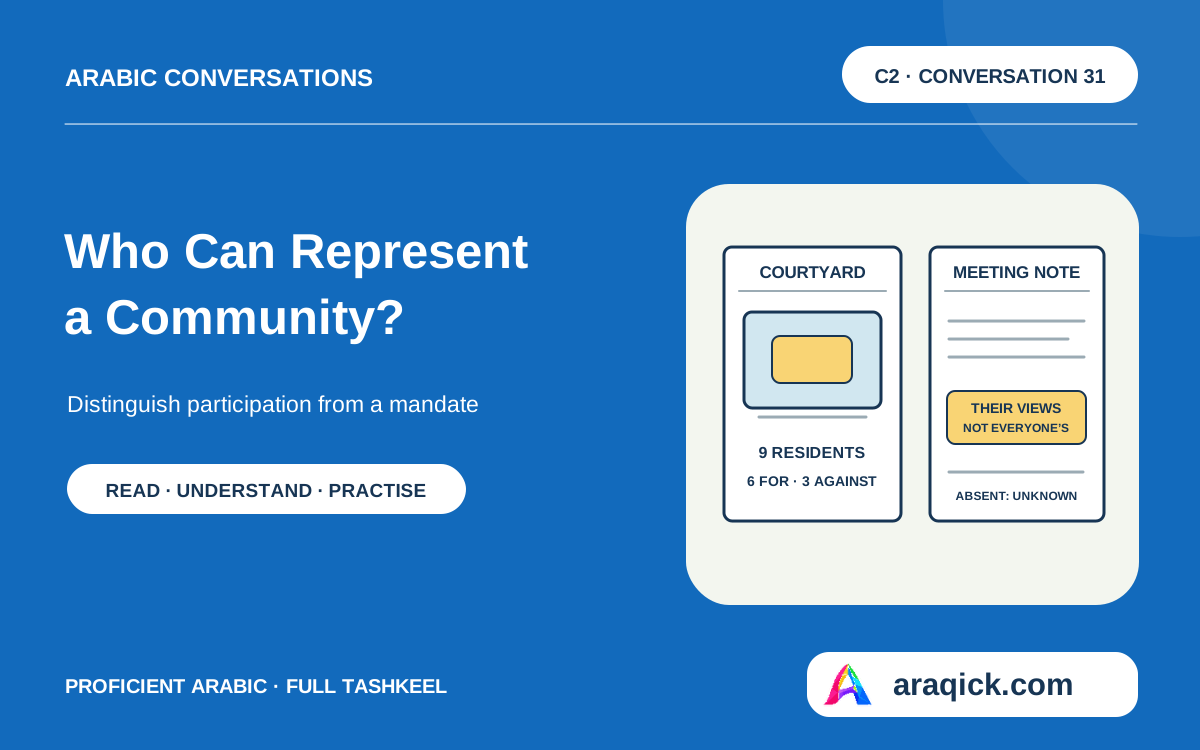
Resident Basil, organiser Mazin, researcher Salma and moderator Nadim review a fictional courtyard meeting’s statement. A six-to-three preference is real; its extension to the whole neighbourhood is disputed, as is the prominence each view receives.
01Read the Arabic conversation
مَنْ يَتَحَدَّثُ بِاسْمِ الْحَيِّ؟
بَاسِلٌ: فِي حَيِّ السَّاحَةِ الْمُتَخَيَّلِ، حَضَرْتُ لِقَاءَ تَرْتِيبِ الْفِنَاءِ مَعَ ثَمَانِيَةِ سُكَّانٍ آخَرِينَ. سِتَّةٌ فَضَّلُوا رُكْنَ قِرَاءَةٍ بِطَاوِلَاتٍ، وَثَلَاثَةٌ، أَنَا مِنْهُمْ، فَضَّلُوا تَرْكَ الْوَسَطِ فَارِغًا لِلْجُلُوسِ الْحُرِّ. أَعْتَرِضُ عَلَى عُنْوَانِ بَيَانِكَ يَا مَازِنُ.
مَازِنٌ: كَتَبْتُ أَنَّ أَهْلَ الْحَيِّ اخْتَارُوا رُكْنَ الْقِرَاءَةِ. لَمْ أَقْصِدْ إِخْفَاءَ الثَّلَاثَةِ، بَلْ تَلْخِيصَ الِاتِّجَاهِ الْغَالِبِ. أَنَا مُنَظِّمُ اللِّقَاءِ، وَأَحْتَاجُ إِلَى عُنْوَانٍ يَفْهَمُ مِنْهُ قَارِئُهُ لِمَاذَا نُعِدُّ هَذَا التَّصْمِيمَ.
سَلْمَى: وَأَنَا بَاحِثَةٌ أَجْرَيْتُ خَمْسَ مُقَابَلَاتٍ قَبْلَ اللِّقَاءِ عَنْ اسْتِخْدَامِ الْفِنَاءِ. حَضَرَ اثْنَانِ مِنْ أَصْحَابِهَا، وَغَابَ ثَلَاثَةٌ. لَكِنَّ الْمُقَابَلَاتِ لَمْ تَسْأَلْ عَنِ التَّصْمِيمَيْنِ؛ فَلَا تُضِيفُوا أَصْوَاتَهَا إِلَى أَيٍّ مِنَ الْجَانِبَيْنِ.
نَدِيمٌ: نُرَاجِعُ الْيَوْمَ مُسَوَّدَةً، وَلَسْنَا نُعِيدُ التَّصْوِيتَ. السُّكَّانُ التِّسْعَةُ وَحْدَهُمْ أَبْدَوْا اخْتِيَارَاتِهِمْ؛ أَمَّا نَحْنُ الثَّلَاثَةُ فَلَمْ نُصَوِّتْ. دَوْرِي تَيْسِيرُ الْحَدِيثِ وَضَبْطُ الْمَحْضَرِ، لَا مَنْحُ الْمُنَظِّمِ تَفْوِيضًا بِاسْمِ الْغَائِبِينَ.
بَاسِلٌ: لِمَاذَا صَارَتْ أَغْلَبِيَّةُ غُرْفَةٍ أَغْلَبِيَّةَ حَيٍّ؟ أَقْبَلُ أَنَّنِي كُنْتُ ضِمْنَ أَقَلِّيَّةٍ فِي اللِّقَاءِ، وَلَا أَطْلُبُ أَنْ تُنْسَبَ إِلَيْنَا نَتِيجَةٌ لَمْ نَحْصُلْ عَلَيْهَا. أَطْلُبُ أَلَّا تُوسَّعَ دَائِرَةُ الْمُوَافِقِينَ بِتَغْيِيرِ اسْمِهَا.
مَازِنٌ: أَرْسَلْتُ الدَّعْوَةَ إِلَى السُّكَّانِ كُلِّهِمْ حَسَبَ قَائِمَتِنَا. أَلَا يَكْفِي فَتْحُ الْبَابِ لِلْحُضُورِ؟ إِذَا عَلَّقْنَا كُلَّ خُطْوَةٍ حَتَّى نَسْمَعَ كُلَّ شَخْصٍ، فَقَدْ يَبْقَى الْفِنَاءُ مَوْضُوعَ حَدِيثٍ بِلَا تَرْتِيبٍ جَدِيدٍ.
سَلْمَى: الدَّعْوَةُ تُثْبِتُ مَا فَعَلْتَهُ أَنْتَ، لَا مَا فَكَّرَ فِيهِ مَنْ غَابَ. فِي مُقَابَلَاتِي، ذَكَرَ أَحَدُ الْغَائِبِينَ أَنَّ مَوْعِدَ اللِّقَاءِ يُوَافِقُ عَمَلَهُ. قَدْ يُفَسِّرُ هَذَا غِيَابَهُ هُوَ، وَلَا يُفَسِّرُ غِيَابَ الْجَمِيعِ أَوْ يُحَدِّدُ اخْتِيَارَهُ.
نَدِيمٌ: ثَمَّةَ سُؤَالَانِ مُخْتَلِفَانِ: مَاذَا نُحَضِّرُ بَعْدَ اللِّقَاءِ، وَمَنْ نَقُولُ إِنَّهُ أَيَّدَهُ؟ يُمْكِنُ أَنْ نُعِدَّ رَسْمًا لِلْخِيَارِ الْأَكْثَرِ تَأْيِيدًا هُنَا، دُونَ أَنْ نَصِفَ هَذَا الْعَمَلَ بِأَنَّهُ تَنْفِيذُ رَغْبَةِ أَهْلِ الْحَيِّ كُلِّهِمْ.
بَاسِلٌ: خِبْرَتِي بِالْفِنَاءِ مُهِمَّةٌ؛ أَجْلِسُ فِيهِ مَسَاءً وَأَرَى مَنْ يَسْتَخْدِمُ وَسَطَهُ. لَكِنَّهَا لَيْسَتْ تَفْوِيضًا مِنْهُمْ. حِينَ أَقُولُ إِنَّ الْمَسَاحَةَ الْفَارِغَةَ تَنْفَعُ جِيرَانِي، فَأَنَا أُقَدِّمُ تَقْدِيرِي، لَا أَحْمِلُ تَوْقِيعَاتِهِمْ.
مَازِنٌ: فَهَلْ يَكُونُ قَوْلِي إِنَّنِي أُمَثِّلُ الْحَيَّ خَطَأً أَيْضًا؟ أَنَا مَنْ يُرَتِّبُ الْمَوَاعِيدَ مَعَ الْعَارِضِ وَيَجْمَعُ الرُّسُومَ التَّوْضِيحِيَّةَ. لَوْ عَرَّفْتُ نَفْسِي كَفَرْدٍ فَقَطْ، لَخَفِيَتِ الْمُهِمَّةُ الَّتِي يَعْتَمِدُ عَلَيَّ الْآخَرُونَ فِيهَا.
سَلْمَى: سَمِّ الْمُهِمَّةَ بَدَلَ أَنْ تَمْحُوَهَا أَوْ تُوَسِّعَهَا. أَنْتَ تُنَسِّقُ عَرْضَ الْمُقْتَرَحِ، وَلَا تَمْلِكُ بِذَلِكَ رَغَبَاتِ السُّكَّانِ. وَأَنَا أَشْرَحُ مَا سَمِعْتُهُ فِي الْمُقَابَلَاتِ؛ وَلَا تَجْعَلُنِي مَعْرِفَتِي بِهَا نَاطِقَةً بِاسْمِ أَصْحَابِهَا.
نَدِيمٌ: نَكْتُبُ إِذَنْ عِنْدَ اسْمِ مَازِنٍ صِفَةَ مُنَظِّمِ عَرْضِ الْمُقْتَرَحِ. أَمَّا الْمَحْضَرُ الَّذِي أَضْبِطُهُ، فَسَيَذْكُرُ الْعَدَدَ وَالرَّأْيَيْنِ. وَلَا نَحْتَاجُ إِلَى اخْتِرَاعِ صِفَةٍ جَمَاعِيَّةٍ لِكَيْ تَكُونَ مَسْؤُولِيَّةُ كُلِّ وَاحِدٍ مِنَّا وَاضِحَةً.
بَاسِلٌ: أَقْتَرِحُ أَنْ يَذْكُرَ الْمُلَخَّصُ سَبَبَ اعْتِرَاضِنَا، لَا عَدَدَنَا فَحَسْبُ. اعْتِرَاضُنَا عَلَى الطَّاوِلَاتِ فِي الْوَسَطِ، وَلَيْسَ عَلَى الْقِرَاءَةِ. إِذَا حُذِفَ هَذَا الْفَرْقُ، فَقَدْ يَفْهَمُ الْقَارِئُ أَنَّنَا نُعَارِضُ غَرَضَ الْمَشْرُوعِ نَفْسَهُ.
مَازِنٌ: يُحَقِّقُ ذَلِكَ إِنْصَافًا لِلْخِلَافِ، لَكِنَّنِي أَخْشَى أَنْ يَصِيرَ الْبَيَانُ طَوِيلًا. أُفَضِّلُ إِبْقَاءَ نَتِيجَةِ السِّتَّةِ فِي الْعُنْوَانِ، وَوَضْعَ اعْتِرَاضِ الثَّلَاثَةِ تَحْتَهُ مُبَاشَرَةً. لَا أُرِيدُ أَنْ يَبْدُوَ الرَّأْيَانِ مُتَسَاوِيَيْنِ فِي عَدَدِ مُؤَيِّدِيهِمَا.
سَلْمَى: تَسَاوِي مَسَاحَةِ الشَّرْحِ لَا يَعْنِي تَسَاوِيَ الْأَصْوَاتِ. سِتَّةٌ أَكْثَرُ مِنْ ثَلَاثَةٍ فِي هَذَا اللِّقَاءِ، وَمَعَ ذَلِكَ لَيْسَ الْعَدَدُ بَدِيلًا عَنْ مَعْرِفَةِ مَا أَيَّدَهُ كُلُّ جَانِبٍ. نَسْتَطِيعُ إِبْقَاءَ الْمَعْلُومَتَيْنِ.
نَدِيمٌ: سَأَفْصِلُ الْعَدَّ عَنْ شَرْحِ الْمَوْقِفَيْنِ. وَسَأَكْتُبُ أَنَّ آرَاءَ بَقِيَّةِ السُّكَّانِ فِي التَّصْمِيمَيْنِ غَيْرُ مَعْرُوفَةٍ لَنَا. لَا تُحَوِّلُ هَذِهِ الْجُمْلَةُ الْغَائِبِينَ إِلَى مُعَارِضِينَ، كَمَا لَا يَجْعَلُهُمْ غِيَابُهُمْ مُؤَيِّدِينَ.
بَاسِلٌ: أَبْقَى مُعْتَرِضًا عَلَى تَصَدُّرِ نَتِيجَةِ السِّتَّةِ؛ أُفَضِّلُ عُنْوَانًا يَذْكُرُ الْخِلَافَ أَوَّلًا. لَكِنْ إِذَا كُتِبَتْ حُدُودُ النَّتِيجَةِ بِوُضُوحٍ، فَلَنْ أَقُولَ إِنَّ الْبَيَانَ يُخْفِي وُجُودَنَا. هَذَا قَبُولٌ بِدِقَّتِهِ، لَا بِتَرْتِيبِ أَوْلَوِيَّاتِهِ.
مَازِنٌ: سَأَكْتُبُ فِي الْعُنْوَانِ أَنَّ سِتَّةً مِنْ تِسْعَةِ سُكَّانٍ أَبْدَوْا اخْتِيَارَهُمْ يُفَضِّلُونَ رُكْنَ الْقِرَاءَةِ. وَسَأَذْكُرُ تَحْتَهُ أَنَّ ثَلَاثَةً يُفَضِّلُونَ وَسَطًا خَالِيًا مِنَ الطَّاوِلَاتِ. أَتَخَلَّى عَنْ نِسْبَةِ الِاخْتِيَارِ إِلَى الْحَيِّ، وَلَا أَتَخَلَّى عَنْ تَقْدِيرِي لِنَتِيجَةِ اللِّقَاءِ.
سَلْمَى: وَسَأُرْفِقُ خُلَاصَةَ الْمُقَابَلَاتِ بِوَصْفِهَا مَادَّةً عَنْ أَوْقَاتِ الِاسْتِخْدَامِ وَأَسْبَابِهِ. لَنْ أُسَمِّيَهَا اسْتِطْلَاعًا لِلتَّفْضِيلِ بَيْنَ التَّصْمِيمَيْنِ. قَدْ تُسَاعِدُنَا فِي تَعْدِيلِ رَسْمٍ، لَكِنَّهَا لَا تُضِيفُ مُؤَيِّدًا وَاحِدًا إِلَى الْعَدِّ الْمَوْجُودِ.
نَدِيمٌ: إِذَا نَشَرْنَا الْمُسَوَّدَةَ، فَسَنَطْلُبُ تَعْلِيقَاتٍ عَلَى التَّصْمِيمَيْنِ بِالِاسْمِ. وَسَنُتِيحُ الرَّدَّ فِي مَوْعِدَيْنِ مُخْتَلِفَيْنِ. هَذِهِ خُطَّةٌ لِسَمَاعِ مَنْ لَمْ نَسْمَعْهُمْ، وَلَيْسَتْ دَلِيلًا عَلَى أَنَّنَا سَنَسْمَعُ الْجَمِيعَ أَوْ نَحْصُلُ عَلَى تَأْيِيدِهِمْ.
بَاسِلٌ: أُرِيدُ أَنْ تُنْشَرَ صُورَتَا الْخِيَارَيْنِ مَعًا. لَوْ أَرْسَلْنَا صُورَةَ رُكْنِ الْقِرَاءَةِ وَحْدَهَا، لَقَدَّمْنَا أَحَدَهُمَا كَأَنَّهُ الْمَشْرُوعُ نَفْسُهُ. حِينَئِذٍ قَدْ يُفْهَمُ التَّعْلِيقُ عَلَيْهِ عَلَى أَنَّهُ طَلَبُ تَحْسِينٍ، لَا اخْتِيَارٌ بَيْنَ بَدِيلَيْنِ.
مَازِنٌ: أَسْتَطِيعُ تَجْهِيزَ الصُّورَتَيْنِ، مَعَ تَفْصِيلٍ أَكْبَرَ لِلْخِيَارِ الَّذِي فَضَّلَهُ السِّتَّةُ. هَلْ يَعْنِي ذَلِكَ أَنَّنِي أُرَجِّحُهُ؟ نَعَمْ. لَكِنَّنِي سَأَذْكُرُ أَنَّنِي أُنَظِّمُ عَرْضَهُ، وَأَنَّ التَّعْلِيقَ قَدْ يَكُونُ اعْتِرَاضًا عَلَيْهِ أَوْ تَأْيِيدًا لَهُ.
سَلْمَى: يَبْقَى لِلتَّفَاوُتِ فِي التَّفْصِيلِ أَثَرٌ مُحْتَمَلٌ فِي الْقِرَاءَةِ؛ وَالْإِفْصَاحُ عَنْهُ لَا يُلْغِيهِ. لَا أَسْتَطِيعُ الْحُكْمَ عَلَى أَثَرِهِ قَبْلَ أَنْ أَرَى الصُّورَتَيْنِ. سَأُرَاجِعُ وَصْفَهُمَا، وَلَنْ أَصِفَ هَذِهِ الْمُرَاجَعَةَ بِأَنَّهَا تَزْكِيَةٌ لِلْخِيَارِ الْأَوَّلِ.
نَدِيمٌ: أُثْبِتُ إِذَنْ تَعْدِيلَ الْعُنْوَانِ وَإِظْهَارَ الرَّأْيَيْنِ، وَأُثْبِتُ اعْتِرَاضَ بَاسِلٍ عَلَى تَرْتِيبِهِمَا. مَا اتَّفَقْنَا عَلَيْهِ هُنَا هُوَ طَرِيقَةُ تَوْثِيقِ اللِّقَاءِ وَخُطْوَةُ الْعَرْضِ التَّالِيَةُ؛ وَلَيْسَ تَفْوِيضًا جَدِيدًا مِنَ التِّسْعَةِ أَوْ مِنْ بَقِيَّةِ السُّكَّانِ.
بَاسِلٌ: سَأَقْرَأُ الصُّورَتَيْنِ حِينَ تَجْهُزَانِ، وَسَأَبْقَى أَدَافِعُ عَنِ الْوَسَطِ الْمَفْتُوحِ. لَا يُحَوِّلُ قَبُولِي بِالْمَحْضَرِ مَوْقِفِي إِلَى تَأْيِيدٍ لِلطَّاوِلَاتِ. وَإِذَا سَأَلَنِي جَارٌ عَمَّنْ أُمَثِّلُ، فَسَأَقُولُ إِنَّنِي أَتَحَدَّثُ عَنْ تَجْرِبَتِي وَاخْتِيَارِي.
مَازِنٌ: وَأَنَا سَأُعِدُّ الْعَرْضَ بِصِفَتِي الْمُحَدَّدَةِ. أَرَى أَنَّ نَتِيجَةَ السِّتَّةِ تَسْتَحِقُّ الصَّدَارَةَ، مَعَ مَعْرِفَتِي بِاعْتِرَاضِ بَاسِلٍ. أَمَّا الْبَيَانُ الْجَدِيدُ فَلَنْ يَحْتَاجَ إِلَى اسْمِ الْحَيِّ كُلِّهِ لِيَشْرَحَ لِمَاذَا نُوَاصِلُ هَذَا الْعَمَلَ.
سَلْمَى: لَدَيْنَا الْآنَ حَدٌّ أَوْضَحُ بَيْنَ الْمَشَاهَدَةِ وَالتَّأْيِيدِ وَالتَّفْوِيضِ. وَيَبْقَى سُؤَالُ تَفْضِيلَاتِ الْغَائِبِينَ بِلَا جَوَابٍ. لَا تُجِيبُ مُرَاجَعَتِي عَنْهُ، وَلَا يُجِيبُ عَنْهُ تَعْدِيلُ الْعُنْوَانِ؛ إِنَّهُمَا يَجْعَلَانِ صِيَاغَتَنَا أَدَقَّ فِي وَصْفِ مَا نَعْرِفُهُ الْيَوْمَ.
نَدِيمٌ: سَيُظْهِرُ الْمَحْضَرُ مَوْضِعَ الْخِلَافِ، وَسَيَبْقَى الْعَرْضُ قَيْدَ الْإِعْدَادِ. لَمْ تُنْشَرِ الصُّورَتَانِ بَعْدُ، وَلَمْ تَصِلْ تَعْلِيقَاتٌ جَدِيدَةٌ. سَنَقُولُ مَنْ تَكَلَّمَ وَمَاذَا قَالَ، وَنَتْرُكُ لِمَنْ لَمْ يَتَكَلَّمْ مَكَانًا لِقَوْلِ مَا لَا نَعْرِفُهُ.
Show English translationHide English translation
Basil — resident: In the fictional Courtyard neighbourhood, I attended the courtyard arrangement meeting with eight other residents. Six preferred a reading corner with tables, while three, including me, preferred leaving the centre clear for informal seating. I object to your statement’s headline, Mazin.
Mazin — organiser: I wrote that the neighbourhood’s residents chose the reading corner. I did not intend to conceal the three, but to summarise the predominant tendency. I am the meeting organiser and need a headline whose reader understands why we are preparing this design.
Salma — researcher: I am a researcher who conducted five interviews about courtyard use before the meeting. Two interviewees attended, and three were absent. But the interviews did not ask about the two designs, so do not add their voices to either side.
Nadim — moderator: Today we are reviewing a draft, not repeating the vote. Only the nine residents stated their choices; the other three of us did not vote. My role is facilitating discussion and keeping the minutes precise, not authorising the organiser to speak for absent residents.
Basil — resident: Why has a room’s majority become a neighbourhood’s majority? I accept that I was in a minority at the meeting, and am not asking for a result we did not obtain to be attributed to us. I ask that the circle of supporters not be enlarged by changing its name.
Mazin — organiser: I sent the invitation to all residents on our list. Is opening the door to attendance not enough? If we suspend every step until we hear every person, the courtyard may remain a topic of discussion without a new arrangement.
Salma — researcher: The invitation establishes what you did, not what an absent person thought. In my interviews, one absent resident mentioned that the meeting time coincided with his work. That may explain his own absence, not everyone’s absence or his choice.
Nadim — moderator: There are two different questions: what do we prepare after the meeting, and whom do we say endorsed it? We can prepare a drawing of the option most supported here without describing that work as implementing every resident’s wish.
Basil — resident: My experience of the courtyard matters: I sit there in the evenings and see who uses its centre. But it is not authorisation from them. When I say the clear space benefits my neighbours, I am giving my assessment, not carrying their signatures.
Mazin — organiser: Then is saying that I represent the neighbourhood also wrong? I am the one who arranges appointments with the presenter and gathers explanatory drawings. If I introduced myself only as an individual, the task others rely on me for would disappear from view.
Salma — researcher: Name the task instead of erasing or enlarging it. You coordinate the proposal’s presentation; that does not put residents’ preferences in your hands. I explain what I heard in the interviews; knowing their content does not make me the interviewees’ spokesperson.
Nadim — moderator: Then we put “proposal presentation organiser” beside Mazin’s name. The minutes I keep will state the number and both views. We do not need to invent a collective status to make each person’s responsibility clear.
Basil — resident: I suggest the summary state the reason for our objection, not just our number. Our objection concerns tables in the centre, not reading. If that distinction is omitted, a reader may think we oppose the project’s purpose itself.
Mazin — organiser: That treats the disagreement fairly, but I fear the statement will become long. I prefer keeping the six-person result in the headline, with the three-person objection immediately below. I do not want the two views to appear equal in their number of supporters.
Salma — researcher: Equal space for explanation does not mean equal votes. Six is more than three in this meeting, yet the number is no substitute for knowing what each side supported. We can retain both pieces of information.
Nadim — moderator: I will separate the count from explaining the positions. I will write that the remaining residents’ views on the two designs are unknown to us. This sentence does not turn absent residents into opponents, just as their absence does not make them supporters.
Basil — resident: I still object to leading with the six-person result; I prefer a headline mentioning the disagreement first. But if the result’s limits are written clearly, I will not say the statement conceals us. That accepts its accuracy, not its ordering of priorities.
Mazin — organiser: In the headline I will write that six of the nine residents who stated a preference prefer the reading corner. Below it I will state that three prefer a centre without tables. I am giving up attributing the choice to the neighbourhood, not my assessment of the meeting result.
Salma — researcher: I will attach the interview summary as material about times and reasons for use. I will not call it a survey of preference between the two designs. It may help us modify a drawing, but adds not a single supporter to the existing count.
Nadim — moderator: If we publish the draft, we will request comments on the two designs by name and offer two different response times. This is a plan to hear people we have not heard, not evidence that we will hear everyone or obtain their support.
Basil — resident: I want images of both options published together. If we sent only the reading corner’s image, we would present one option as if it were the project itself. Comments on it might then be understood as requests for improvement rather than a choice between alternatives.
Mazin — organiser: I can prepare both images, giving more detail to the option the six preferred. Does that mean I favour it? Yes. But I will state that I organise its presentation and that comments may oppose or support it.
Salma — researcher: The difference in detail may still affect how the images are read; disclosing it does not remove that. I cannot judge its effect before seeing both images. I will review their descriptions, and will not call that review an endorsement of the first option.
Nadim — moderator: Then I record the changed headline and inclusion of both views, as well as Basil’s objection to their ordering. What we agreed here is how to document the meeting and the next presentation step, not fresh authorisation from the nine or from the remaining residents.
Basil — resident: I will read both images when they are ready and continue arguing for the open centre. Accepting the minutes does not turn my position into support for the tables. If a neighbour asks whom I represent, I will say I speak about my experience and choice.
Mazin — organiser: I will prepare the presentation in my specified capacity. I think the six-person result deserves prominence, while acknowledging Basil’s objection. The new statement will not need the whole neighbourhood’s name to explain why we continue this work.
Salma — researcher: We now have a clearer boundary between observation, endorsement and authorisation. The absent residents’ preferences remain unanswered. Neither my review nor the changed headline answers that question; they make our wording more precise in describing what we know today.
Nadim — moderator: The minutes will show the disagreement, and the presentation remains in preparation. Neither image has been published yet, and no new comments have arrived. We will say who spoke and what they said, leaving those who have not spoken room to say what we do not know.
02Useful words and expressions
| Arabic in the conversation | Meaning here |
|---|---|
| الِاتِّجَاهِ الْغَالِبِ | the predominant tendency |
| تَفْوِيضًا بِاسْمِ الْغَائِبِينَ | authorisation in absent residents’ names |
| دَائِرَةُ الْمُوَافِقِينَ | the circle of supporters |
| بِلَا تَرْتِيبٍ جَدِيدٍ | without a new arrangement |
| لَا أَحْمِلُ تَوْقِيعَاتِهِمْ | I am not carrying their signatures |
| نَاطِقَةً بِاسْمِ أَصْحَابِهَا | a spokesperson for the interviewees |
| لَا عَدَدَنَا فَحَسْبُ | not just our number |
| تَسَاوِي مَسَاحَةِ الشَّرْحِ | equal space for explanation |
| لَا بِتَرْتِيبِ أَوْلَوِيَّاتِهِ | not its ordering of priorities |
| وَالْإِفْصَاحُ عَنْهُ | and disclosure of it |
| تَزْكِيَةٌ لِلْخِيَارِ الْأَوَّلِ | an endorsement of the first option |
| قَيْدَ الْإِعْدَادِ | in preparation |
03Check your understanding
Choose one answer for each question. Look back at the Arabic conversation for evidence. Open the English question support or a hint when you need help.
What to remember
- A recorded majority among resident participants has a defined constituency; an invitation does not establish absent residents’ preferences.
- Coordination and research can remain useful without giving their holders authority to speak for everyone involved.
- Accepting accurate minutes can coexist with disagreement over emphasis and a continuing preference for another design.
Explore the Arabic in this conversation
Related grammar and vocabularyOpen Araqick guides connected to this conversation.
Arabic Relative Pronouns: Joining Ideas with Alladhi and Allati
لِلْخِيَارِ الَّذِي فَضَّلَهُ السِّتَّةُ
Follow alladhi and its returning object pronoun to identify the particular option Mazin develops in greater detail.
Lakinna and Lakin in Arabic: Two Patterns for But
لَكِنَّهَا لَا تُضِيفُ مُؤَيِّدًا وَاحِدًا إِلَى الْعَدِّ الْمَوْجُودِ
See lakinna with a feminine attached pronoun qualify what interview material can establish.
Fa in Arabic Conditional Sentences: When the Result Needs Fa
إِذَا نَشَرْنَا الْمُسَوَّدَةَ، فَسَنَطْلُبُ تَعْلِيقَاتٍ عَلَى التَّصْمِيمَيْنِ بِالِاسْمِ
Link an idha condition to a future action with fa and sa-, without treating the planned publication as completed.





