Columnist Tamir, interview subject Lina and editor Maryam examine a fictional column about two revised exhibition recommendations. A dated report explains one change, while an insinuation about a prize raises a separate question about what the columnist can substantiate.
01Read the Arabic conversation
التَّمْيِيزُ بَيْنَ النَّقْدِ وَالْهُجُومِ الشَّخْصِيِّ
تَامِرٌ: كَتَبْتُ عَنْ مَعْرِضِ رَسَائِلَ مُتَخَيَّلٍ، وَعَنْ تَوْصِيَتَيْنِ غَيَّرْتِهِمَا يَا لِينَا. بَدَأْتِ بِالْعَرْضِ حَسَبَ الْكَاتِبِ وَبِالرَّسَائِلِ الْأَصْلِيَّةِ، ثُمَّ اقْتَرَحْتِ تَرْتِيبًا زَمَنِيًّا وَنُسَخًا مُكَبَّرَةً. رَأَيْتُ فِي هَذَا التَّحَوُّلِ مَا يَسْتَحِقُّ الْمُسَاءَلَةَ.
لِينَا: لَا أَطْلُبُ حِمَايَةَ تَوْصِيَتَيَّ مِنَ النَّقْدِ. لَكِنَّ عُنْوَانَكَ، «حِينَ تَتْبَعُ التَّوْصِيَةُ الْجَائِزَةَ»، يُوحِي بِسَبَبٍ لَمْ تَذْكُرْ دَلِيلَهُ. وَقَوْلُكَ إِنَّنِي أُبَدِّلُ ذَوْقِي لِأَنَالَ جَائِزَةً يَتَجَاوَزُ مُنَاقَشَةَ الْعَرْضِ الَّذِي اقْتَرَحْتُهُ.
مَرْيَمُ: سَنَقْرَأُ الْمَقَالَ وَالْوَثَائِقَ مَعًا. هَذِهِ الْجَائِزَةُ وَالتَّوَارِيخُ وَالرَّسَائِلُ كُلُّهَا مُخْتَلَقَةٌ لِحَالَتِنَا. أُرِيدُ تَحْدِيدَ مَا يَصِفُ تَغَيُّرًا مُثْبَتًا، وَمَا يَسْتَنْتِجُ دَافِعًا، قَبْلَ أَنْ نَخْتَارَ بَيْنَ تَصْحِيحٍ وَسَحْبٍ.
تَامِرٌ: فِي الْمَقَالِ سُؤَالٌ أَرَاهُ بَاقِيًا: مَاذَا يَجْعَلُ النُّسَخَ أَفْضَلَ مِنَ الْأُصُولِ؟ أَعْتَرِفُ بِأَنَّ جُمْلَةَ الْجَائِزَةِ تَحْمِلُ تَفْسِيرًا شَخْصِيًّا، لَكِنَّ حَذْفَهَا لَا يَنْبَغِي أَنْ يَجْعَلَ تَبَدُّلَ التَّوْصِيَةِ خَارِجَ الْمُسَاءَلَةِ.
لِينَا: تَوْصِيَتِي الْأُولَى مُؤَرَّخَةٌ فِي الْعَاشِرِ مِنْ يَنَايِرَ، وَالثَّانِيَةُ فِي الثَّالِثِ مِنْ فِبْرَايِرَ. بَيْنَهُمَا وَصَلَ تَقْرِيرُ زُوَّارٍ فِي الْخَامِسِ وَالْعِشْرِينَ مِنْ يَنَايِرَ. لَمْ تَذْكُرْهُ، فَبَدَا التَّغْيِيرُ كَأَنَّهُ وَقَعَ بِلَا مَادَّةٍ جَدِيدَةٍ.
مَرْيَمُ: التَّقْرِيرُ يَضُمُّ مُلَاحَظَةً لِكُلٍّ مِنْ اثْنَيْ عَشَرَ زَائِرًا مُتَخَيَّلًا؛ ثَمَانِي مُلَاحَظَاتٍ تَقُولُ إِنَّ أَصْحَابَهَا لَمْ يَتَبَيَّنُوا تَسَلْسُلَ الْأَحْدَاثِ. لَا يَسْأَلُ التَّقْرِيرُ عَنِ الْأُصُولِ وَالنُّسَخِ. إِذَنْ لَهُ صِلَةٌ بِالتَّرْتِيبِ، وَمَدَاهُ أَضْيَقُ مِنْ تَوْصِيَتَيْكِ.
تَامِرٌ: هَذَا يُغَيِّرُ وَصْفِي لِلتَّرْتِيبِ الْجَدِيدِ؛ لَمْ يَكُنْ تَقَلُّبًا بِلَا سَبَبٍ مَذْكُورٍ. لَكِنْ لَا يَلْزَمُ مِنْ شَكْوَى ثَمَانِيَةٍ أَنْ يَكُونَ تَرْتِيبُكِ الْجَدِيدُ أَفْضَلَ حَلٍّ. يُمْكِنُ إِضَافَةُ خَطٍّ زَمَنِيٍّ وَالْإِبْقَاءُ عَلَى التَّجْمِيعِ حَسَبَ الْكَاتِبِ.
لِينَا: وَلَا أَدَّعِي أَنَّ التَّقْرِيرَ يَفْرِضُ حَلِّي. أَخَذْتُ مِنْهُ مُشْكِلَةً، ثُمَّ اخْتَرْتُ لَهَا جَوَابًا أَتَحَمَّلُ نَقْدَهُ. أَمَّا النُّسَخُ فَاخْتَرْتُهَا لِوُضُوحِ الْخَطِّ الْمُكَبَّرِ؛ هَذَا حُكْمِي، لَا نَتِيجَةٌ قَاسَهَا التَّقْرِيرُ.
مَرْيَمُ: سَنَذْكُرُ التَّقْرِيرَ بِحَدِّهِ، دُونَ أَنْ نَجْعَلَهُ شَهَادَةً بِصِحَّةِ الْعَرْضِ كُلِّهِ. تَصْحِيحُ النَّقْصِ فِي الْمَقَالِ لَا يُلْزِمُنَا بِتَأْيِيدِ الْحَلِّ. وَأُرِيدُ الْآنَ أَنْ أَفْهَمَ أَسَاسَ رَبْطِ التَّغْيِيرِ بِالْجَائِزَةِ.
تَامِرٌ: أُعْلِنَتِ الْجَائِزَةُ فِي الْأَوَّلِ مِنْ مَارِسَ، وَالْمَقَالُ نُشِرَ فِي الْخَامِسِ مِنْهُ. رَأَيْتُ التَّوْصِيَةَ الْجَدِيدَةَ مُلَائِمَةً لِشِعَارِ الْجَائِزَةِ، فَرَبَطْتُ بَيْنَهُمَا. لَيْسَ عِنْدِي رِسَالَةٌ أَوْ تَصْرِيحٌ مِنْ لِينَا يَذْكُرُ هَذَا الدَّافِعَ.
لِينَا: تَوْصِيَتِي سَابِقَةٌ لِلْإِعْلَانِ. لَا أَقُولُ إِنَّ التَّارِيخَ وَحْدَهُ يَكْشِفُ كُلَّ مَا عَرَفْتُهُ أَوْ أَرَدْتُهُ، لَكِنَّهُ يَمْنَعُكَ مِنْ وَصْفِ التَّغْيِيرِ كَاسْتِجَابَةٍ لِإِعْلَانٍ لَاحِقٍ. تَوَافُقُ الشِّعَارِ وَالتَّوْصِيَةِ لَيْسَ إِقْرَارًا مِنِّي بِالسَّبَبِ.
مَرْيَمُ: وَلَا نَسْتَنْتِجُ مِنَ التَّسَلْسُلِ أَنَّ مَعْرِفَةً مُبَكِّرَةً كَانَتْ مُسْتَحِيلَةً. لَكِنَّ احْتِمَالَهَا لَا يُثْبِتُهَا، وَتَامِرٌ لَمْ يُقَدِّمْ دَلِيلًا عَلَيْهَا. يَجِبُ تَصْحِيحُ التَّوَارِيخِ وَإِزَالَةُ إِسْنَادِ الدَّافِعِ الَّذِي لَا نَسْتَطِيعُ إِثْبَاتَهُ.
تَامِرٌ: هَلْ يَكْفِي أَنْ أَكْتُبَ إِنَّ رَبْطِي بِالْجَائِزَةِ كَانَ انْطِبَاعًا؟ أَخْشَى أَنْ يَفْهَمَ الْقَارِئُ التَّصْحِيحَ كَأَنَّنَا سَحَبْنَا كُلَّ نَقْدٍ. وَمَا زِلْتُ أَرَى أَنَّ النُّسَخَ تُضْعِفُ مَا يَتَمَيَّزُ بِهِ هَذَا الْمَعْرِضُ.
لِينَا: تَسْمِيَتُهُ انْطِبَاعًا تُبْقِي الدَّافِعَ الْمُوحَى بِهِ دُونَ دَلِيلٍ. وَأَنَا مُتَضَايِقَةٌ مِنَ الْمَقَالِ، لَكِنَّ ضِيقِي لَيْسَ سَبَبًا كَافِيًا لِحَذْفِ رَأْيِكَ فِي النُّسَخِ. أَطْلُبُ إِزَالَةَ مَا نَسَبْتَهُ إِلَيَّ، لَا إِزَالَةَ مَا تُخَالِفُنِي فِيهِ.
مَرْيَمُ: إِذَنْ سَنَقُولُ فِي التَّصْحِيحِ إِنَّ الْمَقَالَ نَسَبَ التَّغْيِيرَ إِلَى السَّعْيِ لِلْجَائِزَةِ دُونَ دَلِيلٍ، وَأَغْفَلَ التَّقْرِيرَ. وَسَنَسْحَبُ ذَلِكَ الْإِسْنَادَ صَرَاحَةً. كَلِمَةُ «تَوْضِيحٍ» وَحْدَهَا قَدْ تُخْفِي مَا نُصَحِّحُهُ فِي الْمَقَالِ.
تَامِرٌ: أَقْبَلُ ذَلِكَ، وَأُغَيِّرُ الْعُنْوَانَ إِلَى سُؤَالٍ عَنِ مُبَرِّرَاتِ التَّوْصِيَتَيْنِ. سَأَقُولُ إِنَّ التَّقْرِيرَ يُفَسِّرُ إِعَادَةَ النَّظَرِ فِي التَّرْتِيبِ، لَكِنَّهُ لَا يَحْسِمُ الِاخْتِيَارَ بَيْنَ الْأُصُولِ وَالنُّسَخِ. لَا أَرَى ضَرُورَةً لِسَحْبِ هَذَا النَّقْدِ.
لِينَا: أُوَافِقُ عَلَى تَمْيِيزِ التَّوْصِيَتَيْنِ، وَأُضِيفُ أَنَّ الْقَارِئَ سَيَرَى فِي النُّسَخِ تَفَاصِيلَ الْخَطِّ بِوُضُوحٍ أَكْبَرَ. لَا أُقَدِّمُ هَذَا كَقِيَاسٍ لِرَأْيِ الزُّوَّارِ، بَلْ كَسَبَبٍ لِاخْتِيَارِي يَجُوزُ لَكَ أَنْ تَرَاهُ غَيْرَ كَافٍ.
مَرْيَمُ: سَنَنْسُبُ هَذَا التَّعْلِيلَ إِلَيْكِ فِي الْمَقَالِ الْمُعَدَّلِ. لَنْ نَضَعَهُ عَلَى لِسَانِ التَّقْرِيرِ، وَلَنْ نَصِفَهُ كَأَنَّهُ مُتَّفَقٌ عَلَيْهِ بَيْنَكُمَا. نَحْتَاجُ إِلَى جُمْلَةٍ تُبْقِي الْخِلَافَ وَاضِحًا بَعْدَ سَحْبِ الِاتِّهَامِ غَيْرِ الْمُثْبَتِ.
تَامِرٌ: جُمْلَتِي هِيَ: «يُسَوِّغُ التَّقْرِيرُ بَحْثَ التَّرْتِيبِ، أَمَّا إِحْلَالُ النُّسَخِ مَحَلَّ الْأُصُولِ فَلَا يَزَالُ اخْتِيَارًا أَرَى مُبَرِّرَهُ غَيْرَ كَافٍ». أُفَضِّلُ عَرْضَ الْأُصُولِ مَعَ نُسَخٍ مُكَبَّرَةٍ، بَدَلًا مِنْ أَنْ تَحُلَّ إِحْدَاهُمَا مَحَلَّ الْأُخْرَى.
لِينَا: وَأَنَا أُفَضِّلُ الِاقْتِصَارَ عَلَى النُّسَخِ فِي هَذِهِ الْقَاعَةِ الصَّغِيرَةِ؛ أَرَى الْجَمْعَ يَجْعَلُ الْعَرْضَ مُزْدَحِمًا. يَبْقَى خِلَافُنَا فِي هَذَا التَّقْدِيرِ قَائِمًا. لَا أَشْتَرِطُ أَنْ تَسْتَحْسِنَ تَوْصِيَتِي حَتَّى تَعْتَرِفَ بِأَنَّ نِسْبَةَ الدَّافِعِ لَمْ تُثْبَتْ.
مَرْيَمُ: سَيَبْقَى رَأْيُ كُلٍّ مِنْكُمَا مَنْسُوبًا إِلَى صَاحِبِهِ. وَسَنَسْتَبْدِلُ عُنْوَانَ الْجَائِزَةِ بِعُنْوَانِ «مَا الَّذِي يُبَرِّرُ تَغْيِيرَ تَوْصِيَتَيِ الْمَعْرِضِ؟». الْعُنْوَانُ الْجَدِيدُ يَطْرَحُ سُؤَالًا لَمْ يُحْسَمْ، دُونَ أَنْ يُدْخِلَ دَافِعًا مُفْتَرَضًا فِي جَوَابِهِ.
تَامِرٌ: أُرِيدُ أَنْ يَكُونَ نَقْدِي حَادًّا، وَهَذَا لَا يُعْفِينِي مِنْ ذِكْرِ مَا يُضْعِفُهُ. سَأُرْفِقُ تَارِيخَ التَّوْصِيَةِ وَمَضْمُونَ التَّقْرِيرِ. لَنْ أَسْتَخْدِمَ سَحْبَ جُمْلَةِ الْجَائِزَةِ لِتَلْمِيحٍ آخَرَ إِلَى الدَّافِعِ نَفْسِهِ فِي الْخَاتِمَةِ.
لِينَا: وَسَأُرْسِلُ لَكُمَا النَّصَّيْنِ كَامِلَيْنِ، لَا فَقَطِ الْفِقْرَةَ الَّتِي تَخْدُمُ جَوَابِي. أُرِيدُ أَنْ يُقْرَأَ التَّصْحِيحُ بِجِوَارِ النَّقْدِ الْبَاقِي، لَا كَأَنَّهُ وَعْدٌ مِنَ الصَّحِيفَةِ بِأَلَّا تَنْتَقِدَ اخْتِيَارَاتِي فِي الْمُسْتَقْبَلِ.
مَرْيَمُ: سَنَنْشُرُ التَّصْحِيحَ وَنُعَدِّلُ الْمَقَالَ مَعَ الْإِشَارَةِ إِلَيْهِ. هَذَا قَرَارٌ اتَّخَذْنَاهُ، لَكِنَّ النَّشْرَ لَمْ يَحْدُثْ بَعْدُ. وَأُبْرِزُ فِي الْمُلَاحَظَةِ أَنَّ سَحْبَ نِسْبَةِ الدَّافِعِ لَا يَسْحَبُ اعْتِرَاضَ الْكَاتِبِ عَلَى اسْتِبْدَالِ الْأُصُولِ.
تَامِرٌ: سَأُوقِّعُ التَّصْحِيحَ بِاسْمِي، وَسَيَبْقَى الْمَقَالُ بِاسْمِي أَيْضًا. لَا أُرِيدُ أَنْ يَبْدُو التَّعْدِيلُ تَنَازُلًا مِنَ الْمُحَرِّرَةِ نِيَابَةً عَنِّي؛ أَنَا أَتَحَمَّلُ الْإِسْنَادَ السَّابِقَ، وَأَتَحَمَّلُ كَذَلِكَ الْحُجَّةَ الَّتِي أُبْقِيهَا بَعْدَ تَصْحِيحِهِ.
لِينَا: سَأَقْبَلُ التَّصْحِيحَ بِهَذِهِ الصِّيغَةِ، دُونَ أَنْ أَقْبَلَ حُكْمَكَ عَلَى النُّسَخِ. لَيْسَ اتِّفَاقُنَا عَلَى حُدُودِ الدَّلِيلِ اتِّفَاقًا عَلَى تَصْمِيمِ الْمَعْرِضِ. وَيُمْكِنُ لِلْقَارِئِ أَنْ يَرَى الْخِلَافَ بَعْدَ ذَلِكَ دُونَ أَنْ يُطْلَبَ مِنْهُ تَصْدِيقُ دَافِعٍ مُفْتَرَضٍ.
مَرْيَمُ: سَأُثْبِتُ الصِّيغَةَ الْمُتَّفَقَ عَلَيْهَا لِلتَّصْحِيحِ، وَأَتْرُكُ الرَّأْيَيْنِ فِي الْعَرْضِ مُتَمَايِزَيْنِ. مَا انْتَهَى هُوَ دِفَاعُنَا عَنِ إِسْنَادٍ بِلَا دَلِيلٍ، لَا السُّؤَالُ عَمَّا إِذَا كَانَ وُضُوحُ النُّسَخِ يُعَوِّضُ غِيَابَ الْأُصُولِ عَنْ هَذِهِ الْقَاعَةِ.
Show English translationHide English translation
Tamir — columnist: I wrote about an imaginary exhibition of letters and two recommendations you changed, Lina. You began with display by writer and original letters, then proposed chronological ordering and enlarged copies. I saw something in that shift that deserved questioning.
Lina — interview subject: I do not ask you to protect my two recommendations from criticism. But your title, “When the recommendation follows the prize,” suggests a cause whose evidence you did not state. Your claim that I change my taste to obtain a prize goes beyond discussing the display I proposed.
Maryam — editor: We will read the column and documents together. This prize, the dates and the letters are all invented for our case. I want to identify what describes an established change and what infers a motive before we choose between correction and withdrawal.
Tamir — columnist: The column contains a question I think remains: what makes copies better than originals? I acknowledge that the prize sentence carries a personal interpretation, but deleting it should not place the changed recommendation beyond questioning.
Lina — interview subject: My first recommendation is dated 10 January and the second 3 February. Between them, a visitors’ report arrived on 25 January. You did not mention it, so the change appeared to have occurred without new material.
Maryam — editor: The report contains one observation from each of twelve imaginary visitors; eight say their writers could not discern the sequence of events. The report does not ask about originals and copies. It therefore bears on ordering, and its scope is narrower than your two recommendations.
Tamir — columnist: This changes my description of the new ordering; it was not vacillation without a stated reason. But eight people’s complaint does not entail that your new ordering is the best solution. A timeline could be added while retaining grouping by writer.
Lina — interview subject: Nor do I claim that the report dictates my solution. I took a problem from it, then chose a response whose criticism I accept. I chose copies for the clarity of enlarged writing; that is my judgement, not a result the report measured.
Maryam — editor: We will mention the report within its limits, without treating it as certification that the whole display is right. Correcting an omission in the column does not oblige us to endorse the solution. I now want to understand the basis for linking the change to the prize.
Tamir — columnist: The prize was announced on 1 March, and the column was published on the fifth of that month. I saw the new recommendation as matching the prize’s slogan, so I connected them. I have no letter or statement from Lina mentioning that motive.
Lina — interview subject: My recommendation predates the announcement. I do not say the date alone reveals everything I knew or wanted, but it prevents you describing the change as a response to a later announcement. A match between slogan and recommendation is not my acknowledgement of a cause.
Maryam — editor: Nor do we infer from the sequence that early knowledge was impossible. But its possibility does not establish it, and Tamir has provided no evidence of it. The dates must be corrected and the attribution of a motive we cannot substantiate removed.
Tamir — columnist: Is it enough to write that my connection with the prize was an impression? I fear the reader will understand the correction as though we withdrew all criticism. I still think copies weaken what distinguishes this exhibition.
Lina — interview subject: Calling it an impression leaves the suggested motive in place without evidence. I am upset by the column, but my distress is not a sufficient reason to delete your view about copies. I ask you to remove what you attributed to me, not what you disagree with me about.
Maryam — editor: Then the correction will say the column attributed the change to seeking the prize without evidence and omitted the report. We will expressly withdraw that attribution. The word “clarification” alone could hide what we are correcting in the column.
Tamir — columnist: I accept that and will change the title to a question about the reasons for the two recommendations. I will say the report explains reconsidering the ordering but does not settle the choice between originals and copies. I see no need to withdraw that criticism.
Lina — interview subject: I agree with distinguishing the two recommendations and add that the reader will see details of the writing more clearly in the copies. I do not present that as a measurement of visitors’ opinions, but as a reason for my choice which you may consider insufficient.
Maryam — editor: We will attribute that reasoning to you in the revised column. We will not put it in the report’s mouth or describe it as agreed between you both. We need a sentence that keeps the disagreement clear after withdrawing the unsubstantiated accusation.
Tamir — columnist: My sentence is: “The report warrants examining the ordering, whereas replacing originals with copies remains a choice whose justification I consider insufficient.” I prefer displaying originals alongside enlarged copies, rather than having one replace the other.
Lina — interview subject: I prefer using only copies in this small hall; I think combining them makes the display crowded. Our disagreement about that judgement remains. I do not require you to approve my recommendation before acknowledging that the attribution of motive was not established.
Maryam — editor: Each of your views will remain attributed to its holder. We will replace the prize title with “What justifies changing the exhibition’s two recommendations?” The new title raises an unresolved question without placing an assumed motive in its answer.
Tamir — columnist: I want my criticism to be sharp, and that does not excuse me from mentioning what weakens it. I will include the recommendation’s date and the report’s content. I will not use withdrawal of the prize sentence to make another hint at the same motive in the ending.
Lina — interview subject: I will send you both complete texts, not only the paragraph that serves my answer. I want the correction read alongside the remaining criticism, not as though it were a promise by the newspaper not to criticise my choices in future.
Maryam — editor: We will publish the correction and revise the column with a reference to it. This is a decision we have made, but publication has not yet happened. I will emphasise in the note that withdrawing the attribution of motive does not withdraw the writer’s objection to replacing the originals.
Tamir — columnist: I will sign the correction in my own name, and the column will remain in my name too. I do not want the revision to appear to be a concession the editor made on my behalf; I take responsibility for the earlier attribution and for the argument I retain after correcting it.
Lina — interview subject: I will accept the correction in this form without accepting your judgement about copies. Our agreement on the limits of the evidence is not agreement on the exhibition’s design. The reader can then see the disagreement without being asked to believe an assumed motive.
Maryam — editor: I will record the agreed wording of the correction and leave the two views on the display distinct. What has ended is our defence of an attribution without evidence, not the question of whether the clarity of copies compensates for the absence of originals from this hall.
02Useful words and expressions
| Arabic in the conversation | Meaning here |
|---|---|
| التَّحَوُّلِ | the shift |
| يَسْتَنْتِجُ دَافِعًا | infers a motive |
| تَسَلْسُلَ الْأَحْدَاثِ | the sequence of events |
| وَمَدَاهُ أَضْيَقُ | and its scope is narrower |
| تَقَلُّبًا بِلَا سَبَبٍ مَذْكُورٍ | vacillation without a stated reason |
| كَاسْتِجَابَةٍ لِإِعْلَانٍ لَاحِقٍ | as a response to a later announcement |
| إِسْنَادِ الدَّافِعِ | attribution of motive |
| سَحْبِ الِاتِّهَامِ غَيْرِ الْمُثْبَتِ | withdrawal of the unsubstantiated accusation |
| إِحْلَالُ النُّسَخِ مَحَلَّ الْأُصُولِ | replacing originals with copies |
| مَعَ الْإِشَارَةِ إِلَيْهِ | with a reference to it |
| مُتَمَايِزَيْنِ | distinct from one another |
| بِلَا دَلِيلٍ | without evidence |
03Check your understanding
Choose one answer for each question. Look back at the Arabic conversation for evidence. Open the English question support or a hint when you need help.
What to remember
- Distinguish a critical judgement about a recommendation from an unsupported claim about its author’s motive.
- Limit the report and chronology to what they establish, rather than treating either as proof of the whole proposal.
- Follow an explicit correction that retains disagreement and remains scheduled for publication.
Explore the Arabic in this conversation
Related grammar and vocabularyOpen Araqick guides connected to this conversation.
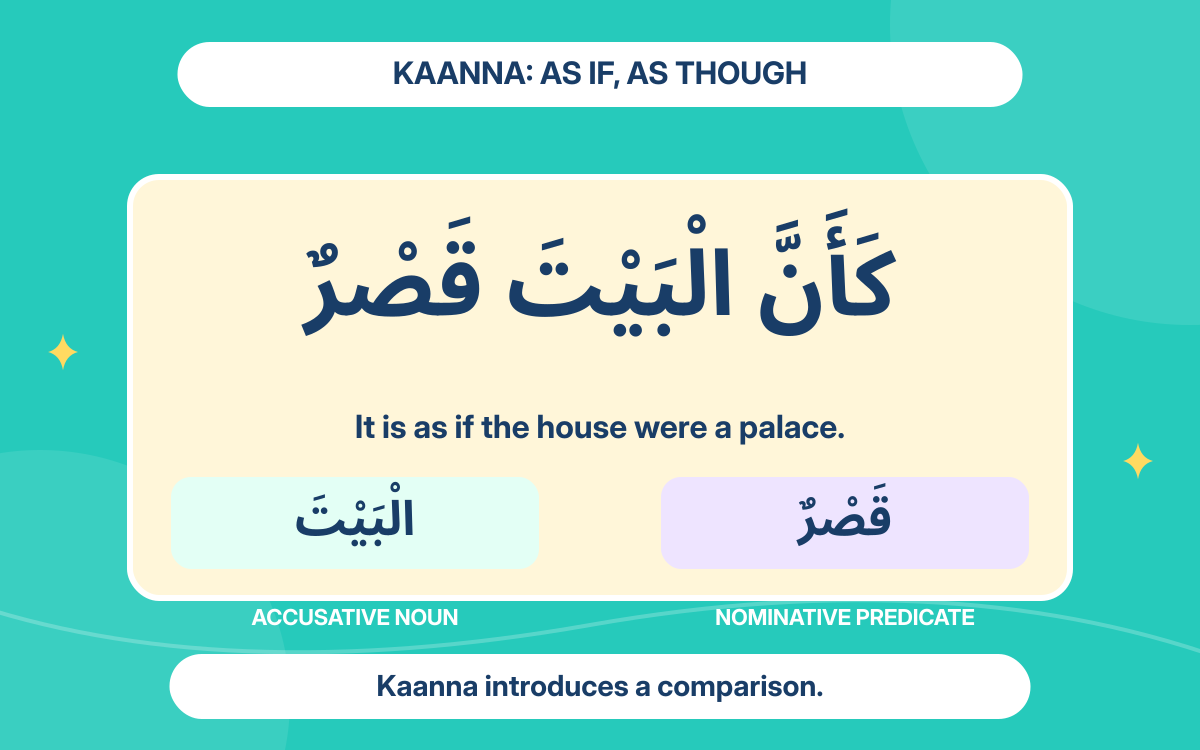
Kaanna in Arabic: As If and As Though
كَأَنَّهُ وَقَعَ بِلَا مَادَّةٍ جَدِيدَةٍ
Use kaanna to describe a misleading impression created by leaving out relevant context.
Lakinna and Lakin in Arabic: Two Patterns for But
لَكِنَّ ضِيقِي لَيْسَ سَبَبًا كَافِيًا لِحَذْفِ رَأْيِكَ فِي النُّسَخِ
Follow governing lakinna when personal distress is conceded but denied as a sufficient basis for deleting criticism.
Anna in Arabic: I Know That and I Think That
أَنَّ الْقَارِئَ سَيَرَى فِي النُّسَخِ تَفَاصِيلَ الْخَطِّ بِوُضُوحٍ أَكْبَرَ
Use anna to introduce the benefit Lina puts forward as her own reason for choosing enlarged copies.