Writer Salma, translator Basim and reader Nadir discuss a key beside an unused door in a fictional story. The gesture invites a daughter home within one invented family, while Nadir initially reads it as a sign that she should stay away.
01Read the Arabic conversation
شَرْحُ إِشَارَةٍ ثَقَافِيَّةٍ لِجُمْهُورٍ جَدِيدٍ
سَلْمَى: قِصَّتِي تَدُورُ فِي بَلْدَةٍ اخْتَرَعْتُهَا، وَالْعَادَةُ الَّتِي نُنَاقِشُهَا خَاصَّةٌ بِأُسْرَةٍ وَاحِدَةٍ فِيهَا. يَبْدَأُ الْمَشْهَدُ بِجَدَّةٍ تُعِيدُ مِفْتَاحًا إِلَى مِسْمَارٍ بِجَانِبِ بَابٍ لَا يُسْتَعْمَلُ، ثُمَّ تَكْتُبُ رِسَالَةً إِلَى ابْنَتِهَا.
بَاسِمٌ: نَقَلْتُ الصُّورَةَ دُونَ شَرْحٍ، وَتَرَدَّدْتُ فِي إِضَافَةِ حَاشِيَةٍ. الْمِفْتَاحُ وَالْبَابُ مَفْهُومَانِ كَشَيْئَيْنِ، لَكِنَّ اِقْتِرَانَهُمَا هُنَا يَحْمِلُ مَعْنًى لَا تُعْطِيهِ الْكَلِمَاتُ وَحْدَهَا. كَيْفَ قَرَأْتَ الْمَشْهَدَ يَا نَادِرُ؟
نَادِرٌ: فَهِمْتُ تَعْلِيقَ الْمِفْتَاحِ كَأَنَّهُ تَذْكِيرٌ بِأَنَّ الْعَوْدَةَ لَمْ تَعُدْ مُمْكِنَةً. الْبَابُ لَا يُسْتَعْمَلُ، وَالرِّسَالَةُ بَعْدَهُ؛ لِذَلِكَ تَوَقَّعْتُ أَنْ تَطْلُبَ الْجَدَّةُ مِنِ ابْنَتِهَا أَلَّا تَأْتِيَ.
سَلْمَى: وَأَنَا أَقْصِدُ دَعْوَةً رَقِيقَةً إِلَى الْعَوْدَةِ. فِي هَذِهِ الْأُسْرَةِ يَعْنِي تَعْلِيقُ الْمِفْتَاحِ أَنَّ لِلْغَائِبِ مَكَانًا فِي الْبَيْتِ. هَذَا تَقْلِيدٌ اخْتَرَعْتُهُ لِلشَّخْصِيَّاتِ، وَلَيْسَ وَصْفًا لِعَادَةٍ عَرَبِيَّةٍ أَوْ لِسُلُوكِ أَهْلِ الْبَلْدَةِ جَمِيعًا.
بَاسِمٌ: إِذَنْ لَا أُعَمِّمُ هَذَا التَّرْمِيزَ. مَا نَحْتَاجُهُ هُوَ مَعْرِفَةٌ دَاخِلَ الْحِكَايَةِ. وَالتَّرْجَمَةُ الْحَرْفِيَّةُ أَبْقَتِ الْأَشْيَاءَ، لَكِنَّهَا لَمْ تَضْمَنْ أَنْ يَصِلَ الْقَارِئُ إِلَى الْعَلَاقَةِ الْمَقْصُودَةِ بَيْنَهَا.
نَادِرٌ: لَا أُعَمِّمُ قِرَاءَتِي، وَلَا أَتَّخِذُهَا ذَرِيعَةً لِشَرْحِ كُلِّ صُورَةٍ. لَكِنَّنِي لَمْ أَجِدْ فِي الْمَقْطَعِ مَا يَجْعَلُ الْمِفْتَاحَ دَعْوَةً. هَلْ يَظْهَرُ هَذَا الْمَعْنَى فِي مَوْضِعٍ آخَرَ؟
سَلْمَى: بَعْدَ خَمْسِ صَفَحَاتٍ تَتَذَكَّرُ الِابْنَةُ قَوْلَ أُمِّهَا إِنَّ الْمِفْتَاحَ يَنْتَظِرُهَا مَتَى شَاءَتْ. وَأَذْكُرُ أَنَّ الْبَابَ لَمْ يَعُدْ يُفْضِي إِلَى الْمَمَرِّ الْقَدِيمِ بَعْدَ تَغْيِيرِ تَرْتِيبِ الْغُرَفِ؛ الدُّخُولُ يَكُونُ مِنْ بَابٍ آخَرَ الْآنَ.
بَاسِمٌ: يُمْكِنُ أَنْ نَسْتَبْدِلَ الْمِفْتَاحَ بِكُوبٍ تَضَعُهُ الْجَدَّةُ قُرْبَ مَقْعَدٍ فَارِغٍ. سَيَكُونُ التَّرْحِيبُ أَقْرَبَ إِلَى قِرَاءَةٍ مُبَاشِرَةٍ، لَكِنَّ هَذَا يُغَيِّرُ عَمَلَ الصُّورَةِ. لِمَاذَا تَتَمَسَّكِينَ بِالْبَابِ غَيْرِ الْمُسْتَعْمَلِ؟
نَادِرٌ: الْكُوبُ سَيُرَجِّحُ عِنْدِي فِكْرَةَ زِيَارَةٍ مُنْتَظَرَةٍ، لَكِنَّهُ لَا يُوَحِي بِالْعَلَاقَةِ بَيْنَ الطَّرِيقِ الْقَدِيمِ وَالْعَوْدَةِ الْجَدِيدَةِ. وَبَعْدَ شَرْحِكِ أَرَى سَبَبًا لِبَقَاءِ الْمِفْتَاحِ. مَا نَقَصَنِي كَانَ الرَّبْطَ، لَا الْقُدْرَةَ عَلَى تَخَيُّلِ مِفْتَاحٍ.
سَلْمَى: أُرِيدُ هَذَا التَّوَتُّرَ: الطَّرِيقُ الْقَدِيمُ لَا يُسْتَعْمَلُ، أَمَّا الْمَكَانُ فِي الْبَيْتِ فَلَمْ يَضِعْ. لَا أُرِيدُ أَنْ يَعْنِي الْمِفْتَاحُ أَنَّ الْأَشْيَاءَ بَقِيَتْ كَمَا كَانَتْ؛ الْعَوْدَةُ الْمُمْكِنَةُ سَتَمُرُّ مِنْ طَرِيقٍ مُخْتَلِفٍ.
بَاسِمٌ: لِأَنَّ هَذَا التَّوَتُّرَ يَعْمَلُ دَاخِلَ الْمَشْهَدِ، أُفَضِّلُ قَرِينَةً فِي الْمَتْنِ عَلَى حَاشِيَةٍ تَسْرُدُ أَصْلَ الْعَادَةِ. نَحْتَاجُ إِلَى مَا يُسَاعِدُ عَلَى فَهْمِ الْحَرَكَةِ قَبْلَ قِرَاءَةِ الرِّسَالَةِ.
نَادِرٌ: أَخْشَى أَنْ تَصِيرَ الْقَرِينَةُ تَوْجِيهًا يَأْمُرُنِي بِالشُّعُورِ بِالْحَنَانِ. أَحْتَاجُ إِلَى مَعْرِفَةِ مَا تَقْصِدُهُ الْجَدَّةُ بِالْحَرَكَةِ، لَا إِلَى جُمْلَةٍ تَقُولُ إِنَّ مَنْ يَفْهَمُهَا سَيَتَأَثَّرُ بِهَا. قَدْ أَفْهَمُ الْمَعْنَى دُونَ أَنْ أَرَى الْعَوْدَةَ أَمْرًا سَهْلًا.
سَلْمَى: يُمْكِنُنِي نَقْلُ شَيْءٍ مِنْ ذِكْرَى الِابْنَةِ إِلَى هُنَا، دُونَ أَنْ أَحْكُمَ عَلَى شُعُورِهَا. الْمِفْتَاحُ يَعْرِضُ مَكَانًا، وَلَا يَطْلُبُ مِنْهَا جَوَابًا فَوْرِيًّا. سَأُبْقِي تَأَخُّرَ رَدِّهَا فِي الْقِصَّةِ، فَالدَّعْوَةُ لَا تَحْسِمُ قَرَارَهَا.
بَاسِمٌ: أَقْتَرِحُ هَذِهِ الْجُمْلَةَ بَعْدَ الصُّورَةِ: «كَانَتِ الْجَدَّةُ تَقُولُ لِبَنَاتِهَا إِنَّ تَعْلِيقَهُ يَعْنِي أَنَّ الْبَيْتَ يَتَّسِعُ لِعَوْدَتِهِنَّ، مَتَى شِئْنَ». هِيَ تُحَدِّدُ الْعَادَةَ فِي كَلَامِ الْجَدَّةِ، وَتَتْرُكُ لِلِابْنَةِ إِمْكَانَ التَّرَدُّدِ بَعْدَ الدَّعْوَةِ.
نَادِرٌ: هُنَا أَفْهَمُ «مَتَى شِئْنَ» كَتَرْكٍ لِلْخِيَارِ، لَا كَمَوْعِدٍ مُحَدَّدٍ لِلْعَوْدَةِ. وَأَفْهَمُ أَنَّ الْمِفْتَاحَ يُعَلَّقُ فِي هَذَا الْبَيْتِ بِهَذَا الْمَعْنَى. لَا تَحْتَاجُ الْجُمْلَةُ إِلَى أَنْ تَنْسُبَ الْعَادَةَ إِلَى كُلِّ أُسْرَةٍ فِي الْبَلْدَةِ.
سَلْمَى: أُرِيدُ هَذَا الْحَدَّ. الْجَدَّةُ تَدْعُو ابْنَتَهَا، وَلَا يَتَكَلَّمُ الرَّاوِي بِاسْمِ أَهْلِ الْبَلْدَةِ. وَسَأُبْقِي الْبَابَ غَيْرَ مُسْتَعْمَلٍ؛ فَإِذَا جَعَلْنَاهُ يُفْتَحُ بِالْمِفْتَاحِ الْآنَ، تَحَوَّلَتِ الْإِشَارَةُ إِلَى تَعْلِيمَاتِ دُخُولٍ، وَضَعُفَ التَّوَتُّرُ الَّذِي نُنَاقِشُهُ.
بَاسِمٌ: بَقِيَ لَدَيَّ سُؤَالٌ عَنْ فِعْلِ «تُعِيدُ». هُوَ يُوحِي بِأَنَّ الْمِفْتَاحَ كَانَ قَدْ رُفِعَ عَنِ الْمِسْمَارِ. هَلْ نَشْرَحُ لِمَاذَا، أَمْ نَتْرُكُهُ سُؤَالًا؟ لَا أُرِيدُ أَنْ نُضِيفَ سَبَبًا يَجْعَلُ الدَّعْوَةَ مُصَالَحَةً لَمْ يَذْكُرْهَا النَّصُّ.
نَادِرٌ: أَنَا أَسْأَلُ عَنْ غِيَابِ الْمِفْتَاحِ أَيْضًا، لَكِنَّ سُؤَالِي تَغَيَّرَ بَعْدَ الْإِضَافَةِ. لَمْ أَعُدْ أَفْهَمُ الْحَرَكَةَ رَفْضًا لِلِابْنَةِ؛ أُرِيدُ أَنْ أَعْرِفَ لِمَاذَا تَجَدَّدَتِ الدَّعْوَةُ فِي هَذَا الْوَقْتِ. هَذَا فَرَاغٌ أَسْتَطِيعُ أَنْ أُوَاصِلَ الْقِرَاءَةَ مَعَهُ.
سَلْمَى: سَبَبُ الْغِيَابِ يَظْهَرُ لَاحِقًا، وَلَا أُرِيدُ نَقْلَهُ مَعَ الْقَرِينَةِ. تَقْدِيمُ مَعْنَى الْحَرَكَةِ لَا يَقْتَضِي تَقْدِيمَ كُلِّ مَا سَبَقَهَا. أُفَضِّلُ أَنْ يَعْرِفَ الْقَارِئُ أَنَّهَا دَعْوَةٌ، ثُمَّ يَسْأَلَ عَنْ تَوْقِيتِهَا، بَدَلًا مِنْ تَوَقُّعِ رَفْضٍ.
بَاسِمٌ: إِذَنْ أُبْقِي الصُّورَةَ الْأُولَى، وَأُدْخِلُ ذِكْرَى كَلَامِ الْجَدَّةِ بَعْدَهَا وَقَبْلَ الرِّسَالَةِ. لَا أَسْتَبْدِلُ الْمِفْتَاحَ بِالْكُوبِ، وَلَا أُضِيفُ الْحَاشِيَةَ. سَأُرَاجِعُ الْمَوْضِعَ الْمُتَأَخِّرَ كَيْ لَا أُكَرِّرَ التَّفْسِيرَ الْمَنْقُولَ بِنَفْسِ الْعِبَارَةِ.
نَادِرٌ: بَعْدَ قِرَاءَةِ هَذَا التَّرْتِيبِ، أَرَى دَعْوَةً مَعَ بَابٍ لَا يُسْتَعْمَلُ، وَهَذَا أَغْنَى عِنْدِي مِنْ كُوبٍ يَنْتَظِرُ زِيَارَةً. لَا أَعْرِفُ بَعْدُ هَلْ سَتَعُودُ الِابْنَةُ. فَهْمُ عَرْضِ الْعَوْدَةِ لَا يَجْعَلُ اسْتِجَابَتَهَا مَعْرُوفَةً لِي.
سَلْمَى: يُسَاعِدُنِي قَوْلُكَ عَلَى تَقْيِيمِ هَذِهِ الصِّيغَةِ، لَكِنَّنِي لَا أَعْتَبِرُهُ ضَمَانًا لِقِرَاءَةِ الْجَمِيعِ. قَدْ يَرَى قَارِئٌ آخَرُ فِي الدَّعْوَةِ ضَغْطًا، رَغْمَ تَرْكِ الْخِيَارِ. نَحْنُ نُوَضِّحُ مَعْنَى الْإِشَارَةِ فِي الْأُسْرَةِ، وَلَا نَضْبِطُ كُلَّ أَثَرٍ تُحْدِثُهُ.
بَاسِمٌ: وَلَا أَصِفُ الْقَارِئَ الَّذِي يَحْتَاجُ إِلَى الْقَرِينَةِ بِأَنَّهُ يَفْتَقِرُ إِلَى ثَقَافَةٍ يَجِبُ أَنْ يَعْرِفَهَا. الْعَادَةُ مُخْتَرَعَةٌ، وَالنَّصُّ هُوَ الَّذِي يُتِيحُ مَعْرِفَتَهَا. مُهِمَّتِي أَنْ أُوَصِّلَ هَذِهِ الْمَعْرِفَةَ بِقَدْرٍ يُلَائِمُ إِيقَاعَ الْمَشْهَدِ.
نَادِرٌ: وَلَا أُقَدِّمُ قِرَاءَتِي كَأَنَّهَا اِخْتِبَارٌ لِنَجَاحِ التَّرْجَمَةِ عِنْدَ الْجَمِيعِ. مَا أَسْتَطِيعُ وَصْفَهُ هُوَ انْتِقَالِي مِنْ تَوَقُّعِ الرَّفْضِ إِلَى فَهْمِ الدَّعْوَةِ، مَعَ بَقَاءِ أَسْئِلَتِي. هَذَا يُبَيِّنُ أَثَرَ الْإِضَافَةِ عَلَى قِرَاءَةٍ وَاحِدَةٍ.
سَلْمَى: أُوَافِقُ عَلَى الْجُمْلَةِ الْمُقْتَرَحَةِ وَمَوْضِعِهَا، مَعَ بَقَاءِ سَبَبِ غِيَابِ الْمِفْتَاحِ فِي مَوْضِعِهِ اللَّاحِقِ. لَنْ أَجْعَلَ شَرْحَ الْعَادَةِ وَعْدًا بِأَنَّ الرِّسَالَةَ سَتُنْهِي الْمَسَافَةَ بَيْنَ الْجَدَّةِ وَابْنَتِهَا.
بَاسِمٌ: سَأُدْخِلُ التَّعْدِيلَ فِي التَّرْجَمَةِ وَأُرْسِلُ النُّسْخَةَ لِلْمُرَاجَعَةِ؛ لَمْ تُنْشَرْ بَعْدُ. وَسَأُبْقِي التَّرْجَمَةَ مُحْتَفِظَةً بِالْبَابِ غَيْرِ الْمُسْتَعْمَلِ وَالدَّعْوَةِ الْمُتَجَدِّدَةِ. نَجَاحُ الْقَرِينَةِ هُنَا هُوَ فَتْحُ الْعَلَاقَةِ بَيْنَهُمَا لِلْفَهْمِ، مَعَ بَقَاءِ التَّوَتُّرِ الَّذِي يَحْمِلَانِهِ.
نَادِرٌ: سَأَقْرَأُ الرِّسَالَةَ الْآنَ بِسُؤَالٍ مُخْتَلِفٍ: كَيْفَ سَتَسْتَقْبِلُ الِابْنَةُ هَذِهِ الدَّعْوَةَ؟ لَمْ تَخْتَفِ صُعُوبَةُ الْعَوْدَةِ، لَكِنَّنِي لَمْ أَعُدْ أَسْتَنْتِجُ مِنَ الْبَابِ غَيْرِ الْمُسْتَعْمَلِ أَنَّ الْبَيْتَ يَرْفُضُهَا. أَرَى الْإِضَافَةَ جِسْرًا إِلَى الْمَشْهَدِ، لَا بَدِيلًا عَنْ قِرَاءَتِهِ.
Show English translationHide English translation
Salma — writer: My story takes place in a town I invented, and the custom we are discussing belongs to one family there. The scene begins with a grandmother putting a key back on a nail beside an unused door, then writing a letter to her daughter.
Basim — translator: I carried over the image without explanation and hesitated to add a footnote. The key and door are understandable as objects, but their pairing here carries a meaning the words alone do not supply. How did you read the scene, Nadir?
Nadir — reader: I understood hanging the key as though it were a reminder that returning was no longer possible. The door is unused and the letter follows, so I expected the grandmother to ask her daughter not to come.
Salma — writer: I mean a gentle invitation to return. In this family, hanging the key means the absent person has a place in the house. This is a tradition I invented for the characters, not a description of an Arab custom or of how all the townspeople behave.
Basim — translator: Then I will not generalise this symbolism. What we need is knowledge within the story. The literal translation kept the objects, but did not ensure the reader would reach the intended relationship between them.
Nadir — reader: I do not generalise my reading or make it a pretext for explaining every image. But I found nothing in the passage making the key an invitation. Does that meaning appear somewhere else?
Salma — writer: Five pages later, the daughter remembers her mother saying that the key awaits her whenever she wishes. I also mention that the door no longer serves the old passage after the rooms were rearranged; entry now takes place through another door.
Basim — translator: We could replace the key with a cup the grandmother places near an empty chair. Welcome would be closer to a direct reading, but that changes the image’s work. Why do you hold on to the unused door?
Nadir — reader: The cup would make an expected visit more likely in my reading, but would not suggest the relationship between the old route and a new return. After your explanation, I see a reason to keep the key. What I lacked was the connection, not the ability to imagine a key.
Salma — writer: I want this tension: the old route is unused, but the place in the house has not been lost. I do not want the key to mean things have stayed as they were; a possible return will follow a different route.
Basim — translator: Because this tension works within the scene, I prefer a contextual clue in the main text to a footnote recounting the custom’s origin. We need what helps us understand the gesture before reading the letter.
Nadir — reader: I fear the clue becoming an instruction ordering me to feel tenderness. I need to know what the grandmother means by the gesture, not a sentence saying whoever understands it will be moved. I might understand the meaning without seeing returning as an easy matter.
Salma — writer: I can move something from the daughter’s memory here without judging her feeling. The key offers a place and does not demand an immediate answer. I will keep her delayed reply in the story: the invitation does not settle her decision.
Basim — translator: I propose this sentence after the image: “The grandmother used to tell her daughters that hanging it meant the house had room for their return, whenever they wished.” It locates the custom in the grandmother’s words and leaves the daughter the possibility of hesitation after the invitation.
Nadir — reader: Here I understand “whenever they wished” as leaving a choice, not setting a date for returning. I understand that the key is hung with this meaning in this house. The sentence does not need to attribute the custom to every family in the town.
Salma — writer: I want that boundary. The grandmother invites her daughter; the narrator does not speak for the townspeople. I will keep the door unused: if we make it open with the key now, the gesture becomes entry instructions and the tension we are discussing weakens.
Basim — translator: I still have a question about the verb “puts back.” It suggests the key had been removed from the nail. Do we explain why or leave it a question? I do not want to add a cause that makes the invitation a reconciliation the text has not mentioned.
Nadir — reader: I also ask about the key’s absence, but my question changed after the addition. I no longer understand the gesture as rejecting the daughter; I want to know why the invitation was renewed at this time. That is a gap I can continue reading with.
Salma — writer: The reason for the absence appears later, and I do not want to move it with the clue. Providing the gesture’s meaning does not require providing everything that preceded it. I prefer the reader to know it is an invitation, then ask about its timing, rather than expect rejection.
Basim — translator: Then I will retain the opening image and insert the remembered words of the grandmother after it and before the letter. I will not replace the key with the cup or add the footnote. I will review the later passage so I do not repeat the moved explanation in the same wording.
Nadir — reader: After reading this sequence, I see an invitation beside an unused door, which is richer for me than a cup awaiting a visit. I do not yet know whether the daughter will return. Understanding the offer of return does not make her response known to me.
Salma — writer: Your comment helps me assess this wording, but I do not treat it as a guarantee of everyone’s reading. Another reader may see pressure in the invitation despite the choice being left open. We clarify what the sign means within the family; we do not control every effect it produces.
Basim — translator: Nor will I describe a reader who needs the clue as lacking a culture they ought to know. The custom is invented, and the text is what makes knowledge of it available. My task is to convey that knowledge in an amount suited to the scene’s rhythm.
Nadir — reader: Nor do I offer my reading as though it were a test of the translation’s success for everyone. What I can describe is my move from expecting rejection to understanding the invitation, while my questions remain. That shows the addition’s effect on one reading.
Salma — writer: I approve the proposed sentence and its position, with the reason for the key’s absence left in its later place. I will not make the explanation of the custom a promise that the letter will end the distance between the grandmother and her daughter.
Basim — translator: I will insert the revision into the translation and send the version for review; it has not yet been published. I will keep the translation holding both the unused door and the renewed invitation. The clue’s success here is to open the relationship between them to understanding while retaining the tension they carry.
Nadir — reader: I will now read the letter with a different question: how will the daughter receive this invitation? The difficulty of returning has not disappeared, but I no longer infer from the unused door that the house rejects her. I see the addition as a bridge into the scene, not a substitute for reading it.
02Useful words and expressions
| Arabic in the conversation | Meaning here |
|---|---|
| كَشَيْئَيْنِ | as two objects |
| اِقْتِرَانَهُمَا | their pairing |
| تَوَقَّعْتُ | I expected |
| ذَرِيعَةً لِشَرْحِ كُلِّ صُورَةٍ | a pretext for explaining every image |
| قَرِينَةً فِي الْمَتْنِ | a contextual clue in the main text |
| كَتَرْكٍ لِلْخِيَارِ | as leaving a choice |
| إِمْكَانَ التَّرَدُّدِ | the possibility of hesitation |
| تَجَدَّدَتِ الدَّعْوَةُ | the invitation was renewed |
| وَلَا نَضْبِطُ | and we do not control |
| إِيقَاعَ الْمَشْهَدِ | the scene’s rhythm |
| وَعْدًا | a promise |
| جِسْرًا إِلَى الْمَشْهَدِ | a bridge into the scene |
03Check your understanding
Choose one answer for each question. Look back at the Arabic conversation for evidence. Open the English question support or a hint when you need help.
What to remember
- Distinguish recognising an image’s objects from knowing its significance within one invented family.
- Preserve the unused-door tension through a contextual clue rather than replacing the key with a simpler image.
- Use one reader’s changed interpretation as evidence of that reading, while retaining open questions and uncertain wider reception.
Explore the Arabic in this conversation
Related grammar and vocabularyOpen Araqick guides connected to this conversation.
Kaanna in Arabic: As If and As Though
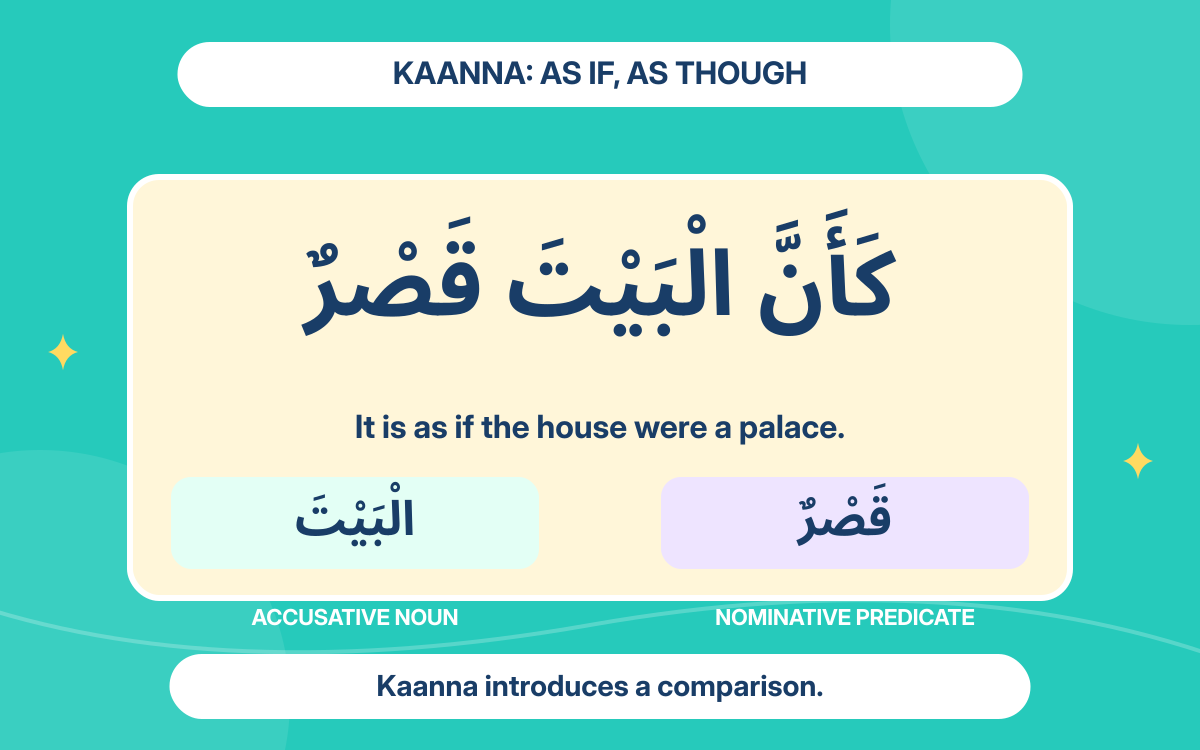
كَأَنَّهُ تَذْكِيرٌ بِأَنَّ الْعَوْدَةَ لَمْ تَعُدْ مُمْكِنَةً
Use kaanna to articulate Nadir’s initial interpretation of the hanging key.
Because in Arabic: Give a Reason with Lianna
لِأَنَّ هَذَا التَّوَتُّرَ يَعْمَلُ دَاخِلَ الْمَشْهَدِ
Use lianna to explain why the translator prefers a clue within the scene.
Lakinna and Lakin in Arabic: Two Patterns for But
لَكِنَّنِي لَا أَعْتَبِرُهُ ضَمَانًا لِقِرَاءَةِ الْجَمِيعِ
Use attached lakinnani to qualify the value of one reader’s response without dismissing it.