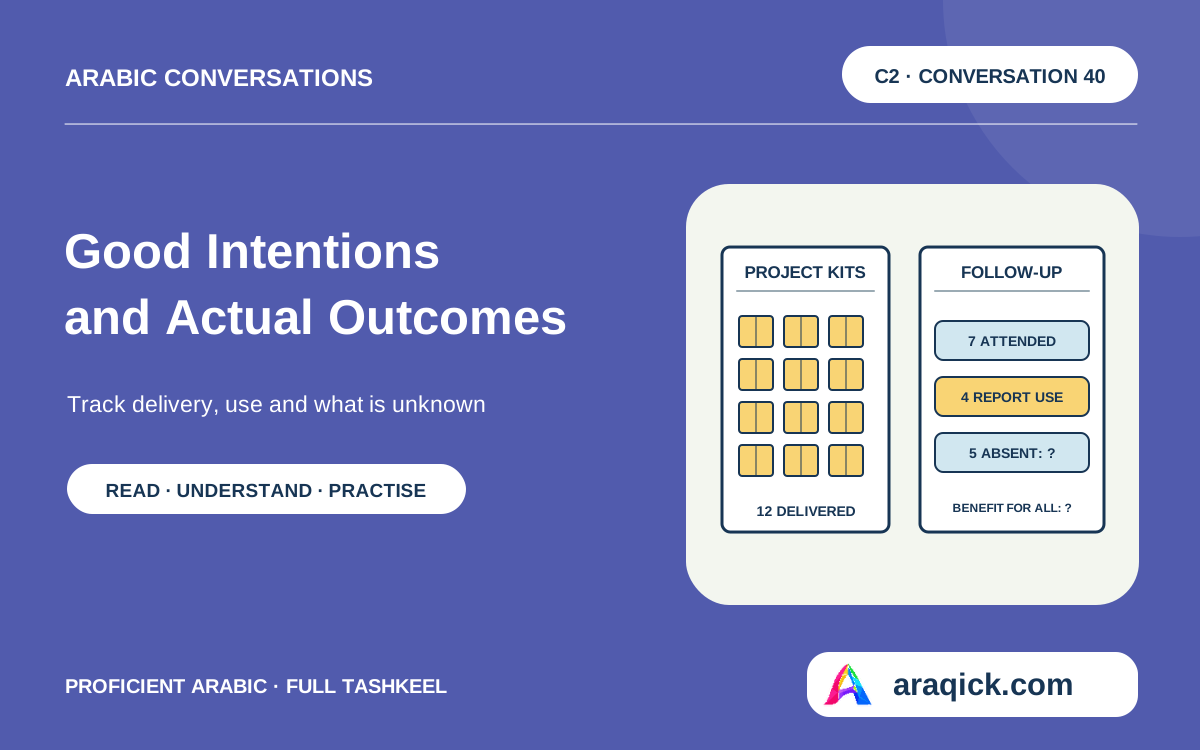
Donor Basil, project worker Marwa, participant Lina and evaluator Faris review an unpublished claim about an invented bookmark-making project. Twelve kits reached twelve people, but attendance and reported use describe smaller groups. Gratitude, intention and delivery each matter without answering every outcome question.
01Read the Arabic conversation
هَلْ تَكْفِي النِّيَّاتُ الْحَسَنَةُ؟
بَاسِلٌ: أَعْدَدْتُ لِلنَّشْرِ عِبَارَةً تَقُولُ إِنَّ حُسْنَ نِيَّتِنَا ضَمِنَ نَجَاحَ مَشْرُوعِ الْحِرَفِ لِلْمُشَارِكِينَ جَمِيعًا. أَنَا وَاهِبُ الْحَقَائِبِ، وَأُرِيدُ أَنْ يَظْهَرَ مَا تَحَقَّقَ. لَكِنَّ الْعِبَارَةَ لَمْ تُنْشَرْ بَعْدُ، فَلْنَفْحَصْ مَا يَسْنُدُهَا.
مَرْوَةُ: الْمَشْرُوعُ وَسِجِلَّاتُهُ هُنَا مُتَخَيَّلَةٌ. أَنَا عَامِلَةُ الْمَشْرُوعِ، وَعِنْدِي تَأْكِيدَاتُ تَسْلِيمِ اثْنَتَيْ عَشْرَةَ حَقِيبَةً إِلَى اثْنَيْ عَشَرَ مُشَارِكًا، وَتَسَلَّمَ كُلُّ وَاحِدٍ حَقِيبَةً. تَحْوِي كُلُّ حَقِيبَةٍ مَوَادَّ وَرَقِيَّةً لِصُنْعِ فَوَاصِلِ كُتُبٍ، وَوَصَلَتْ كُلُّهَا قَبْلَ اللِّقَاءِ.
لِينَا: أَنَا مِنَ السَّبْعَةِ الَّذِينَ حَضَرُوا اللِّقَاءَ الصَّبَاحِيَّ. شَكَرْتُكُمْ عِنْدَ التَّسَلُّمِ، ثُمَّ صَنَعْتُ فَاصِلًا فِي الْبَيْتِ بَعْدَ اللِّقَاءِ. أُقَدِّرُ الْهَدِيَّةَ، لَكِنَّ شُكْرِي لَا يَعْنِي أَنَّ الْمَوْعِدَ الصَّبَاحِيَّ كَانَ مُنَاسِبًا لِي أَوْ أَنَّنِي أُؤَيِّدُ كُلَّ تَرْتِيبٍ.
فَارِسٌ: بِوَصْفِي مُقَيِّمًا، أُفَرِّقُ بَيْنَ التَّسْلِيمِ وَالْحُضُورِ وَالِاسْتِخْدَامِ وَالْفَائِدَةِ. مَا يَصْلُحُ دَلِيلًا عَلَى خُطْوَةٍ لَا يُثْبِتُ إِتْمَامَ الْخُطْوَاتِ التَّالِيَةِ. لِنَذْكُرْ مَا نَعْرِفُهُ عَنْ كُلِّ مَجْمُوعَةٍ، بَدَلًا مِنْ جَعْلِ الْحَقِيبَةِ وَالْأَثَرِ شَيْئًا وَاحِدًا.
بَاسِلٌ: قَصَدْتُ أَنْ أُتِيحَ تَجْرِبَةَ صُنْعِ شَيْءٍ بِالْيَدِ لِكُلِّ مَنْ تَسَلَّمَ حَقِيبَةً. لَمْ أَشْتَرِطِ الْحُضُورَ لِلِاحْتِفَاظِ بِهَا. أَلَا يَكْفِي الْوُصُولُ إِلَى الِاثْنَيْ عَشَرَ لِوَصْفِ الْخُطْوَةِ الْأُولَى بِالنَّجَاحِ، حَتَّى إِنْ بَقِيَتْ أَسْئِلَةٌ أُخْرَى؟
مَرْوَةُ: بَلَى، إِذَا سَمَّيْنَا الْخُطْوَةَ تَسْلِيمًا. حَضَرَ سَبْعَةٌ مِنَ الِاثْنَيْ عَشَرَ، وَلَمْ يَحْضُرْ خَمْسَةٌ. لَا نَمْلِكُ مِنْهُمْ بَيَانًا لِأَسْبَابِ الْغِيَابِ. لَيْسَ تَسَلُّمُ الْحَقِيبَةِ وَعْدًا بِالْحُضُورِ، وَلَيْسَ الْغِيَابُ تَقْرِيرًا عَنْ مَصِيرِ مَوَادِّهَا.
لِينَا: الْفَائِدَةُ الَّتِي أَسْتَطِيعُ وَصْفَهَا أَنَّنِي أَكْمَلْتُ فَاصِلًا وَاسْتَخْدَمْتُهُ فِي كِتَابِي. لَا أَعْرِفُ مَا صَنَعَهُ غَيْرِي، وَلَا أُحَوِّلُ رِضَايَ عَنْ هَذَا الشَّيْءِ إِلَى حُكْمٍ عَلَى الْمَشْرُوعِ كُلِّهِ. كَانَ الْحُضُورُ مُمْكِنًا لِي، لَكِنَّهُ تَطَلَّبَ تَغْيِيرَ تَرْتِيبَاتِي.
فَارِسٌ: بَعْدَ اللِّقَاءِ أَفَادَ أَرْبَعَةٌ مِنَ السَّبْعَةِ بِاسْتِخْدَامِ حَقِيبَةٍ، وَمِنْهُمْ لِينَا. وَثَلَاثَةٌ مِنَ السَّبْعَةِ لَمْ يُبَلِّغُوا عَنِ اسْتِخْدَامٍ. أَمَّا الْخَمْسَةُ الْغَائِبُونَ فَاسْتِخْدَامُهُمْ مَجْهُولٌ لَنَا. الْأَرْبَعَةُ جُزْءٌ مِنَ السَّبْعَةِ، لَا مَجْمُوعَةٌ تُضَافُ إِلَيْهِمْ.
بَاسِلٌ: هَلْ أَكْتُبُ إِنَّ أَرْبَعَةً مِنَ الِاثْنَيْ عَشَرَ اسْتَخْدَمُوا الْحَقَائِبَ، وَإِنَّ الْبَاقِينَ لَمْ يَسْتَخْدِمُوهَا؟ أُرِيدُ رَقْمًا يَفْهَمُهُ الْقَارِئُ، لَا جَدْوَلًا يَحْتَاجُ إِلَى شَرْحٍ طَوِيلٍ. أَخْشَى أَنْ تُخْفِيَ التَّحَفُّظَاتُ مَا أَنْجَزْنَاهُ فِعْلًا.
مَرْوَةُ: لَا، لِأَنَّ سُؤَالَ الِاسْتِخْدَامِ أُرْسِلَ إِلَى الْحَاضِرِينَ السَّبْعَةِ وَحْدَهُمْ. جَاءَتْ أَرْبَعُ إِفَادَاتٍ بِالِاسْتِخْدَامِ، وَلَا تَحْمِلُ سِجِلَّاتُنَا مَعْلُومَةَ اسْتِخْدَامٍ عَنِ الثَّلَاثَةِ الْآخَرِينَ. عَدَمُ الْإِبْلَاغِ لَا يَسْمَحُ لِي بِتَسْجِيلِ عَدَمِ الِاسْتِخْدَامِ، وَالْخَمْسَةُ لَمْ نَسْأَلْهُمْ أَصْلًا.
لِينَا: وَلَا أُرِيدُ أَنْ يُسْتَخْدَمَ شُكْرِي لِمَلْءِ هَذَا الْفَرَاغِ. قُلْتُهُ قَبْلَ أَنْ أَفْتَحَ الْحَقِيبَةَ. وَبَعْدَ أَنْ جَرَّبْتُهَا، يَبْقَى شُكْرِي صَادِقًا، وَيَبْقَى اعْتِرَاضِي عَلَى الْمَوْعِدِ صَادِقًا أَيْضًا. لَا أَحْتَاجُ إِلَى سَحْبِ أَحَدِهِمَا لِأَقُولَ الْآخَرَ.
فَارِسٌ: تَرْتِيبُ الْأَقْوَالِ هُنَا مُهِمٌّ: شُكْرٌ عِنْدَ التَّسَلُّمِ، ثُمَّ تَجْرِبَةٌ وَوَصْفٌ لَهَا. لَا يَجُوزُ فِي مُلَخَّصِنَا أَنْ نَنْسِبَ إِلَى الْقَوْلِ الْأَوَّلِ مَعْرِفَةً لَمْ تَكُنْ لَدَى صَاحِبَتِهِ حِينَ قَالَتْهُ. وَوَصْفُهَا اللَّاحِقُ يَخُصُّهَا.
بَاسِلٌ: أَقْبَلُ هَذَا الْفَرْقَ، لَكِنَّنِي أَخْشَى أَنْ يَصِيرَ نَقْدُ النَّتِيجَةِ اتِّهَامًا لِلنِّيَّةِ. لَمْ أُرِدْ أَنْ أُحْرِجَ أَحَدًا بِهَدِيَّةٍ أَوْ أَفْرِضَ عَلَيْهِ مَوْعِدًا. أَرَى أَنَّ حُسْنَ الْقَصْدِ يَسْتَحِقُّ أَنْ يَبْقَى فِي الْحِكَايَةِ.
مَرْوَةُ: لَا أَحْتَاجُ إِلَى اتِّهَامِكَ لِأُرَاجِعَ تَرْتِيبَاتِنَا. أَنَا اخْتَرْتُ الصَّبَاحَ لِتَوَافُرِ فَرِيقِ الْعَمَلِ، وَلَمْ أَسْأَلِ الْمُشَارِكِينَ عَنْ مَوَاعِيدِهِمْ قَبْلَ التَّحْدِيدِ. هَذَا نَقْصٌ فِي طَرِيقَتِي، وَلَا يَكْشِفُ وَحْدَهُ لِمَاذَا غَابَ كُلُّ وَاحِدٍ مِنَ الْخَمْسَةِ.
لِينَا: وَأَنَا لَا أَقُولُ إِنَّ الْهَدِيَّةَ كَانَتْ حِيلَةً. أَقُولُ إِنَّ مَوْعِدًا آخَرَ كَانَ سَيُرِيحُنِي أَكْثَرَ. أُرِيدُ مَكَانًا لِهَذِهِ الْمُلَاحَظَةِ فِي الْحِكَايَةِ نَفْسِهَا الَّتِي تُظْهِرُ شُكْرِي، دُونَ أَنْ أَدَّعِيَ مَعْرِفَةَ مَا يُرِيحُ الْغَائِبِينَ.
فَارِسٌ: حَتَّى الْإِفَادَاتُ الْأَرْبَعُ بِالِاسْتِخْدَامِ لَا تَصِفُ فَائِدَةً وَاحِدَةً مُشْتَرَكَةً. لِينَا وَصَفَتْ مَا أَنْجَزَتْهُ، وَلَيْسَ عِنْدَنَا وَصْفٌ مُمَاثِلٌ مِنَ الثَّلَاثَةِ الْمُبَلِّغِينَ الْآخَرِينَ. نَحْتَفِظُ بِخَبَرِ الِاسْتِخْدَامِ، دُونَ أَنْ نُحَمِّلَهُ تَقْيِيمًا لَمْ يَرِدْ فِيهِ.
بَاسِلٌ: إِذَنْ أُرِيدُ الْإِبْقَاءَ عَلَى نَجَاحِ التَّسْلِيمِ، مَعَ سَحْبِ ضَمَانِ النَّجَاحِ لِلْجَمِيعِ. لَا أَرَى ذِكْرَ قَصْدِي زِينَةً؛ فَهُوَ يَشْرَحُ لِمَاذَا بَدَأْتُ. لَكِنَّنِي أَقْبَلُ أَلَّا يَكُونَ جَوَابًا عَنْ سُؤَالِ مَا حَدَثَ بَعْدَ الْوُصُولِ.
مَرْوَةُ: وَسَنُبْقِي تَأْكِيدَاتِ التَّسْلِيمِ كَمَا هِيَ. تَصْحِيحُ الْعِبَارَةِ لَا يَمْحُو عَمَلَ الْفَرِيقِ، كَمَا أَنَّ جُهْدَهُ لَا يَمْلَأُ فَرَاغَ الْمَعْلُومَاتِ. الْحَقَائِبُ وَصَلَتْ، وَالسُّؤَالُ عَنْ اسْتِعْمَالِهَا مَا زَالَ يَحْتَاجُ إِلَى أَصْحَابِهَا.
لِينَا: إِذَا سَأَلْتُمُونَا مَرَّةً أُخْرَى، فَلَا تَجْعَلُوا الْإِجَابَةَ طَرِيقَةً لِإِثْبَاتِ الِامْتِنَانِ. قَدْ أُفِيدُكُمْ بِذِكْرِ عَائِقٍ أَكْثَرَ مِمَّا أُفِيدُكُمْ بِتَكْرَارِ الشُّكْرِ. وَأُرِيدُ أَنْ يَسْتَطِيعَ مَنْ لَمْ يَسْتَخْدِمِ الْحَقِيبَةَ أَنْ يَقُولَ ذَلِكَ.
فَارِسٌ: أَقْتَرِحُ مُتَابَعَةَ الِاثْنَيْ عَشَرَ كُلِّهِمْ، بِاسْتِمَارَةٍ أَوْ مُكَالَمَةٍ قَصِيرَةٍ يَخْتَارُهَا الْمُشَارِكُ. نَسْأَلُ عَنِ الِاسْتِخْدَامِ وَمَا أَفَادَ أَوْ أَعَاقَ، وَنُتِيحُ تَرْكَ السُّؤَالِ. هَذِهِ خُطَّةٌ لِجَمْعِ مَا نَجْهَلُهُ، وَلَيْسَتْ بَيَانًا جَدِيدًا عَنْهُ.
بَاسِلٌ: لَنْ أَكُونَ حَاضِرًا فِي الْمُكَالَمَاتِ. أَخْشَى أَنْ يَدْفَعَ حُضُورِي بَعْضَهُمْ إِلَى مُجَامَلَتِي. أَقْبَلُ مُلَخَّصًا يَذْكُرُ الْمُلَاحَظَاتِ دُونَ الْأَسْمَاءِ، لَكِنَّنِي أُرِيدُ أَنْ يَتَّضِحَ فِيهِ عَدَدُ مَنْ أَجَابَ، فَلَا نَنْسِبُ رَأْيَهُمْ إِلَى الْجَمِيعِ.
مَرْوَةُ: سَأُعِدُّ الْأَسْئِلَةَ بِهَذَا التَّرْتِيبِ، وَسَأَذْكُرُ أَنَّ الْإِجَابَةَ اخْتِيَارِيَّةٌ. وَسَأَفْصِلُ فِي الْمُلَخَّصِ بَيْنَ مَا قِيلَ وَمَا اسْتَنْتَجْنَاهُ مِنْهُ. لَمْ نَبْدَأِ الْمُتَابَعَةَ بَعْدُ، فَلَا أَضَعُ فِي مَكَانِ نَتَائِجِهَا تَوَقُّعَاتِنَا عَمَّا سَيُقَالُ.
لِينَا: وَلَا أُمَثِّلُ الْمُشَارِكِينَ بِمُجَرَّدِ أَنَّنِي أَحْضُرُ هَذَا النِّقَاشَ. رَأْيِي فِي الْمَوْعِدِ يُسَاعِدُ عَلَى طَرْحِ سُؤَالٍ، وَلَا يَجِيبُ بَدَلًا مِنَ الْخَمْسَةِ الْغَائِبِينَ. قَدْ يَخْتَارُ غَيْرِي الصَّبَاحَ، وَيَجِبُ أَنْ يَظَلَّ لَهُ مَكَانٌ لِقَوْلِ ذَلِكَ.
فَارِسٌ: لِلنَّشْرِ الْآنَ: وُزِّعَتْ اثْنَتَا عَشْرَةَ حَقِيبَةً عَلَى اثْنَيْ عَشَرَ مُشَارِكًا، وَحَضَرَ سَبْعَةٌ، وَأَفَادَ أَرْبَعَةٌ مِنْهُمْ بِالِاسْتِخْدَامِ. ثُمَّ نَذْكُرُ أَنَّ الثَّلَاثَةَ الْبَاقِينَ لَمْ يُبَلِّغُوا عَنْهُ، وَأَنَّ اسْتِخْدَامَ الْخَمْسَةِ الْغَائِبِينَ مَجْهُولٌ. هَذَا مُلَخَّصُ الْمَعْرُوفِ، لَا حُكْمُ النَّجَاحِ النِّهَائِيُّ.
بَاسِلٌ: أُوَافِقُ عَلَى نَشْرِ هَذَا الْوَصْفِ بَدَلًا مِنْ عِبَارَتِي الْأُولَى. وَسَأَذْكُرُ قَصْدِي فِي جُمْلَةٍ مُنْفَصِلَةٍ عَنِ الْحَصِيلَةِ. أَبْقَى مُهْتَمًّا بِالِاعْتِرَافِ بِحُسْنِ النِّيَّةِ، لَكِنَّنِي لَنْ أَجْعَلَهُ شَهَادَةً بِأَنَّ كُلَّ مُسْتَلِمٍ قَدِ اسْتَفَادَ.
مَرْوَةُ: وَسَأَسْأَلُ الِاثْنَيْ عَشَرَ عَنْ مَوَاعِيدَ يُفَضِّلُونَهَا قَبْلَ تَحْدِيدِ لِقَاءٍ ثَانٍ. لَمْ أُقَرِّرْ مَوْعِدَهُ بَعْدُ، وَلَا أَعِدُ بِأَنْ يَلَائِمَ مَوْعِدٌ وَاحِدٌ الْجَمِيعَ. مَا أُغَيِّرُهُ الْآنَ هُوَ طَرِيقَةُ السُّؤَالِ قَبْلَ التَّرْتِيبِ، لَا تَارِيخُ اللِّقَاءِ الْمَاضِي.
لِينَا: يُمْكِنُكُمْ نَقْلُ شُكْرِي مَعَ وَصْفِ تَجْرِبَتِي وَتَحَفُّظِي عَلَى الْمَوْعِدِ. هَذَا مَا أُوَافِقُ عَلَيْهِ هُنَا، لَا عِبَارَةُ أَنَّنِي أُقِرُّ نَجَاحَ التَّرْتِيبَاتِ كُلِّهَا. يَسُرُّنِي أَنْ يُسْمَعَ صَوْتِي، وَلَا أَعُدُّ سَمَاعَهُ دَلِيلًا عَلَى أَنَّ الْمُشْكِلَةَ عُولِجَتْ بَعْدُ.
فَارِسٌ: وَأَنَا أُبْقِي قَصْدَكَ سَبَبًا لِبِدَايَةِ الْمَشْرُوعِ، وَأَبْقَى مُعْتَرِضًا عَلَى اعْتِبَارِهِ دَلِيلًا كَافِيًا عَلَى النَّتِيجَةِ. لَا نَحْتَاجُ إِلَى إِنْكَارِ التَّسْلِيمِ كَيْ نَسْأَلَ عَمَّا بَعْدَهُ. وَسَنَعُودُ إِلَى الْحَصِيلَةِ عِنْدَ جَمْعِ الْإِفَادَاتِ، دُونَ أَنْ نُقَرِّرَ إِجَابَتَهَا مُقَدَّمًا.
Show English translationHide English translation
Basil — donor: I prepared wording for publication saying that our good intentions ensured the craft project’s success for all participants. I donated the kits and want what was achieved to be visible. But the wording has not yet been published, so let us examine what supports it.
Marwa — project worker: The project and its records here are fictional. I am the project worker and have confirmations that twelve kits were delivered to twelve participants; each received one kit. Each kit contains paper materials for making bookmarks, and all arrived before the session.
Lina — participant: I am one of the seven who attended the morning session. I thanked you on receipt, then made a bookmark at home after the session. I appreciate the gift, but my thanks do not mean the morning time suited me or that I endorse every arrangement.
Faris — evaluator: As evaluator, I distinguish delivery, attendance, use and benefit. Evidence for one step does not establish completion of the next steps. Let us state what we know about each group rather than making the kit and its effect the same thing.
Basil — donor: I intended to make trying to create something by hand available to everyone receiving a kit. I did not make attendance a condition of keeping it. Is reaching the twelve not enough to describe the first step as successful, even if other questions remain?
Marwa — project worker: Yes, if we call the step delivery. Seven of the twelve attended, and five did not. We have no account from them of their reasons for absence. Receiving a kit is not a promise to attend, and absence is not a report about what happened to its materials.
Lina — participant: The benefit I can describe is completing a bookmark and using it in my book. I do not know what others made and do not turn satisfaction with this item into a judgment on the whole project. Attendance was possible for me but required rearranging my plans.
Faris — evaluator: After the session, four of the seven reported using a kit, including Lina. Three of the seven have not reported use. As for the five absent participants, their use is unknown to us. The four are part of the seven, not a group to add to them.
Basil — donor: Should I write that four of the twelve used the kits and the rest did not? I want a figure the reader understands, not a table requiring a long explanation. I fear reservations will hide what we actually achieved.
Marwa — project worker: No, because the use question was sent only to the seven attendees. Four reports of use arrived; our records contain no use information about the other three. Non-reporting does not let me record non-use, and we have not asked the five at all.
Lina — participant: I do not want my thanks used to fill that gap. I expressed them before opening the kit. After trying it, my thanks remain sincere and so does my objection to the time. I do not need to withdraw either to express the other.
Faris — evaluator: The order of statements matters here: thanks on receipt, then experience and its description. In our summary we must not attribute to the first statement knowledge its speaker did not have when she made it. Her later account concerns her personally.
Basil — donor: I accept this distinction, but fear criticism of the result will become an accusation about intention. I did not want to embarrass anyone with a gift or impose a time on them. I think good purpose deserves to remain in the account.
Marwa — project worker: I do not need to accuse you to review our arrangements. I chose morning because the staff were available, and did not ask participants about their times before fixing it. That is a gap in my approach, but does not by itself reveal why each of the five was absent.
Lina — participant: I am not saying the gift was a trick. I am saying another time would have been more convenient for me. I want room for that observation in the same account that shows my thanks, without claiming to know what would suit the absent participants.
Faris — evaluator: Even the four reports of use do not describe one shared benefit. Lina described what she accomplished; we have no comparable account from the other three reporters. We retain the use information without loading it with an evaluation it did not contain.
Basil — donor: Then I want to retain successful delivery while withdrawing the guarantee of success for everyone. I do not see mentioning my purpose as decoration: it explains why I began. But I accept that it is not an answer to what happened after delivery.
Marwa — project worker: We will retain the delivery confirmations as they are. Correcting the wording does not erase the team’s work, just as its effort does not fill an information gap. The kits arrived, and asking about their use still requires their recipients.
Lina — participant: If you ask us again, do not make answering a way to prove gratitude. Mentioning an obstacle may help you more than repeating thanks. I want anyone who has not used the kit to be able to say so.
Faris — evaluator: I propose following up with all twelve, through a form or a short call chosen by the participant. We ask about use, what helped or hindered, and allow questions to be skipped. This is a plan to collect what we do not know, not new information about it.
Basil — donor: I will not be present on the calls. I fear my presence could lead some to flatter me. I accept a summary reporting observations without names, but want the respondent count clear so that we do not attribute their views to everyone.
Marwa — project worker: I will prepare the questions in that arrangement and state that answering is optional. In the summary I will separate what was said from what we inferred from it. We have not started follow-up, so I will not put our expectations of what will be said in place of its results.
Lina — participant: Merely attending this discussion does not make me the participants’ representative. My view about timing helps raise a question; it does not answer for the five absent participants. Someone else may choose morning, and room must remain for them to say so.
Faris — evaluator: For publication now: twelve kits were distributed to twelve participants, seven attended, and four of them reported use. We then state that the remaining three have not reported it and that use by the five absent participants is unknown. This summarises what is known, rather than a final success judgment.
Basil — donor: I agree to publishing this description instead of my original wording. I will mention my purpose in a separate sentence from the outcome. I remain concerned that good intentions be recognised, but will not make them certification that every recipient benefited.
Marwa — project worker: I will ask all twelve what times they prefer before fixing a second session. I have not decided its time and do not promise that one time will suit everyone. What I am changing now is the approach of asking before arranging, not the date of the past session.
Lina — participant: You may convey my thanks alongside my experience and my reservation about timing. That is what I agree to here, not a statement that I endorse every arrangement as successful. I am glad to be heard and do not consider being heard evidence that the problem has already been addressed.
Faris — evaluator: I retain your purpose as a reason for starting the project, and remain opposed to treating it as sufficient evidence of the outcome. We need not deny delivery in order to ask what followed it. We will revisit the outcome when reports are collected, without deciding their answer beforehand.
02Useful words and expressions
| Arabic in the conversation | Meaning here |
|---|---|
| حُسْنَ نِيَّتِنَا | our good intentions |
| تَأْكِيدَاتُ تَسْلِيمِ | delivery confirmations |
| فَوَاصِلِ كُتُبٍ | bookmarks |
| بِوَصْفِي مُقَيِّمًا | in my capacity as an evaluator |
| الْخُطْوَاتِ التَّالِيَةِ | the subsequent steps |
| عَدَمُ الْإِبْلَاغِ | non-reporting |
| لِمَلْءِ هَذَا الْفَرَاغِ | to fill this gap |
| اتِّهَامًا لِلنِّيَّةِ | an accusation about intention |
| بِتَكْرَارِ الشُّكْرِ | by repeating thanks |
| إِلَى مُجَامَلَتِي | to flatter me |
| وَتَحَفُّظِي عَلَى الْمَوْعِدِ | and my reservation about the time |
| شَهَادَةً | certification |
03Check your understanding
Choose one answer for each question. Look back at the Arabic conversation for evidence. Open the English question support or a hint when you need help.
What to remember
- Twelve participants received twelve kits; seven attended, four of those seven reported use, and three attendees have not reported use. Use by the five absent people is unknown.
- Lina’s thanks on receipt and later benefit do not endorse every arrangement or represent other participants. Critiquing planning does not establish bad intention or individual reasons for absence.
- The donor accepts a narrower publication claim while retaining the value of his purpose. Follow-up with all twelve and asking about future timing remain planned, with no new outcomes yet collected.
Explore the Arabic in this conversation
Related grammar and vocabularyOpen Araqick guides connected to this conversation.
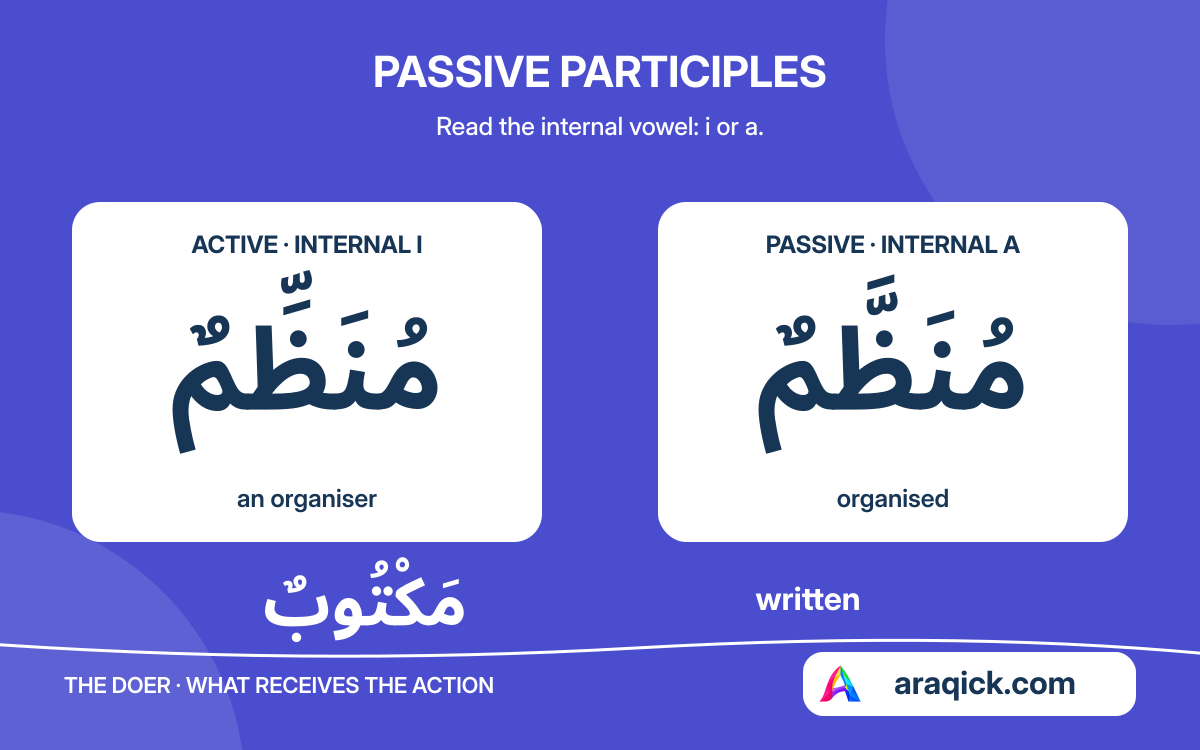
Arabic Passive Participles: Ism al-Maful Explained
فَاسْتِخْدَامُهُمْ مَجْهُولٌ لَنَا
Notice the passive participle majhul as the evaluator identifies absent participants’ unobserved kit use rather than assuming non-use.
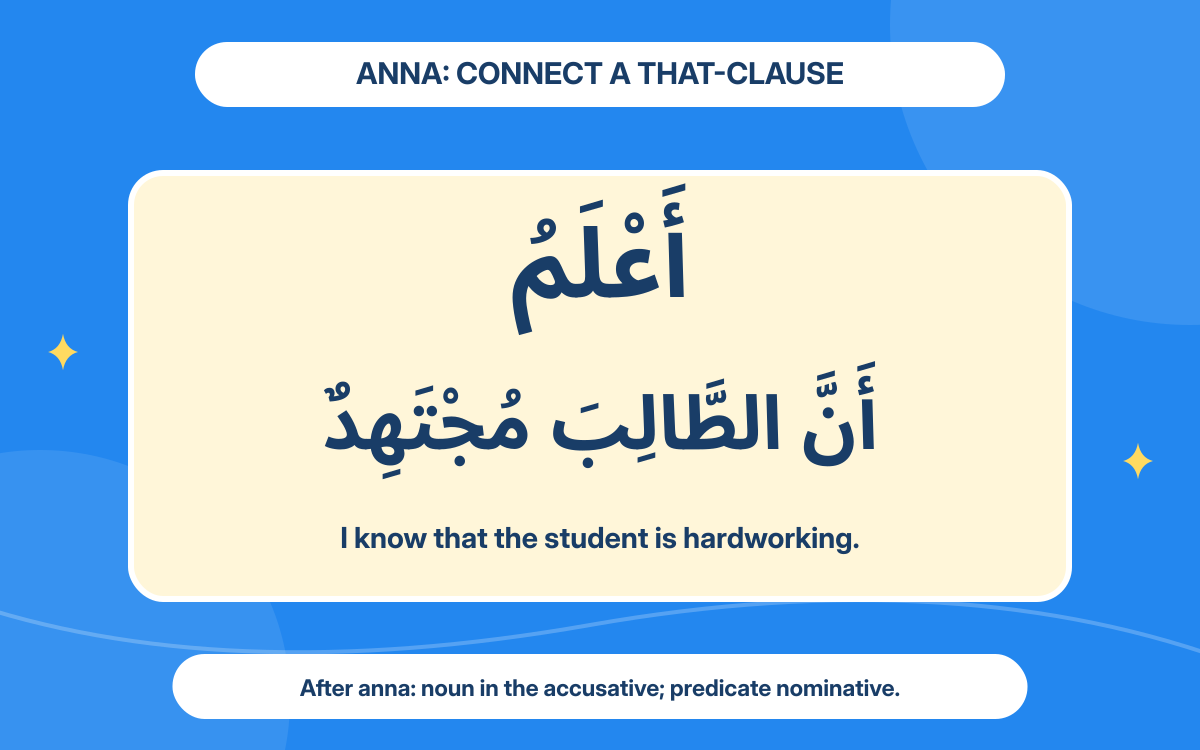
Anna in Arabic: I Know That and I Think That
أَنَّ الْإِجَابَةَ اخْتِيَارِيَّةٌ
Read anna and its following noun clause inside the worker’s planned statement that responding is optional.
Lakinna and Lakin in Arabic: Two Patterns for But
لَكِنَّنِي أَقْبَلُ أَلَّا يَكُونَ جَوَابًا
Track lakinnani when the donor concedes a limit on intention’s role while retaining its value as context.