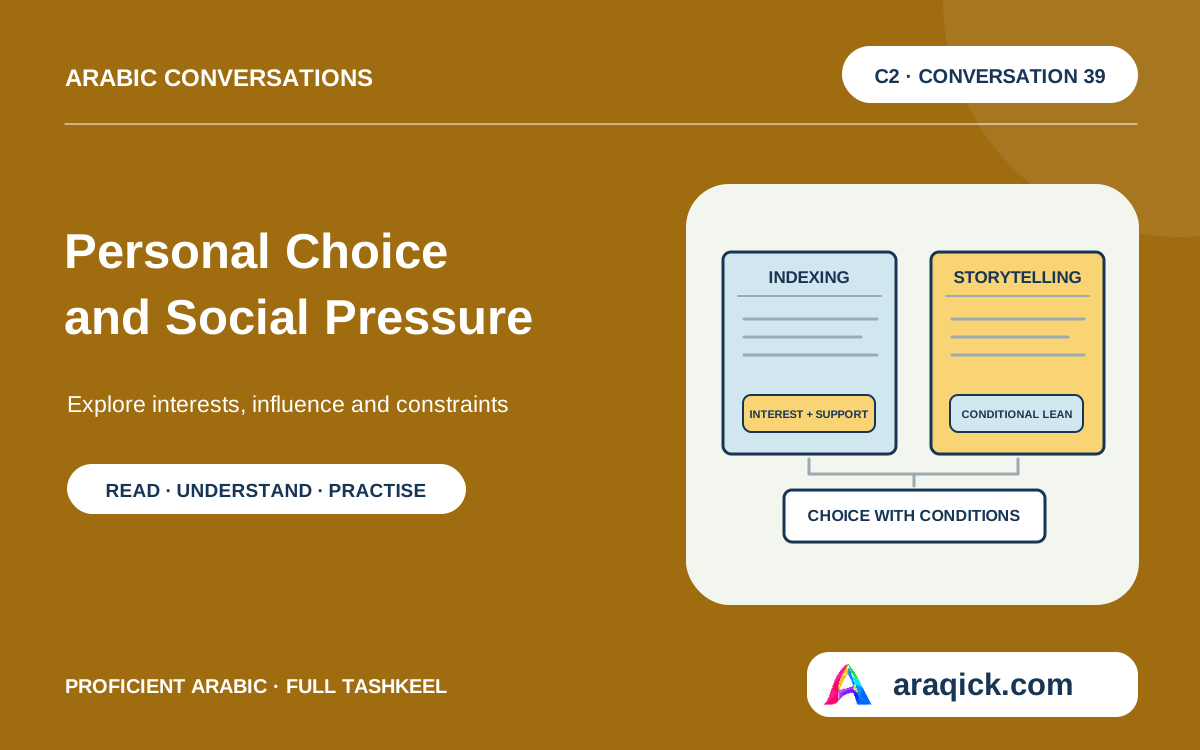
Graduate Salim discusses two invented training routes with careers adviser Nada and sociologist Huda. His indexing choice combines an authentic interest with more convenient support and family approval. A conditional preference for storytelling complicates his claim that the choice was entirely free.
01Read the Arabic conversation
التَّمْيِيزُ بَيْنَ الِاخْتِيَارِ الشَّخْصِيِّ وَالضَّغْطِ الِاجْتِمَاعِيِّ
سَلِيمٌ: وَقَّعْتُ اسْتِمَارَةَ اخْتِيَارِ مَسَارٍ تَدْرِيبِيٍّ، وَكَتَبْتُ أَنَّ الْقَرَارَ شَخْصِيٌّ حُرٌّ. الْمَعْهَدُ وَالْمَسَارَانِ فِي هَذِهِ الْحَالَةِ مُتَخَيَّلَةٌ. لَكِنَّنِي تَوَقَّفْتُ عِنْدَ كَلِمَةِ حُرٍّ؛ فَهِيَ تَقُولُ أَكْثَرَ مِمَّا أَسْتَطِيعُ تَأْكِيدَهُ.
نَدَى: بِوَصْفِي مُرْشِدَةً لِلْمَسَارَاتِ الْمِهْنِيَّةِ، لَنْ أَخْتَرَ بَدَلًا مِنْكَ. لِنُحَدِّدْ مَا عُرِضَ عَلَيْكَ وَمَا يَلْزَمُ لِحُضُورِهِ. أَسْتَطِيعُ تَوْضِيحَ الْبَدَائِلِ وَأَعْبَائِهَا الْعَمَلِيَّةِ، لَا إِثْبَاتَ أَنَّ أَحَدَهَا أَصْلَحُ لِحَيَاتِكَ كُلِّهَا.
هُدَى: وَأَنَا أَسْأَلُ، بِوَصْفِي بَاحِثَةً اجْتِمَاعِيَّةً، عَمَّا تُثْبِتُهُ صِيَاغَتُكَ هُنَا. إِذَا قُلْتَ إِنَّكَ تُفَضِّلُ مَسَارًا، فَهَذَا وَصْفٌ مُهِمٌّ، لَكِنَّهُ لَا يُجِيبُ وَحْدَهُ عَنِ الظُّرُوفِ الَّتِي تَكَوَّنَ فِيهَا التَّفْضِيلُ وَأَثَّرَتْ فِيهِ.
سَلِيمٌ: قُبِلْتُ فِي مَسَارِ فَهْرَسَةِ الدَّفَاتِرِ صَبَاحًا بِالْمَرْكَزِ الْقَرِيبِ، وَفِي مَسَارِ سَرْدِ الْحِكَايَاتِ صَوْتِيًّا مَسَاءً بِمَرْكَزٍ أَبْعَدَ. كِلَاهُمَا سِتَّةُ أَسَابِيعَ. عَلَيَّ تَأْكِيدُ أَحَدِهِمَا يَوْمَ الْجُمُعَةِ، وَلَا يَسْمَحُ الْجَدْوَلُ بِحُضُورِهِمَا مَعًا.
نَدَى: إِذَنْ قَبُولُ الْمَعْهَدِ مُتَاحٌ لِلْمَسَارَيْنِ، وَلَكِنَّ شُرُوطَ الْحُضُورِ مُخْتَلِفَةٌ. هَلِ اخْتِلَافُ الْمَوْعِدِ وَالْمَكَانِ وَحْدَهُ هُوَ الْمُؤَثِّرُ؟ أَحْتَاجُ إِلَى وَصْفِ مَا عَرَضَتْهُ أُسْرَتُكَ فِعْلًا، لَا إِلَى تَخْمِينِ مَا سَتَعْرِضُهُ.
هُدَى: وَلْنُبْقِ الْفَرْقَ بَيْنَ بَدِيلٍ تَعْرِفُ أَنَّهُ مَوْجُودٌ وَبَدِيلٍ تَسْتَطِيعُ تَحَمُّلَ تَرْتِيبَاتِهِ. هَذَا الْفَرْقُ لَا يُمْلِي عَلَيْكَ الْجَوَابَ، لَكِنَّهُ يَمْنَعُنَا مِنْ عَدِّ رِسَالَتَيِ الْقَبُولِ دَلِيلًا كَافِيًا عَلَى تَسَاوِي سُهُولَةِ الِاخْتِيَارِ.
سَلِيمٌ: عَرَضَ أَهْلِي تَوْصِيلِي إِلَى الْمَرْكَزِ الْقَرِيبِ صَبَاحًا، وَتَخْصِيصَ الطَّاوِلَةِ الْمُشْتَرَكَةِ لِتَدْرِيبِي بَعْدَهُ. مَسَاءً تُسْتَخْدَمُ الطَّاوِلَةُ لِعَمَلٍ آخَرَ. وَقَالَ أَبِي إِنَّ الْفَهْرَسَةَ اخْتِيَارٌ عَاقِلٌ، أَمَّا السَّرْدُ فَهِوَ هِوَايَةٌ؛ وَأُرِيدُ رِضَاهُ.
نَدَى: عِنْدَنَا هُنَا تَرْتِيبٌ مُحَدَّدٌ لِلْوَقْتِ وَالْمَكَانِ، وَحُكْمٌ عَلَى قِيمَةِ الْمَسَارِ. لَا أَجْعَلُهُمَا شَيْئًا وَاحِدًا. قَدْ يَكُونُ تَوْفِيرُ الطَّاوِلَةِ صَبَاحًا مُرْتَبِطًا بِاسْتِعْمَالِهَا، أَمَّا أَثَرُ كَلَامِ أَبِيكَ فَتَصِفُهُ أَنْتَ مِنْ تَجْرِبَتِكَ.
هُدَى: لَيْسَ الْمَنْعُ الصَّرِيحُ شَرْطًا لِوُجُودِ ضَغْطٍ فِي هَذِهِ الْحَالَةِ. لَكِنَّنِي لَا أَسْتَنْتِجُ مِنْ رَغْبَتِكَ فِي الرِّضَا أَنَّ رَأْيَكَ مُخْتَلَقٌ. نَحْتَاجُ إِلَى وَصْفِ أَثَرِ الْمُوَافَقَةِ وَالدَّعْمِ، دُونَ إِلْغَاءِ مَا تَرْغَبُ فِيهِ.
سَلِيمٌ: وَأَنَا لَا أُرِيدُ أَنْ يُقَالَ إِنَّ الْفَهْرَسَةَ لَا تَعْنِينِي. أَسْتَمْتِعُ بِتَرْتِيبِ الْمَوَادِّ، وَقَدْ أَعْدَدْتُ فِهْرِسًا لِدَفْتَرِ حِكَايَاتِي. لَكِنَّنِي عِنْدَمَا شَرَحْتُ قَرَارِي لِصَدِيقِي ذَكَرْتُ هَذَا الِاهْتِمَامَ، وَتَرَكْتُ شُرُوطَ الدَّعْمِ خَارِجَ الْحَدِيثِ.
نَدَى: لَا أَسْتَطِيعُ أَنْ أُعْطِيَ كُلَّ سَبَبٍ وَزْنًا بَدَلًا مِنْكَ. لَكِنْ لِفَهْمِ تَفْضِيلِكَ، أَسْأَلُكَ: لَوْ تَسَاوَى الْمَوْعِدُ وَسُهُولَةُ الْوُصُولِ وَمَكَانُ التَّدْرِيبِ، فَأَيَّ الْمَسَارَيْنِ تَمِيلُ إِلَيْهِ؟
هُدَى: هَذَا افْتِرَاضٌ لِفَحْصِ مَعْنَى التَّفْضِيلِ، لَا عَرْضٌ جَدِيدٌ مِنَ الْمَعْهَدِ. يَجِبُ أَلَّا نَتَكَلَّمَ بَعْدَ الْإِجَابَةِ كَأَنَّ الشُّرُوطَ تَغَيَّرَتْ. وَقَدْ تُظْهِرُ إِجَابَتُكَ مَيْلًا مَشْرُوطًا دُونَ أَنْ تُبْطِلَ قَرَارَكَ الْحَالِيَّ أَوْ تَحْسِمَهُ.
سَلِيمٌ: فِي تِلْكَ الظُّرُوفِ أَمِيلُ إِلَى السَّرْدِ الصَّوْتِيِّ. وَمَعَ ذَلِكَ لَمْ أُجَرِّبْ دَوْرَةً كَامِلَةً فِيهِ، فَلَا أَعْرِفُ مَا إِذَا كَانَ هَذَا الْمَيْلُ سَيَسْتَمِرُّ. مَا أَقُولُهُ الْآنَ أَدَقُّ مِنْ قَوْلِي إِنَّنِي أُفَضِّلُ الْفَهْرَسَةَ بِغَضِّ النَّظَرِ عَنِ الظُّرُوفِ.
نَدَى: وَلَا يَلْزَمُ مِنْ ذَلِكَ أَنْ أَنْصَحَكَ بِالسَّرْدِ. الْمَيْلُ الَّذِي وَصَفْتَهُ يَخُصُّ شُرُوطًا افْتَرَضْنَاهَا، بَيْنَمَا تَأْكِيدُ الْمَقْعَدِ يَجْرِي فِي الشُّرُوطِ الْحَالِيَّةِ. يُمْكِنُنَا أَنْ نُظْهِرَ الْفَرْقَ فِي الِاسْتِمَارَةِ دُونَ أَنْ نُحَوِّلَهُ إِلَى تَوْجِيهٍ مِنِّي.
هُدَى: عِبَارَةُ الْقَرَارِ الْحُرِّ تُخْفِي هَذِهِ الشُّرُوطَ إِذَا قُرِئَتْ بِمَعْنَى غِيَابِ التَّأْثِيرِ. وَعِبَارَةُ الْإِكْرَاهِ الْكَامِلِ تُخْفِي اهْتِمَامَكَ بِالْفَهْرَسَةِ. أَقْتَرِحُ أَنْ نَصِفَ هَذَا الْقَرَارَ قَبْلَ إِعْطَائِهِ حُكْمًا شَامِلًا عَنْ مِقْدَارِ حُرِّيَّتِكَ.
سَلِيمٌ: سَأَكْتُبُ أَنَّنِي اخْتَرْتُ الْفَهْرَسَةَ لِاهْتِمَامِي بِهَا وَلِتَوَافُرِ تَرْتِيبَاتِ الْحُضُورِ وَالتَّدْرِيبِ. وَسَأَذْكُرُ أَنَّ رِضَا أُسْرَتِي أَثَّرَ فِيَّ. لَكِنَّنِي أَخْشَى أَنْ يُقْرَأَ ذِكْرُ هَذَا الْأَثَرِ اتِّهَامًا لَهُمْ بِالتَّلَاعُبِ بِي.
نَدَى: تَسْتَطِيعُ أَنْ تَذْكُرَ الْعَرْضَ وَالْعِبَارَةَ وَأَثَرَهُمَا عَلَيْكَ، دُونَ أَنْ تَنْسِبَ نِيَّةً لَمْ يَذْكُرُوهَا. هَذَا وَصْفُ تَجْرِبَتِكَ، لَا حُكْمٌ عَلَى كُلِّ عَرْضٍ مِنْ أُسْرَةٍ. وَأَنْتَ تَخْتَارُ مَا تَضَعُهُ فِي اسْتِمَارَتِكَ.
هُدَى: وَأَرَى أَنَّ ذِكْرَ التَّأْثِيرِ لَا يَسْلُبُكَ مِلْكِيَّةَ السَّبَبِ. قَدْ تَعُدُّ قُرْبَ الْمَرْكَزِ سَبَبًا مَقْبُولًا لَكَ، وَقَدْ تَضِيقُ بِتَقْلِيلِ قِيمَةِ السَّرْدِ. وُجُودُ الْأَمْرَيْنِ مَعًا يَمْنَعُ اخْتِزَالَ كَلَامِكَ فِي طَاعَةٍ أَوْ تَمَرُّدٍ.
سَلِيمٌ: صَدِيقِي قَالَ إِنَّ عَلَيَّ اخْتِيَارَ السَّرْدِ لِأُثْبِتَ اسْتِقْلَالِي. شَعَرْتُ أَنَّنِي صِرْتُ أَخْتَارُ لِجُمْهُورٍ آخَرَ. لَا أُرِيدُ أَنْ أَتْرُكَ الْفَهْرَسَةَ فَقَطْ لِأَنَّ أُسْرَتِي تُرَحِّبُ بِهَا، كَمَا لَا أُرِيدُ أَنْ أَدَّعِيَ أَنَّ تَرْحِيبَهَا لَا يَعْنِينِي.
نَدَى: سُؤَالُ مَا تُرِيدُهُ مِنَ التَّدْرِيبِ مُخْتَلِفٌ عَنْ سُؤَالِ مَا يُثْبِتُهُ اخْتِيَارُكَ لِصَدِيقِكَ. لَنْ أَجْعَلَ رَفْضَ رَغْبَةِ الْأُسْرَةِ مِعْيَارًا لِصِحَّةِ الْقَرَارِ. وَلَنْ أَجْعَلَ قَبُولَهَا مِعْيَارًا لِصِحَّتِهِ أَيْضًا.
هُدَى: فِي كَلَامِ صَدِيقِكَ يَظْهَرُ شَرْطٌ جَدِيدٌ لِلِاعْتِرَافِ بِاسْتِقْلَالِكَ. وَلَا نُزِيلُ أَثَرَهُ بِمُجَرَّدِ تَسْمِيَتِهِ. لَكِنَّ مَلَاحَظَتَهُ تُتِيحُ لَكَ أَنْ تَسْأَلَ إِنْ كُنْتَ تُدَافِعُ عَنْ مَيْلٍ لَكَ أَمْ عَنْ صُورَةٍ تَرْغَبُ فِي إِظْهَارِهَا.
سَلِيمٌ: سَأُبْقِي اخْتِيَارَ الْفَهْرَسَةِ لِهَذِهِ الدَّوْرَةِ. وَسَأَسْأَلُ أَهْلِي عَنْ إِمْكَانِ تَخْصِيصِ الطَّاوِلَةِ لِلسَّرْدِ فِي مَوْعِدٍ لَاحِقٍ. لَمْ أَسْأَلْهُمْ بَعْدُ، وَلَا أُسَجِّلُ الْإِمْكَانَ مُوَافَقَةً؛ إِنَّهُ سُؤَالٌ أُرِيدُ أَنْ أَطْرَحَهُ بَعْدَ هَذَا اللِّقَاءِ.
نَدَى: سَأُسَجِّلُ اخْتِيَارَكَ الْحَالِيَّ وَشُرُوطَهُ، مَعَ بَقَاءِ ذَلِكَ السُّؤَالِ مَفْتُوحًا. مَوْعِدُ الْجُمُعَةِ لِتَأْكِيدِ الْمَقْعَدِ، وَلَا يَجْعَلُ رَدَّ أُسْرَتِكَ الْمُسْتَقْبَلِيَّ مَعْلُومًا. وَهَذَا السِّجِلُّ لَا يَعِدُكَ بِمَسَارٍ آخَرَ بَعْدَ الدَّوْرَةِ.
هُدَى: وَإِذَا تَغَيَّرَتِ الشُّرُوطُ لَاحِقًا، فَإِعَادَةُ النَّظَرِ لَا تَعْنِي أَنَّ تَفْسِيرَكَ الْحَالِيَّ كَاذِبٌ. هُوَ يَصِفُ اخْتِيَارًا فِي وَقْتٍ مُحَدَّدٍ. سُؤَالِي عَنْ أَثَرِ الْبِيئَةِ لَا يُحَوِّلُ هَذَا الْوَصْفَ إِلَى حُكْمٍ ثَابِتٍ عَلَى شَخْصِيَّتِكَ.
سَلِيمٌ: وَأُرِيدُ أَنْ أُصَحِّحَ أَمْرًا: لَمْ يَقُلْ أَهْلِي إِنَّهُمْ سَيَسْحَبُونَ مَحَبَّتَهُمْ إِذَا اخْتَرْتُ السَّرْدَ. مَا أَعْرِفُهُ هُوَ عَرْضُهُمْ وَكَلَامُ أَبِي وَأَثَرُهُمَا فِيَّ. أُبْقِي وَصْفَ الْقَرَارِ بِأَنَّهُ شَخْصِيٌّ، وَأَتْرُكُ الِادِّعَاءَ بِغِيَابِ الضَّغْطِ.
نَدَى: سَأَعْرِضُ عَلَيْكَ الصِّيَاغَةَ قَبْلَ اعْتِمَادِهَا، وَلَنْ أَتَّصِلَ بِأُسْرَتِكَ ضِمْنَ هَذَا اللِّقَاءِ. أُوَثِّقُ اخْتِيَارًا تَحَمَّلْتَ شَرْحَهُ، وَلَا أَمْلِكُ مِنْ ذَلِكَ قِيَاسًا لِاسْتِقْلَالِكَ. وَيَبْقَى تَفْضِيلُكَ الْمَشْرُوطُ لِلسَّرْدِ جُزْءًا مِنَ الشَّرْحِ.
هُدَى: مَا زِلْتُ أَتَحَفَّظُ عَلَى قِرَاءَةِ كَلِمَةِ شَخْصِيٍّ كَأَنَّهَا تَعْنِي مُنْفَصِلًا عَنِ الْآخَرِينَ. وَأَقْبَلُهَا هُنَا بِمَعْنَى أَنَّكَ صَاحِبُ الْقَرَارِ. هَذَا التَّحْدِيدُ يُبْقِي صَوْتَكَ وَشُرُوطَكَ مَعًا، دُونَ ادِّعَاءِ أَنَّنَا حَدَّدْنَا مِقْدَارَ الضَّغْطِ أَوْ أَزَلْنَاهُ.
Show English translationHide English translation
Salim — graduate: I signed a training-route selection form and wrote that the decision was a free personal one. The institute and both routes in this case are fictional. But I paused at “free”: it says more than I can confirm.
Nada — careers adviser: As a careers adviser, I will not choose for you. Let us identify what you were offered and what attending requires. I can clarify the alternatives and their practical demands, not establish that one is better for your entire life.
Huda — sociologist: As a sociologist, I am asking what your wording establishes here. Saying that you prefer a route is an important description, but it does not by itself answer how the preference developed and what circumstances influenced it.
Salim — graduate: I was accepted for notebook indexing in the morning at the nearby centre, and audio storytelling in the evening at a more distant centre. Both last six weeks. I must confirm one on Friday, and the schedule does not allow attending both.
Nada — careers adviser: So institute admission is available for both routes, but attendance conditions differ. Are time and location the only influences? I need a description of what your family actually offered, rather than a guess about what they will offer.
Huda — sociologist: Let us retain the difference between an alternative you know exists and one whose arrangements you can manage. That difference does not dictate your answer, but prevents us from treating two acceptance letters as sufficient evidence that choosing either is equally easy.
Salim — graduate: My family offered morning transport to the nearby centre and to reserve the shared table for my practice afterward. In the evening the table is used for other work. My father also said indexing is a sensible choice, whereas storytelling is a hobby; I want his approval.
Nada — careers adviser: We have a specific arrangement of time and place, and a judgment about a route’s value. I do not make them the same thing. Morning table access may relate to its use, while you describe the effect of your father’s words from your experience.
Huda — sociologist: An explicit prohibition is not a prerequisite for pressure to exist in this case. But I do not infer from your wish for approval that your own view is fabricated. We need to describe approval and support’s effect without cancelling what you want.
Salim — graduate: I do not want it said that indexing means nothing to me. I enjoy arranging materials and have made an index for my story notebook. But when I explained my decision to a friend, I mentioned that interest and left support conditions out of the account.
Nada — careers adviser: I cannot assign each reason a weight for you. But to understand your preference, I ask: if the time, ease of access and practice space were equal, which of the two routes would you lean toward?
Huda — sociologist: This is a hypothetical test of what preference means, not a new offer from the institute. We must not speak afterward as if the conditions had changed. Your answer may reveal a conditional inclination without invalidating or settling your current decision.
Salim — graduate: Under those conditions I lean toward audio storytelling. Even so, I have not tried a full course in it, so I do not know whether that inclination would last. What I am saying now is more precise than saying I prefer indexing regardless of circumstances.
Nada — careers adviser: It does not follow that I should advise storytelling. The inclination you described concerns conditions we assumed, whereas seat confirmation happens under current conditions. We can show that difference on the form without turning it into a direction from me.
Huda — sociologist: “Free decision,” if read as absence of influence, hides those conditions. “Complete coercion” hides your interest in indexing. I suggest describing this decision before giving it a comprehensive judgment about the extent of your freedom.
Salim — graduate: I will write that I chose indexing because of my interest and the available attendance and practice arrangements. I will mention that family approval influenced me. But I fear that mentioning this influence will be read as accusing them of manipulating me.
Nada — careers adviser: You can state the offer, the remark and their effect on you without attributing an intention they did not state. This describes your experience, rather than judging every family offer. You choose what to put on your form.
Huda — sociologist: I think mentioning influence does not deprive you of ownership of a reason. You may consider proximity an acceptable reason of your own while resenting the devaluation of storytelling. Both together prevent reducing your account to obedience or rebellion.
Salim — graduate: My friend said I must choose storytelling to prove my independence. I felt I was now choosing for a different audience. I do not want to leave indexing just because my family welcomes it, or claim that their welcome means nothing to me.
Nada — careers adviser: What you want from training is different from what your choice proves to your friend. I will not make rejecting the family’s preference a criterion of a sound decision, or make accepting it such a criterion either.
Huda — sociologist: Your friend’s words introduce a new condition for recognising your independence. Merely naming its influence does not remove it. But noticing it lets you ask whether you are defending an inclination of your own or an image you want to present.
Salim — graduate: I will retain indexing for this course. I will ask my family whether the table could be reserved for storytelling at a later time. I have not asked yet and do not record a possibility as approval; it is a question I want to raise after this meeting.
Nada — careers adviser: I will record your current choice and its conditions, while that question stays open. Friday is the seat-confirmation deadline; it does not make your family’s future response known. This record does not promise you another route after the course.
Huda — sociologist: If conditions change later, reconsidering does not mean your current explanation is false. It describes a choice at a specified time. My question about the environment’s influence does not turn that description into a fixed judgment about your character.
Salim — graduate: I want to correct something: my family did not say they would withdraw their love if I chose storytelling. What I know is their offer, my father’s words and their effect on me. I retain “personal decision” and drop the claim that pressure is absent.
Nada — careers adviser: I will show you the wording before adopting it and will not contact your family as part of this meeting. I document a choice you have taken responsibility for explaining; that does not give me a measure of your independence. Your conditional preference for storytelling remains part of the explanation.
Huda — sociologist: I still reserve judgment about reading “personal” as meaning detached from others. I accept it here as meaning you own the decision. That definition keeps your voice and conditions together, without claiming we have measured or removed the pressure.
02Useful words and expressions
| Arabic in the conversation | Meaning here |
|---|---|
| شَخْصِيٌّ حُرٌّ | personal and free |
| بِوَصْفِي مُرْشِدَةً | in my capacity as an adviser |
| بِحُضُورِهِمَا مَعًا | attending both together |
| رِسَالَتَيِ الْقَبُولِ | the two acceptance letters |
| وَتَخْصِيصَ الطَّاوِلَةِ الْمُشْتَرَكَةِ | and reserving the shared table |
| رِضَاهُ | his approval |
| مَيْلًا مَشْرُوطًا | a conditional inclination |
| بِغَضِّ النَّظَرِ عَنِ الظُّرُوفِ | regardless of circumstances |
| بِالتَّلَاعُبِ بِي | of manipulating me |
| وَزْنًا | a weight |
| طَاعَةٍ أَوْ تَمَرُّدٍ | obedience or rebellion |
| بِغِيَابِ الضَّغْطِ | that pressure is absent |
03Check your understanding
Choose one answer for each question. Look back at the Arabic conversation for evidence. Open the English question support or a hint when you need help.
What to remember
- Salim’s current indexing choice combines real interest, morning support arrangements and a wish for family approval; neither admission alone nor declared preference establishes absence of pressure.
- A storytelling preference under equal imagined conditions does not change the actual options, while the friend’s demand to prove independence introduces another audience’s expectation.
- Personal ownership can coexist with influence. The adviser records the current explanation without choosing a route, inferring hidden threats or promising future support.
Explore the Arabic in this conversation
Related grammar and vocabularyOpen Araqick guides connected to this conversation.
Laysa in Arabic: Is Not and Is Not Here
لَيْسَ الْمَنْعُ الصَّرِيحُ شَرْطًا
Read laysa with an explicit noun and accusative predicate as Huda denies that an explicit ban is necessary for pressure in this case.
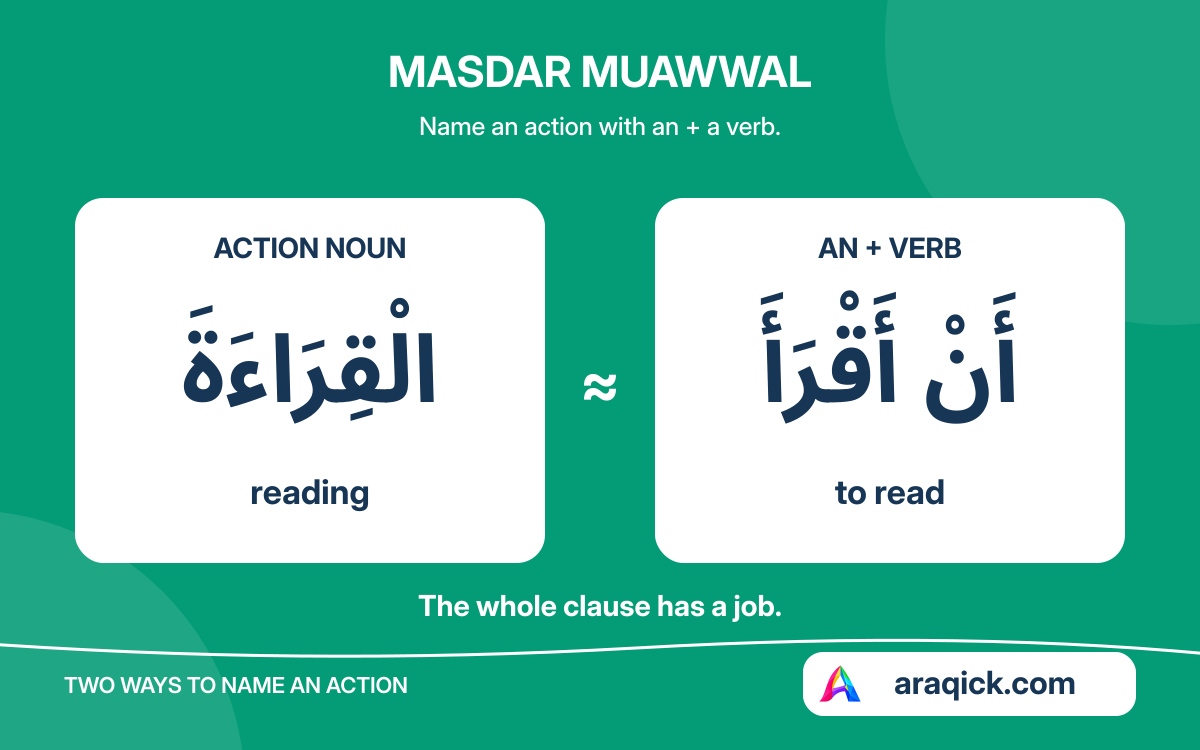
Masdar Muawwal in Arabic: An + Verb Explained
أَنْ أُعْطِيَ كُلَّ سَبَبٍ وَزْنًا
Follow an plus the subjunctive as the adviser identifies the action she cannot perform on Salim’s behalf.
Lakinna and Lakin in Arabic: Two Patterns for But
لَكِنَّنِي لَا أَسْتَنْتِجُ
Use lakinnani to qualify an inference about pressure without discarding the graduate’s own stated interest.