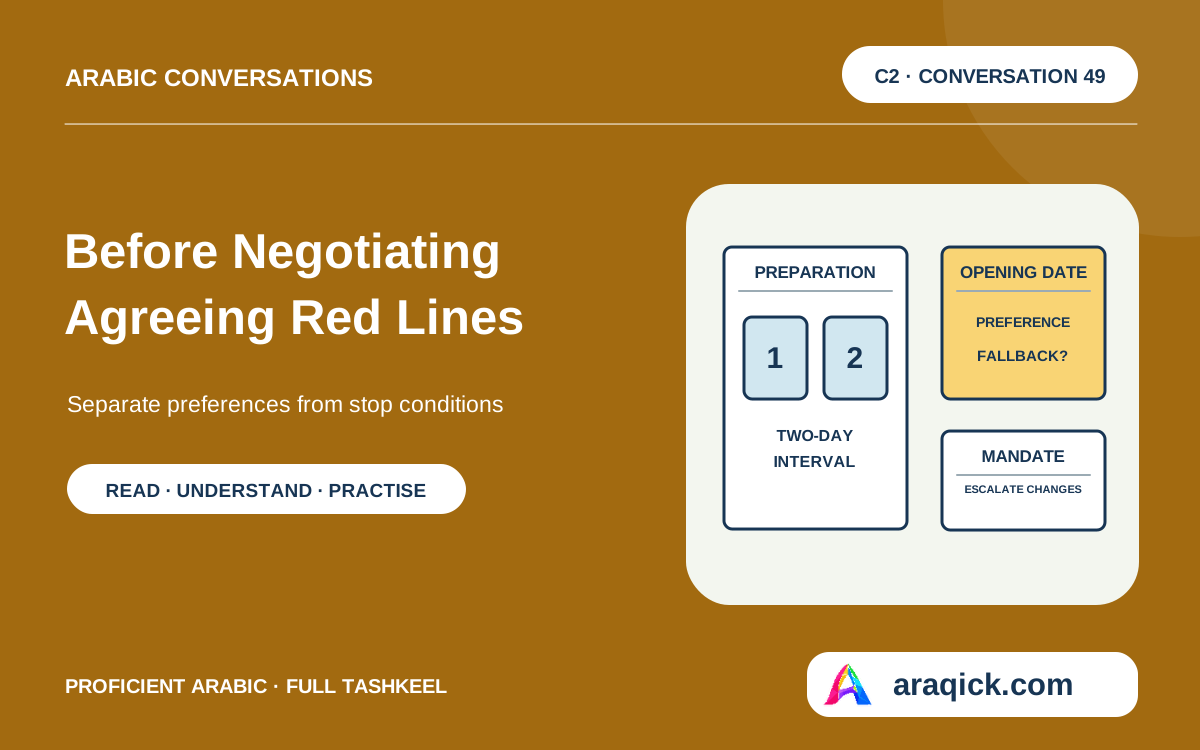
Lead negotiator Rami, technical adviser Dina, employee representative Hanan and funder Nabil prepare for a fictional travelling exhibition’s timetable negotiation. A preferred opening date and two full preparation days initially share the same red-line label. They separate an authorised fallback from an offer requiring renewed approval.
01Read the Arabic conversation
تَحْدِيدُ الْخُطُوطِ الْحَمْرَاءِ قَبْلَ التَّفَاوُضِ
رَامٍ: قَبْلَ اتِّصَالِنَا بِالْقَاعَةِ، أُرِيدُ تَحْدِيدَ تَفْوِيضِي فِي جَدْوَلِ مَعْرِضِنَا الْمُتَنَقِّلِ الْمُتَخَيَّلِ. كَتَبْتُ أَنَّ الِافْتِتَاحَ فِي الْعَاشِرِ وَيَوْمَيِ الْإِعْدَادِ خَطَّانِ أَحْمَرَانِ. هَلْ نَقْصِدُ بِالْعِبَارَةِ نَفْسَهَا أَمْرَيْنِ مِنَ النَّوْعِ نَفْسِهِ؟
دِينَا: نَحْنُ اخْتَرْنَا لِهَذَا الْمَشْرُوعِ يَوْمَيْنِ كَامِلَيْنِ بَعْدَ وُصُولِ الصَّنَادِيقِ وَقَبْلَ فَتْحِ الْمَعْرِضِ. أُرَاجِعُ فِيهِمَا قَائِمَةَ الْمَوَادِّ وَتَرْتِيبَ الْبِطَاقَاتِ. هَذَا شَرْطُ عَمَلِنَا الْمُتَّفَقُ عَلَيْهِ، وَلَيْسَ قَانُونًا أَوْ حُكْمًا تِقْنِيًّا عَلَى السَّلَامَةِ.
حَنَانُ: تَفْوِيضِي مِنَ الْعَامِلِينَ مُحَدَّدٌ: الْإِعْدَادُ فِي الثَّامِنِ وَالتَّاسِعِ، أَوْ نَقْلُ الْيَوْمَيْنِ مَعًا إِلَى التَّاسِعِ وَالْعَاشِرِ، بِالسَّاعَاتِ نَفْسِهَا. لَا أَمْلِكُ الْمُوَافَقَةَ عَلَى يَوْمٍ وَاحِدٍ مُكَثَّفٍ، أَوْ سَاعَاتٍ إِضَافِيَّةٍ، أَوْ أَيَّامٍ خَارِجَ هَذَيْنِ الْبَدِيلَيْنِ.
نَبِيلٌ: أُفَضِّلُ الْعَاشِرَ لِأَنَّ حَمْلَتِي الْإِعْلَانِيَّةَ تَبْدَأُ فِيهِ. لَكِنَّنِي، بِوَصْفِي الْمُمَوِّلَ، أَقْبَلُ أَنْ نُعْلِنَ فِي الْعَاشِرِ افْتِتَاحًا فِي الْحَادِي عَشَرَ. لَمْ تُطْبَعِ الدَّعَوَاتُ؛ لَدَيْنَا مُسَوَّدَةٌ يُمْكِنُ تَعْدِيلُهَا، لَا وَعْدٌ مَنْشُورٌ يَلْزَمُ تَصْحِيحُهُ.
رَامٍ: الْقَاعَةُ اقْتَرَحَتْ وُصُولَ الصَّنَادِيقِ مَسَاءَ الثَّامِنِ وَالِافْتِتَاحَ صَبَاحَ الْعَاشِرِ. كُنْتُ سَأَرُدُّ بِأَنَّ تَأْخِيرَ الِافْتِتَاحِ مَرْفُوضٌ. وَالْآنَ أَرَى أَنَّ هَذَا الرَّدَّ يَحْمِي تَارِيخًا مُفَضَّلًا، وَيَتْرُكُ شَرْطَ الْإِعْدَادِ بِلَا حِمَايَةٍ وَاضِحَةٍ.
دِينَا: فِي ذَلِكَ الِاقْتِرَاحِ يَبْقَى التَّاسِعُ وَحْدَهُ يَوْمًا كَامِلًا لِلْإِعْدَادِ. وَلَيْسَ مَسَاءُ الْوُصُولِ يَوْمًا كَامِلًا بِحَسَبِ تَعْرِيفِنَا. إِذَا وَصَلَتِ الصَّنَادِيقُ مَسَاءَ السَّابِعِ، صَارَ الثَّامِنُ وَالتَّاسِعُ مُتَاحَيْنِ، وَأَمْكَنَ الْحِفَاظُ عَلَى افْتِتَاحِ الْعَاشِرِ.
حَنَانُ: وَإِذَا بَقِيَ الْوُصُولُ مَسَاءَ الثَّامِنِ، يَدْخُلُ نَقْلُ الْإِعْدَادِ إِلَى التَّاسِعِ وَالْعَاشِرِ فِي تَفْوِيضِي. لَكِنَّنِي لَا أَعِدُ بِفَرِيقٍ جَدِيدٍ لِتَعْوِيضِ يَوْمٍ نَحْذِفُهُ. التَّفْوِيضُ يَسْمَحُ بِنَقْلِ عَمَلٍ مَعْرُوفٍ، لَا بِاخْتِرَاعِ قُدْرَةٍ إِضَافِيَّةٍ.
نَبِيلٌ: وَافْتِتَاحُ الْحَادِي عَشَرَ يَدْخُلُ فِي بَدِيلِي الْمُعْلَنِ هُنَا. مَصْلَحَتِي أَنْ تَبْدَأَ الْحَمْلَةُ فِي مَوْعِدِهَا وَتَحْمِلَ تَارِيخًا وَاضِحًا. لَا أُرِيدُ أَنْ نَكْتُبَ الْعَاشِرَ فِي كُلِّ مَكَانٍ ثُمَّ نَقُولَ إِنَّ الْجُمْهُورَ سَيَفْهَمُ الْمَقْصُودَ.
رَامٍ: إِذَنْ لَدَيَّ عَرْضَانِ أَسْتَطِيعُ حَمْلَهُمَا: وُصُولٌ مَسَاءَ السَّابِعِ مَعَ افْتِتَاحِ الْعَاشِرِ، أَوْ وُصُولٌ مَسَاءَ الثَّامِنِ مَعَ افْتِتَاحِ الْحَادِي عَشَرَ. لَكِنَّنِي أَتَوَقَّعُ سُؤَالًا مِنَ الْقَاعَةِ: أَلَا تَسْتَطِيعُونَ تَجْهِيزَ الْبِطَاقَاتِ قَبْلَ الْوُصُولِ؟
دِينَا: يُمْكِنُنِي قِرَاءَةُ النُّصُوصِ مُبَكِّرًا، لَكِنَّ مُطَابَقَةَ الْبِطَاقَاتِ بِالْمَوَادِّ تَبْدَأُ بَعْدَ وُصُولِهَا. لَا أَزْعُمُ أَنَّ الْيَوْمَيْنِ شَرْطٌ لِكُلِّ مَعْرِضٍ. أَقُولُ إِنَّ خُطَّتَنَا قُسِّمَتْ عَلَيْهِمَا، وَلَمْ نُعِدْ تَصْمِيمَهَا لِيَوْمٍ وَاحِدٍ.
حَنَانُ: وَلَا يَجْعَلُ إِنْجَازُ جُزْءٍ مُبَكِّرًا بَقِيَّةَ الْعَمَلِ مَفْرُوضَةً عَلَى الْعَامِلِينَ فِي سَاعَاتٍ أَقَلَّ. إِذَا طَلَبَتِ الْقَاعَةُ تَرْتِيبًا خَارِجَ الْبَدِيلَيْنِ، فَسَأَرْجِعُ إِلَيْهِمْ. لَا تَعُدُّوا حُضُورِي هُنَا تَفْوِيضًا بِتَغْيِيرِ كُلِّ شَيْءٍ.
نَبِيلٌ: أُبْقِي تَفْضِيلِي لِلْعَاشِرِ، لَكِنَّنِي لَا أَطْلُبُ مِنْ رَامٍ أَنْ يُسَمِّيَهُ شَرْطًا لَا يُمَسُّ. إِذَا قَبِلَ الْحَادِيَ عَشَرَ ضِمْنَ الْبَدِيلِ الثَّانِي، فَهُوَ يَسْتَخْدِمُ صَلَاحِيَّةً مَنَحْتُهَا لَهُ، وَلَا يَتَخَلَّى عَنْ مَصْلَحَتِي دُونَ إِذْنٍ.
رَامٍ: هَلْ أَسْتَطِيعُ أَنْ أَقُولَ لَهُمْ إِنَّنَا مُسْتَعِدُّونَ لِأَيِّ تَأْخِيرٍ يَحْفَظُ الْيَوْمَيْنِ؟ قَدْ يُسَهِّلُ ذَلِكَ الْحَدِيثَ، لَكِنَّهُ يَتَجَاوَزُ التَّارِيخَيْنِ اللَّذَيْنِ نَاقَشْنَاهُمَا. أُرِيدُ مَعْرِفَةَ مَا إِذَا كَانَ شَرْطُ الْإِعْدَادِ يَكْفِي وَحْدَهُ لِتَفْوِيضِ التَّأْجِيلِ.
دِينَا: لَا؛ اِسْتِيفَاءُ شَرْطِ الْإِعْدَادِ لَا يُثْبِتُ مُنَاسَبَةَ التَّارِيخِ لِبَقِيَّةِ الْأَطْرَافِ. فَقَدْ يَحْفَظُ عَرْضٌ الْيَوْمَيْنِ وَيَخْرُجُ عَنْ جَدْوَلِ الْعَامِلِينَ أَوِ الْحَمْلَةِ. فَحْصِي لِهَذَا الشَّرْطِ جُزْءٌ مِنَ الْقَرَارِ، وَلَا يَمْنَحُنِي سُلْطَةَ قَبُولِ الْعَرْضِ كُلِّهِ.
حَنَانُ: وَتَفْوِيضِي لَا يَشْمَلُ الْإِعْدَادَ فِي الْحَادِي عَشَرَ وَالثَّانِي عَشَرَ. لَا أَقُولُ إِنَّ الْعَامِلِينَ سَيَرْفُضُونَهُمَا؛ أَقُولُ إِنَّنِي لَمْ أَحْصُلْ عَلَى جَوَابِهِمْ. طَلَبُ التَّفْوِيضِ الْجَدِيدِ خُطْوَةٌ مُمْكِنَةٌ، لَكِنَّ الْإِمْكَانَ لَيْسَ مُوَافَقَةً سَابِقَةً.
نَبِيلٌ: وَأَنَا لَمْ أُوَافِقْ عَلَى تَارِيخٍ بَعْدَ الْحَادِي عَشَرَ. إِذَا ظَهَرَ عَرْضٌ آخَرُ، فَأَحْتَاجُ إِلَى مُرَاجَعَةِ خُطَّةِ الْحَمْلَةِ. لَا أُسَمِّي ذَلِكَ رَفْضًا نِهَائِيًّا، وَلَا أَسْمَحُ بِتَقْدِيمِهِ لِلْقَاعَةِ عَلَى أَنَّهُ تَنَازُلٌ مَأْذُونٌ فِيهِ.
رَامٍ: سَأَعْرِضُ الْبَدِيلَيْنِ دُونَ أَنْ أَدَّعِيَ أَنَّ أَحَدَهُمَا اتِّفَاقٌ قَائِمٌ. وَإِذَا اقْتَرَحُوا ثَالِثًا، سَأَطْلُبُ تَفَاصِيلَهُ وَأَعُودُ إِلَيْكُمْ. لَا أُرِيدُ أَنْ يُفْهَمَ تَوَقُّفِي لِلرُّجُوعِ إِلَيْكُمْ عَلَى أَنَّهُ رَفْضٌ لِمُجَرَّدِ الْحَدِيثِ عَنْهُ.
دِينَا: أَمَّا إِذَا أَصَرُّوا عَلَى وُصُولِ الثَّامِنِ مَسَاءً وَافْتِتَاحِ الْعَاشِرِ صَبَاحًا، فَالْعَرْضُ يَخْرِقُ شَرْطَنَا الْحَالِيَّ. لَا يَكْفِي وَعْدٌ بِأَنَّ الْبِطَاقَاتِ سَتَكُونُ سَهْلَةً. أُرِيدُ أَنْ يَبْقَى تَعْرِيفُ الْيَوْمِ الْكَامِلِ ظَاهِرًا فِي رَدِّكَ.
حَنَانُ: فِي تِلْكَ الْحَالَةِ لَا تَقْبَلِ الْعَرْضَ، وَلَا تَعِدْ بِأَنَّنَا سَنَجِدُ حَلًّا بَعْدَ التَّوْقِيعِ. يُمْكِنُكَ إِيقَافُ التَّفَاوُضِ عَلَيْهِ وَإِبْلَاغُنَا بِسَبَبِ التَّوَقُّفِ. هَذَا حَدُّ تَفْوِيضِكَ الْحَالِيِّ، وَلَيْسَ إِعْلَانًا بِإِلْغَاءِ الْمَعْرِضِ كُلِّهِ.
نَبِيلٌ: وَلَا أُرِيدُ أَنْ نُقَدِّمَ مَوْعِدَ الْحَمْلَةِ كَعُذْرٍ لِاخْتِرَاقِ هَذَا الْحَدِّ. مَا زِلْتُ أُفَضِّلُ الْعَاشِرَ، وَأُرِيدُ أَنْ تَبْدَأَ بِالْبَدِيلِ الْأَوَّلِ. وَإِذَا لَمْ يَقْبَلُوهُ، فَالْبَدِيلُ الثَّانِي مُتَاحٌ لَكَ بِالشُّرُوطِ الَّتِي ذَكَرْنَاهَا.
رَامٍ: سَأَكْتُبُ فِي وَرَقَتِي أَنَّ الْعَاشِرَ مَوْقِفُنَا الْأَوَّلُ، وَأَنَّ الْحَادِيَ عَشَرَ تَنَازُلٌ مُحَدَّدٌ مَأْذُونٌ بِهِ. وَسَأَفْصِلُ عَنْهُمَا شَرْطَ الْيَوْمَيْنِ. بِذَلِكَ لَا تُصْبِحُ كُلُّ رَغْبَةٍ خَطًّا أَحْمَرَ، وَلَا يُصْبِحُ كُلُّ تَغْيِيرٍ مُبَاحًا.
دِينَا: وَسَأُرْفِقُ جَدْوَلًا يُظْهِرُ الْوُصُولَ وَيَوْمَيِ الْإِعْدَادِ وَالِافْتِتَاحَ لِكُلِّ بَدِيلٍ. إِذَا غَيَّرَتِ الْقَاعَةُ وَقْتَ الْوُصُولِ، فَلَا تَفْتَرِضْ أَنَّ تَارِيخَ الِافْتِتَاحِ الْمُرْتَبِطَ بِهِ مَا زَالَ يَسْتَوْفِي شَرْطَنَا. الْبَدِيلُ تَرْتِيبٌ مُتَرَابِطٌ، لَا تَارِيخٌ مُنْفَرِدٌ.
حَنَانُ: وَسَأُثْبِتُ أَنَّ نَقْلَ الْيَوْمَيْنِ لَا يَزِيدُ السَّاعَاتِ الْمُتَّفَقَ عَلَيْهَا. إِذَا طُلِبَ غَيْرُ ذَلِكَ، فَالسُّؤَالُ الْجَدِيدُ يَذْهَبُ إِلَى الْعَامِلِينَ. يَسُرُّنِي أَنَّنَا حَدَّدْنَا مَا أَسْتَطِيعُ قَوْلَهُ، دُونَ أَنْ نَحْسِبَ الْجَوَابَ الَّذِي لَمْ نَطْلُبْهُ بَعْدُ.
نَبِيلٌ: وَسَأُعِدُّ نُسْخَتَيْنِ مِنَ الدَّعْوَةِ، لَكِنَّنِي لَنْ أَنْشُرَ إِحْدَاهُمَا قَبْلَ تَثْبِيتِ الْجَدْوَلِ مَعَ الْقَاعَةِ. تَوَافُقُنَا الدَّاخِلِيُّ عَلَى بَدِيلٍ لَا يَجْعَلُ مَوْعِدَهُ مَحْجُوزًا لَدَيْهِمْ. وَبَقَاءُ هَذَا الْفَرْقِ وَاضِحًا يَحْمِي دِقَّةَ إِعْلَانِي.
رَامٍ: أَحْمِلُ إِذَنْ تَفْوِيضًا، لَا اتِّفَاقًا خَارِجِيًّا. أَبْدَأُ بِالْعَاشِرِ، وَأَقْبَلُ الْحَادِيَ عَشَرَ فَقَطْ مَعَ بَقَاءِ الْوُصُولِ وَالْإِعْدَادِ ضِمْنَ الْبَدِيلِ الثَّانِي. وَأَرْجِعُ إِلَيْكُمْ فِي غَيْرِ ذَلِكَ، أَوْ أَتَوَقَّفُ إِذَا أُصِرَّ عَلَى خَرْقِ الشَّرْطِ.
دِينَا: بَقِيَ شَرْطُنَا قَابِلًا لِلْفَحْصِ. سَأُرَاجِعُ رَدَّ الْقَاعَةِ حِينَ يَصِلُ؛ لَمْ نَسْمَعْهُ بَعْدُ. وَإِذَا رُفِضَ الْبَدِيلَانِ، فَلَنْ نُسَجِّلَ مُوَافَقَةً لَمْ نَحْصُلْ عَلَيْهَا.
حَنَانُ: وَأُبْقِي تَحَفُّظِي عَلَى وَصْفِ الْعَامِلِينَ بِمُرُونَةٍ بِلَا حَدٍّ. مُرُونَتُهُمْ هُنَا يَوْمَانِ بَدِيلَانِ وَسَاعَاتٌ ثَابِتَةٌ؛ لَا يَنْبَغِي أَنْ يُنْسَى هَذَا التَّحْدِيدُ عِنْدَ التَّنْفِيذِ.
نَبِيلٌ: أُبْقِي تَفْضِيلِي لِلْعَاشِرِ مَكْتُوبًا مَعَ صَلَاحِيَّتِكَ لِقَبُولِ الْبَدِيلِ الثَّانِي. لَا يُحَوِّلُهُ ذَلِكَ إِلَى شَرْطٍ وَلَا يَمْحُوهُ؛ سَتَحْمِي مَصْلَحَتِي ضِمْنَ مَا سَمَحْتُ بِهِ.
Show English translationHide English translation
Rami — lead negotiator: Before calling the venue, I want to define my negotiating mandate for our fictional travelling exhibition’s timetable. I wrote that opening on the tenth and two preparation days are red lines. Are we using the same expression for two things of the same kind?
Dina — technical adviser: For this project we chose two full days after the crates arrive and before opening. During them I check the materials list and caption arrangement. This is our agreed working requirement, not a law or a technical safety judgment.
Hanan — employee representative: My mandate from the employees is specific: preparation on the eighth and ninth, or moving both days together to the ninth and tenth, with the same hours. I cannot approve one intensive day, extra hours or days outside those two alternatives.
Nabil — funder: I prefer the tenth because my publicity campaign starts then. But as funder I accept announcing on the tenth an opening on the eleventh. Invitations have not been printed: we have a draft that can be changed, not a published promise requiring correction.
Rami — lead negotiator: The venue proposed crate arrival on the evening of the eighth and opening on the morning of the tenth. I was going to reply that delaying the opening was unacceptable. Now I see that this protects a preferred date while leaving preparation without clear protection.
Dina — technical adviser: That proposal leaves only the ninth as a full preparation day. The arrival evening is not a full day under our definition. If the crates arrive on the evening of the seventh, the eighth and ninth become available and opening on the tenth can be retained.
Hanan — employee representative: If arrival remains on the evening of the eighth, moving preparation to the ninth and tenth is within my mandate. But I do not promise a new team to make up for a deleted day. The mandate allows moving known work, not inventing extra capacity.
Nabil — funder: Opening on the eleventh is within the fallback I have stated here. My interest is for the campaign to start on time with a clear date. I do not want us to write the tenth everywhere and then say the public will understand what we meant.
Rami — lead negotiator: So I have two offers to take: arrival on the evening of the seventh with opening on the tenth, or arrival on the evening of the eighth with opening on the eleventh. But I expect the venue to ask whether we can prepare the captions before arrival.
Dina — technical adviser: I can read texts early, but matching captions to materials starts after they arrive. I do not claim two days are required for every exhibition. I am saying our plan was divided across them and we have not redesigned it for one day.
Hanan — employee representative: Doing part early does not impose the remaining work on employees in fewer hours. If the venue requests an arrangement outside the two alternatives, I will go back to them. Do not treat my presence here as authority to change everything.
Nabil — funder: I retain my preference for the tenth, but do not ask Rami to call it an untouchable condition. If he accepts the eleventh within the second alternative, he exercises authority I gave him, rather than abandoning my interest without permission.
Rami — lead negotiator: May I tell them we are prepared for any delay that preserves the two days? That might ease discussion, but goes beyond the two dates we discussed. I want to know whether the preparation requirement alone authorises postponement.
Dina — technical adviser: No. Meeting preparation requirements does not establish that a date suits the other parties. An offer may retain the days but fall outside the employees’ or campaign’s schedule. My check of this requirement is part of the decision, not authority to accept the whole offer.
Hanan — employee representative: My mandate does not include preparation on the eleventh and twelfth. I am not saying employees would reject those days; I am saying I have not obtained their answer. Asking for a new mandate is possible, but that possibility is not prior approval.
Nabil — funder: I have not approved a date after the eleventh either. If another offer appears, I need to review the campaign plan. I do not call that a final rejection, nor permit presenting it to the venue as an authorised concession.
Rami — lead negotiator: I will offer the two alternatives without claiming either is an existing agreement. If they propose a third, I will request details and return to you. I do not want pausing to consult you to be understood as refusing even to discuss it.
Dina — technical adviser: If they insist on arrival on the evening of the eighth and opening on the morning of the tenth, the offer breaches our current requirement. A promise that captions will be easy is insufficient. I want the full-day definition kept visible in your reply.
Hanan — employee representative: In that case, do not accept the offer or promise we will find a solution after signing. You can stop negotiating that offer and tell us why you stopped. This is the limit of your present mandate, not an announcement cancelling the entire exhibition.
Nabil — funder: I do not want the campaign date presented as a reason to breach this limit. I still prefer the tenth and want you to start with the first alternative. If they do not accept it, the second is available to you under the conditions we stated.
Rami — lead negotiator: I will write that the tenth is our opening position and the eleventh a specific authorised concession. I will list the two-day requirement separately. That way not every preference becomes a red line, nor every change permissible.
Dina — technical adviser: I will attach a table showing arrival, both preparation days and opening for each alternative. If the venue changes arrival time, do not assume the linked opening date still meets our requirement. Each alternative is an interdependent arrangement, not an isolated date.
Hanan — employee representative: I will document that moving the two days does not increase the agreed hours. If something else is requested, the new question goes to the employees. I am glad we have defined what I can say without counting an answer we have not yet requested.
Nabil — funder: I will prepare two invitation versions but will not publish either before confirming the timetable with the venue. Our internal agreement on an alternative does not reserve its date with them. Keeping that distinction clear protects my announcement’s accuracy.
Rami — lead negotiator: I therefore carry a mandate, not an external agreement. I start with the tenth and accept the eleventh only with arrival and preparation kept within the second alternative. Otherwise I return to you, or stop if breaching the requirement is insisted upon.
Dina — technical adviser: Our requirement remains testable. I will review the venue’s reply when it arrives; we have not heard it yet. If both alternatives are rejected, we will not record agreement we have not obtained.
Hanan — employee representative: I retain my reservation about describing employees as flexible without limit. Their flexibility here is two alternative days and fixed hours; this specification should not be forgotten during implementation.
Nabil — funder: I keep my preference for the tenth written down alongside your authority to accept the second alternative. That neither turns it into a condition nor erases it; you will protect my interest within what I permitted.
02Useful words and expressions
| Arabic in the conversation | Meaning here |
|---|---|
| تَفْوِيضِي | my mandate |
| خَطَّانِ أَحْمَرَانِ | two red lines |
| يَوْمَيْنِ كَامِلَيْنِ | two full days |
| بِالسَّاعَاتِ نَفْسِهَا | with the same hours |
| مُسَوَّدَةٌ | a draft |
| تَنَازُلٌ مَأْذُونٌ فِيهِ | an authorised concession |
| صَلَاحِيَّةً مَنَحْتُهَا لَهُ | authority I gave him |
| لِتَفْوِيضِ التَّأْجِيلِ | to authorise postponement |
| مُوَافَقَةً سَابِقَةً | prior approval |
| تَرْتِيبٌ مُتَرَابِطٌ | an interdependent arrangement |
| تَوَافُقُنَا الدَّاخِلِيُّ | our internal agreement |
| قَابِلًا لِلْفَحْصِ | testable |
03Check your understanding
Choose one answer for each question. Look back at the Arabic conversation for evidence. Open the English question support or a hint when you need help.
What to remember
- The tenth remains the preferred opening date; the eleventh is a specifically authorised fallback. Both require the agreed two full preparation days after arrival.
- The employee representative may shift only the stated roster with unchanged hours. A new proposal may require renewed mandates without implying that employees have already rejected it.
- The negotiator carries permission to offer two linked timetables and a defined stop condition, while venue agreement and publication remain outstanding.
Explore the Arabic in this conversation
Related grammar and vocabularyOpen Araqick guides connected to this conversation.
Laysa in Arabic: Is Not and Is Not Here
وَلَيْسَ مَسَاءُ الْوُصُولِ يَوْمًا كَامِلًا
Read laysa with an explicit noun and accusative predicate when Dina rejects counting the arrival evening as a full preparation day.
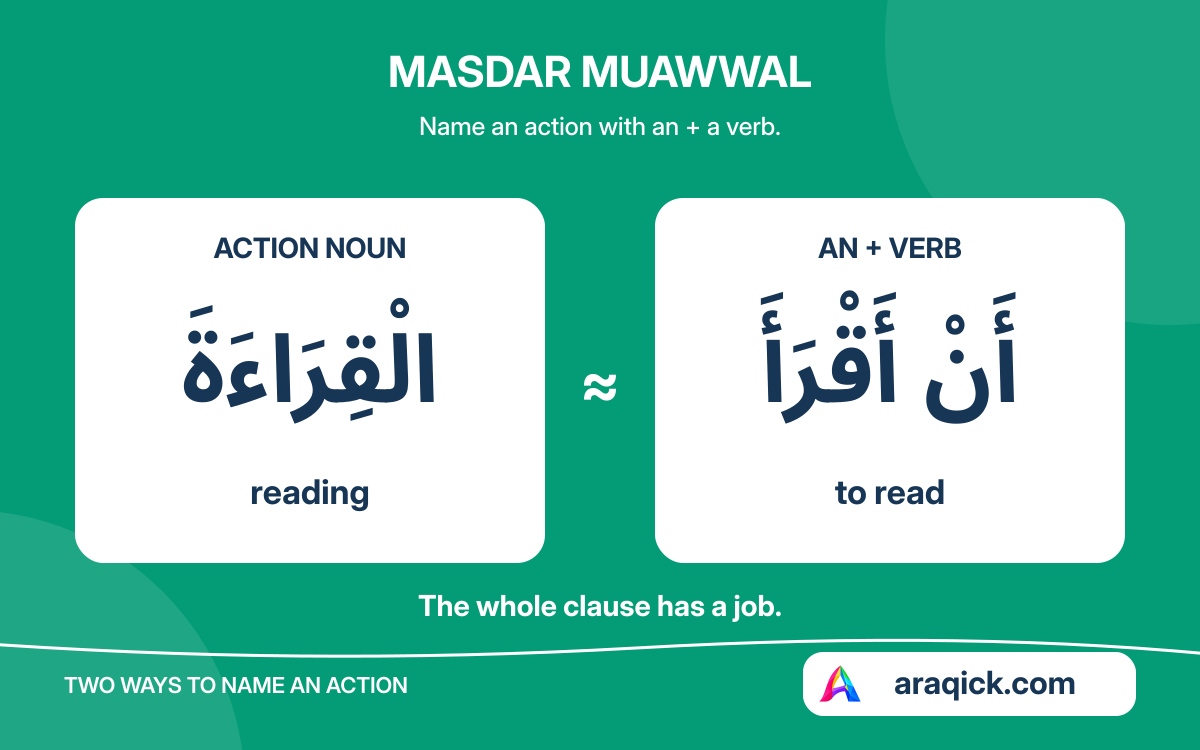
Masdar Muawwal in Arabic: An + Verb Explained
أَنْ تَبْدَأَ الْحَمْلَةُ فِي مَوْعِدِهَا
Follow an plus a subjunctive verb as Nabil states the publicity interest underlying his preferred date.
Lakinna and Lakin in Arabic: Two Patterns for But
لَكِنَّنِي لَا أَطْلُبُ مِنْ رَامٍ
Use lakinnani with an attached pronoun to distinguish a retained date preference from an untouchable condition.