A library, an arts club and a neighbourhood archive are organising a fictional joint exhibition. A radio invitation to library representative Maryam raises disagreements about whose priorities she may explain, whether future interviews should rotate and what remains outside any spokesperson’s authority.
01Read the Arabic conversation
التَّفَاوُضُ حَوْلَ مَنْ يَتَحَدَّثُ بِاسْمِ مَشْرُوعٍ مُشْتَرَكٍ
مَرْيَمُ: وَصَلَتْنِي دَعْوَةٌ إِذَاعِيَّةٌ لِمَعْرِضِنَا التَّخَيُّلِيِّ الْمُشْتَرَكِ. وَافَقَتِ الْمَكْتَبَةُ وَنَادِي الْفُنُونِ وَأَرْشِيفُ الْحَيِّ كِتَابِيًّا عَلَى مَوْعِدِهِ: الْجُمُعَةُ وَالسَّبْتُ الْمُقْبِلَانِ، فِي قَاعَةِ الْمَكْتَبَةِ. وَفَوَّضَتْنِي بِإِعْلَانِ هَذِهِ الْمَعْلُومَاتِ، لَكِنَّ الدَّعْوَةَ تَطْلُبُ شَرْحَ أَوْلَوِيَّاتِ الشُّرَكَاءِ أَيْضًا.
فَارِسٌ: وَافَقْتُ عَلَى تَفْوِيضِ إِعْلَانِ الْمَوْعِدِ. لَكِنَّنِي لَا أُرِيدُ أَنْ يَظْهَرَ الْمَعْرِضُ مَشْرُوعًا لِلْمَكْتَبَةِ تُسَاعِدُهَا فِيهِ جِهَتَانِ. أَخْشَى أَنْ يُفْهَمَ الْمُتَحَدِّثُ الْوَاحِدُ كَأَنَّهُ صَاحِبُ الْمَشْرُوعِ، خُصُوصًا إِذَا شَرَحَ أَوْلَوِيَّاتِنَا بِعِبَارَتِهِ.
رُبَى: وَأَنَا أُمَثِّلُ الْأَرْشِيفَ فِي هَذَا الِاتِّفَاقِ، لَا سُكَّانَ الْحَيِّ جَمِيعًا. أَوْلَوِيَّتُنَا أَنْ تُعْرَضَ الْوَثَائِقُ مَعَ سِيَاقِهَا وَنِسْبَتِهَا. سَأَصُوغُ جُمْلَةً عَنْ ذَلِكَ، وَلَا أُفَوِّضُ أَحَدًا بِاسْتِنْتَاجِ مَوْقِفِنَا مِنْ صَمْتِنَا.
سَمِيحٌ: أُيَسِّرُ النِّقَاشَ وَأُسَجِّلُ حُدُودَ التَّفْوِيضِ، وَلَسْتُ شَرِيكًا رَابِعًا يَمْنَحُ صَوْتًا مُرَجِّحًا. وَفْقَ تَرْتِيبِنَا لِهَذَا الْمَشْرُوعِ، يَحْتَاجُ الْبَيَانُ الْمُشْتَرَكُ إِلَى مُوَافَقَةِ مُمَثِّلِي الشُّرَكَاءِ الثَّلَاثَةِ. التَّفْوِيضُ الْمَكْتُوبُ الْحَالِيُّ يَخُصُّ الْمَوْعِدَ وَالْمَكَانَ وَأَسْمَاءَ الْجِهَاتِ.
مَرْيَمُ: الْحَدِيثُ الْمُقْتَرَحُ ثَمَانِي دَقَائِقَ، وَلَيْسَتْ لَدَيْنَا دَعَوَاتٌ أُخْرَى مُؤَكَّدَةٌ. لَا أَدَّعِي مَعْرِفَةَ أَوْلَوِيَّاتِكُمْ أَفْضَلَ مِنْكُمْ، وَأَسْتَطِيعُ أَنْ أَبْدَأَ بِأَسْمَاءِ الشُّرَكَاءِ عَلَى قَدَمِ الْمُسَاوَاةِ.
فَارِسٌ: ذِكْرُ الْأَسْمَاءِ مُهِمٌّ، لَكِنَّهُ لَا يُعَالِجُ وَحْدَهُ حَقَّ الْكَلَامِ. أَقْتَرِحُ أَنْ نَتَنَاوَبَ اللِّقَاءَاتِ الْقَادِمَةَ، وَأَنْ يَكُونَ لِكُلِّ شَرِيكٍ وَقْتٌ مُتَسَاوٍ. نَهْتَمُّ بِنِسْبَةِ الْأَعْمَالِ لِصُنَّاعِهَا، لَا بِشِعَارِ النَّادِي فَقَطْ.
رُبَى: أُؤَيِّدُ ذِكْرَ أَوْلَوِيَّتِكَ، وَلَكِنِّي لَا أُسَاوِي الْإِنْصَافَ بِعَدَدِ الدَّقَائِقِ. قَدْ يَكُونُ حُضُورِي أَنْسَبَ لِسُؤَالٍ عَنِ الْوَثَائِقِ، وَحُضُورُكَ لِسُؤَالٍ فَنِّيٍّ. أُفَضِّلُ مُرَاجَعَةَ الدَّعْوَةِ قَبْلَ تَعْيِينِ مَنْ يَتَحَدَّثُ.
سَمِيحٌ: إِذَنْ لَا اتِّفَاقَ بَعْدُ عَلَى قَاعِدَةٍ دَائِمَةٍ لِلتَّنَاوُبِ. لِنَفْصِلْهَا عَنِ الدَّعْوَةِ الْحَالِيَّةِ. لِنُمَيِّزْ بَيْنَ إِعْلَانِ حَقَائِقَ اتَّفَقْتُمْ عَلَيْهَا، وَنَقْلِ مَوْقِفِ شَرِيكٍ، وَالتَّفَاوُضِ عَلَى الْتِزَامٍ جَدِيدٍ. لَا يَتَضَمَّنُ الْأَوَّلُ الْأَمْرَيْنِ الْآخَرَيْنِ تِلْقَائِيًّا.
مَرْيَمُ: بِاسْمِ الْمَكْتَبَةِ أَسْتَطِيعُ أَنْ أَقُولَ إِنَّنَا نُرِيدُ تَعْرِيفَ زُوَّارٍ جُدُدٍ بِالْقِرَاءَةِ مِنْ خِلَالِ الْمَعْرُوضَاتِ. هَذِهِ أَوْلَوِيَّتُنَا، لَا خُلَاصَةُ أَوْلَوِيَّاتِ الْمَشْرُوعِ كُلِّهِ. وَأَقْرَأُ جُمْلَتَيْكُمَا إِذَا اعْتَمَدْتُمَا نَصَّهُمَا وَنِسْبَتَهُمَا إِلَيْكُمَا.
فَارِسٌ: أَوْلَوِيَّةُ نَادِي الْفُنُونِ إِظْهَارُ أَسْمَاءِ صُنَّاعِ الْأَعْمَالِ إِلَى جَانِبِهَا. أُوَافِقُ عَلَى قِرَاءَتِهَا بِهَذِهِ النِّسْبَةِ، لَا عَلَى تَحْوِيلِهَا إِلَى وَعْدٍ بِأَنَّ قَائِمَةَ الْأَسْمَاءِ قَدِ اكْتَمَلَتْ؛ فَهِيَ مَا زَالَتْ قَيْدَ الْمُرَاجَعَةِ.
رُبَى: وَأُوَافِقُ عَلَى جُمْلَةٍ تَنْسِبُ إِلَى الْأَرْشِيفِ أَوْلَوِيَّةَ عَرْضِ الْوَثَائِقِ مَعَ سِيَاقِهَا وَنِسْبَتِهَا. لَا تَقُولِي إِنَّ هَذَا رَأْيُ الْحَيِّ، لِأَنَّ مَا نَمْلِكُهُ هُنَا هُوَ مَوْقِفُ الْأَرْشِيفِ. ذِكْرُ الْجِهَةِ يُحَدِّدُ صَاحِبَ الْقَوْلِ.
سَمِيحٌ: سَأُثْبِتُ الْجُمْلَتَيْنِ وَنِسْبَتَهُمَا. تَسْتَطِيعُ مَرْيَمُ نَقْلَهُمَا، وَلَيْسَ لَهَا أَنْ تُعِيدَ تَفْسِيرَ أَوْلَوِيَّاتِكُمَا فِي جَوَابٍ مُرْتَجَلٍ. هَلْ يَتَضَمَّنُ طَلَبُ الْإِذَاعَةِ سُؤَالًا عَنْ خُطَطٍ لَمْ تَتَّفِقُوا عَلَيْهَا بَعْدُ؟
مَرْيَمُ: نَعَمْ، يَسْأَلُ الْمُعِدُّ هَلْ يُمْكِنُ تَمْدِيدُ الْمَعْرِضِ يَوْمًا ثَالِثًا. لَا يَشْمَلُ اتِّفَاقُنَا هَذَا الْيَوْمَ، وَلَمْ أَعِدْهُ بِهِ. أَسْتَطِيعُ أَنْ أَنْقُلَ الطَّلَبَ إِلَيْكُمْ، لَكِنَّنِي أَحْتَاجُ جَوَابًا وَاضِحًا عَلَى الْهَوَاءِ، لِئَلَّا يُفْهَمَ التَّرَدُّدُ مُوَافَقَةً.
فَارِسٌ: لَا أُوَافِقُ عَلَى التَّمْدِيدِ الْآنَ؛ يَحْتَاجُ النَّادِي إِلَى سُؤَالِ الْمُشَارِكِينَ عَنْ تَوَفُّرِهِمْ. لَمْ نَرْفُضِ الْفِكْرَةَ نِهَائِيًّا. اِسْتِعْدَادِي لِمُنَاقَشَتِهَا لَيْسَ تَفْوِيضًا بِإِعْلَانِهَا، وَلَا يَجُوزُ الْوَعْدُ بِحُضُورِ الْفَنَّانِينَ.
رُبَى: وَأَنَا لَمْ أَحْصُلْ عَلَى مُوَافَقَةِ الْأَرْشِيفِ عَلَى يَوْمٍ إِضَافِيٍّ. يُمْكِنُ أَنْ يَكُونَ الْجَوَابُ أَنَّ الْمَوْعِدَ الْمُعْتَمَدَ يَوْمَانِ، وَأَنَّ طَلَبَ التَّمْدِيدِ يَحْتَاجُ إِلَى مُوَافَقَةٍ مُنْفَصِلَةٍ مِنَ الشُّرَكَاءِ. هَذَا أَصْدَقُ مِنْ تَفَاؤُلٍ يَبْدُو وَعْدًا.
سَمِيحٌ: سَأُدْرِجُ هَذَا الْجَوَابَ فِي حُدُودِ التَّفْوِيضِ. تَسْتَطِيعُ مَرْيَمُ اسْتِقْبَالَ سُؤَالٍ وَنَقْلَهُ، دُونَ أَنْ تَمْلِكَ سُلْطَةَ قَبُولِهِ بِاسْمِ الْجَمِيعِ. وَتَوْقِيعِي لَا يُكْمِلُ الْمُوَافَقَاتِ النَّاقِصَةَ. مَا زَالَ الْيَوْمُ الثَّالِثُ غَيْرَ مُعْتَمَدٍ.
مَرْيَمُ: سَأَقْرَأُ الْبَيَانَ بِأَسْمَاءِ الْجِهَاتِ الثَّلَاثِ، ثُمَّ أُمَيِّزُ بَيْنَ أَوْلَوِيَّةِ الْمَكْتَبَةِ وَالْجُمْلَتَيْنِ الْمَنْسُوبَتَيْنِ إِلَيْكُمَا. إِذَا سُئِلْتُ عَمَّا لَمْ يَرِدْ فِي نَصِّكُمَا، فَسَأُحِيلُ السُّؤَالَ إِلَى صَاحِبِهِ. هَذَا تَمْثِيلٌ أَدَقُّ لِحُدُودِ الْمَشْرُوعِ.
فَارِسٌ: أَقْبَلُ هَذَا التَّرْتِيبَ لِلِّقَاءِ الْحَالِيِّ، مَعَ بَقَاءِ اقْتِرَاحِي بِالتَّنَاوُبِ فِي الْمُسْتَقْبَلِ. لَا أُرِيدُ أَنْ يُقْرَأَ قَبُولِي كَأَنَّهُ تَرَاجُعٌ عَنْ ذَلِكَ الِاقْتِرَاحِ. لَدَيَّ اعْتِرَاضٌ عَلَى تَحَوُّلِ سُهُولَةِ التَّنْسِيقِ مَعَ شَخْصٍ وَاحِدٍ إِلَى قَاعِدَةٍ دَائِمَةٍ.
رُبَى: وَأَقْبَلُهُ أَيْضًا، لَكِنَّنِي لَا أُوَافِقُ بَعْدُ عَلَى تَنَاوُبٍ إِلْزَامِيٍّ بِأَوْقَاتٍ مُتَسَاوِيَةٍ. أَسْتَطِيعُ تَأْيِيدَ نَصٍّ مُشْتَرَكٍ دُونَ أَنْ أَتَّفِقَ مَعَ فَارِسٍ عَلَى طَرِيقَةِ تَوْزِيعِ اللِّقَاءَاتِ. خِلَافُنَا لَا يُلْغِي مُوَافَقَتِي عَلَى حُدُودِهِ.
سَمِيحٌ: سَأُسَجِّلُ الْقَبُولَيْنِ مَعَ التَّحَفُّظَيْنِ، وَلَنْ أَصِفَهُمَا بِاتِّفَاقٍ عَلَى قَاعِدَةٍ دَائِمَةٍ. لِتُبَيِّنْ مَرْيَمُ مُوَافَقَتَهَا أَيْضًا. لَا يَكْفِي أَنْ أَجْمَعَ مَوَاقِفَكُمْ فِي خُلَاصَةٍ، ثُمَّ أَعُدَّ صَمْتَ أَحَدِكُمْ إِقْرَارًا بِهَا.
مَرْيَمُ: أُوَافِقُ عَلَى النَّصِّ وَحُدُودِهِ: حَقَائِقُ مُشْتَرَكَةٌ وَمَوَاقِفُ مَنْسُوبَةٌ إِلَى أَصْحَابِهَا، دُونَ وَعْدٍ بِيَوْمٍ ثَالِثٍ. سَأَرُدُّ عَلَى الْإِذَاعَةِ بِهَذَا النِّطَاقِ، وَأَسْأَلُهَا إِنْ كَانَ يُنَاسِبُ اللِّقَاءَ. لَمْ تَقْبَلِ الْإِذَاعَةُ هَذَا التَّعْدِيلَ بَعْدُ.
فَارِسٌ: سَأُرْسِلُ جُمْلَةَ النَّادِي الْمُعْتَمَدَةَ كِتَابِيًّا لِتَكُونَ أَوْلَوِيَّتُنَا وَاضِحَةً. أَمَّا قَائِمَةُ صُنَّاعِ الْأَعْمَالِ فَسَتَبْقَى مَوْضُوعَ مُرَاجَعَةٍ مُسْتَقِلَّةٍ. لَا أَخْلِطُ بَيْنَ الْإِعْلَانِ عَنْ أَوْلَوِيَّةٍ وَالْقَوْلِ إِنَّ كُلَّ مَا تَتَطَلَّبُهُ قَدْ أُنْجِزَ.
رُبَى: وَسَأُرْسِلُ جُمْلَةَ الْأَرْشِيفِ بِنِسْبَتِهَا الْوَاضِحَةِ. إِذَا طُلِبَ تَوْسِيعُهَا، فَلَا تُخَمِّنِي جَوَابَنَا لِحِفْظِ انْسِيَابِ الْحَدِيثِ. الْإِحَالَةُ إِلَى الْأَرْشِيفِ أَدَقُّ مِنْ جَوَابٍ سَرِيعٍ لَا نَمْلِكُهُ.
سَمِيحٌ: سَأَحْفَظُ النَّصَّ الَّذِي وَافَقْتُمْ عَلَيْهِ مَعَ حُدُودِ النَّقْلِ وَالتَّفْوِيضِ. وَسَأَفْصِلُ طَلَبَ التَّمْدِيدِ لِمُرَاجَعَةٍ لَاحِقَةٍ. تَسْجِيلِي لِهَذِهِ الْخُطُوَاتِ لَا يَمْنَحُنِي صَلَاحِيَّةَ إِجَابَةِ الْإِذَاعَةِ بِاسْمِكُمْ، وَلَا يَجْعَلُ الطَّلَبَ مَقْبُولًا قَبْلَ الرُّدُودِ.
مَرْيَمُ: إِذَنْ أَتَحَدَّثُ فِي اللِّقَاءِ بِأَكْثَرَ مِنْ صِفَةٍ، وَعَلَيَّ تَمْيِيزُهَا لِلْمُسْتَمِعِ: أُعْلِنُ الْمُتَّفَقَ عَلَيْهِ، وَأَشْرَحُ مَوْقِفَ الْمَكْتَبَةِ، وَأَنْقُلُ قَوْلَيْكُمَا بِاسْمَيْكُمَا. لَا أَتَفَاوَضُ عَلَى تَعَهُّدٍ جَدِيدٍ. هَذَا نِطَاقُ التَّفْوِيضِ، لَا نِطَاقُ الدَّعْوَةِ الْأُولَى.
فَارِسٌ: سَأَدْعَمُ هَذَا الْبَيَانَ الْمَحْدُودَ، وَسَأُبْقِي سُؤَالَ التَّنَاوُبِ عَلَى جَدْوَلِنَا. قَدْ نَتَّفِقُ لَاحِقًا عَلَى قَاعِدَةٍ، وَقَدْ نُفَضِّلُ التَّعْيِينَ لِكُلِّ دَعْوَةٍ. لَا أُرِيدُ أَنْ تَصِيرَ تَجْرِبَةُ هَذِهِ الْمَرَّةِ وَحْدَهَا جَوَابًا دَائِمًا عَمَّنْ يَمْلِكُ الْمِيكْرُوفُونَ.
رُبَى: وَسَأُقَيِّمُ النَّصَّ عَلَى دِقَّةِ نِسْبَةِ الْأَقْوَالِ، لَا عَلَى كَوْنِ الْمُتَحَدِّثَةِ مِنْ مَكْتَبَتِكِ أَوْ مِنْ أَرْشِيفِنَا. اِتِّفَاقُنَا يَسْمَحُ بِبَيَانٍ مُشْتَرَكٍ وَبِمَوَاقِفَ مُتَمَيِّزَةٍ دَاخِلَهُ. لَا نَحْتَاجُ إِلَى أَوْلَوِيَّةٍ وَاحِدَةٍ مُصْطَنَعَةٍ لِكَيْ نَتَعَاوَنَ فِي الْمَعْرِضِ.
سَمِيحٌ: وَسَأُثْبِتُ أَنَّ مُمَثِّلِي الشُّرَكَاءِ الثَّلَاثَةَ قَبِلُوا هَذَا النَّصَّ، مَعَ بَقَاءِ الْخِلَافِ عَلَى التَّنَاوُبِ، وَعَدَمِ اعْتِمَادِ التَّمْدِيدِ. أَنَا سَجَّلْتُ اتِّفَاقَكُمْ وَلَمْ أُضِفْ إِلَيْهِ صَوْتًا. وَمَا زَالَ الرَّدُّ عَلَى الْإِذَاعَةِ خُطْوَةً قَادِمَةً، لَا لِقَاءً تَمَّ بِهَذِهِ الشُّرُوطِ.
Show English translationHide English translation
Maryam — library representative: I received a radio invitation about our fictional joint exhibition. The library, arts club and neighbourhood archive approved its dates and venue in writing: next Friday and Saturday, in the library hall. They authorised me to announce that information, but the invitation also asks for an explanation of the partners’ priorities.
Faris — arts club representative: I approved the delegation to announce the dates. But I do not want the exhibition to look like a library project assisted by two other bodies. I fear a single spokesperson may be understood as the project’s owner, especially if they explain our priorities in their own words.
Ruba — neighbourhood archive representative: I represent the archive in this agreement, not all neighbourhood residents. Our priority is to display documents with their context and attribution. I will formulate a sentence about that, and authorise no one to infer our position from silence.
Samih — facilitator: I facilitate the discussion and record the delegation’s limits; I am not a fourth partner with a casting vote. Under our arrangement for this project, a joint statement needs approval from all three partner representatives. The current written delegation covers dates, venue and the organisations’ names.
Maryam — library representative: The proposed interview is eight minutes long, and we have no other confirmed invitations. I do not claim to know your priorities better than you do, and I can begin with the partners’ names on an equal footing.
Faris — arts club representative: Naming the organisations matters, but does not by itself address who gets to speak. I propose rotating future interviews and giving each partner equal time. We care about crediting works to their makers, not just the club logo.
Ruba — neighbourhood archive representative: I support mentioning your priority, but I do not equate fairness with the number of minutes. My presence may be more appropriate for a question about documents, and yours for an artistic question. I prefer reviewing the invitation before naming a speaker.
Samih — facilitator: Then there is no agreement yet on a permanent rotation rule. Let us separate it from the current invitation and distinguish announcing agreed facts, conveying a partner’s position and negotiating a new commitment. The first does not automatically include the other two.
Maryam — library representative: Speaking for the library, I can say we want to introduce new visitors to reading through the exhibits. That is our priority, not a summary of the whole project’s priorities. I can read your two sentences if you approve their wording and their attribution to you.
Faris — arts club representative: The arts club’s priority is to show the works’ makers’ names alongside them. I approve reading it with that attribution, not turning it into a promise that the names list is complete: it is still under review.
Ruba — neighbourhood archive representative: I approve a sentence attributing to the archive the priority of showing documents with their context and attribution. Do not say this is the neighbourhood’s view, because what we have here is the archive’s position. Naming the body identifies whose statement it is.
Samih — facilitator: I will record the two sentences and their attribution. Maryam can convey them; she is not authorised to reinterpret your priorities in an improvised reply. Does the radio request include a question about plans you have not yet agreed?
Maryam — library representative: Yes, the producer asks whether the exhibition could be extended to a third day. Our agreement does not include that day, and I have not promised it. I can relay the request to you, but need a clear answer on air so that hesitation is not taken as agreement.
Faris — arts club representative: I do not approve the extension now; the club needs to ask participants about their availability. We have not rejected the idea permanently. My willingness to discuss it is not authority to announce it, nor may the artists’ attendance be promised.
Ruba — neighbourhood archive representative: Nor have I obtained the archive’s approval for an extra day. The answer can be that the approved schedule is two days and an extension request requires separate partner approval. That is more accurate than optimism that sounds like a promise.
Samih — facilitator: I will include that answer in the delegation’s limits. Maryam can receive and relay a question without authority to accept it for everyone. My signature does not complete the missing approvals. A third day remains unapproved.
Maryam — library representative: I will read the statement with all three organisations’ names, then distinguish the library’s priority from the two sentences attributed to you. If asked about something outside your wording, I will refer the question to the relevant partner. This represents the project’s limits more accurately.
Faris — arts club representative: I accept that arrangement for the current interview while retaining my proposal for future rotation. I do not want my acceptance read as withdrawal of that proposal. I object to ease of coordination with one person becoming a permanent rule.
Ruba — neighbourhood archive representative: I accept it too, but have not agreed to mandatory rotation with equal times. I can endorse a joint text without agreeing with Faris on distributing interviews. Our disagreement does not cancel my approval of its limits.
Samih — facilitator: I will record both acceptances with both reservations and will not describe them as agreement on a permanent rule. Maryam should also state her approval. It is not enough for me to summarise your positions and then count someone’s silence as endorsement.
Maryam — library representative: I approve the text and its limits: shared facts and positions attributed to their sources, with no promise of a third day. I will reply to the station within this scope and ask whether it suits the interview. The station has not accepted this adjustment yet.
Faris — arts club representative: I will send the club’s approved sentence in writing so that our priority is clear. The makers’ list will remain a separate review matter. I distinguish announcing a priority from saying that everything it requires has been completed.
Ruba — neighbourhood archive representative: I will send the archive’s sentence with clear attribution. If you are asked to expand it, do not guess our answer to keep the conversation flowing. Referring the question to the archive is more accurate than a quick answer we do not have.
Samih — facilitator: I will retain the text you approved with its limits of quotation and delegation. I will separate the extension request for later review. Recording these steps gives me no authority to answer the station on your behalf or make the request accepted before replies.
Maryam — library representative: Then I speak in more than one capacity in the interview, and must distinguish them for the listener: I announce agreed facts, explain the library’s position and convey your two statements under your names. I do not negotiate a new undertaking. That is the scope of the delegation, not the scope of the first invitation.
Faris — arts club representative: I will support this bounded statement and keep the rotation question on our agenda. We may later agree a rule, or we may prefer choosing separately for each invitation. I do not want this one occasion alone to become a permanent answer about who holds the microphone.
Ruba — neighbourhood archive representative: I will assess the text by the accuracy of attribution, not whether the speaker comes from your library or our archive. Our agreement permits a joint statement and distinct positions within it. We do not need one manufactured priority in order to collaborate on the exhibition.
Samih — facilitator: I will record that all three partner representatives accepted this text, while disagreement over rotation remains and the extension request is unapproved. I recorded your agreement without adding a vote. The response to the station remains a next step, not an interview already conducted under these conditions.
02Useful words and expressions
| Arabic in the conversation | Meaning here |
|---|---|
| حُدُودِ التَّفْوِيضِ | the limits of delegation |
| صَوْتًا مُرَجِّحًا | a casting vote |
| عَلَى قَدَمِ الْمُسَاوَاةِ | on an equal footing |
| بِعَدَدِ الدَّقَائِقِ | with the number of minutes |
| جَوَابٍ مُرْتَجَلٍ | an improvised reply |
| عَلَى الْهَوَاءِ | on air |
| دُونَ وَعْدٍ بِيَوْمٍ ثَالِثٍ | without a promise of a third day |
| التَّحَفُّظَيْنِ | the two reservations |
| قَبُولِي كَأَنَّهُ تَرَاجُعٌ | my acceptance as though it were a withdrawal |
| مُرَاجَعَةٍ مُسْتَقِلَّةٍ | a separate review |
| لِحِفْظِ انْسِيَابِ الْحَدِيثِ | to keep the conversation flowing |
| بِأَكْثَرَ مِنْ صِفَةٍ | in more than one capacity |
03Check your understanding
Choose one answer for each question. Look back at the Arabic conversation for evidence. Open the English question support or a hint when you need help.
What to remember
- Distinguish announcing joint facts from quoting a partner’s position or accepting a new commitment.
- Track agreement on one bounded statement alongside unresolved disagreement about rotating speakers.
- Recognise the facilitator’s procedural role without treating it as another partner vote.
Explore the Arabic in this conversation
Related grammar and vocabularyOpen Araqick guides connected to this conversation.
Because in Arabic: Give a Reason with Lianna
لِأَنَّ مَا نَمْلِكُهُ هُنَا هُوَ مَوْقِفُ الْأَرْشِيفِ
Use lianna to explain why an archive’s position cannot be attributed to all neighbourhood residents.
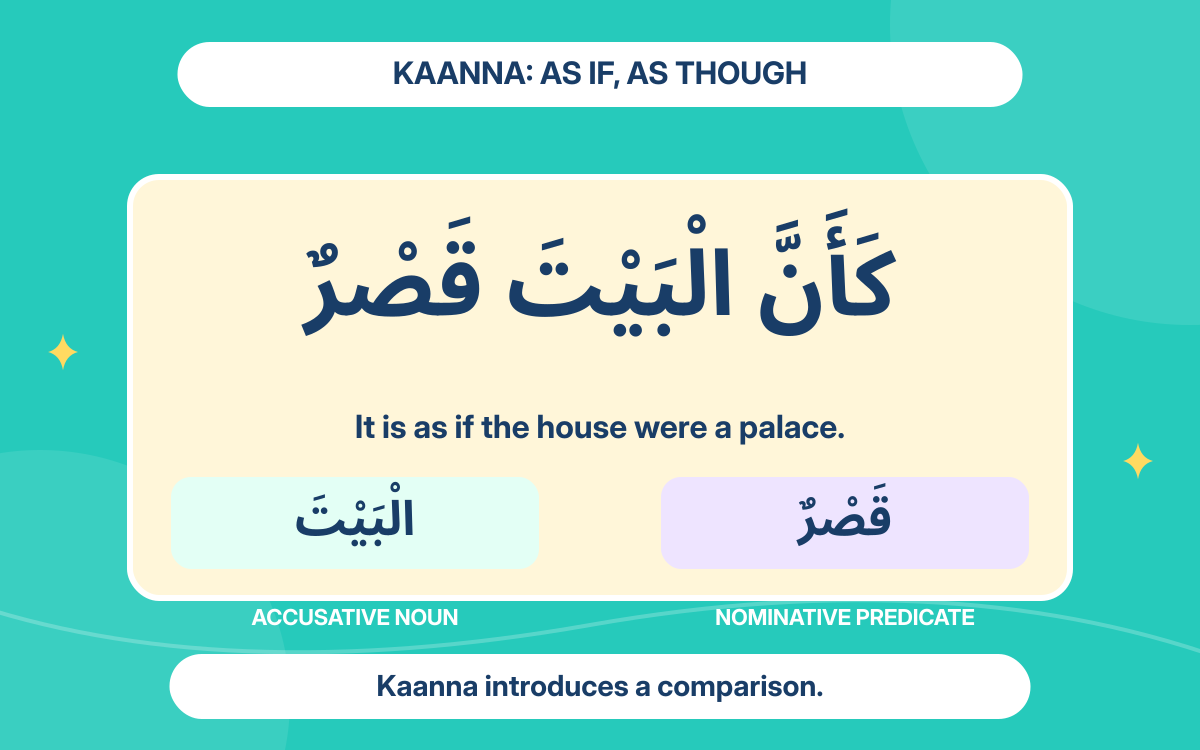
Kaanna in Arabic: As If and As Though
كَأَنَّهُ تَرَاجُعٌ عَنْ ذَلِكَ الِاقْتِرَاحِ
Use kaanna to identify the inference Faris refuses about his qualified acceptance of the present arrangement.
Lakinna and Lakin in Arabic: Two Patterns for But
لَكِنَّ الدَّعْوَةَ تَطْلُبُ شَرْحَ أَوْلَوِيَّاتِ الشُّرَكَاءِ أَيْضًا
Use governing lakinna to contrast the scope of the approved announcement with the wider radio invitation.