

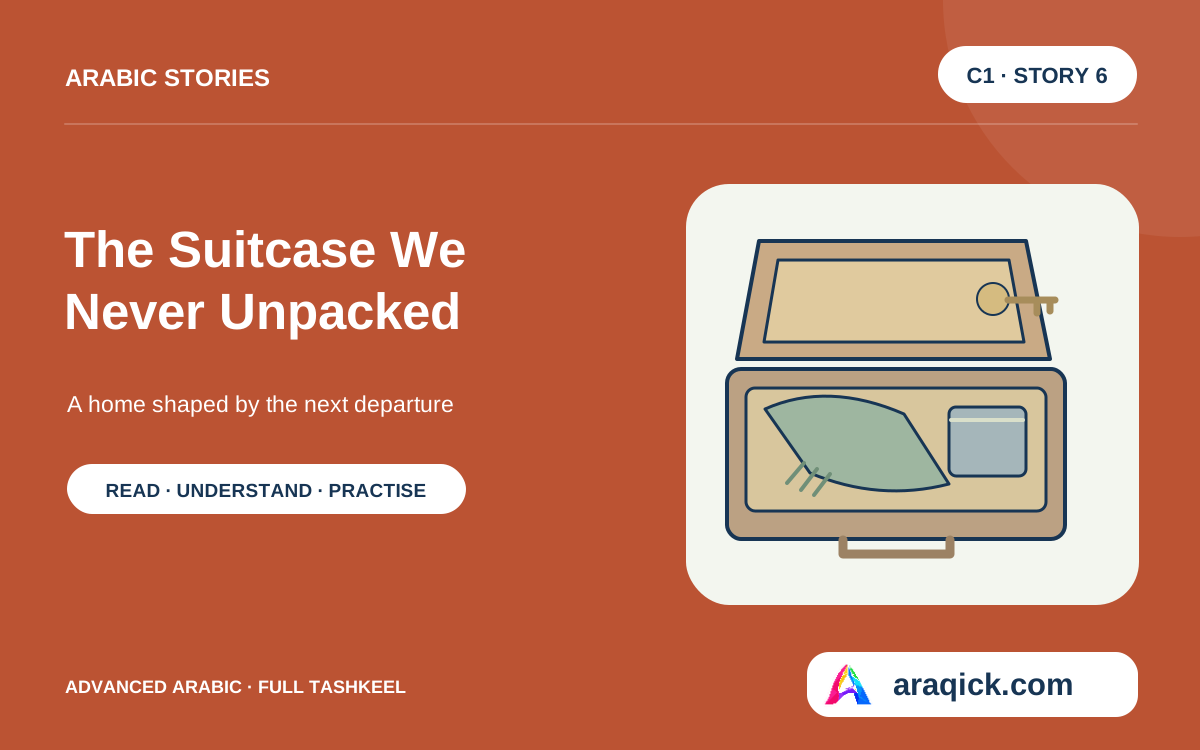
A green scarf brings an old suitcase down from the wardrobe. Its ordinary contents make an adult son reconsider how a family learns to remain ready to leave.
01Read the Arabic story
الْحَقِيبَةُ الَّتِي لَمْ نُفْرِغْهَا
بَعْدَ ثَمَانِي سَنَوَاتٍ فِي الشَّقَّةِ الَّتِي اشْتَرَاهَا وَالِدَايَ، أَنْزَلْتُ الْحَقِيبَةَ الْبُنِّيَّةَ مِنْ فَوْقِ الْخِزَانَةِ. طَلَبَتْ أُمِّي وِشَاحَهَا الْأَخْضَرَ، وَظَنَّتْ أَنَّهُ فِيهَا. كُنْتُ أَرَاهَا مُغْلَقَةً مُنْذُ طُفُولَتِي، تَنْتَقِلُ مَعَنَا مِنْ مَسْكَنٍ مُؤَقَّتٍ إِلَى آخَرَ. لَمْ أَسْأَلْ قَطُّ عَمَّا تَحْوِيهِ؛ فَالْأَشْيَاءُ الَّتِي لَا تُفْتَحُ طَوِيلًا تَكْتَسِبُ هَيْبَةَ الْأَسْرَارِ.
وَجَدْتُ الْوِشَاحَ، وَعُلْبَةَ شَايٍ فَارِغَةً، وَمِفْتَاحًا مَرْبُوطًا بِبِطَاقَةٍ تَحْمِلُ عُنْوَانًا قَدِيمًا. لَمْ تَكُنْ هُنَاكَ رَسَائِلُ مَخْفِيَّةٌ وَلَا صُوَرٌ لِحَيَاةٍ مَجْهُولَةٍ. سَأَلْتُ أَبِي عَنِ الْمِفْتَاحِ، فَقَالَ إِنَّهُ رُبَّمَا كَانَ لِبَيْتِنَا قَبْلَ الْأَخِيرِ. ثُمَّ أَضَافَ أَنَّهُ لَمْ يَجِدْ وَقْتًا لِفَرْزِ الْأَشْيَاءِ. انْتَظَرْتُ حِكَايَةً أَكْبَرَ، لَكِنَّهُ عَادَ إِلَى صَحِيفَتِهِ.
تَذَكَّرْتُ أَكْوَابَنَا الْمَلْفُوفَةَ بِالْوَرَقِ، وَالْمَسَامِيرَ الَّتِي لَمْ نَدُقَّهَا فِي الْجُدْرَانِ. كُنَّا نَسْكُنُ الْبُيُوتَ، وَنَتْرُكُ بَعْضَ أَغْرَاضِنَا يَنْتَظِرُ الْبَيْتَ التَّالِيَ. عِنْدَمَا رَسَمْتُ صُورَةً فِي الْمَدْرَسَةِ، قَالَتْ أُمِّي إِنَّنَا سَنُعَلِّقُهَا حِينَ نَسْتَقِرُّ. لَا أَتَذَكَّرُ هَلْ ضَاعَتْ قَبْلَ انْتِقَالِنَا أَمْ بَعْدَهُ؛ أَتَذَكَّرُ فَقَطْ أَنَّ الْوَعْدَ كَانَ يَجْعَلُ انْتِظَارِي أَقْصَرَ.
كُنْتُ أَصِفُ أُسْرَتَنَا لِأَصْدِقَائِي بِأَنَّهَا تُحِبُّ التَّغْيِيرَ. وَأَنَا أُقَلِّبُ الْعُلْبَةَ الْفَارِغَةَ، تَذَكَّرْتُ أَنَّنِي اخْتَرْتُ أَثَاثَ بَيْتِي لِسُهُولَةِ تَفْكِيكِهِ، وَاحْتَفَظْتُ بِصَنَادِيقِهِ. لَمْ تَكُنْ لَدَيَّ خُطَّةٌ لِلرَّحِيلِ. هَلْ كَانَ ذَلِكَ تَدْبِيرًا عَمَلِيًّا، أَمْ كَانَتِ الْحَقِيبَةُ قَدْ عَلَّمَتْنِي شَيْئًا؟ لَمْ أَجِدْ فِي الْعُنْوَانِ الْمَمْحُوِّ جُزْئِيًّا جَوَابًا، وَكُرْهُ الرَّحِيلِ لَمْ يَكُنْ وَاضِحًا فِي كُلِّ ذِكْرَيَاتِي.
لَفَّتْ أُمِّي الْوِشَاحَ حَوْلَ رَقَبَتِهَا، وَقَالَتْ إِنَّهُ أَقْصَرُ مِمَّا تَذْكُرُ. اقْتَرَحْتُ أَنْ نُفْرِغَ الْحَقِيبَةَ، فَطَلَبَتْ أَنْ نُبْقِيَ الْمِفْتَاحَ حَتَّى تَتَذَكَّرَ بَابَهُ. وَضَعْتُهُ فِي الْعُلْبَةِ، وَلَمْ أُغْلِقِ الْحَقِيبَةَ. عِنْدَ الْمَغَادَرَةِ، سَأَلَنِي أَبِي إِنْ كُنْتُ أُرِيدُهَا لِسَفَرٍ قَرِيبٍ. قُلْتُ لَا، ثُمَّ رَفَعْتُهَا عَنِ الطَّرِيقِ؛ فَكَانَ لَا بُدَّ مِنْ مَكَانٍ لَهَا، حَتَّى وَهِيَ مَفْتُوحَةٌ.
Show English translationHide English translation
After eight years in the flat my parents had bought, I took the brown suitcase down from above the wardrobe. My mother had asked for her green scarf and thought it was inside. I had seen the case closed since childhood, moving with us from one temporary home to another. I had never asked what it held: things left unopened for a long time acquire the gravity of secrets.
I found the scarf, an empty tea tin and a key tied to a tag bearing an old address. There were no hidden letters or photographs of an unknown life. I asked my father about the key, and he said it might have belonged to our home before the last one. Then he added that he had not found time to sort the things. I waited for a bigger story, but he returned to his newspaper.
I remembered our cups wrapped in paper and the nails we had not driven into the walls. We lived in the houses while leaving some of our belongings waiting for the next home. When I made a drawing at school, my mother said we would hang it up once we settled. I do not remember whether it was lost before or after our move; I only remember that the promise made my waiting feel shorter.
I used to describe our family to friends as fond of change. Turning the empty tin over, I remembered that I had chosen furniture for my own home because it was easy to take apart, and had kept its boxes. I had no plan to leave. Was that practical preparation, or had the suitcase taught me something? I found no answer in the partly erased address, and dislike of leaving was not apparent in all my memories.
My mother wrapped the scarf around her neck and said it was shorter than she remembered. I suggested emptying the case, but she asked that we keep the key until she remembered its door. I put it in the tin and did not close the suitcase. As I left, my father asked whether I wanted it for an upcoming trip. I said no, then lifted it out of the way: it still needed a place, even open.
02Useful words from the story
| Arabic in the story | Meaning here |
|---|---|
| هَيْبَةَ الْأَسْرَارِ | the gravity of secrets |
| مَرْبُوطًا | tied |
| لِفَرْزِ | to sort |
| الْمَلْفُوفَةَ | wrapped |
| وَالْمَسَامِيرَ | and the nails |
| نَسْتَقِرُّ | we settle |
| لِسُهُولَةِ تَفْكِيكِهِ | because it is easy to take apart |
| تَدْبِيرًا عَمَلِيًّا | practical preparation |
| الْمَمْحُوِّ جُزْئِيًّا | partly erased |
| لِسَفَرٍ قَرِيبٍ | for an upcoming trip |
03Check your understanding
Read for perspective, implication and the limits of remembered evidence. Choose one answer for each question; open the English support when needed.
What to remember
- Ordinary contents redirect the narrator from imagined secrets toward the family’s habits.
- Keeping furniture boxes may echo earlier uncertainty, but the narrator leaves that interpretation open.
Explore the Arabic in this story
Related grammar and vocabularyOpen Araqick guides connected to this story.
Arabic Relative Pronouns: Joining Ideas with Alladhi and Allati
الشَّقَّةِ الَّتِي اشْتَرَاهَا وَالِدَايَ
Follow allati as it introduces a description of the flat the parents bought.
Lam in Arabic: How to Say “Did Not”
وَلَمْ أُغْلِقِ الْحَقِيبَةَ
Use lam to follow the narrator’s unfinished action at the end.





