

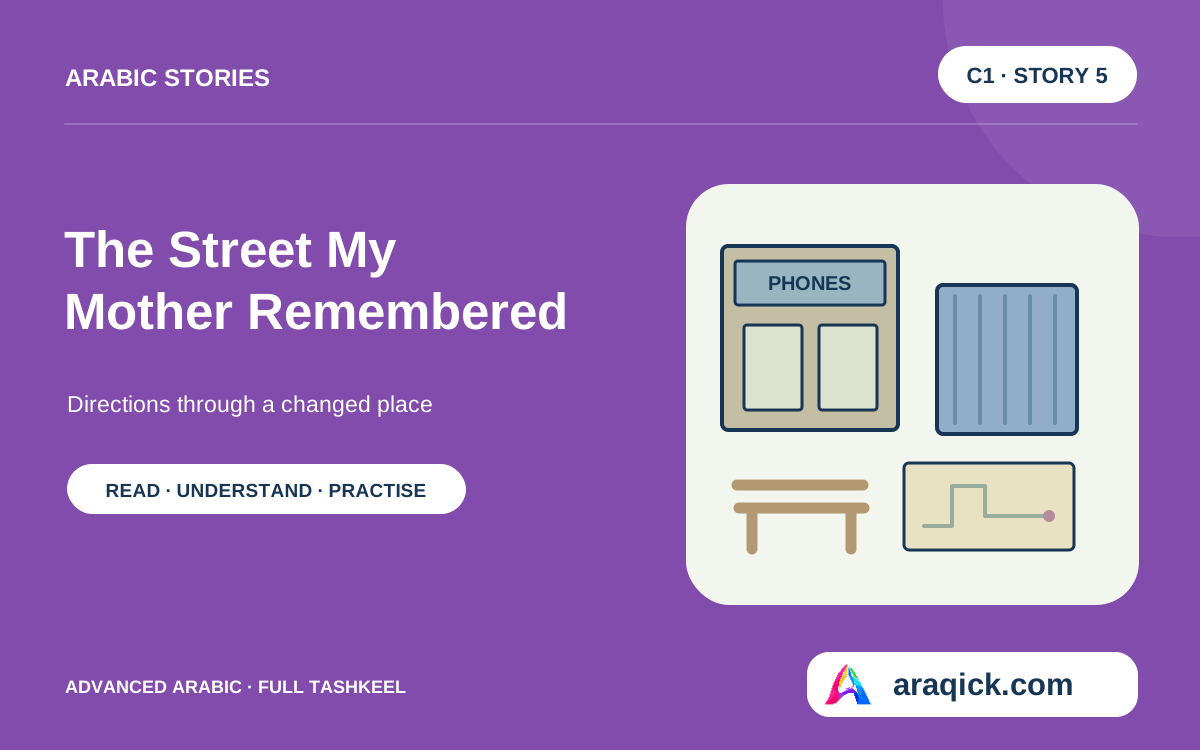
A daughter follows a hand-drawn route through her mother’s old neighbourhood. Missing landmarks reveal relationships that an accurate address alone cannot recover.
01Read the Arabic story
الشَّارِعُ الَّذِي تَذَكَّرَتْهُ أُمِّي
أَرْسَلَتْنِي أُمِّي إِلَى حَيِّهَا الْقَدِيمِ لِأُصَوِّرَ الشَّارِعَ الَّذِي كَانَتْ تَسْلُكُهُ إِلَى الْمَدْرَسَةِ. مَنَعَهَا أَلَمُ رُكْبَتِهَا مِنْ مُرَافَقَتِي، فَرَسَمَتْ لِي الطَّرِيقَ عَلَى وَرَقَةٍ. قَالَتْ: بَعْدَ الْمَخْبَزِ انْعَطِفِي يَمِينًا، وَسَتَرَيْنَ الْبَابَ الْأَزْرَقَ. وَجَدْتُ مَحَلَّ هَوَاتِفَ فِي الْمَوْضِعِ الَّذِي وَصَفَتْهُ، فَاتَّصَلْتُ بِهَا قَبْلَ أَنْ أَتَقَدَّمَ خُطْوَةً أُخْرَى.
قُلْتُ إِنَّ الْمَخْبَزَ لَمْ يَعُدْ هُنَاكَ. أَجَابَتْ بِاسْمِ صَاحِبِهِ، ثُمَّ ذَكَرَتْ أَنَّهُ كَانَ يَحْفَظُ لِجَارَتِهَا رَغِيفَيْنِ حِينَ يَتَأَخَّرُ أَجْرُهَا. طَلَبْتُ رَقْمَ الْبِنَايَةِ، فَسَكَتَتْ قَلِيلًا. كُنْتُ أُرِيدُ عَلَامَةً تُثَبِّتُ مَوْقِعِي، وَكَانَتْ تُعِيدُ إِلَى الْمَكَانِ أُنَاسًا لَا تَعْرِفُ أَسْمَاءَهُمُ اللَّافِتَاتُ الْجَدِيدَةُ. وَمَعَ ذَلِكَ، لَمْ تُسَاعِدْنِي حِكَايَتُهَا عَلَى اخْتِيَارِ الْمُنْعَطَفِ. وَظَلَلْتُ وَاقِفَةً بَيْنَ وَاجِهَتَيْنِ تَعْرِضَانِ الْعُلَبَ وَالْأَسْلَاكَ الْمُلَوَّنَةَ.
عَثَرْتُ عَلَى بَابٍ أَزْرَقَ أَمَامَ مَكْتَبٍ، وَسَأَلْتُ مُوَظَّفًا عَنْ بَيْتِ سَلْمَى. لَمْ يَعْرِفِ الِاسْمَ، وَلَكِنَّهُ قَالَ إِنَّ لَوْنَ الْبَابِ لَمْ يَتَغَيَّرْ مُنْذُ وَصَلَ. لَمْ يَكْفِ ذَلِكَ لِأَجْزِمَ أَنَّنِي وَجَدْتُ الْبَيْتَ. وَصَفْتُ لِأُمِّي الدَّرَجَاتِ الثَّلَاثَ، فَسَأَلَتْ عَنِ الْمَقْعَدِ الْخَشَبِيِّ. لَمْ يَكُنْ هُنَاكَ مَقْعَدٌ، وَلَا أَثَرٌ وَاضِحٌ لِمَكَانِهِ.
قَالَتْ إِنَّهَا كَانَتْ تَنْتَظِرُ سَلْمَى عَلَيْهِ بَعْدَ الدَّرْسِ؛ فَقَدْ كَانَتْ تَخَافُ الْعَوْدَةَ وَحْدَهَا. بَدَتْ لِي هَذِهِ الْجُمْلَةُ أَغْرَبَ مِنِ اخْتِفَاءِ الْمَخْبَزِ. فِي حِكَايَاتِي عَنْ أُمِّي، كَانَتْ دَائِمًا مَنِ انْتَظَرَ الْآخَرُونَ شَجَاعَتَهَا. سَأَلْتُهَا إِنْ كَانَتْ سَلْمَى أَكْبَرَ مِنْهَا، فَضَحِكَتْ: لَا، لَكِنَّهَا كَانَتْ تَعْرِفُ أَنَّنِي سَأَنْتَظِرُ. وَلَمْ تُضِفْ شَرْحًا آخَرَ.
أَرْسَلْتُ صُورَةَ الْبَابِ، وَقُلْتُ إِنَّنِي لَسْتُ مُتَأَكِّدَةً مِنَ الْعُنْوَانِ. لَمْ أُسَمِّهِ بَيْتَ سَلْمَى لِأُرْضِيَهَا، وَلَمْ أَمْحُ الِاسْمَ مِنْ وَرَقَتِهَا. جَلَسْتُ عَلَى مَقْعَدِ مَحَطَّةِ الْحَافِلَةِ، وَكَتَبْتُ أَرْقَامَ الْبِنَايَاتِ تَحْتَ الرَّسْمِ. وَبِجَانِبِ الْبَابِ الْأَزْرَقِ أَضَفْتُ سُؤَالًا لِلزِّيَارَةِ التَّالِيَةِ: مَنْ كَانَ يَنْتَظِرُ مَنْ؟ ثُمَّ طَوَيْتُ الْوَرَقَةَ، وَتَرَكْتُ مَكَانًا لِامْرَأَةٍ تَحْمِلُ كِيسَ خُبْزٍ.
Show English translationHide English translation
My mother sent me to her old neighbourhood to photograph the street she used to take to school. Knee pain kept her from coming with me, so she drew the route on a sheet of paper. She said, “Turn right after the bakery, and you will see the blue door.” I found a phone shop in the place she had described, and called her before taking another step.
I said the bakery was no longer there. She answered with its owner’s name, then mentioned that he used to save two loaves for her neighbour when her wages were late. I asked for the building number, and she fell silent for a moment. I wanted a landmark to fix my position; she was returning to the place people whose names the new signs did not know. Even so, her story did not help me choose the turning. I remained standing between two shopfronts displaying boxes and coloured cables.
I found a blue door in front of an office and asked an employee about Salma’s house. He did not recognise the name, but said the door’s colour had not changed since he arrived. That was not enough for me to be certain I had found the house. I described the three steps to my mother, and she asked about the wooden bench. There was no bench, nor any clear trace of where it had stood.
She said she used to wait for Salma on it after class: she had been afraid to go home alone. That sentence seemed stranger to me than the bakery’s disappearance. In my stories about my mother, she had always been the one whose courage others waited for. I asked whether Salma was older than her, and she laughed: “No, but she knew I would be waiting.” She added no further explanation.
I sent a photograph of the door and said I was not certain of the address. I did not call it Salma’s house to please her, nor did I erase the name from her sheet. I sat on the bench at the bus stop and wrote the building numbers below the drawing. Beside the blue door I added a question for the next visit: “Who used to wait for whom?” Then I folded the paper and made room for a woman carrying a bag of bread.
02Useful words from the story
| Arabic in the story | Meaning here |
|---|---|
| تَسْلُكُهُ | she takes it as a route |
| مُرَافَقَتِي | accompanying me |
| رَغِيفَيْنِ | two loaves |
| أَجْرُهَا | her wages |
| الْمُنْعَطَفِ | the turning |
| لِأَجْزِمَ | for me to be certain |
| الدَّرَجَاتِ الثَّلَاثَ | the three steps |
| شَجَاعَتَهَا | her courage |
| لِأُرْضِيَهَا | to please her |
| طَوَيْتُ | I folded |
03Check your understanding
Read for perspective, implication and the limits of remembered evidence. Choose one answer for each question; open the English support when needed.
What to remember
- A matching door colour supports a possibility; it does not establish who lived behind it.
- The daughter revises her image of a fearless mother while leaving the address unresolved.
Explore the Arabic in this story
Related grammar and vocabularyOpen Araqick guides connected to this story.
Arabic Relative Pronouns: Joining Ideas with Alladhi and Allati
الشَّارِعَ الَّذِي كَانَتْ تَسْلُكُهُ إِلَى الْمَدْرَسَةِ
Read alladhi as it connects a street to the mother’s former route.
Lam in Arabic: How to Say “Did Not”
لَمْ يَعْرِفِ الِاسْمَ
Use lam to identify the limit of the employee’s knowledge.





