

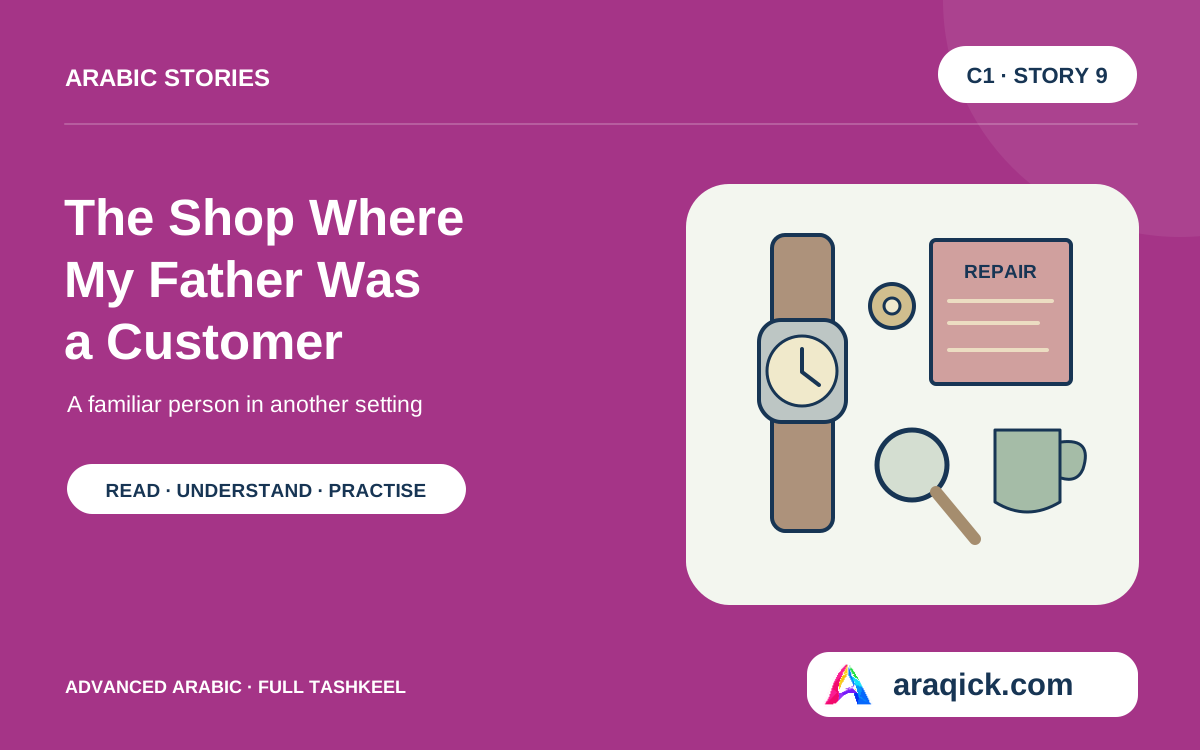
A son collects his father’s repaired watch and hears an unexpected account of its owner. The shopkeeper’s small anecdotes disturb a familiar family portrait.
01Read the Arabic story
الدُّكَّانُ الَّذِي كَانَ أَبِي زَبُونًا فِيهِ
أَرْسَلَنِي أَبِي لِأَسْتَلِمَ سَاعَتَهُ مِنْ دُكَّانِ الْإِصْلَاحِ، وَحَدَّدَ لِيَ الْوَقْتَ الَّذِي يَنْبَغِي أَنْ أَعُودَ فِيهِ. حَمَلْتُ الْإِيصَالَ الْأَحْمَرَ كَأَنَّهُ تَكْلِيفٌ مَدْرَسِيٌّ قَدِيمٌ. مَا زِلْتُ، عَلَى الرَّغْمِ مِنْ سَنَوَاتِ عَمَلِي، أُرَاجِعُ إِجَابَاتِي قَبْلَ أَنْ أُجِيبَهُ؛ فَفِي ذَاكِرَتِي كَانَ دَائِمًا وَاقِفًا عِنْدَ الْبَابِ، يَسْأَلُ عَنِ التَّأَخُّرِ. أَعْرِفُ أَنَّ هَذِهِ لَيْسَتْ كُلَّ حَيَاتِهِ، وَلَكِنَّهَا الصُّورَةُ الَّتِي تَسْبِقُنِي إِلَيْهِ، حَتَّى حِينَ لَا يَكُونُ عِنْدِي مَا أَخْشَى سُؤَالَهُ عَنْهُ.
ذَكَرْتُ اسْمَ أَبِي، فَأَخْرَجَ صَاحِبُ الدُّكَّانِ السَّاعَةَ قَبْلَ أَنْ يَنْظُرَ إِلَى الْإِيصَالِ. رَفَعَ عَدَسَتَهُ وَقَالَ إِنَّ أَبِي يَجْلِسُ هُنَا أَحْيَانًا بَعْدَ انْتِهَاءِ الْإِصْلَاحِ. ثُمَّ أَشَارَ إِلَى كُوبٍ أَخْضَرَ: هَذَا كُوبُهُ. كَانَتْ نَبْرَتُهُ عَادِيَّةً، لَكِنَّنِي شَعَرْتُ كَأَنَّهُ يَصِفُ عُنْوَانًا آخَرَ لِبَيْتِنَا لَمْ أَسْمَعْ بِهِ قَطُّ.
حَكَى أَنَّ قِطْعَةً صَغِيرَةً تَأَخَّرَتْ أُسْبُوعَيْنِ، فَكَانَ أَبِي يَمْزَحُ بِأَنَّ سَاعَتَهُ أَخَذَتْ إِجَازَةً أَطْوَلَ مِنْ إِجَازَتِهِ. ضَحِكَ الرَّجُلُ، وَانْتَظَرَ مِنِّي ضَحْكَةً مُمَاثِلَةً. ابْتَسَمْتُ، لَكِنَّنِي تَذَكَّرْتُ مَسَاءً حَاسَبَنِي فِيهِ أَبِي عَلَى عَشْرِ دَقَائِقَ. لَمْ يَكُنِ الْمَوْقِفَانِ مُتَطَابِقَيْنِ، غَيْرَ أَنَّ الْفَرْقَ بَيْنَهُمَا أَزْعَجَنِي أَكْثَرَ مِمَّا تَوَقَّعْتُ.
كِدْتُ أَسْأَلُهُ إِنْ كَانَ يَعْنِي رَجُلًا آخَرَ، ثُمَّ رَأَيْتُ الْخَدْشَ الْقَدِيمَ فِي سِوَارِ السَّاعَةِ الْبُنِّيِّ. سَأَلْتُ بَدَلًا مِنْ ذَلِكَ عَنْ زِيَارَاتِ أَبِي. أَجَابَ بِحَوَادِثَ صَغِيرَةٍ، لَا بِتَفْسِيرٍ لِشَخْصِيَّتِهِ. كُنْتُ أَرْغَبُ فِي تَفْسِيرٍ يُرَتِّبُ الصُّورَتَيْنِ؛ أَمَّا هُوَ فَكَانَ يُرِينِي تُرْسًا تَالِفًا وَيَشْرَحُ سَبَبَ اسْتِبْدَالِهِ بِتُرْسٍ جَدِيدٍ.
عُدْتُ مُتَأَخِّرًا قَلِيلًا، فَسَأَلَنِي أَبِي عَنْ سَبَبِ التَّأَخُّرِ. بَدَأْتُ أَعْتَذِرُ كَالْعَادَةِ، ثُمَّ قُلْتُ إِنَّنَا تَحَدَّثْنَا عَنْهُ. تَوَقَّفَ وَهُوَ يَرْبِطُ السِّوَارَ، وَسَأَلَ: وَمَاذَا قَالَ؟ ذَكَرْتُ نُكْتَةَ الْإِجَازَةِ فَقَصَّهَا مَرَّةً أُخْرَى، بِتَفْصِيلٍ لَمْ يَذْكُرْهُ الرَّجُلُ. ضَحِكْتُ هَذِهِ الْمَرَّةَ، وَبَقِيَ الْإِيصَالُ مَطْوِيًّا فِي يَدِي دُونَ أَنْ أَمُدَّهُ إِلَيْهِ.
Show English translationHide English translation
My father sent me to collect his watch from the repair shop and specified the time I should return. I carried the red receipt as though it were an old school assignment. Despite my years of working, I still rehearse my answers before replying to him: in my memory he was always standing at the door, asking about lateness. I know this is not his whole life, but it is the picture that reaches him before I do, even when I have nothing I fear being asked about.
I gave my father’s name, and the shopkeeper brought out the watch before looking at the receipt. He raised his magnifying glass and said my father sometimes sat there after a repair was finished. Then he pointed to a green cup: this was his cup. His tone was ordinary, but I felt as though he were describing another address for our home that I had never heard of.
He recalled a small part that had arrived two weeks late, and my father joking that his watch had taken a longer holiday than he had. The man laughed and waited for a similar laugh from me. I smiled, but remembered an evening when my father had called me to account for ten minutes. The situations were not identical, yet their difference bothered me more than I expected.
I almost asked whether he meant another man, then noticed the old scratch on the watch’s brown strap. Instead, I asked about my father’s visits. He answered with small incidents, not an explanation of his personality. I wanted an explanation that would put the two pictures in order; meanwhile, he was showing me a damaged gear and explaining why he had replaced it with a new one.
I returned a little late, and my father asked why. I started to apologise as usual, then said we had been talking about him. He paused while fastening the strap and asked what the man had said. I mentioned the holiday joke, and he told it again, with a detail the man had omitted. This time I laughed, while the receipt remained folded in my hand without my holding it out to him.
02Useful words from the story
| Arabic in the story | Meaning here |
|---|---|
| الْإِيصَالَ الْأَحْمَرَ | the red receipt |
| تَكْلِيفٌ مَدْرَسِيٌّ | a school assignment |
| عَدَسَتَهُ | his magnifying glass |
| نَبْرَتُهُ | his tone |
| يَمْزَحُ | he jokes |
| حَاسَبَنِي | he called me to account |
| مُتَطَابِقَيْنِ | identical; matching |
| بِحَوَادِثَ صَغِيرَةٍ | with small incidents |
| تُرْسًا تَالِفًا | a damaged gear |
| مَطْوِيًّا | folded |
03Check your understanding
Choose one answer per question. Distinguish remembered experience, reported anecdotes and supported implications. Open the English support when needed.
What to remember
- The narrator qualifies his comparison: different circumstances do not make his discomfort disappear.
- The receipt connects an old sense of being tested with a brief, less defensive exchange. The father’s strictness is not erased.
Explore the Arabic in this story
Related grammar and vocabularyOpen Araqick guides connected to this story.
Arabic Relative Pronouns: Joining Ideas with Alladhi and Allati
الْوَقْتَ الَّذِي يَنْبَغِي أَنْ أَعُودَ فِيهِ
Follow alladhi from a definite time to the clause specifying the expected return.
Lam in Arabic: How to Say “Did Not”
لَمْ أَسْمَعْ بِهِ قَطُّ
Review lam with a jussive imperfect when the narrator describes information he had not heard.





