

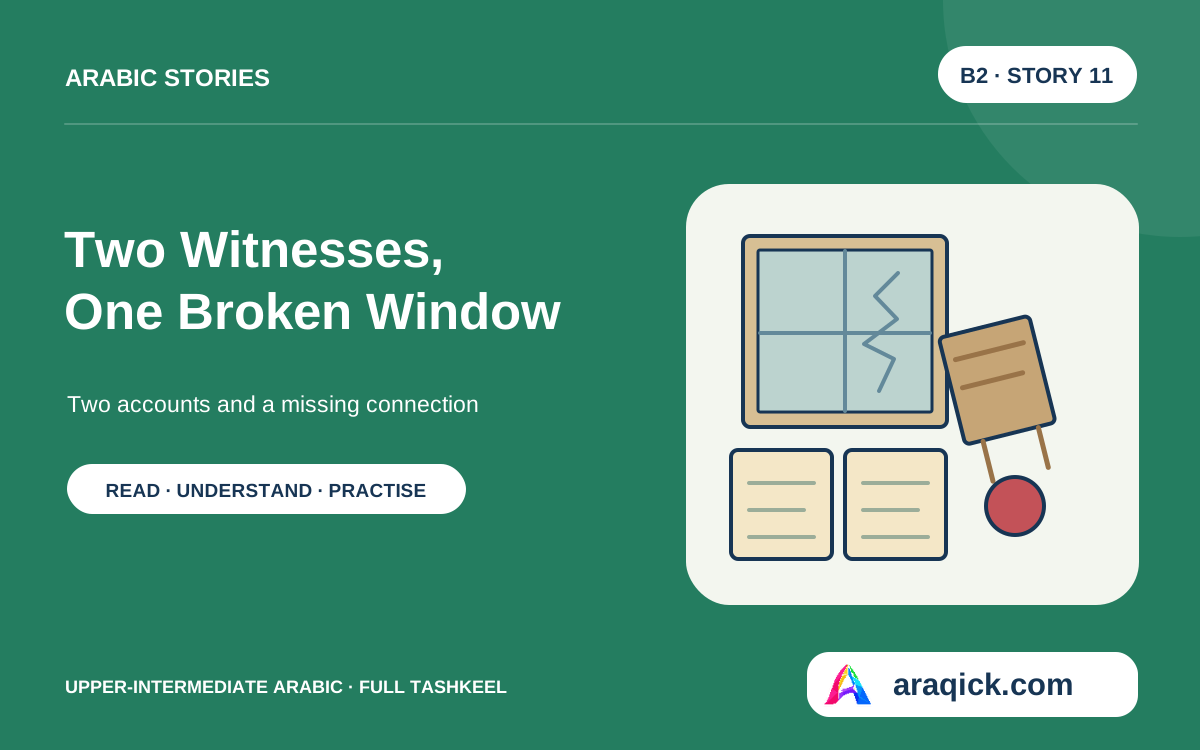
A caretaker hears two conflicting accounts of a broken window. Where each witness stood becomes as important as what each remembers.
01Read the Arabic story
شَاهِدَانِ وَنَافِذَةٌ مَكْسُورَةٌ
عِنْدَمَا وَصَلْتُ إِلَى قَاعَةِ الْقِرَاءَةِ، وَجَدْتُ زُجَاجَ النَّافِذَةِ مَكْسُورًا وَلَافِتَةً خَشَبِيَّةً عَلَى الْأَرْضِ. بِوَصْفِي الْمَسْؤُولَ عَنِ الْمَبْنَى، كَانَ عَلَيَّ أَنْ أَفْهَمَ مَا حَدَثَ قَبْلَ طَلَبِ الْإِصْلَاحِ. قَالَتْ صَاحِبَةُ الْمَخْبَزِ الْمُقَابِلِ إِنَّ صَبِيًّا رَمَى كُرَةً حَمْرَاءَ نَحْوَ النَّافِذَةِ. أَمَّا عَامِلُ الْقَاعَةِ فَأَكَّدَ أَنَّ اللَّافِتَةَ هِيَ الَّتِي ضَرَبَتِ الزُّجَاجَ، وَلَيْسَتِ الْكُرَةُ.
بَدَتِ الرِّوَايَتَانِ مُتَنَاقِضَتَيْنِ، وَأَسْرَعَ بَعْضُ الْجِيرَانِ إِلَى اتِّهَامِ أَحَدِ الشَّاهِدَيْنِ بِالْكَذِبِ. وَلَمْ أَقْبَلْ هَذَا الْحُكْمَ قَبْلَ التَّحَقُّقِ. فَطَلَبْتُ مِنْ كُلٍّ مِنْهُمَا أَنْ يَصِفَ مَكَانَهُ. كَانَتِ الْمَرْأَةُ خَلْفَ طَاوِلَةِ الْبَيْعِ، وَحَجَبَتْ شَاحِنَةٌ جُزْءًا مِنْ مَشْهَدِهَا. رَأَتِ الْكُرَةَ تَرْتَفِعُ، ثُمَّ سَمِعَتْ صَوْتَ الزُّجَاجِ. لَمْ تُشَاهِدْ لَحْظَةَ الِاصْطِدَامِ، وَإِنْ كَانَتْ وَاثِقَةً مِنْ تَرْتِيبِ مَا رَأَتْهُ وَسَمِعَتْهُ.
كَانَ الْعَامِلُ فِي الدَّاخِلِ، وَظَهْرُهُ إِلَى السَّاحَةِ. الْتَفَتَ عِنْدَ سَمَاعِ ضَرْبَةٍ خَفِيفَةٍ، فَرَأَى طَرَفَ اللَّافِتَةِ يَصْطَدِمُ بِالنَّافِذَةِ. وَاعْتَرَفَ بِأَنَّهُ نَقَلَ اللَّافِتَةَ إِلَى جَانِبِهَا صَبَاحًا لِيُفْسِحَ الْمَمَرَّ. لَمْ يَعْرِفْ مَا الَّذِي أَسْقَطَهَا، وَكَانَ يَخْشَى أَنْ يُفْهَمَ كَلَامُهُ عَلَى أَنَّهُ مُحَاوَلَةٌ لِلْهَرَبِ مِنَ الْمَسْؤُولِيَّةِ. سَجَّلْتُ هَذِهِ النُّقْطَةَ دُونَ تَعْلِيقٍ.
وَجَدْنَا عَلَى اللَّافِتَةِ أَثَرًا أَحْمَرَ، وَشَرَحَ الصَّبِيُّ أَنَّ كُرَتَهُ أَصَابَتْهَا بَعْدَ أَنْ أَخْطَأَ فِي تَوْجِيهِهَا. وَكَانَ فِي سِجِلِّ الصِّيَانَةِ بَلَاغٌ سَابِقٌ عَنْ شَقٍّ فِي الزُّجَاجِ. جَمَعْتُ التَّفَاصِيلَ، فَصَارَ تَسَلْسُلُ الْحَادِثِ أَوْضَحَ: ضَرَبَتِ الْكُرَةُ اللَّافِتَةَ، فَمَالَتِ اللَّافِتَةُ نَحْوَ زُجَاجٍ كَانَ مُتَشَقِّقًا. كُلُّ شَاهِدٍ رَأَى جُزْءًا، لَا الْحَادِثَ كُلَّهُ.
أَبْعَدْنَا اللَّافِتَةَ، وَأَغْلَقْنَا الْمَكَانَ حَتَّى يُسْتَبْدَلَ الزُّجَاجُ. اعْتَذَرَ الصَّبِيُّ عَنْ رَمْيِ الْكُرَةِ قُرْبَ الْمَبْنَى، وَوَعَدَ الْعَامِلُ بِتَثْبِيتِ اللَّافِتَةِ. فِي تَقْرِيرِي، فَصَلْتُ بَيْنَ مَا شُوهِدَ وَمَا اسْتُنْتِجَ. لَمْ أَكْتُبْ أَنَّ الْحَادِثَ مُتَعَمَّدٌ، وَلَمْ أُحَمِّلْ شَخْصًا وَاحِدًا كُلَّ الْخَطَأِ. وَقَبْلَ تَوْقِيعِ التَّقْرِيرِ، طَلَبَ الْعَامِلُ إِضَافَةَ تَارِيخِ بَلَاغِ الصِّيَانَةِ الْقَدِيمِ.
Show English translationHide English translation
When I reached the reading room, I found the window glass broken and a wooden sign on the ground. As the person responsible for the building, I had to understand what had happened before requesting repairs. The owner of the bakery opposite said that a boy had thrown a red ball towards the window. The room’s worker, however, insisted that the sign had struck the glass, not the ball.
The two accounts seemed contradictory, and some neighbours hurried to accuse one witness of lying. I did not accept this judgement before checking. So I asked each to describe their position. The woman had been behind the sales counter, and a truck had blocked part of her view. She saw the ball rise, then heard the sound of glass. She had not seen the moment of impact, although she was sure of the order of what she had seen and heard.
The worker had been inside, with his back to the courtyard. He turned when he heard a light knock and saw the edge of the sign hit the window. He admitted moving the sign beside it that morning to clear the passage. He did not know what had knocked it over, and feared that his words would be understood as an attempt to escape responsibility. I recorded this point without comment.
We found a red mark on the sign, and the boy explained that his ball had hit it after he aimed badly. The maintenance log also contained an earlier report of a crack in the glass. I put the details together, and the sequence became clearer: the ball struck the sign, and the sign tilted towards glass that was already cracked. Each witness saw part of the incident, not all of it.
We moved the sign away and closed the area until the glass could be replaced. The boy apologised for throwing the ball near the building, and the worker promised to secure the sign. In my report, I separated what was observed from what was inferred. I did not write that the incident was deliberate or place all the blame on one person. Before signing the report, the worker asked to add the date of the old maintenance report.
02Useful words from the story
| Arabic in the story | Meaning here |
|---|---|
| وَلَافِتَةً خَشَبِيَّةً | and a wooden sign |
| الرِّوَايَتَانِ | the two accounts |
| مُتَنَاقِضَتَيْنِ | contradictory |
| وَحَجَبَتْ | and blocked |
| الِاصْطِدَامِ | impact |
| لِيُفْسِحَ | to clear / make room |
| الْمَسْؤُولِيَّةِ | responsibility |
| سِجِلِّ الصِّيَانَةِ | the maintenance log |
| تَسَلْسُلُ | the sequence of |
| مُتَعَمَّدٌ | deliberate |
03Check your understanding
Choose one answer for each question. Compare evidence, assumptions and viewpoints. Open the English support if you need help with a question.
What to remember
- Conflicting accounts may describe different parts of the same event.
- Evidence about an earlier defect can matter without removing responsibility for later actions.
Explore the Arabic in this story
Related grammar and vocabularyOpen Araqick guides connected to this story.
Purpose Li in Arabic: How to Say “In Order To”
لِيُفْسِحَ الْمَمَرَّ
Read the purpose of moving the sign and distinguish it from the unintended result.
Lam in Arabic: How to Say “Did Not”
لَمْ تُشَاهِدْ لَحْظَةَ الِاصْطِدَامِ
Notice how a negative statement limits what the witness actually saw.





