

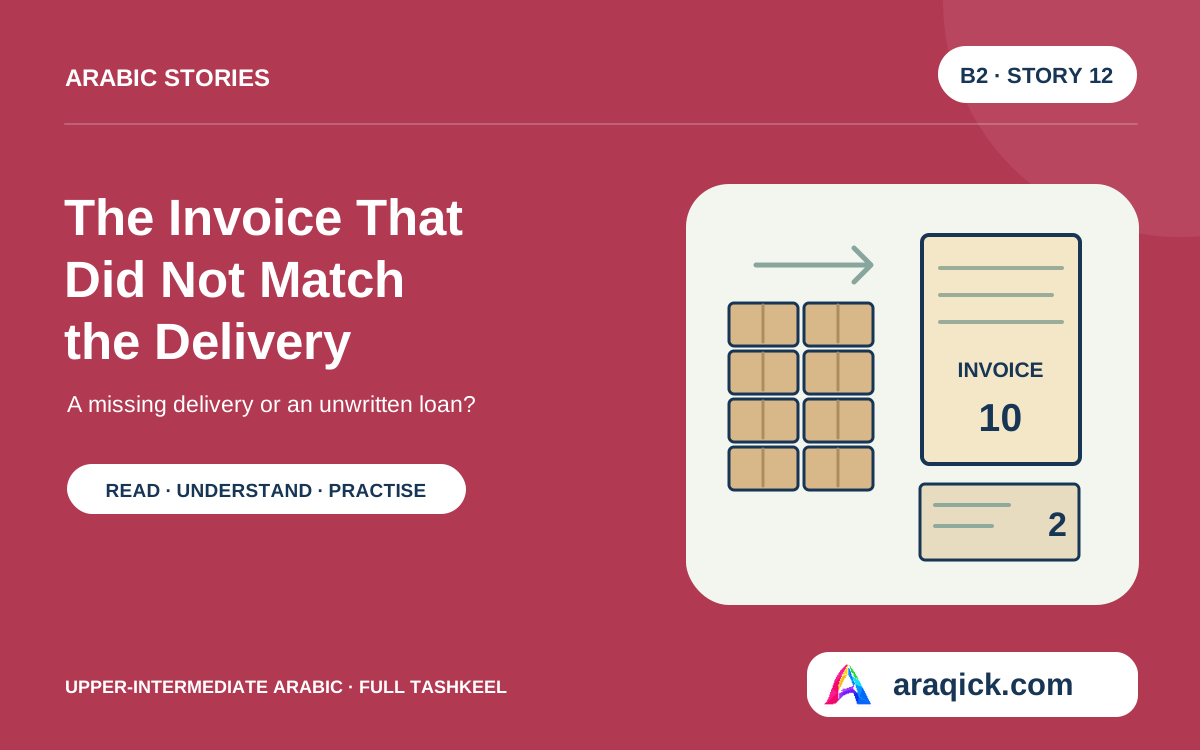
A new employee finds ten boxes on an invoice but only eight in the storeroom. An informal loan means different things to the people responsible for it.
01Read the Arabic story
فَاتُورَةٌ لَا تُطَابِقُ التَّسْلِيمَ
فِي أُسْبُوعِي الْأَوَّلِ بِوَرْشَةِ الْأَثَاثِ، طُلِبَ مِنِّي مُرَاجَعَةُ فَوَاتِيرِ الْمَوَادِّ قَبْلَ حِفْظِهَا. وَجَدْتُ فَاتُورَةً لِعَشَرَةِ صَنَادِيقَ مِنَ الْمَفَاصِلِ الْمَعْدِنِيَّةِ، بَيْنَمَا ذَكَرَتْ وَرَقَةُ التَّسْلِيمِ ثَمَانِيَةً فَقَطْ. أَعَدْتُ الْعَدَّ فِي الْمَخْزَنِ، ثُمَّ سَأَلْتُ زَمِيلِي الْقَدِيمَ عَنِ الْفَرْقِ. ابْتَسَمَ وَقَالَ: «لَا تَشْغَلْ بَالَكَ، نَحْنُ نَعْرِفُ الْمُوَرِّدَ جَيِّدًا». لَمْ تُوَضِّحْ إِجَابَتُهُ أَيْنَ ذَهَبَ الصُّنْدُوقَانِ.
اتَّصَلْتُ بِالْمُوَرِّدِ لِأَسْأَلَ عَنِ التَّسْلِيمِ، لَا لِأَتَّهِمَهُ بِخَطَأٍ. قَالَ إِنَّهُ أَرْسَلَ عَشَرَةَ صَنَادِيقَ، لَكِنَّ الْمُشْرِفَ طَلَبَ تَرْكَ اثْنَيْنِ فِي الْوَرْشَةِ الْمُجَاوِرَةِ. وَأَرْسَلَ لِي صُورَةً مِنْ مُلَاحَظَةِ السَّائِقِ، وَعَلَيْهَا تَوْقِيعُ مُسْتَلِمٍ آخَرَ. لَمْ تَكُنِ الْمُلَاحَظَةُ مَوْجُودَةً فِي مَلَفِّنَا. بَدَا أَنَّ الْفَاتُورَةَ صَحِيحَةٌ، وَلَكِنَّ سِجِلَّنَا لَا يَحْكِي الْقِصَّةَ كُلَّهَا.
شَرَحَ الْمُشْرِفُ أَنَّ صَاحِبَ الْوَرْشَةِ الْمُجَاوِرَةِ اسْتَعَارَ الصُّنْدُوقَيْنِ لِيُكْمِلَ طَلَبًا عَاجِلًا، وَوَعَدَ بِإِعَادَةِ مِثْلِهِمَا فِي الْأُسْبُوعِ التَّالِي. وَأَضَافَ أَنَّ الْجَارَ سَاعَدَنَا سَابِقًا بِالطَّرِيقَةِ نَفْسِهَا. بِالنِّسْبَةِ إِلَيْهِ، كَانَ الِاتِّفَاقُ تَعَاوُنًا يَحْفَظُ الْعَلَاقَاتِ وَيُسَرِّعُ الْعَمَلَ. أَمَّا مُحَاسِبَتُنَا فَقَالَتْ إِنَّ الْوَعْدَ الشَّفَهِيَّ يَتْرُكُهَا مَسْؤُولَةً عَنْ نَقْصٍ لَا تَسْتَطِيعُ شَرْحَهُ فِي الْحِسَابَاتِ.
خَشِيتُ أَنْ يَرَى الْمُشْرِفُ فِي أَسْئِلَتِي شَكًّا فِي أَمَانَتِهِ، فَقُلْتُ إِنَّنِي لَا أَعْتَرِضُ عَلَى مُسَاعَدَةِ الْجَارِ. اقْتَرَحْتُ تَسْجِيلَ الْكَمِّيَّةِ الْمُعَارَةِ وَاسْمِ مُسْتَلِمِهَا وَمَوْعِدِ إِعَادَتِهَا، مَعَ إِرْفَاقِ مُلَاحَظَةِ السَّائِقِ. رَأَى زَمِيلِي أَنَّ ذَلِكَ وَرَقٌ زَائِدٌ، لَكِنَّ الْمُحَاسِبَةَ سَأَلَتْهُ عَمَّنْ سَيَتَذَكَّرُ التَّفَاصِيلَ إِذَا غَابَ الْمُشْرِفُ. لَمْ يُجِبْ فَوْرًا، ثُمَّ أَحْضَرَ دَفْتَرًا صَغِيرًا.
وَقَّعَ الْمُشْرِفُ عَلَى السِّجِلِّ، وَأَكَّدَ الْجَارُ الْكَمِّيَّةَ وَالْمَوْعِدَ فِي رِسَالَةٍ. حَفِظْتُ الْفَاتُورَةَ مَعَ الْوَثَائِقِ، وَتَرَكْتُ خَانَةَ الْإِعَادَةِ فَارِغَةً. لَمْ يَكُنِ الصُّنْدُوقَانِ قَدْ عَادَا بَعْدُ، وَلَمْ تَحُلَّ الْوَرَقَةُ مَحَلَّ الْمُتَابَعَةِ. فِي الْيَوْمِ التَّالِي، سَأَلَنِي زَمِيلِي أَيْنَ نَضَعُ سِجِلَّ الْإِعَارَةِ لِيَسْهُلَ الْعُثُورُ عَلَيْهِ. لَمْ أَسْأَلْهُ إِنْ كَانَ قَدْ غَيَّرَ رَأْيَهُ.
Show English translationHide English translation
In my first week at the furniture workshop, I was asked to check material invoices before filing them. I found an invoice for ten boxes of metal hinges, while the delivery sheet mentioned only eight. I counted again in the storeroom, then asked my long-serving colleague about the difference. He smiled and said, “Don’t worry; we know the supplier well.” His answer did not explain where the two boxes had gone.
I called the supplier to ask about the delivery, not to accuse him of an error. He said he had sent ten boxes, but the supervisor had asked for two to be left at the neighbouring workshop. He sent me a photograph of the driver’s note, bearing another recipient’s signature. The note was not in our file. The invoice appeared correct, but our record did not tell the whole story.
The supervisor explained that the neighbouring workshop’s owner had borrowed the two boxes to complete an urgent order and promised to return two equivalent boxes the following week. He added that the neighbour had helped us in the same way before. To him, the agreement was cooperation that preserved relationships and sped up work. Our accountant, however, said that the verbal promise left her responsible for a shortage she could not explain in the accounts.
I feared that the supervisor might see my questions as doubt about his honesty, so I said I did not object to helping the neighbour. I suggested recording the quantity lent, its recipient’s name and the return date, with the driver’s note attached. My colleague thought this was extra paperwork, but the accountant asked him who would remember the details if the supervisor was absent. He did not answer immediately, then brought a small notebook.
The supervisor signed the record, and the neighbour confirmed the quantity and date in a message. I filed the invoice with the documents and left the return field blank. The two boxes had not yet been returned, and the paper did not replace follow-up. The next day, my colleague asked where we should keep the loan record so it would be easy to find. I did not ask whether he had changed his mind.
02Useful words from the story
| Arabic in the story | Meaning here |
|---|---|
| فَوَاتِيرِ | invoices |
| الْمَفَاصِلِ الْمَعْدِنِيَّةِ | metal hinges |
| الْمُوَرِّدَ | the supplier |
| مُسْتَلِمٍ | a recipient |
| اسْتَعَارَ | borrowed |
| الشَّفَهِيَّ | verbal |
| أَمَانَتِهِ | his honesty |
| الْمُعَارَةِ | lent |
| إِرْفَاقِ | attaching |
| خَانَةَ | the field / space for an entry |
03Check your understanding
Choose one answer for each question. Compare evidence, assumptions and viewpoints. Open the English support if you need help with a question.
What to remember
- A correct invoice can still leave an incomplete account of where materials went.
- Recording a loan can support cooperation while preserving the need to follow up.
Explore the Arabic in this story
Related grammar and vocabularyOpen Araqick guides connected to this story.
Purpose Li in Arabic: How to Say “In Order To”
لِأَسْأَلَ عَنِ التَّسْلِيمِ
Identify the purpose of contacting the supplier before drawing conclusions.
Anna in Arabic: I Know That and I Think That
أَنَّ الْفَاتُورَةَ صَحِيحَةٌ
Read the embedded statement explaining how the discrepancy first appears.





