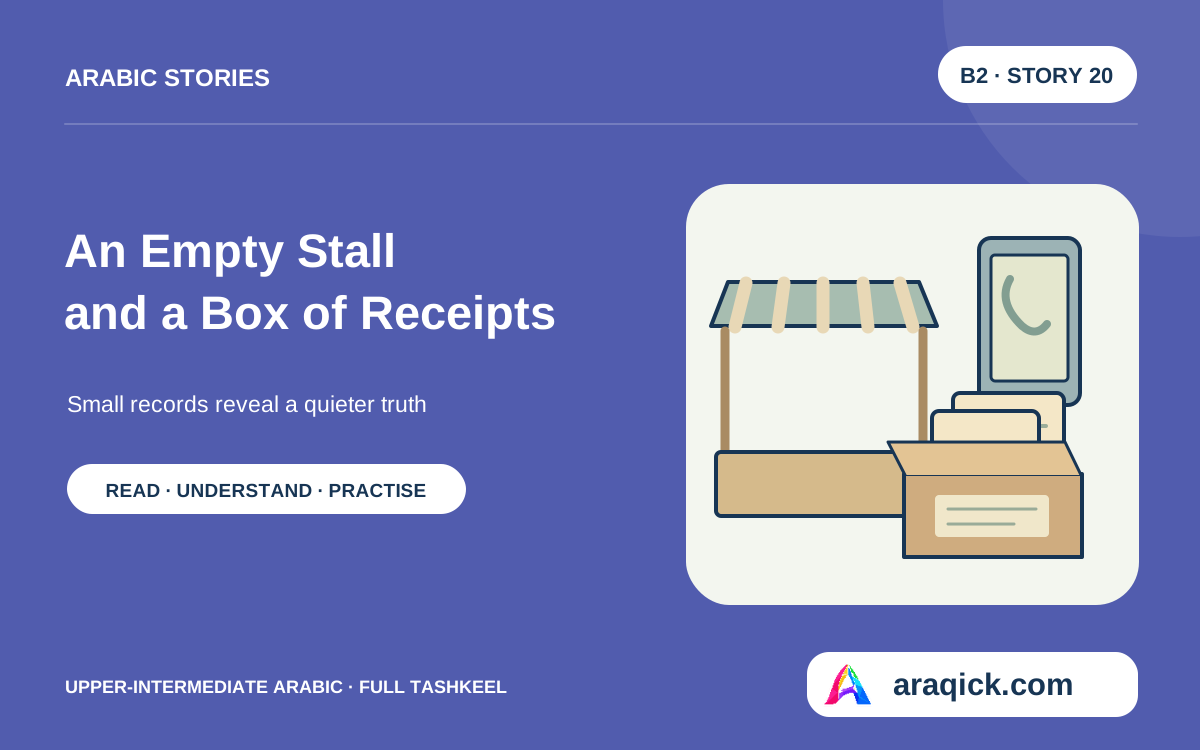
An empty market stall invites an easy explanation. Old receipts lead a spice trader to a different address, a returned call and a detail his neighbours have overlooked.
01Read the Arabic story
بَسْطَةٌ فَارِغَةٌ وَصُنْدُوقُ إِيصَالَاتٍ
فَتَحْتُ بَسْطَةَ التَّوَابِلِ صَبَاحًا، فَوَجَدْتُ بَسْطَةَ طَارِقٍ الْمُجَاوِرَةَ فَارِغَةً. كَانَ يَبِيعُ الْأَكْيَاسَ وَعُلَبَ التَّغْلِيفِ الَّتِي أَسْتَخْدِمُهَا، وَلَمْ يَغِبْ عَنِ السُّوقِ مُنْذُ سَنَوَاتٍ إِلَّا نَادِرًا. قَالَ بَائِعٌ إِنَّهُ رَحَلَ لَيْلًا بِسَبَبِ دُيُونِهِ، وَأَضَافَ آخَرُ أَنَّهُ أَخْرَجَ بَضَاعَتَهُ عَلَى عَجَلٍ. بَدَا الِاتِّفَاقُ بَيْنَهُمَا مُقْنِعًا، مَعَ أَنَّ أَحَدًا لَمْ يَقُلْ إِنَّهُ تَحَدَّثَ إِلَى طَارِقٍ.
كُنْتُ أَحْتَفِظُ بِإِيصَالَاتِ مُشْتَرَيَاتِي مِنْهُ فِي صُنْدُوقٍ كَرْتُونِيٍّ تَحْتَ الطَّاوِلَةِ. فَتَحْتُهُ لِأَبْحَثَ عَنْ رَقْمِ هَاتِفِهِ، فَلَاحَظْتُ عُنْوَانًا جَدِيدًا مَطْبُوعًا عَلَى آخِرِ إِيصَالٍ. رَجَعْتُ إِلَى الْأَوْرَاقِ الْأَقْدَمِ، فَوَجَدْتُ الْعُنْوَانَ نَفْسَهُ عَلَى إِيصَالٍ مِنْ بِدَايَةِ الشَّهْرِ. وَتَحْتَهُ عِبَارَةٌ صَغِيرَةٌ تَذْكُرُ تَوْصِيلَ الطَّلَبَاتِ إِلَى السُّوقِ كُلَّ جُمُعَةٍ. لَمْ أَنْتَبِهْ إِلَيْهَا عِنْدَ الدَّفْعِ.
لَمْ تُخْبِرْنِي الْأَوْرَاقُ بِسَبَبِ رَحِيلِهِ، لَكِنَّهَا جَعَلَتْ وَصْفَ الْخُطْوَةِ بِأَنَّهَا مُفَاجِئَةٌ أَقَلَّ إِقْنَاعًا. اتَّصَلْتُ بِالرَّقْمِ الْقَدِيمِ، فَلَمْ يُجِبْ. كِدْتُ أَعْتَبِرُ الصَّمْتَ دَلِيلًا عَلَى صِحَّةِ كَلَامِ الْبَاعَةِ، ثُمَّ تَرَكْتُ رِسَالَةً أَسْأَلُ فِيهَا عَنْ طَلَبِي الْمُقْبِلِ. بَعْدَ الظُّهْرِ، اتَّصَلَ طَارِقٌ وَاعْتَذَرَ؛ كَانَ يُرَتِّبُ الرُّفُوفَ فِي مَخْزَنٍ صَغِيرٍ خَلْفَ بَيْتِهِ.
قَالَ إِنَّ وَالِدَهُ أَصْبَحَ يَحْتَاجُ إِلَى مُسَاعَدَتِهِ فِي شُؤُونِ الْبَيْتِ، فَنَقَلَ الْعَمَلَ لِيَبْقَى قَرِيبًا مِنْهُ. وَكَانَتْ مَوَاعِيدُ التَّوْصِيلِ الْأُسْبُوعِيَّةِ تُنَاسِبُ أَغْلَبَ زَبَائِنِهِ. سَأَلْتُهُ لِمَاذَا لَمْ يُعْلِنْ ذَلِكَ، فَقَالَ إِنَّهُ ظَنَّ أَنَّ الْعُنْوَانَ الْجَدِيدَ كَافٍ، وَلَمْ يُرِدْ أَنْ يَشْرَحَ ظُرُوفَ أُسْرَتِهِ لِلْجَمِيعِ. اسْتَأْذَنْتُهُ فِي نَشْرِ مَعْلُومَاتِ الطَّلَبِ، فَوَافَقَ وَأَرْسَلَ لِي قَائِمَةَ الْأَسْعَارِ.
يَوْمَ الْجُمُعَةِ، وَصَلَتْ عُلَبِي فِي مَوْعِدِهَا، فَوَضَعْتُ قَائِمَةَ الْأَسْعَارِ بِجَانِبِ الْمِيزَانِ. عِنْدَمَا عَادَ الْحَدِيثُ عَنْ رَحِيلِ طَارِقٍ، شَرَحْتُ أَنَّهُ يَعْمَلُ مِنْ مَكَانٍ جَدِيدٍ وَيَسْتَقْبِلُ الطَّلَبَاتِ. سَأَلَنِي الْبَائِعُ عَنْ سَبَبِ اخْتِيَارِ ذَلِكَ الْمَكَانِ، فَأَعْطَيْتُهُ الرَّقْمَ وَعُدْتُ إِلَى وَزْنِ التَّوَابِلِ. بَقِيَتِ الْبَسْطَةُ فَارِغَةً، لَكِنَّ عُلَبَ طَارِقٍ كَانَتْ تَنْتَقِلُ مِنْ طَاوِلَتِي إِلَى حَقَائِبِ الزَّبَائِنِ.
Show English translationHide English translation
I opened my spice stall one morning and found Tariq’s neighbouring stall empty. He sold the bags and packaging boxes I used, and for years he had rarely missed a day at the market. One trader said he had left during the night because of his debts; another added that he had removed his stock in a hurry. Their agreement seemed convincing, although nobody said they had spoken to Tariq.
I kept my purchase receipts from him in a cardboard box under the table. I opened it to find his telephone number and noticed a new address printed on the latest receipt. Looking back through older papers, I found the same address on a receipt from the beginning of the month. Beneath it, a small line mentioned deliveries to the market every Friday. I had not noticed it when paying.
The papers did not tell me why he had left, but they made describing the move as sudden less convincing. I called the old number and received no answer. I almost treated the silence as evidence that the traders were right, then left a message asking about my next order. That afternoon, Tariq called and apologised; he had been arranging shelves in a small storeroom behind his house.
He said his father now needed his help with household matters, so he had moved the business to stay nearby. Weekly deliveries suited most of his customers. I asked why he had not announced this. He said he had thought the new address was enough and had not wanted to explain his family’s circumstances to everyone. I asked permission to share the ordering information; he agreed and sent me a price list.
On Friday, my boxes arrived on time, so I placed the price list beside the scales. When talk returned to Tariq’s departure, I explained that he was working from a new location and taking orders. The trader asked why he had chosen that place; I gave him the number and returned to weighing spices. The stall remained empty, but Tariq’s boxes were moving from my table into customers’ bags.
02Useful words from the story
| Arabic in the story | Meaning here |
|---|---|
| بَسْطَةَ التَّوَابِلِ | the spice stall |
| وَعُلَبَ التَّغْلِيفِ | and packaging boxes |
| دُيُونِهِ | his debts |
| عَلَى عَجَلٍ | in a hurry |
| بِإِيصَالَاتِ مُشْتَرَيَاتِي | my purchase receipts |
| صُنْدُوقٍ كَرْتُونِيٍّ | a cardboard box |
| أَقَلَّ إِقْنَاعًا | less convincing |
| الرُّفُوفَ | the shelves |
| ظُرُوفَ أُسْرَتِهِ | his family’s circumstances |
| قَائِمَةَ الْأَسْعَارِ | the price list |
03Check your understanding
Choose one answer for each question. Use the Arabic text to distinguish facts, motives and supported inferences. Open the English support when needed.
What to remember
- An older printed address weakens the claim of a sudden move, but the receipts cannot explain the family’s circumstances.
- The final delivery confirms continuing trade, while the narrator keeps personal details separate from ordering information.
Explore the Arabic in this story
Related grammar and vocabularyOpen Araqick guides connected to this story.
Lam in Arabic: How to Say “Did Not”
لَمْ أَنْتَبِهْ إِلَيْهَا عِنْدَ الدَّفْعِ
Notice how lam with a jussive verb describes a detail the narrator missed earlier.
Lakinna and Lakin in Arabic: Two Patterns for But
لَكِنَّهَا جَعَلَتْ وَصْفَ الْخُطْوَةِ بِأَنَّهَا مُفَاجِئَةٌ أَقَلَّ إِقْنَاعًا
Follow lakinnaha as it contrasts the limits of the receipts with what they do suggest.