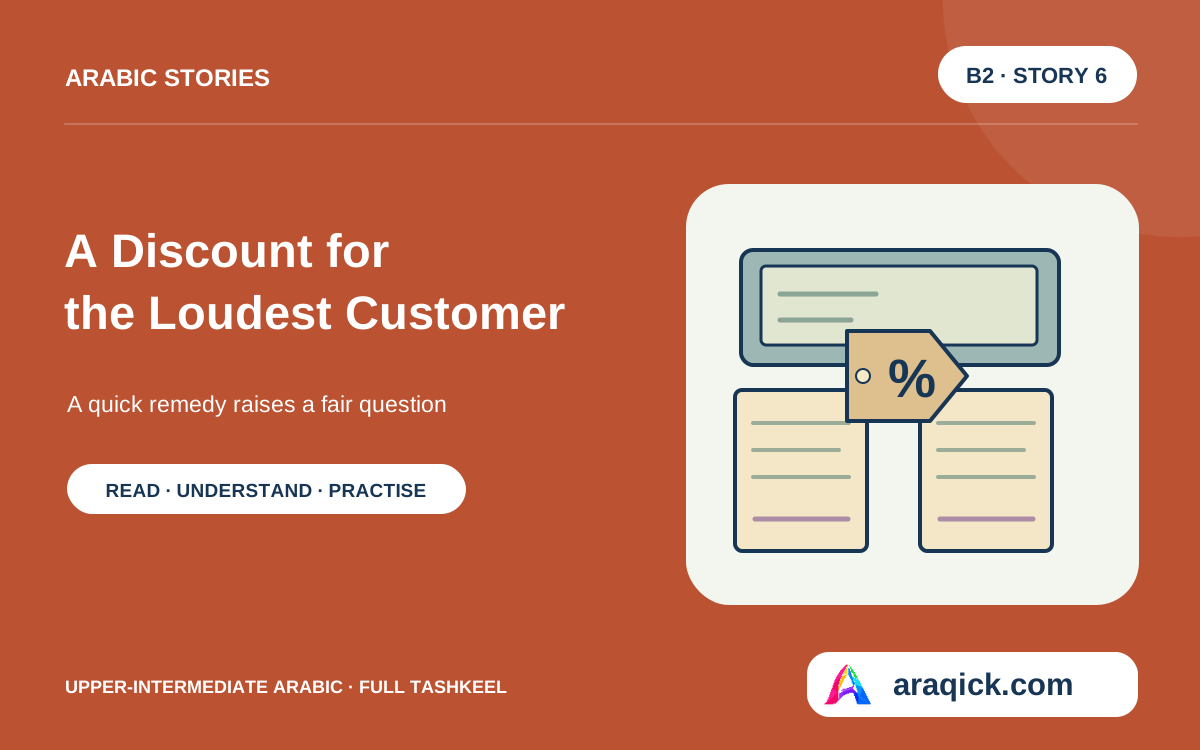
A manager ends a noisy complaint with a discount. A quiet customer’s receipt reveals why the same decision looks unfair from the other side of the counter.
01Read the Arabic story
خَصْمٌ لِلزَّبُونِ الْأَعْلَى صَوْتًا
كُنْتُ أَعْمَلُ عِنْدَ صُنْدُوقِ الْمُحَاسَبَةِ حِينَ رَفَعَ زَبُونٌ صَوْتَهُ بِسَبَبِ سِعْرِ غَلَّايَةٍ. كَانَتْ بِطَاقَةٌ عَلَى الرَّفِّ تَعْرِضُ خَصْمًا انْتَهَى فِي الْيَوْمِ السَّابِقِ، وَلَمْ نُزِلْهَا. أَرَادَ الْمُدِيرُ إِنْهَاءَ الْجِدَالِ سَرِيعًا، فَمَنَحَهُ الْخَصْمَ. شَكَرَهُ الرَّجُلُ وَخَرَجَ، فَتَنَفَّسَ الْمُدِيرُ بِارْتِيَاحٍ وَعَادَ إِلَى مَكْتَبِهِ. بَدَا لَهُ أَنَّ الْمُشْكِلَةَ انْتَهَتْ مَعَ إِغْلَاقِ الْبَابِ خَلْفَهُ.
كَانَتْ سَيِّدَةٌ تَنْتَظِرُ دَوْرَهَا وَفِي يَدِهَا إِيصَالُ غَلَّايَةٍ مُمَاثِلَةٍ اشْتَرَتْهَا صَبَاحًا. سَأَلَتْ بِهُدُوءٍ إِنْ كَانَ عَلَيْهَا أَنْ تَصْرُخَ لِتَحْصُلَ عَلَى السِّعْرِ نَفْسِهِ. كُنْتُ قَدْ أَخْبَرْتُهَا عِنْدَ الشِّرَاءِ أَنَّ الْعَرْضَ انْتَهَى، فَدَفَعَتْ دُونَ اعْتِرَاضٍ. شَعَرْتُ بِالْحَرَجِ، لِأَنَّ إِجَابَتِي بَدَتْ أَشَدَّ صَرَامَةً مِنْ إِجَابَةِ الْمُدِيرِ، مَعَ أَنَّنَا كُنَّا نَتَحَدَّثُ عَنْ الْبِطَاقَةِ نَفْسِهَا.
اسْتَدْعَيْتُ الْمُدِيرَ، فَقَالَ إِنَّ الْخَصْمَ كَانَ اسْتِثْنَاءً لِتَهْدِئَةِ الْمَوْقِفِ. سَأَلَتْهُ السَّيِّدَةُ عَنْ سَبَبِ تَحَمُّلِ الزَّبُونِ الْهَادِئِ ثَمَنَ هُدُوئِهِ. قُلْتُ إِنَّ زَمِيلَيْنِ رَفَضَا طَلَبَيْنِ مُشَابِهَيْنِ فِي الصَّبَاحِ لِأَنَّهُمَا اتَّبَعَا التَّعْلِيمَاتِ. لَمْ يَرْتَفِعْ أَيُّ صَوْتٍ عِنْدَهُمَا، لَكِنَّ ذَلِكَ لَا يَعْنِي أَنَّ زَبَائِنَهُمَا خَرَجُوا رَاضِينَ. نَظَرَ الْمُدِيرُ إِلَى الْبِطَاقَةِ الَّتِي أَحْضَرْتُهَا مِنَ الرَّفِّ.
أَعَادَ إِلَى السَّيِّدَةِ فَرْقَ السِّعْرِ، ثُمَّ أَعْلَنَ أَنَّ الْخَصْمَ يَشْمَلُ مَنْ اشْتَرَى الْغَلَّايَةَ أَثْنَاءَ بَقَاءِ الْبِطَاقَةِ. وَضَعْنَا إِعْلَانًا عِنْدَ الْمَدْخَلِ وَعَلَى صَفْحَةِ الْمَتْجَرِ، وَطَلَبْنَا إِيصَالَ الشِّرَاءِ لِلتَّحَقُّقِ مِنَ الْوَقْتِ. لَمْ يَكُنِ الْحَلُّ بِلَا تَكْلِفَةٍ؛ اسْتَغْرَقَتْ مُرَاجَعَةُ الْإِيصَالَاتِ وَقْتًا، وَانْتَظَرَ زَبَائِنُ آخَرُونَ أَطْوَلَ. قَالَ أَحَدُهُمْ إِنَّهُ فَقَدَ إِيصَالَهُ، فَبَحَثْنَا عَنْ عَمَلِيَّتِهِ فِي السِّجِلِّ.
عِنْدَ الْإِغْلَاقِ، رَاجَعْنَا بَطَاقَاتِ الرُّفُوفِ، وَاتَّفَقْنَا عَلَى قَاعِدَةٍ مَكْتُوبَةٍ لِلْأَسْعَارِ الْمُخْتَلِفَةِ. كَانَ الْمُدِيرُ يُرِيدُ إِرْضَاءَ الزَّبُونِ، لَكِنَّهُ أَقَرَّ بِأَنَّ الْقَرَارَ السَّرِيعَ تَرَكَ لَنَا عَمَلًا إِضَافِيًّا. وَفِي الْيَوْمِ التَّالِي، احْتَجَّ رَجُلٌ عَلَى سِعْرٍ وَاضِحٍ دُونَ خَطَإٍ. قَرَأَ الْمُدِيرُ الْقَاعِدَةَ مَعَهُ وَلَمْ يَمْنَحْهُ خَصْمًا. غَادَرَ غَاضِبًا، وَبَقِيَتِ الْقَاعِدَةُ أَمَامَنَا عَلَى الطَّاوِلَةِ.
Show English translationHide English translation
I was working at the checkout when a customer raised his voice over the price of a kettle. A shelf label showed a discount that had ended the previous day, and we had not removed it. The manager wanted to end the argument quickly, so he gave him the discount. The man thanked him and left, and the manager breathed a sigh of relief and returned to his office. To him, the problem seemed to end when the door closed behind the customer.
A woman was waiting her turn, holding the receipt for an identical kettle she had bought that morning. She calmly asked whether she had to shout to get the same price. I had told her when she bought it that the offer had ended, and she had paid without objecting. I felt embarrassed because my answer seemed stricter than the manager’s, although we had been discussing the same label.
I called the manager, who said the discount had been an exception to calm the situation. The woman asked why a quiet customer should pay the price for staying calm. I said that two colleagues had refused two similar requests that morning because they followed the instructions. No voices had been raised at their checkouts, but that did not mean their customers had left satisfied. The manager looked at the label I had brought from the shelf.
He refunded the woman the price difference, then announced that the discount covered anyone who had bought the kettle while the label remained displayed. We put a notice at the entrance and on the shop’s page, and asked for purchase receipts to check the time. The solution was not without cost: reviewing receipts took time, and other customers waited longer. One said he had lost his receipt, so we searched for his transaction in the record.
At closing time, we checked the shelf labels and agreed on a written rule for price discrepancies. The manager had wanted to satisfy the customer, but acknowledged that the quick decision had left us extra work. The next day, a man objected to a clearly displayed price with no error. The manager read the rule with him and gave him no discount. He left angry, and the rule remained in front of us on the counter.
02Useful words from the story
| Arabic in the story | Meaning here |
|---|---|
| غَلَّايَةٍ | a kettle |
| خَصْمًا | a discount |
| بِارْتِيَاحٍ | with relief |
| إِيصَالُ | receipt |
| بِالْحَرَجِ | embarrassed |
| صَرَامَةً | strictness |
| اسْتِثْنَاءً | an exception |
| لِتَهْدِئَةِ | to calm |
| لِلتَّحَقُّقِ | to check; verify |
| أَقَرَّ | acknowledged |
03Check your understanding
Choose one answer for each question. Use details from the story to compare viewpoints and support your inferences. Open the English support if needed.
What to remember
- Resolving the loudest complaint can create unfairness for people who followed the same instructions quietly.
- A consistent remedy may cost time and money, and a clear rule will not satisfy every customer.
Explore the Arabic in this story
Related grammar and vocabularyOpen Araqick guides connected to this story.
Purpose Li in Arabic: How to Say “In Order To”
لِتَحْصُلَ عَلَى السِّعْرِ نَفْسِهِ
Compare the woman’s purpose verb with the action noun in the manager’s explanation.
Lakinna and Lakin in Arabic: Two Patterns for But
لَكِنَّهُ أَقَرَّ بِأَنَّ الْقَرَارَ السَّرِيعَ تَرَكَ لَنَا عَمَلًا إِضَافِيًّا
Follow the qualification that complicates the manager’s intention to please one customer.