Omar asks Khalid to listen before offering solutions, then requests advice on one specific step.
01Read the Arabic conversation
طَلَبُ الِاسْتِمَاعِ بَدَلًا مِنَ النَّصِيحَةِ
عُمَرُ: خَرَجْتُ مِنَ الِاجْتِمَاعِ مُنْزَعِجًا. قَاطَعَنِي الْمُدِيرُ قَبْلَ أَنْ أُكْمِلَ عَرْضَ فِكْرَتِي.
خَالِدٌ: قُلْتُ لَكَ مِنْ قَبْلُ: اِبْحَثْ عَنْ وَظِيفَةٍ أُخْرَى. أَرْسِلْ سِيرَتَكَ الْيَوْمَ، فَالْبَقَاءُ فِي هَذَا الْمَكَانِ لَنْ يُفِيدَكَ.
عُمَرُ: أَعْرِفُ أَنَّكَ تُرِيدُ مُسَاعَدَتِي، لَكِنَّنِي لَمْ أَطْلُبْ حَلًّا الْآنَ. أَحْتَاجُ إِلَى الْحَكْيِ أَوَّلًا.
خَالِدٌ: أَفْهَمُ، وَلَكِنَّكَ تَشْكُو مِنَ الِاجْتِمَاعَاتِ كَثِيرًا. أَشْعُرُ أَنَّ الِاسْتِمَاعَ وَحْدَهُ لَا يُغَيِّرُ شَيْئًا.
عُمَرُ: قَدْ أَحْتَاجُ إِلَى تَغْيِيرٍ، لَكِنَّ تَكْرَارَ النَّصِيحَةِ يَجْعَلُنِي أَشْعُرُ أَنَّكَ لَا تَسْمَعُ تَفَاصِيلَ الْمَوْقِفِ الْجَدِيدِ.
خَالِدٌ: لَمْ أَقْصِدْ تَجَاهُلَكَ. ظَنَنْتُ أَنَّ اقْتِرَاحَ خُطْوَةٍ وَاضِحَةٍ أَكْثَرُ فَائِدَةً مِنْ مُجَرَّدِ الْقَوْلِ إِنَّنِي أَتَفَهَّمُ شُعُورَكَ.
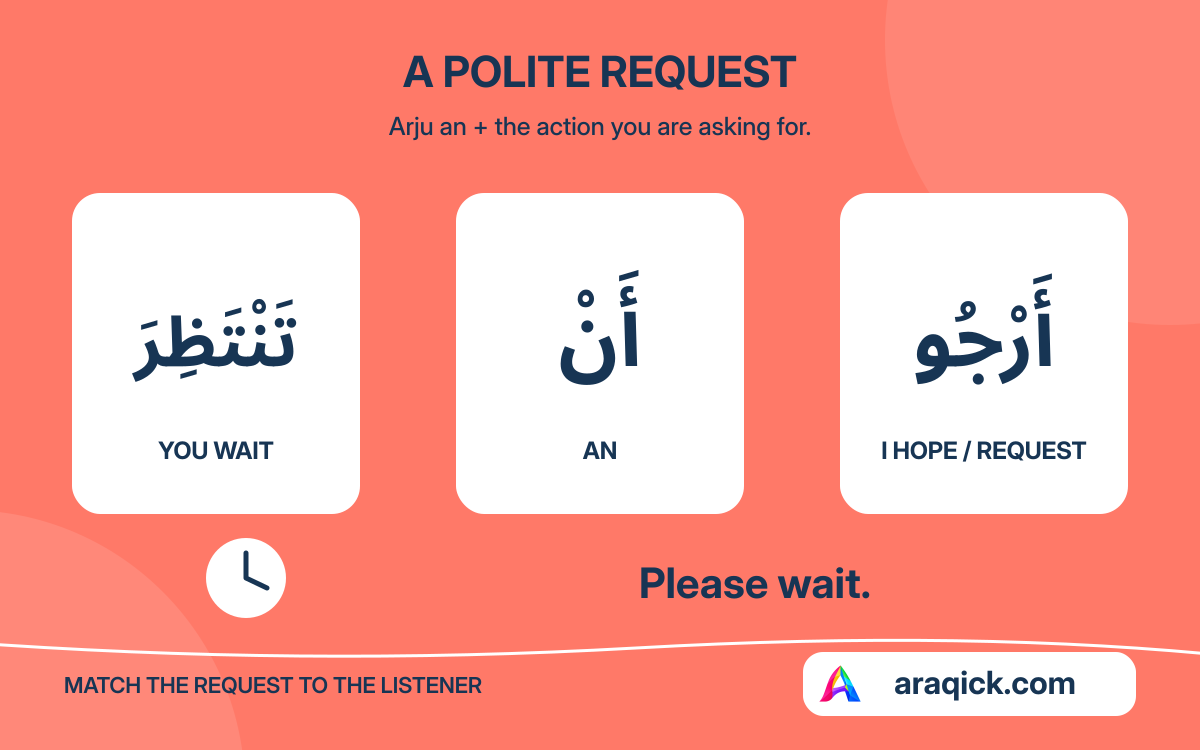
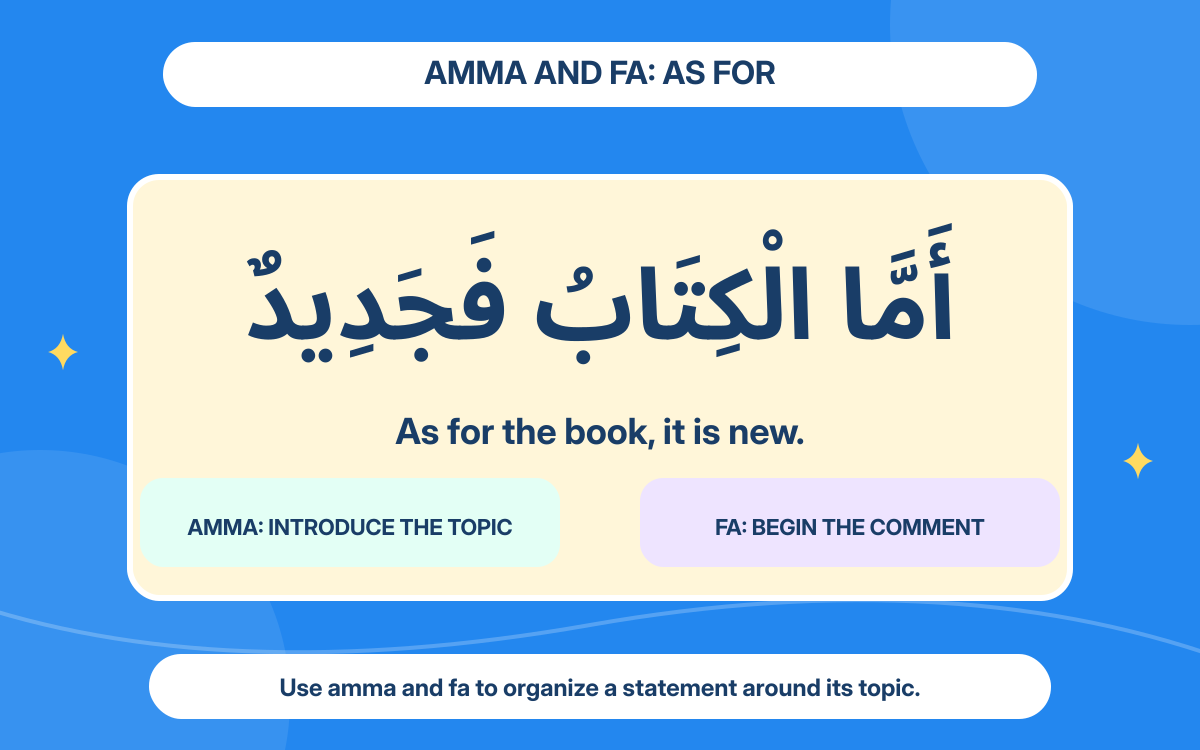
عُمَرُ: أُقَدِّرُ نِيَّتَكَ. أَمَّا مَا أَحْتَاجُهُ الْآنَ فَهُوَ بَضْعُ دَقَائِقَ دُونَ حُلُولٍ. أَرْجُو أَنْ تَسْمَعَ الْقِصَّةَ إِلَى نِهَايَتِهَا.
خَالِدٌ: حَسَنًا. هَلْ تُرِيدُنِي أَنْ أَسْأَلَ لِأَفْهَمَ، أَمْ تُفَضِّلُ أَنْ تَتَحَدَّثَ دُونَ أَيِّ مُقَاطَعَةٍ فِي الْبِدَايَةِ؟
عُمَرُ: يُمْكِنُكَ أَنْ تَسْأَلَ عَنِ التَّفَاصِيلِ. مَا يُتْعِبُنِي هُوَ أَنْ نَنْتَقِلَ إِلَى قَرَارِ الِاسْتِقَالَةِ قَبْلَ أَنْ أَنْتَهِيَ.
خَالِدٌ: مَا الَّذِي أَزْعَجَكَ أَكْثَرَ: مُقَاطَعَتُهُ لَكَ، أَمْ رَفْضُهُ الْفِكْرَةَ؟ أُرِيدُ أَنْ أَفْهَمَ.
عُمَرُ: الْمُقَاطَعَةُ أَمَامَ الزُّمَلَاءِ. هُوَ لَمْ يَرْفُضِ الْفِكْرَةَ صَرَاحَةً، بَلْ قَالَ إِنَّ الْوَقْتَ انْتَهَى، ثُمَّ انْتَقَلَ إِلَى مَوْضُوعٍ آخَرَ.
خَالِدٌ: إِذَنْ أَنْتَ مُنْزَعِجٌ مِنَ الطَّرِيقَةِ، وَلَمْ يَتَّضِحْ رَأْيُهُ فِي الْفِكْرَةِ بَعْدُ. هَلْ فَهِمْتُكَ بِشَكْلٍ صَحِيحٍ؟
عُمَرُ: نَعَمْ، وَهَذَا التَّمْيِيزُ يُسَاعِدُنِي. كُنْتُ أَخْلِطُ بَيْنَ شُعُورِي بِالْإِحْرَاجِ وَاسْتِنْتَاجِي أَنَّ الْمُدِيرَ لَا يَرَى أَيَّ قِيمَةٍ لِعَمَلِي.
خَالِدٌ: أَسْتَطِيعُ تَفَهُّمَ الْإِحْرَاجِ دُونَ أَنْ أَجْزِمَ بِنِيَّتِهِ. وَيَبْدُو أَنَّنِي تَسَرَّعْتُ أَنَا أَيْضًا حِينَ نَصَحْتُكَ بِالرَّحِيلِ.
عُمَرُ: شُكْرًا. الْآنَ أُرِيدُ رَأْيَكَ فِي خُطْوَةٍ مُحَدَّدَةٍ: هَلْ أَطْلُبُ خَمْسَ دَقَائِقَ لِشَرْحِ الْفِكْرَةِ عَلَى انْفِرَادٍ؟
خَالِدٌ: أَرَى أَنَّ ذَلِكَ مُنَاسِبٌ. يُمْكِنُ أَنْ تَكْتُبَ رِسَالَةً قَصِيرَةً تَطْلُبُ فِيهَا الْوَقْتَ، دُونَ افْتِرَاضِ أَنَّهُ رَفَضَ الْفِكْرَةَ.
عُمَرُ: سَأَكْتُبُهَا بَعْدَ أَنْ أَهْدَأَ. لَا أُرِيدُ أَنْ تَخْتَلِطَ طَرِيقَةُ عَرْضِ طَلَبِي بِغَضَبِي مِنَ الْمَوْقِفِ.
خَالِدٌ: وَإِذَا طَلَبْتَ رَأْيِي فِي الرِّسَالَةِ أُرَاجِعُهَا مَعَكَ. لَنْ أَفْتَرِضَ أَنَّكَ تُرِيدُ صِيَاغَتَهَا مِنِّي.
عُمَرُ: هَذَا يُنَاسِبُنِي. وَلَا أَطْلُبُ مِنْكَ أَنْ تُوَافِقَنِي دَائِمًا؛ يُمْكِنُكَ مُخَالَفَتِي بَعْدَ فَهْمِي.
خَالِدٌ: وَيُمْكِنُكَ أَنْ تُوَضِّحَ مُنْذُ الْبِدَايَةِ هَلْ تُرِيدُ الِاسْتِمَاعَ أَمِ الْمَشُورَةَ، حَتَّى أَدْعَمَكَ بِالطَّرِيقَةِ الْمَطْلُوبَةِ.
عُمَرُ: سَأَفْعَلُ. وَيُمْكِنُ أَنْ يَتَغَيَّرَ مَا أَحْتَاجُهُ أَثْنَاءَ الْحَدِيثِ؛ الْيَوْمَ بَدَأْتُ بِالْحَكْيِ، ثُمَّ طَلَبْتُ رَأْيَكَ.
خَالِدٌ: اِتَّفَقْنَا. سَأَسْأَلُ قَبْلَ تَقْدِيمِ الْحُلُولِ، وَنَتْرُكُ لَكَ اخْتِيَارَ الْخُطْوَةِ. الْمُسَاعَدَةُ لَا تَعْنِي أَنْ أَتَّخِذَ الْقَرَارَ عَنْكَ.
Show English translationHide English translation
Omar: I left the meeting upset. The manager interrupted before I finished presenting my idea.
Khalid: As I said before, look for another job. Send your CV today; staying there will not help you.
Omar: I know you want to help, but I have not requested a solution. I need to tell the story first.
Khalid: I understand, but you often complain about meetings. I feel listening alone changes nothing.
Omar: I may need a change, but repeating the advice makes me feel you are not hearing this situation’s details.
Khalid: I did not mean to ignore you. I thought suggesting a clear step was more helpful than simply saying I understand.
Omar: I appreciate your intention. What I need now is a few minutes without solutions. Please hear the whole story.
Khalid: All right. Should I ask questions to understand, or would you prefer to speak uninterrupted at first?
Omar: You can ask about details. What troubles me is jumping to resignation before I have finished.
Khalid: What upset you more: his interruption or rejection of the idea? I want to understand.
Omar: The interruption in front of colleagues. He did not explicitly reject the idea; he said time was up, then changed topics.
Khalid: So the manner upset you, while his view of the idea remains unclear. Have I understood correctly?
Omar: Yes, that distinction helps. I was mixing embarrassment with my conclusion that the manager sees no value in my work.
Khalid: I can understand the embarrassment without claiming to know his intention. It seems I also rushed into advising you to leave.
Omar: Thank you. Now I want your view on one step: should I ask for five minutes to explain the idea privately?
Khalid: That seems suitable. You could write a short message requesting time, without assuming he rejected the idea.
Omar: I will write after calming down. I do not want my anger about the situation mixed into how I make the request.
Khalid: If you ask my opinion on the message, I will review it with you, without assuming you want me to write it.
Omar: That suits me. I do not ask for constant agreement; you can disagree after understanding me.
Khalid: You can clarify first whether you want listening or advice, so I can offer the support you need.
Omar: I will. Needs can change during a conversation; today I started with the story, then asked your view.
Khalid: Agreed. I will ask before offering solutions and leave the choice to you. Helping does not mean deciding for you.
02Useful words and expressions
| Arabic in the conversation | Meaning here |
|---|---|
| قَاطَعَنِي | he interrupted me |
| سِيرَتَكَ | your CV |
| تَكْرَارَ النَّصِيحَةِ | repeating advice |
| دُونَ أَيِّ مُقَاطَعَةٍ | without any interruption |
| الِاسْتِقَالَةِ | resignation |
| صَرَاحَةً | explicitly |
| التَّمْيِيزُ | the distinction |
| أَجْزِمَ بِنِيَّتِهِ | claim certainty about his intention |
| عَلَى انْفِرَادٍ | privately |
| الْمَشُورَةَ | advice; counsel |
03Check your understanding
Choose one answer for each question. Look back at the Arabic conversation for evidence. Open the English question support or a hint when you need help.
What to remember
- Acknowledge good intentions while requesting the support you need.
- Distinguish listening and emotional understanding from agreeing with every inference.
Explore the Arabic in this conversation
Related grammar and vocabularyOpen Araqick guides connected to this conversation.
Polite Requests in Arabic: How to Use Arju An
أَرْجُو أَنْ تَسْمَعَ الْقِصَّةَ إِلَى نِهَايَتِهَا
Make a clear polite request with arju an followed by a subjunctive verb.
Amma and Fa in Arabic: As For This Topic
أَمَّا مَا أَحْتَاجُهُ الْآنَ فَهُوَ بَضْعُ دَقَائِقَ دُونَ حُلُولٍ
Use amma to introduce the current need and fa to attach its explanation.
Idha in Arabic: How to Say When and If
إِذَا طَلَبْتَ رَأْيِي فِي الرِّسَالَةِ أُرَاجِعُهَا مَعَكَ
Make help conditional with idha and a past-form request followed by an indicative result.