Samir explains why Nabil’s friendly joke hurt. They discuss context, public clarification, and boundaries.
01Read the Arabic conversation
مُنَاقَشَةُ مَزْحَةٍ سَبَّبَتِ الْحَرَجَ
سَمِيرٌ: هَلْ نَتَحَدَّثُ عَنْ مَزْحَتِكَ أَمْسِ؟ حِينَ قُلْتَ إِنِّي أَحْتَاجُ إِلَى لَجْنَةٍ لِاخْتِيَارِ الشَّايِ، شَعَرْتُ بِالْحَرَجِ.
نَبِيلٌ: ظَنَنْتُهَا مَزْحَةً خَفِيفَةً بَيْنَنَا، خُصُوصًا أَنَّكَ ضَحِكْتَ. لَمْ أَتَوَقَّعْ أَنْ تَفْهَمَهَا عَلَى أَنَّهَا انْتِقَادٌ.
سَمِيرٌ: ضَحِكْتُ لِأُخْفِيَ حَرَجِي أَمَامَ الْمَجْمُوعَةِ، لَا لِأَنَّنِي وَجَدْتُهَا مُضْحِكَةً. كَانَ بَيْنَهُمْ أَشْخَاصٌ لَا يَعْرِفُونَنِي جَيِّدًا.
نَبِيلٌ: أَفْهَمُ الْفَرْقَ الْآنَ، لَكِنَّ نِيَّتِي كَانَتْ وَدِّيَّةً. كُنْتُ أُشِيرُ إِلَى حَدِيثِنَا السَّابِقِ عَنْ كَثْرَةِ أَنْوَاعِ الشَّايِ.
سَمِيرٌ: لَا أَشُكُّ فِي نِيَّتِكَ، لَكِنَّ السَّامِعِينَ لَمْ يَعْرِفُوا السِّيَاقَ. بَدَوْتُ أَمَامَهُمْ عَاجِزًا عَنْ اتِّخَاذِ قَرَارٍ بَسِيطٍ.
نَبِيلٌ: هَلْ كَانَ سَيَخْتَلِفُ الْأَمْرُ لَوْ قُلْتُهَا وَنَحْنُ وَحْدَنَا؟ أُحَاوِلُ أَنْ أَفْهَمَ مَا الَّذِي أَزْعَجَكَ تَحْدِيدًا.
سَمِيرٌ: رُبَّمَا، فَقَدْ مَزَحْنَا فِي الْمَوْضُوعِ سَابِقًا. لَكِنَّ قَبُولِي مَرَّةً لَا يَعْنِي مُوَافَقَتِي فِي كُلِّ مَوْقِفٍ.
نَبِيلٌ: مَعَكَ حَقٌّ. كُنْتُ أَعْتَبِرُ ضَحِكَكَ الْقَدِيمَ إِذْنًا مُسْتَمِرًّا، وَلَمْ أَنْتَبِهْ إِلَى اخْتِلَافِ الْجُمْهُورِ هَذِهِ الْمَرَّةَ.
سَمِيرٌ: وَأَزْعَجَنِي أَيْضًا أَنَّكَ كَرَّرْتَهَا بَعْدَ أَنْ غَيَّرْتُ الْمَوْضُوعَ. أَرَدْتُ إِنْهَاءَهَا دُونَ إِحْرَاجِكَ أَمَامَ الْآخَرِينَ.
نَبِيلٌ: لَمْ أَفْهَمْ تِلْكَ الْإِشَارَةَ، وَأَعْتَذِرُ عَنْ تَكْرَارِهَا. إِنَّ أَثَرَ الْكَلَامِ مُهِمٌّ، وَلَوْ اخْتَلَفَ عَنِ الْقَصْدِ.
سَمِيرٌ: أُقَدِّرُ اعْتِذَارَكَ. لَا أُرِيدُ إِلْغَاءَ الْمِزَاحِ بَيْنَنَا، بَلْ أُرِيدُ أَلَّا تُصْبِحَ عَادَاتِي مَادَّةً لِلضَّحِكِ أَمَامَ الْجَمِيعِ.
نَبِيلٌ: هَلْ تَرْغَبُ فِي أَنْ أُوَضِّحَ ذَلِكَ لِلْمَجْمُوعَةِ؟ قَدْ تُصَحِّحُ رِسَالَةٌ قَصِيرَةٌ الِانْطِبَاعَ الَّذِي تَرَكْتُهُ.
سَمِيرٌ: نَعَمْ، بِشَرْطِ أَلَّا تَشْرَحَ مَشَاعِرِي نِيَابَةً عَنِّي. يَكْفِي أَنْ تَقُولَ إِنَّ الْمَزْحَةَ لَمْ تَكُنْ وَصْفًا دَقِيقًا لِي.
نَبِيلٌ: سَأَقُولُ إِنِّي بَالَغْتُ، وَإِنَّ تَكْرَارَ الْمَزْحَةِ لَمْ يَكُنْ مُنَاسِبًا. لَنْ أَذْكُرَ تَفَاصِيلَ حَدِيثِنَا الْخَاصِّ.
سَمِيرٌ: هَذَا يُنَاسِبُنِي. وَأُفَضِّلُ أَلَّا تَبْدَأَ بِعِبَارَةِ: إِذَا كُنْتَ قَدْ انْزَعَجْتَ. فَأَنَا أَخْبَرْتُكَ بِوُضُوحٍ أَنَّنِي انْزَعَجْتُ.
نَبِيلٌ: صَحِيحٌ، تِلْكَ الصِّيَاغَةُ تُشَكِّكُ فِي أَمْرٍ أَوْضَحْتَهُ. سَأَتَحَمَّلُ مَسْؤُولِيَّةَ كَلَامِي دُونَ أَنْ أَصِفَكَ بِالْحَسَاسِيَّةِ الزَّائِدَةِ.
سَمِيرٌ: وَفِي الْمَرَّةِ الْقَادِمَةِ سَأَقُولُ بِهُدُوءٍ: لِنُغَيِّرِ الْمَوْضُوعَ. لَا أَتَوَقَّعُ مِنْكَ أَنْ تَقْرَأَ أَفْكَارِي.
نَبِيلٌ: وَسَأَتَوَقَّفُ عِنْدَهَا، بَدَلًا مِنْ مُطَالَبَتِكَ بِتَبْرِيرِ طَلَبِكَ أَمَامَ الْجَمِيعِ. يُمْكِنُنَا السُّؤَالُ عَلَى انْفِرَادٍ لَاحِقًا.
سَمِيرٌ: أُفَضِّلُ هَذَا. لَيْسَ هَدَفِي إِثْبَاتَ أَنَّكَ صَدِيقٌ سَيِّئٌ، بَلْ مَنْعُ تَكْرَارِ مَوْقِفٍ أَضَرَّ بِرَاحَتِي.
نَبِيلٌ: وَأَنَا لَا أُرِيدُ أَنْ يَمْنَعَكَ خَوْفُ الْخِلَافِ مِنْ مُصَارَحَتِي. سَأُرْسِلُ لَكَ نَصَّ الرِّسَالَةِ قَبْلَ نَشْرِهَا.
سَمِيرٌ: شُكْرًا. سَأُرَاجِعُهَا لِنَتَأَكَّدَ مِنْ أَنَّهَا تُصَحِّحُ الِانْطِبَاعَ دُونَ أَنْ تُعِيدَ الْمَزْحَةَ إِلَى وَاجِهَةِ الْحَدِيثِ.
نَبِيلٌ: مُتَّفِقَانِ؛ رِسَالَةٌ مُخْتَصَرَةٌ، ثُمَّ سُلُوكٌ مُخْتَلِفٌ. الِاعْتِذَارُ يَفْقِدُ قِيمَتَهُ إِذَا عُدْتُ إِلَى الْمَزْحَةِ نَفْسِهَا غَدًا.
Show English translationHide English translation
Samir: Can we discuss your joke yesterday? When you said I needed a committee to choose tea, I felt embarrassed.
Nabil: I thought it was friendly teasing, especially since you laughed. I did not expect you to hear criticism.
Samir: I laughed to hide my embarrassment before the group, not because I found it funny. Some barely knew me.
Nabil: I understand now, but meant it warmly, referring to our earlier discussion of tea varieties.
Samir: I do not doubt your intention, but the listeners lacked that context. I seemed unable to make a simple decision.
Nabil: Would being alone have made a difference? I am trying to understand exactly what bothered you.
Samir: Perhaps, since we joked about it before. But accepting it once does not mean agreeing in every situation.
Nabil: You are right. I treated your earlier laughter as continuing permission and missed the different audience this time.
Samir: It also bothered me that you repeated it after I changed the subject. I wanted to end it without embarrassing you.
Nabil: I missed that signal and apologise for repeating it. The effect of words matters, even when it differs from their intention.
Samir: I appreciate your apology. I want us to joke without making my habits everyone’s entertainment.
Nabil: Would you like a clarification to the group? A short message might correct the impression I left.
Samir: Yes, provided you do not explain my feelings for me. Just say the joke was not an accurate description of me.
Nabil: I will say I exaggerated and that repeating the joke was inappropriate. I will not disclose our private conversation.
Samir: That works for me. Please avoid starting with “if you were upset”: I have clearly told you I was.
Nabil: True, that wording questions something you have explained. I will take responsibility without calling you overly sensitive.
Samir: Next time I will calmly say, “Let us change the subject.” I do not expect you to read my mind.
Nabil: I will stop then instead of demanding an explanation in front of everyone. We can ask privately later.
Samir: I prefer that. My aim is not to prove you are a bad friend, but to prevent another uncomfortable situation.
Nabil: I hope fear of disagreement will not prevent honesty. I will send you the message before posting.
Samir: Thanks. I will review it to ensure it corrects the impression without drawing renewed attention to the joke.
Nabil: Agreed: a brief message, then changed behaviour. The apology loses value if I repeat the same joke tomorrow.
02Useful words and expressions
| Arabic in the conversation | Meaning here |
|---|---|
| لَجْنَةٍ | a committee |
| لِأُخْفِيَ حَرَجِي | to hide my embarrassment |
| نِيَّتِي | my intention |
| السِّيَاقَ | the context |
| إِذْنًا مُسْتَمِرًّا | continuing permission |
| تِلْكَ الْإِشَارَةَ | that signal |
| نِيَابَةً عَنِّي | on my behalf |
| الْحَسَاسِيَّةِ الزَّائِدَةِ | excessive sensitivity |
| عَلَى انْفِرَادٍ | in private |
| وَاجِهَةِ الْحَدِيثِ | the focus of conversation |
03Check your understanding
Choose one answer for each question. Look back at the Arabic conversation for evidence. Open the English question support or a hint when you need help.
What to remember
- Distinguish a speaker’s intention from a listener’s experience.
- Agree on clarification without disclosing private feelings.
Explore the Arabic in this conversation
Related grammar and vocabularyOpen Araqick guides connected to this conversation.
Lakinna and Lakin in Arabic: Two Patterns for But
لَكِنَّ السَّامِعِينَ لَمْ يَعْرِفُوا السِّيَاقَ
Introduce a contrasting fact with lakinna and its accusative noun.
Inna in Arabic: Emphasis and Noun Endings
إِنَّ أَثَرَ الْكَلَامِ مُهِمٌّ
Emphasise impact with an accusative noun and nominative predicate after inna.
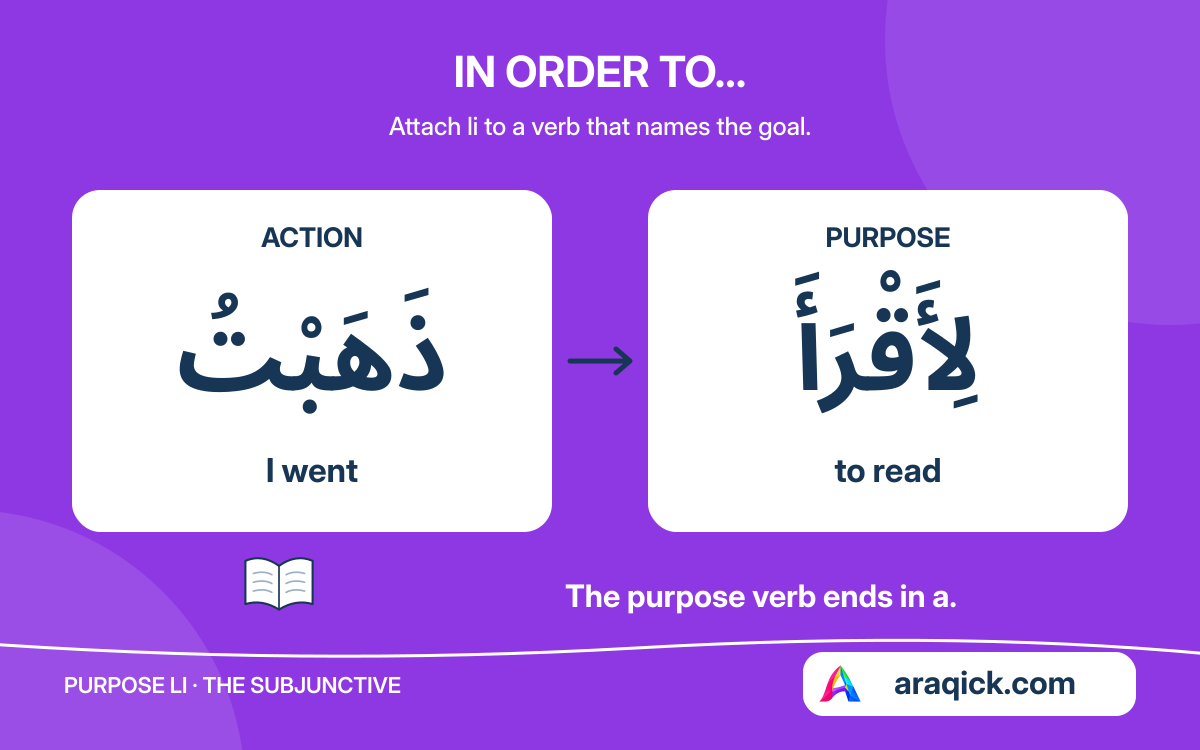
Purpose Li in Arabic: How to Say “In Order To”
لِأُخْفِيَ حَرَجِي
Explain a concealed purpose with li and a subjunctive verb.