Muna rephrases feedback on Huda’s volunteer presentation, clarifying its scope and assumptions.
01Read the Arabic conversation
تَوْضِيحُ النَّقْدِ بَعْدَ كَلِمَاتٍ قَاسِيَةٍ
مُنَى: أُرِيدُ مُرَاجَعَةَ كَلَامِي عَنْ عَرْضِكِ أَمْسِ. قَوْلِي إِنَّهُ مَضْيَعَةٌ لِلْوَقْتِ كَانَ قَاسِيًا وَغَيْرَ دَقِيقٍ.
هُدَى: شَعَرْتُ أَنَّكِ رَفَضْتِ الْعَمَلَ كُلَّهُ، لَا جُزْءًا مِنْهُ. قَضَيْتُ أَيَّامًا فِي جَمْعِ الْمَعْلُومَاتِ لِلْمُتَطَوِّعِينَ الْجُدُدِ.
مُنَى: أَعْرِفُ أَنَّ الْجُهْدَ كَبِيرٌ، لَكِنَّ مُقَدِّمَةَ الْعَرْضِ طَوِيلَةٌ. كُنْتُ أَخْشَى أَنْ تَضِيعَ التَّعْلِيمَاتُ الْمُهِمَّةُ بَيْنَ التَّفَاصِيلِ.
هُدَى: لِمَاذَا لَمْ تَقُولِي ذَلِكَ مُبَاشَرَةً؟ بَعْدَ عِبَارَتِكِ الْأُولَى، لَمْ أَعُدْ قَادِرَةً عَلَى سَمَاعِ بَقِيَّةِ مُلَاحَظَاتِكِ بِهُدُوءٍ.
مُنَى: كُنْتُ مُسْتَعْجِلَةً، وَهَذَا يُفَسِّرُ الْحِدَّةَ وَلَا يُبَرِّرُهَا. أَعْتَذِرُ عَنِ الْعِبَارَةِ، وَأُرِيدُ أَنْ أُعِيدَ صِيَاغَةَ الْمُلَاحَظَةِ.
هُدَى: أَسْتَطِيعُ سَمَاعَهَا الْآنَ. لَكِنْ لَا تُجَامِلِينِي لِإِرْضَائِي؛ أَحْتَاجُ إِلَى مَعْرِفَةِ مَا يَنْفَعُ الْجُمْهُورَ وَمَا يُرْبِكُهُ.
مُنَى: فِي الْمُقَدِّمَةِ ثَلَاثَةُ أَمْثِلَةٍ تَشْرَحُ الْفِكْرَةَ نَفْسَهَا. إِذَا اكْتَفَيْنَا بِمِثَالٍ وَاحِدٍ، وَصَلْنَا إِلَى الْخُطُوَاتِ الْعَمَلِيَّةِ أَسْرَعَ.
هُدَى: اِخْتَرْتُهَا لِأُوَضِّحَ الْفِكْرَةَ لِأَشْخَاصٍ بِخِبْرَاتٍ مُخْتَلِفَةٍ. أَلَا يُؤَدِّي حَذْفُهَا إِلَى غُمُوضٍ لَدَى بَعْضِهِمْ؟
مُنَى: هَذَا اِحْتِمَالٌ وَارِدٌ. لِنَحْتَفِظْ بِالْمِثَالَيْنِ الْآخَرَيْنِ فِي وَرَقَةٍ إِضَافِيَّةٍ، وَنَعْرِضْهُمَا إِذَا ظَهَرَتْ حَاجَةٌ إِلَيْهِمَا.
هُدَى: هَكَذَا لَا نَفْقِدُ الْعَمَلَ الَّذِي أَنْجَزْتُهُ. وَمَاذَا عَنْ شَرْحِ طَرِيقَةِ التَّسْجِيلِ؟ هَلْ كَانَ وَاضِحًا بِمَا يَكْفِي؟
مُنَى: نَعَمْ، شَرْحُ التَّسْجِيلِ وَاضِحٌ، وَتَسْلِسُلُ خُطُوَاتِهِ مُفِيدٌ. هَذَا تَقْيِيمٌ لِجُزْءٍ مُحَدَّدٍ، لَا مُجَامَلَةٌ لِتَعْوِيضِ كَلَامِي الْأَوَّلِ.
هُدَى: إِذَنْ لَا تَقْتَرِحِينَ إِعَادَةَ الْعَرْضِ مِنَ الْبِدَايَةِ؟ كُنْتُ قَدْ فَهِمْتُ أَنَّ الْمَادَّةَ كُلَّهَا غَيْرُ صَالِحَةٍ.
مُنَى: لَا، أَقْتَرِحُ تَقْصِيرَ الْمُقَدِّمَةِ وَتَقْدِيمَ الْخُطُوَاتِ أَبْكَرَ. إِنَّ الْمَادَّةَ مُفِيدَةٌ، وَالْمُشْكِلَةُ فِي تَرْتِيبِهَا وَحَجْمِ الْمُقَدِّمَةِ.
هُدَى: الْفَرْقُ كَبِيرٌ بَيْنَ هَذَا وَبَيْنَ وَصْفِ الْعَرْضِ بِأَنَّهُ مَضْيَعَةٌ. الْمُلَاحَظَةُ الْمُحَدَّدَةُ تَمْنَحُنِي شَيْئًا أَسْتَطِيعُ تَعْدِيلَهُ.
مُنَى: أُوَافِقُكِ. وَمَعَ ذَلِكَ، فَاقْتِرَاحِي لَيْسَ حُكْمًا نِهَائِيًّا؛ أَنَا أَعْرِفُ الْمَشْرُوعَ، وَقَدْ أُقَلِّلُ مِنْ حَاجَةِ الْمُبْتَدِئِينَ لِلشَّرْحِ.
هُدَى: هَلْ نَعْرِضُ النُّسْخَةَ الْمُخْتَصَرَةَ عَلَى مُتَطَوِّعَتَيْنِ جَدِيدَتَيْنِ؟ نَسْأَلُهُمَا عَنِ الْخُطْوَةِ الْأُولَى بَعْدَ سَمَاعِ الشَّرْحِ.
مُنَى: فِكْرَةٌ جَيِّدَةٌ، وَنَسْأَلُ عَمَّا بَقِيَ غَامِضًا أَيْضًا. السُّؤَالُ عَنْ إِعْجَابِهِمَا وَحْدَهُ لَا يَكْشِفُ مَدَى الْفَهْمِ.
هُدَى: سَأُعِدُّ النُّسْخَةَ مَسَاءً، وَيُمْكِنُكِ مُرَاجَعَةُ تَسْلِسُلِهَا. أُفَضِّلُ أَنْ تَكْتُبِي مُلَاحَظَاتِكِ قَبْلَ أَنْ نُنَاقِشَهَا.
مُنَى: سَأَرْبِطُ كُلَّ مُلَاحَظَةٍ بِمِثَالٍ مِنَ الْعَرْضِ، وَأُوَضِّحُ أَثَرَهُ الْمُحْتَمَلَ عَلَى الْجُمْهُورِ، ثُمَّ أَقْتَرِحُ تَعْدِيلًا.
هُدَى: وَأَنَا سَأَسْأَلُ عَنْ مَقْصُودِكِ إِذَا بَدَا لِي الْكَلَامُ عَامًّا. لَا أُرِيدُ أَنْ نَبْنِيَ الْخِلَافَ عَلَى التَّخْمِينِ.
مُنَى: شُكْرًا لِإِعْطَائِي فُرْصَةً لِلتَّوْضِيحِ. سَأَكُونُ مُبَاشِرَةً بِشَأْنِ الْمُشْكِلَةِ، وَأَكْثَرَ دِقَّةً فِي اخْتِيَارِ الْكَلِمَاتِ.
هُدَى: هَذَا مَا أَحْتَاجُ إِلَيْهِ: نَقْدٌ أَسْتَفِيدُ مِنْهُ، لَا مَدْحٌ دَائِمٌ وَلَا عِبَارَاتٌ تَحْجُبُ الْفِكْرَةَ الْمُفِيدَةَ.
Show English translationHide English translation
Muna: Let me revisit yesterday’s feedback. Calling your presentation a waste of time was harsh and inaccurate.
Huda: I felt you rejected the entire work, not one part. I spent days collecting information for new volunteers.
Muna: I know the effort was substantial, but the introduction is long. I feared important instructions would get lost among details.
Huda: Why not say that directly? Your opening remark prevented me from hearing further comments calmly.
Muna: I was rushed; that explains the harshness without excusing it. I apologise and want to rephrase the comment.
Huda: I can hear it now. But do not flatter me to please me: I need to know what helps or confuses the audience.
Muna: Three introductory examples explain the same point. Keeping one would get us to the practical steps faster.
Huda: I chose them to explain the idea to people with different experience. Would removing them not leave some confused?
Muna: That is possible. Let us keep the other two examples on an extra sheet and show them if needed.
Huda: That preserves the work I did. What about the registration explanation? Was it clear enough?
Muna: Yes, registration is clearly explained and usefully sequenced. That is specific feedback, not flattery to offset my earlier words.
Huda: So you are not proposing a complete rewrite? I had understood that all the material was unusable.
Muna: No, I suggest shortening the introduction and reaching the steps earlier. The material is useful; the issue is ordering and introduction length.
Huda: That is very different from calling the presentation a waste. Specific feedback gives me something I can change.
Muna: I agree. Still, my suggestion is not a final verdict: I know the project and may underestimate beginners’ need for explanation.
Huda: Could we show the shortened version to two new women volunteers and ask them for the first step after hearing it?
Muna: Good idea. We should also ask what remains unclear. Asking only whether they liked it does not reveal understanding.
Huda: I will prepare it tonight for your review of the sequence. Please write comments before our discussion.
Muna: I will link each comment to an example, explain its possible audience impact, then suggest a change.
Huda: I will ask what you mean if the wording seems general. I do not want assumptions to fuel disagreement.
Muna: Thanks for letting me clarify. I will address problems directly with more precise wording.
Huda: That is what I need: useful criticism, neither constant praise nor wording that obscures a helpful point.
02Useful words and expressions
| Arabic in the conversation | Meaning here |
|---|---|
| مَضْيَعَةٌ لِلْوَقْتِ | a waste of time |
| الْحِدَّةَ | harshness |
| يُرْبِكُهُ | confuses it (the audience) |
| اِحْتِمَالٌ وَارِدٌ | a real possibility |
| بِالْمِثَالَيْنِ الْآخَرَيْنِ | the other two examples |
| تَسْلِسُلُ خُطُوَاتِهِ | the sequence of its steps |
| مُجَامَلَةٌ | flattery |
| حُكْمًا نِهَائِيًّا | a final verdict |
| مَدَى الْفَهْمِ | the extent of understanding |
| التَّخْمِينِ | guesswork |
03Check your understanding
Choose one answer for each question. Look back at the Arabic conversation for evidence. Open the English question support or a hint when you need help.
What to remember
- Separate a specific concern from a sweeping judgement.
- Check feedback against the intended audience’s needs.
Explore the Arabic in this conversation
Related grammar and vocabularyOpen Araqick guides connected to this conversation.
Lakinna and Lakin in Arabic: Two Patterns for But
لَكِنَّ مُقَدِّمَةَ الْعَرْضِ طَوِيلَةٌ
Qualify acknowledged effort using lakinna with its accusative noun.
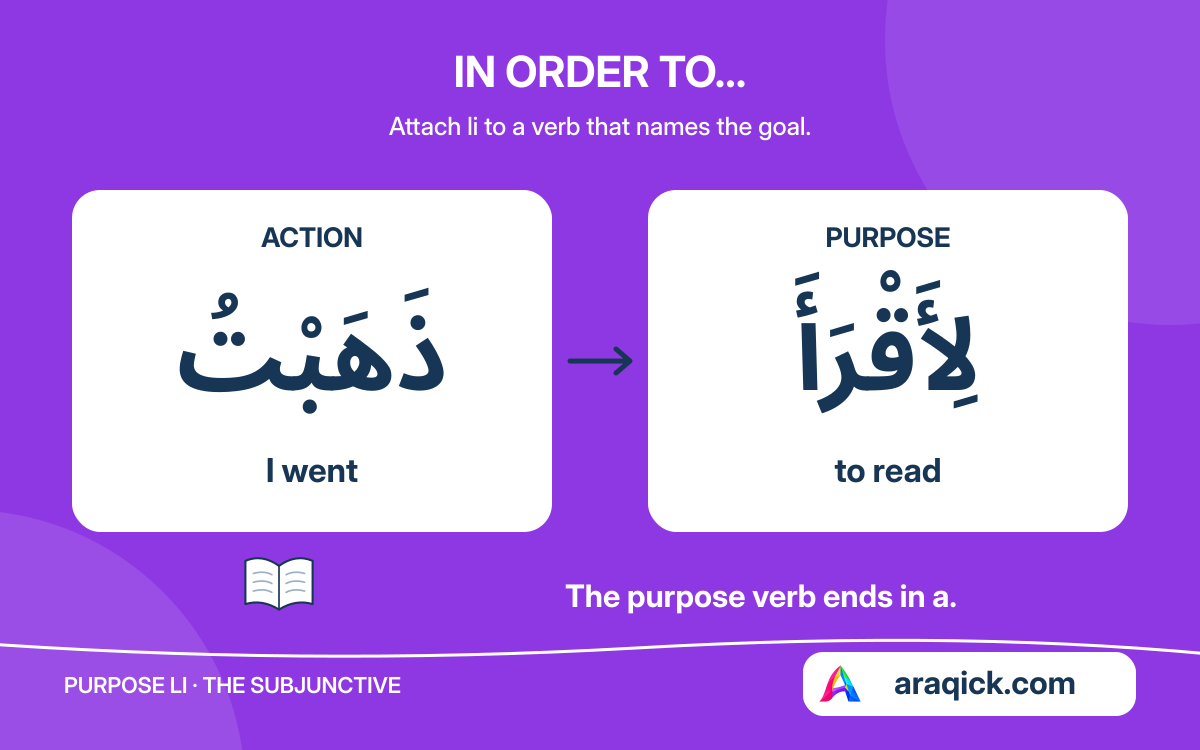
Purpose Li in Arabic: How to Say “In Order To”
لِأُوَضِّحَ الْفِكْرَةَ
Explain a choice through purpose li and a subjunctive verb.
Inna in Arabic: Emphasis and Noun Endings
إِنَّ الْمَادَّةَ مُفِيدَةٌ
Make a positive assessment explicit with inna and a nominative predicate.