Ziyad asks Nadia for extended library hours. They weigh staffing, morning users, and a trial before announcing the schedule.
01Read the Arabic conversation
تَمْدِيدُ سَاعَاتِ فَتْحِ الْمَكْتَبَةِ
زِيَادٌ: تُغْلِقُ الْمَكْتَبَةُ فِي السَّادِسَةِ، وَأَنَا أَنْتَهِي مِنْ عَمَلِي قَبْلَ ذَلِكَ بِقَلِيلٍ. أَتَمَنَّى تَمْدِيدَ سَاعَاتِ الْفَتْحِ.
نَادِيَةُ: وَصَلَتْنَا طَلَبَاتٌ مُشَابِهَةٌ، وَنُدْرِكُ الْحَاجَةَ. لَكِنَّ الْمِيزَانِيَّةَ الْحَالِيَّةَ لَا تَسْمَحُ بِتَمْدِيدٍ يَوْمِيٍّ دُونَ حِسَابِ تَكْلِفَةِ الْمُوَظَّفِينَ.
زِيَادٌ: أَقْتَرِحُ الْفَتْحَ حَتَّى التَّاسِعَةِ خِلَالَ أَيَّامِ الْعَمَلِ الْخَمْسَةِ. سَيَسْتَفِيدُ الْعَامِلُونَ وَالطُّلَّابُ، خُصُوصًا قَبْلَ الِامْتِحَانَاتِ.
نَادِيَةُ: هَذَا يُضِيفُ خَمْسَ عَشْرَةَ سَاعَةَ فَتْحٍ أُسْبُوعِيًّا. وَلِأَنَّنَا نَحْتَاجُ مُوَظَّفَيْنِ مَعًا، فَالْمَطْلُوبُ ثَلَاثُونَ سَاعَةَ عَمَلٍ إِضَافِيَّةً.
زِيَادٌ: لَمْ أُفَرِّقْ بَيْنَ سَاعَاتِ الْفَتْحِ وَسَاعَاتِ الْعَمَلِ. هَلْ يُمْكِنُ أَنْ يَتَوَلَّى الْمُتَطَوِّعُونَ بَعْضَ الْفَتَرَاتِ الْمَسَائِيَّةِ؟
نَادِيَةُ: يُسَاعِدُونَ فِي الْأَنْشِطَةِ، لَكِنَّ إِجْرَاءَاتِنَا تَشْتَرِطُ مُوَظَّفَيْنِ لِخِدْمَةِ الْإِعَارَةِ وَالْإِغْلَاقِ. لَا يُمْكِنُنَا تَكْلِيفُهُمْ بِذَلِكَ وَحْدَهُمْ.
زِيَادٌ: أَفْهَمُ. فَلْنَبْدَأْ بِمَسَاءَيْنِ بَدَلًا مِنْ خَمْسَةٍ. هَلْ تَسْمَحُ الْمَوَارِدُ بِالْفَتْحِ حَتَّى التَّاسِعَةِ فِيهِمَا؟
نَادِيَةُ: الْمُتَاحُ ثَمَانِي سَاعَاتِ عَمَلٍ إِضَافِيَّةٍ أُسْبُوعِيًّا، أَيْ يُمْكِنُ الْفَتْحُ حَتَّى الثَّامِنَةِ فِي مَسَاءَيْنِ فَقَطْ.
زِيَادٌ: لِلتَّأَكُّدِ مِنْ فَهْمِي، هَلْ تَحْتَاجُ كُلُّ سَاعَةِ فَتْحٍ إِلَى سَاعَتَيْ عَمَلٍ، بِسَبَبِ وُجُودِ الْمُوَظَّفَيْنِ مَعًا؟
نَادِيَةُ: نَعَمْ؛ مُوَظَّفَانِ لِمُدَّةِ سَاعَتَيْنِ فِي كُلِّ مَسَاءٍ، وَذَلِكَ مَرَّتَيْنِ أُسْبُوعِيًّا. الْمَجْمُوعُ ثَمَانِي سَاعَاتِ عَمَلٍ.
زِيَادٌ: هَذَا التَّمْدِيدُ أَقْصَرُ مِنَ الْمُقْتَرَحِ الْأَوَّلِ، لَكِنَّهُ يُتِيحُ لِي وَقْتًا مُفِيدًا. هَلْ سَيَسْتَمِرُّ طَوَالَ الْعَامِ؟
نَادِيَةُ: لَا، الْمَبْلَغُ الِاحْتِيَاطِيُّ يُغَطِّي تَجْرِبَةً لِأَرْبَعَةِ أَسَابِيعَ. بَعْدَهَا نُرَاجِعُ النَّتَائِجَ وَالتَّمْوِيلَ قَبْلَ اتِّخَاذِ قَرَارٍ جَدِيدٍ.
زِيَادٌ: مَاذَا عَنْ تَقْلِيلِ سَاعَاتِ الصَّبَاحِ لِتَمْوِيلِ الْمَسَاءِ؟ قَدْ يَكُونُ ذَلِكَ أَسْهَلَ مِنْ طَلَبِ مِيزَانِيَّةٍ جَدِيدَةٍ.
نَادِيَةُ: يَسْتَخْدِمُ الْمَكْتَبَةَ صَبَاحًا مُتَقَاعِدُونَ وَأُسَرٌ. لَا أُفَضِّلُ حَلَّ مُشْكِلَةِ فِئَةٍ بِتَقْلِيلِ الْخِدْمَةِ لِفِئَةٍ أُخْرَى دُونَ اسْتِشَارَتِهَا.
زِيَادٌ: مَعَكِ حَقٌّ. لِنُبْقِ سَاعَاتِ الصَّبَاحِ كَمَا هِيَ. وَأُرَشِّحُ الثُّلَاثَاءَ وَالْخَمِيسَ لِلتَّجْرِبَةِ بِنَاءً عَلَى الِاسْتِبْيَانِ الْأَخِيرِ.
نَادِيَةُ: مَنْ شَارَكَ فِي هَذَا الِاسْتِبْيَانِ؟ إِذَا كَانَتِ الْإِجَابَاتُ مِنَ الطُّلَّابِ فَقَطْ، فَلَا تُمَثِّلُ حَاجَاتِ كُلِّ الْمُسْتَخْدِمِينَ.
زِيَادٌ: نُشِرَ فِي مَجْمُوعَةٍ طُلَّابِيَّةٍ. أَرْجُو أَنْ تُرَاجِعِي الْيَوْمَيْنِ مَعَ الْمُسْتَخْدِمِينَ الْآخَرِينَ قَبْلَ إِعْلَانِ الْجَدْوَلِ.
نَادِيَةُ: سَنُوَزِّعُ اسْتِبْيَانًا وَرَقِيًّا فِي أَوْقَاتٍ مُخْتَلِفَةٍ، وَنَنْشُرُ نُسْخَةً إِلِكْتُرُونِيَّةً أَوْسَعَ انْتِشَارًا. يَبْقَى الْيَوْمَانِ اقْتِرَاحًا مُؤَقَّتًا.
زِيَادٌ: وَكَيْفَ سَنَحْكُمُ عَلَى نَجَاحِ التَّجْرِبَةِ؟ هَلْ نَعُدُّ الزُّوَّارَ فَقَطْ، أَمْ نَسْأَلُهُمْ عَمَّا أَنْجَزُوهُ أَيْضًا؟
نَادِيَةُ: نَسْأَلُ عَنِ الْفَائِدَةِ وَنُسَجِّلُ الْحُضُورَ وَضَغْطَ الْعَمَلِ. قِلَّةُ الزُّوَّارِ وَحْدَهَا لَا تُثْبِتُ أَنَّ الْوَقْتَ غَيْرُ مُفِيدٍ.
زِيَادٌ: جَيِّدٌ. لِنُوَضِّحْ فِي الْإِعْلَانِ أَنَّهَا تَجْرِبَةٌ مُؤَقَّتَةٌ، حَتَّى لَا يَفْهَمَ السُّكَّانُ أَنَّ التَّمْدِيدَ الدَّائِمَ قَدْ أُقِرَّ.
نَادِيَةُ: بِالتَّأْكِيدِ. إِذَا أَكْمَلْنَا الِاسْتِشَارَةَ نُعْلِنُ الْجَدْوَلَ، وَنُحَدِّدُ مَوْعِدًا لِمُرَاجَعَةِ النَّتَائِجِ بَعْدَ الْأَسَابِيعِ الْأَرْبَعَةِ.
Show English translationHide English translation
Ziyad: The library closes at six, and I finish work shortly before then. I would like longer opening hours.
Nadia: We recognise the need and have received similar requests, but daily extensions require staffing costs beyond our current budget.
Ziyad: I suggest staying open until nine on all five working days. Workers and students would benefit, particularly before exams.
Nadia: That adds fifteen opening hours weekly. Since we need two employees together, it requires thirty additional staff hours.
Ziyad: I had not distinguished opening hours from staff hours. Could volunteers take responsibility for some evening periods?
Nadia: They help with activities, but our procedures require two employees for lending and closing. Volunteers cannot do that alone.
Ziyad: Understood. Let us begin with two evenings instead of five. Can we afford to remain open until nine then?
Nadia: We have eight additional staff hours weekly, so we could stay open until eight on just two evenings.
Ziyad: To check my understanding: does each opening hour require two staff hours because both employees must be present?
Nadia: Yes: two employees for two hours each evening, twice weekly. That totals eight staff hours.
Ziyad: This extension is shorter than the original proposal, but gives me useful time. Would it last all year?
Nadia: No. The reserve funds cover a four-week trial. Afterwards, we review results and funding before deciding what follows.
Ziyad: What about reducing morning hours to fund evenings? That might be easier than requesting a new budget.
Nadia: Retired residents and families visit mornings. I would not solve one group’s problem by reducing another’s service without consulting them.
Ziyad: You are right. Let us keep morning hours unchanged. I suggest Tuesday and Thursday based on the recent survey.
Nadia: Who participated? If only students answered, the responses do not represent every user’s needs.
Ziyad: It was posted in a student group. Please review the two days with other users before announcing the schedule.
Nadia: We will distribute paper surveys at different times and circulate an online version more widely. Those days remain provisional.
Ziyad: How will we judge the trial? Just by counting visitors, or also by asking what they accomplished?
Nadia: We will ask about benefits and record attendance and workload. Few visitors alone would not prove the hours unhelpful.
Ziyad: Good. Let us state that this is a temporary trial so residents do not assume permanent extended hours are approved.
Nadia: Certainly. Once consultation is complete, we will announce the schedule and set a review after the four weeks.
02Useful words and expressions
| Arabic in the conversation | Meaning here |
|---|---|
| تَمْدِيدَ | extending |
| تَكْلِفَةِ الْمُوَظَّفِينَ | staffing costs |
| خِدْمَةِ الْإِعَارَةِ | lending service |
| الْمَوَارِدُ | resources |
| الْمَبْلَغُ الِاحْتِيَاطِيُّ | reserve funds |
| مُتَقَاعِدُونَ | retired people |
| اسْتِشَارَتِهَا | consulting that group |
| الِاسْتِبْيَانِ | the survey |
| اقْتِرَاحًا مُؤَقَّتًا | a provisional proposal |
| ضَغْطَ الْعَمَلِ | workload pressure |
03Check your understanding
Choose one answer for each question. Look back at the Arabic conversation for evidence. Open the English question support or a hint when you need help.
What to remember
- Revise a proposal when staffing resources limit its original scope.
- Question survey coverage and judge a trial through several kinds of evidence.
Explore the Arabic in this conversation
Related grammar and vocabularyOpen Araqick guides connected to this conversation.
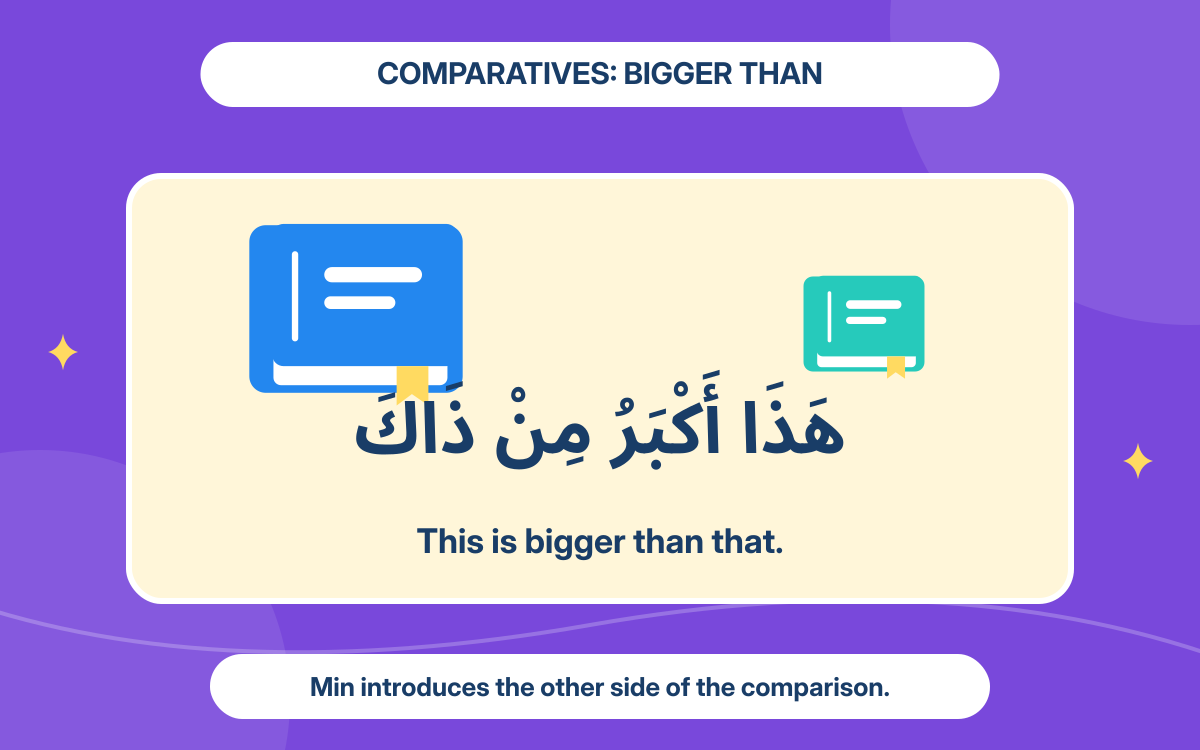
Arabic Comparatives: Bigger Than and Better Than
هَذَا التَّمْدِيدُ أَقْصَرُ مِنَ الْمُقْتَرَحِ الْأَوَّلِ
Compare the revised duration with the first proposal using an afal comparative and min.
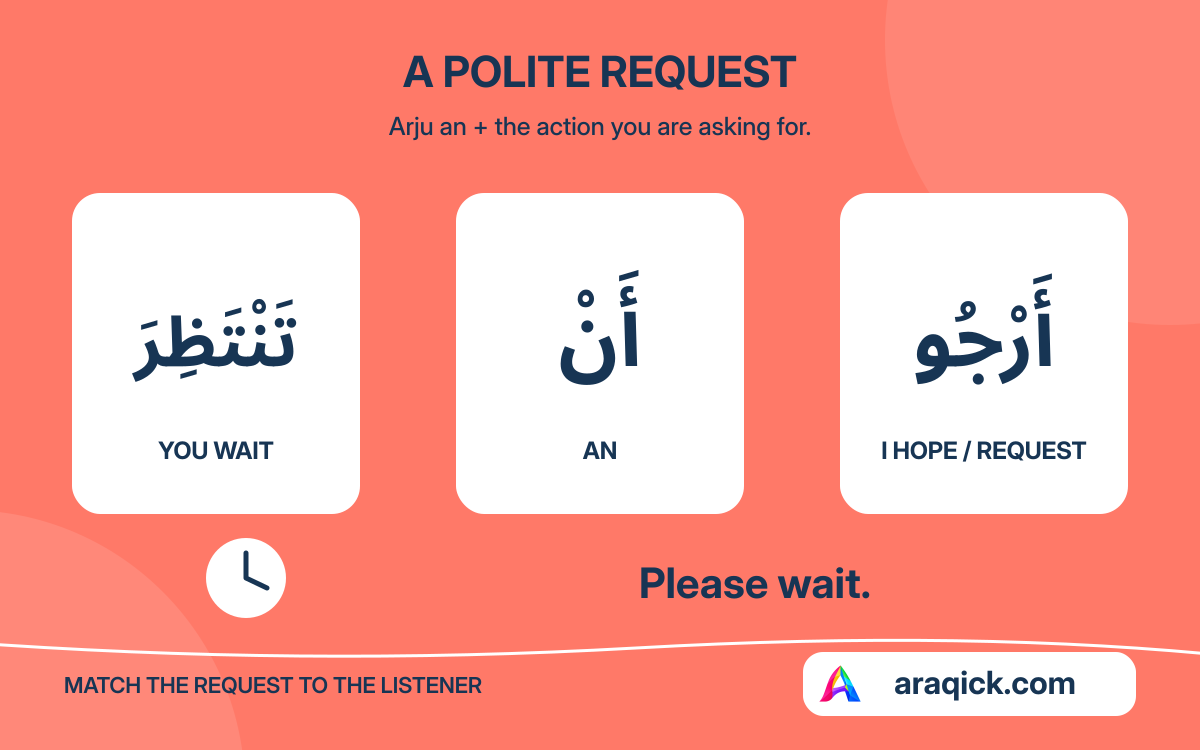
Polite Requests in Arabic: How to Use Arju An
أَرْجُو أَنْ تُرَاجِعِي الْيَوْمَيْنِ مَعَ الْمُسْتَخْدِمِينَ الْآخَرِينَ
Address a woman politely with arju an and a verb that drops its indicative final nun.
Idha in Arabic: How to Say When and If
إِذَا أَكْمَلْنَا الِاسْتِشَارَةَ نُعْلِنُ الْجَدْوَلَ
Use idha with a past-form condition for a future step; the result verb remains indicative.