An old notebook reminds a former student of a question he once feared asking. Years later, the same classroom lesson helps a whole office.
01Read the Arabic story
الْمُعَلِّمُ الَّذِي شَكَرْتُهُ بَعْدَ سَنَوَاتٍ
وَجَدْتُ دَفْتَرًا قَدِيمًا وَأَنَا أُرَتِّبُ خِزَانَتِي. كَانَتْ صَفَحَاتُهُ صَفْرَاءَ، لَكِنَّ الْكِتَابَةَ بَقِيَتْ وَاضِحَةً. كَانَ مِنْ أَيَّامِ الْمَدْرَسَةِ، وَفِي آخِرِهِ جُمْلَةٌ كَتَبَهَا مُعَلِّمِي بِالْقَلَمِ الْأَزْرَقِ: «السُّؤَالُ الْوَاضِحُ خُطْوَةٌ نَحْوَ الْفَهْمِ». تَذَكَّرْتُ أَنَّنِي كُنْتُ أَخَافُ رَفْعَ يَدِي فِي الصَّفِّ. كُنْتُ أُفَضِّلُ أَنْ أَبْقَى صَامِتًا عَلَى أَنْ يَظُنَّ زُمَلَائِي أَنَّنِي لَمْ أَفْهَمْ شَيْئًا سَهْلًا.
فِي أَحَدِ الدُّرُوسِ، طَلَبَ مِنَّا الْمُعَلِّمُ رَسْمَ طَرِيقٍ إِلَى الْمَكْتَبَةِ. قَالَ: «اِنْعَطِفُوا بَعْدَ الْمَبْنَى الْكَبِيرِ». تَرَدَّدْتُ، ثُمَّ سَأَلْتُهُ أَيَّ مَبْنًى يَقْصِدُ، فَقُرْبَ الْمَدْرَسَةِ مَبْنَيَانِ كَبِيرَانِ. ابْتَسَمَ وَأَضَافَ اسْمَ الْمَبْنَى إِلَى الشَّرْحِ. بَعْدَ ذَلِكَ، مَحَا عِدَّةُ طُلَّابٍ خُطُوطًا مِنْ رُسُومِهِمْ وَرَسَمُوا الطَّرِيقَ مِنْ جَدِيدٍ.
مَرَّتْ سَنَوَاتٌ، وَصِرْتُ أَعْمَلُ فِي مَكْتَبٍ صَغِيرٍ. ذَاتَ صَبَاحٍ، كُنَّا نَتَعَلَّمُ اسْتِخْدَامَ طَابِعَةٍ جَدِيدَةٍ. قَالَ الْمُدَرِّبُ إِنَّ عَلَيْنَا ضَغْطَ الزِّرِّ الْأَخْضَرِ، لَكِنَّنِي رَأَيْتُ زِرَّيْنِ بِاللَّوْنِ نَفْسِهِ. رَفَعْتُ يَدِي لِأَسْأَلَ عَنْهُمَا. أَوْضَحَ الْمُدَرِّبُ الْفَرْقَ، ثُمَّ أَضَافَ صُورَةً إِلَى وَرَقَةِ التَّعْلِيمَاتِ. شَكَرَنِي زَمِيلٌ كَانَ جَالِسًا خَلْفِي.
عِنْدَمَا وَجَدْتُ الدَّفْتَرَ، شَعَرْتُ أَنَّ شُكْرًا آخَرَ بَقِيَ مُؤَجَّلًا. سَأَلْتُ الْمَدْرَسَةَ عَنْ طَرِيقَةِ التَّوَاصُلِ مَعَ مُعَلِّمِي، فَأَعْطَوْنِي عُنْوَانَ بَرِيدِهِ. كَتَبْتُ إِلَيْهِ رِسَالَةً قَصِيرَةً وَشَرَحْتُ فِيهَا مَا حَدَثَ فِي الْمَكْتَبِ. لَمْ أَذْكُرْ دَرَجَاتِي الْقَدِيمَةَ، بَلْ ذَكَرْتُ كَيْفَ سَاعَدَنِي دَرْسُهُ عَلَى طَلَبِ تَوْضِيحٍ أَمَامَ الْآخَرِينَ.
وَصَلَ رَدُّهُ بَعْدَ يَوْمَيْنِ. كَتَبَ أَنَّهُ تَقَاعَدَ مُنْذُ عَامٍ، وَأَنَّهُ قَرَأَ رِسَالَتِي لِزَوْجَتِهِ عِنْدَ الْفُطُورِ. ثُمَّ طَلَبَ إِذْنِي لِيَحْتَفِظَ بِنُسْخَةٍ مِنْهَا فِي أَلْبُومِهِ مَعَ صُوَرِ طُلَّابِهِ. أَرْسَلْتُ لَهُ مُوَافَقَتِي وَصُورَةَ الْجُمْلَةِ الزَّرْقَاءِ. وَضَعْتُ الدَّفْتَرَ عَلَى مَكْتَبِي بَدَلًا مِنْ إِعَادَتِهِ إِلَى آخِرِ الْخِزَانَةِ.
Show English translationHide English translation
I found an old notebook while tidying my cupboard. Its pages were yellow, but the writing remained clear. It was from my school days, and at the back was a sentence my teacher had written in blue pen: “A clear question is a step towards understanding.” I remembered being afraid to raise my hand in class. I preferred to remain silent rather than have my classmates think I had failed to understand something easy.
In one lesson, our teacher asked us to draw a route to the library. He said, “Turn after the large building.” I hesitated, then asked which building he meant, because there were two large buildings near the school. He smiled and added the building’s name to his explanation. After that, several students erased lines from their drawings and drew the route again.
Years passed, and I began working in a small office. One morning, we were learning to use a new printer. The trainer said we needed to press the green button, but I saw two buttons of the same colour. I raised my hand to ask about them. The trainer explained the difference, then added a picture to the instruction sheet. A colleague sitting behind me thanked me.
When I found the notebook, I felt that another thank-you had remained overdue. I asked the school how to contact my teacher, and they gave me his email address. I wrote him a short message explaining what had happened at the office. I did not mention my old marks; instead, I described how his lesson had helped me ask for clarification in front of other people.
His reply arrived two days later. He wrote that he had retired a year earlier and had read my message to his wife at breakfast. Then he asked my permission to keep a copy of it in his album with photographs of his students. I sent my permission and a picture of the blue sentence. I put the notebook on my desk instead of returning it to the back of the cupboard.
02Useful words from the story
| Arabic in the story | Meaning here |
|---|---|
| خِزَانَتِي | my cupboard |
| رَفْعَ يَدِي | raising my hand |
| تَرَدَّدْتُ | I hesitated |
| مَحَا | erased |
| طَابِعَةٍ | a printer |
| وَرَقَةِ التَّعْلِيمَاتِ | the instruction sheet |
| مُؤَجَّلًا | postponed; overdue |
| تَوْضِيحٍ | clarification |
| تَقَاعَدَ | retired |
| إِذْنِي | my permission |
03Check your understanding
Choose one answer for each question. Look back at the Arabic story when you need a clue. Open the English support if you need help understanding a question.
What to remember
- A request for clarification can help people who have the same uncertainty but have not spoken up.
- The teacher’s wish to preserve the message offers a clue to what the thanks means to him.
Explore the Arabic in this story
Related grammar and vocabularyOpen Araqick guides connected to this story.
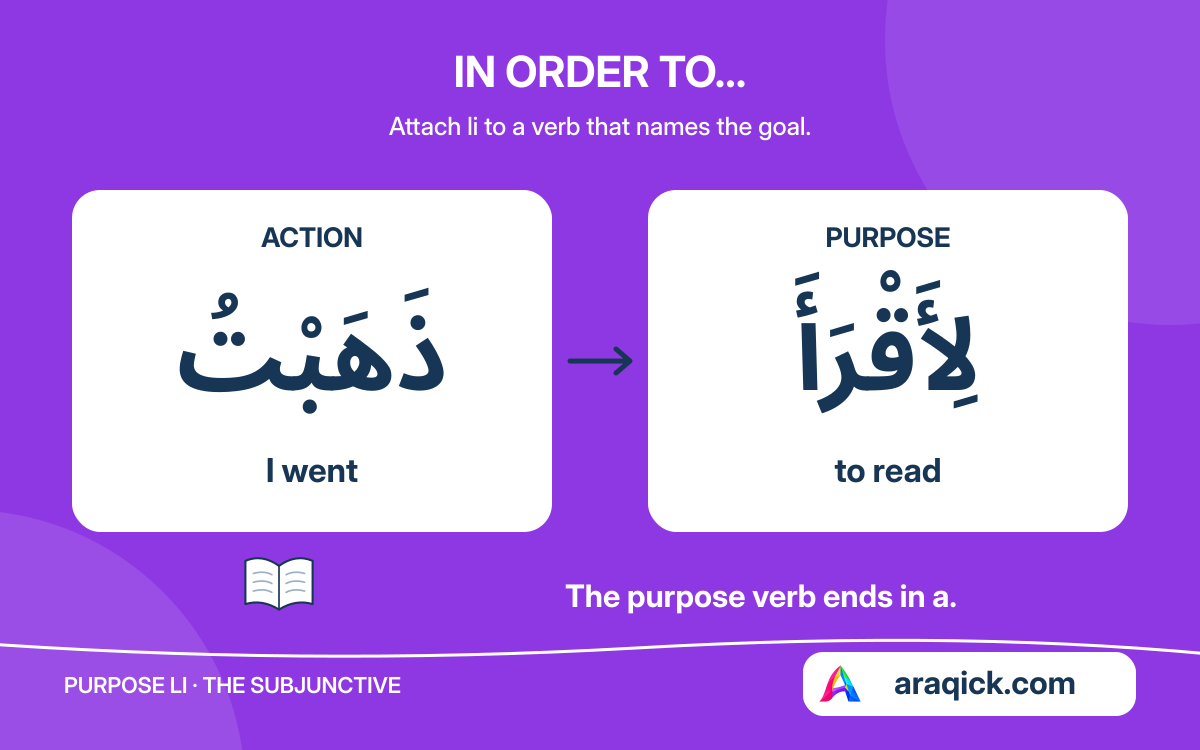
Purpose Li in Arabic: How to Say “In Order To”
لِأَسْأَلَ عَنْهُمَا
Connect raising a hand with its purpose using li before a present-tense verb.
Arabic Time and Place Adverbs: Before, After, In Front and Behind
بَعْدَ يَوْمَيْنِ
Follow the timing of the teacher’s reply using after and a two-day interval.