A beginner’s birthday portrait is going badly, while a friend’s drawings look effortless. An early sketchbook changes the comparison.
01Read the Arabic story
هِوَايَةٌ كِدْتُ أَتَخَلَّى عَنْهَا
اشْتَرَيْتُ دَفْتَرَ رَسْمٍ وَعُلْبَةَ أَقْلَامٍ فِي بِدَايَةِ الصَّيْفِ. كُنْتُ أُرِيدُ أَنْ أَرْسُمَ وَجْهَ أُخْتِي وَأُقَدِّمَ الرَّسْمَ هَدِيَّةً فِي عِيدِ مِيلَادِهَا بَعْدَ شَهْرٍ. تَابَعْتُ دُرُوسًا قَصِيرَةً وَتَدَرَّبْتُ بَعْدَ الْعَمَلِ، لَكِنَّ الْعَيْنَيْنِ فِي كُلِّ مُحَاوَلَةٍ كَانَتَا مُخْتَلِفَتَيْنِ. بَدَأْتُ أُمَزِّقُ الصَّفَحَاتِ بَدَلًا مِنَ الِاحْتِفَاظِ بِهَا.
زَارَنِي صَدِيقِي مَازِنٌ وَأَرَانِي رَسْمًا لِشَارِعٍ قَدِيمٍ. كَانَتْ نَوَافِذُهُ وَظِلَالُهُ دَقِيقَةً، فَأَغْلَقْتُ دَفْتَرِي بِسُرْعَةٍ. قُلْتُ إِنَّنِي سَأُعْطِيهِ أَقْلَامِي، فَالرَّسْمُ لَا يُنَاسِبُنِي. لَمْ يَأْخُذْهَا، بَلْ سَأَلَنِي عَنْ مُدَّةِ تَدَرُّبِي. عِنْدَمَا أَجَبْتُ، قَالَ إِنَّهُ يَرْسُمُ مُنْذُ ثَلَاثِ سَنَوَاتٍ، وَإِنَّ رَسْمَهُ الْجَدِيدَ اسْتَغْرَقَ عِدَّةَ أَيَّامٍ.
فِي الْيَوْمِ التَّالِي، أَحْضَرَ مَازِنٌ دَفْتَرَهُ الْأَوَّلَ. رَأَيْتُ فِيهِ كُرْسِيًّا بِأَرْجُلٍ غَيْرِ مُتَسَاوِيَةٍ وَكُوبًا بِمِقْبَضٍ ضَخْمٍ. لَمْ يَحْذِفْ تِلْكَ الرُّسُومَ مِنْ دَفْتَرِهِ الْقَدِيمِ. ضَحِكْنَا مَعًا، ثُمَّ سَأَلَنِي عَمَّا أَسْتَمْتِعُ بِهِ فِي الرَّسْمِ. قُلْتُ إِنَّنِي أُحِبُّ مُلَاحَظَةَ التَّفَاصِيلِ الصَّغِيرَةِ. اقْتَرَحَ أَنْ أَبْدَأَ بِشَيْءٍ بَسِيطٍ كُلَّ أُسْبُوعٍ، وَأَنْ أُقَارِنَ رَسْمِي بِمُحَاوَلَاتِي السَّابِقَةِ.
اخْتَرْتُ كُوبًا أَبْيَضَ وَوَضَعْتُهُ أَمَامَ النَّافِذَةِ. رَسَمْتُهُ ثَلَاثَ مَرَّاتٍ خِلَالَ أُسْبُوعٍ، وَكَتَبْتُ التَّارِيخَ عَلَى كُلِّ صَفْحَةٍ. فِي الرَّسْمِ الْأَخِيرِ، صَارَ الْمِقْبَضُ أَقْرَبَ إِلَى شَكْلِهِ الْحَقِيقِيِّ، مَعَ أَنَّ الظِّلَّ بَقِيَ غَيْرَ دَقِيقٍ. اشْتَرَيْتُ لِأُخْتِي هَدِيَّةً أُخْرَى، وَأَخْبَرْتُهَا أَنَّ رَسْمَ وَجْهِهَا يَحْتَاجُ إِلَى وَقْتٍ أَطْوَلَ.
عِنْدَ نِهَايَةِ الشَّهْرِ، وَضَعْتُ رَسْمَ الْكُوبِ الْأَوَّلَ بِجَانِبِ الرَّسْمِ الْأَخِيرِ. لَمْ يَكُنِ الْفَرْقُ كَبِيرًا، لَكِنَّهُ كَانَ وَاضِحًا. أَعَدْتُ الْأَقْلَامَ إِلَى رَفٍّ قَرِيبٍ مِنْ مَكْتَبِي. وَفِي الْمَسَاءِ، رَأَيْتُ لَيْمُونَةً عَلَى الطَّاوِلَةِ، فَجَلَسْتُ لِأَرْسُمَهَا. مَرَّتْ نِصْفُ سَاعَةٍ دُونَ أَنْ أَنْظُرَ إِلَى هَاتِفِي أَوْ أُفَكِّرَ فِيمَنْ سَيَرَى الصُّورَةَ.
Show English translationHide English translation
I bought a sketchbook and a box of pencils at the beginning of summer. I wanted to draw my sister’s face and give her the drawing for her birthday in a month. I followed short lessons and practised after work, but the two eyes were different in every attempt. I started tearing out pages instead of keeping them.
My friend Mazin visited and showed me a drawing of an old street. Its windows and shadows were precise, so I quickly closed my notebook. I said I would give him my pencils because drawing did not suit me. He did not take them; instead, he asked how long I had been practising. When I answered, he said he had been drawing for three years and that his new drawing had taken several days.
The next day, Mazin brought his first sketchbook. I saw a chair with uneven legs and a cup with an enormous handle. He had not removed those drawings from his old notebook. We laughed together, then he asked what I enjoyed about drawing. I said I liked noticing small details. He suggested starting with one simple object each week and comparing my drawing with my earlier attempts.
I chose a white cup and put it in front of the window. I drew it three times over a week and wrote the date on each page. In the last drawing, the handle was closer to its real shape, although the shadow was still inaccurate. I bought my sister a different gift and told her that drawing her face would need more time.
At the end of the month, I placed the first cup drawing beside the last one. The difference was not great, but it was clear. I returned the pencils to a shelf near my desk. That evening, I saw a lemon on the table and sat down to draw it. Half an hour passed without my looking at my phone or thinking about who would see the picture.
02Useful words from the story
| Arabic in the story | Meaning here |
|---|---|
| أُمَزِّقُ | I tear up |
| وَظِلَالُهُ | and its shadows |
| بِسُرْعَةٍ | quickly |
| اسْتَغْرَقَ | took; required time |
| بِمِقْبَضٍ ضَخْمٍ | with an enormous handle |
| مُلَاحَظَةَ | noticing; observing |
| السَّابِقَةِ | earlier; previous |
| الْحَقِيقِيِّ | real; actual |
| لَيْمُونَةً | a lemon |
| نِصْفُ سَاعَةٍ | half an hour |
03Check your understanding
Choose one answer for each question. Look back at the Arabic story when you need a clue. Open the English support if you need help understanding a question.
What to remember
- A fair comparison considers how long someone has practised and how much time a piece took.
- Keeping dated attempts makes small improvements easier to notice.
Explore the Arabic in this story
Related grammar and vocabularyOpen Araqick guides connected to this story.
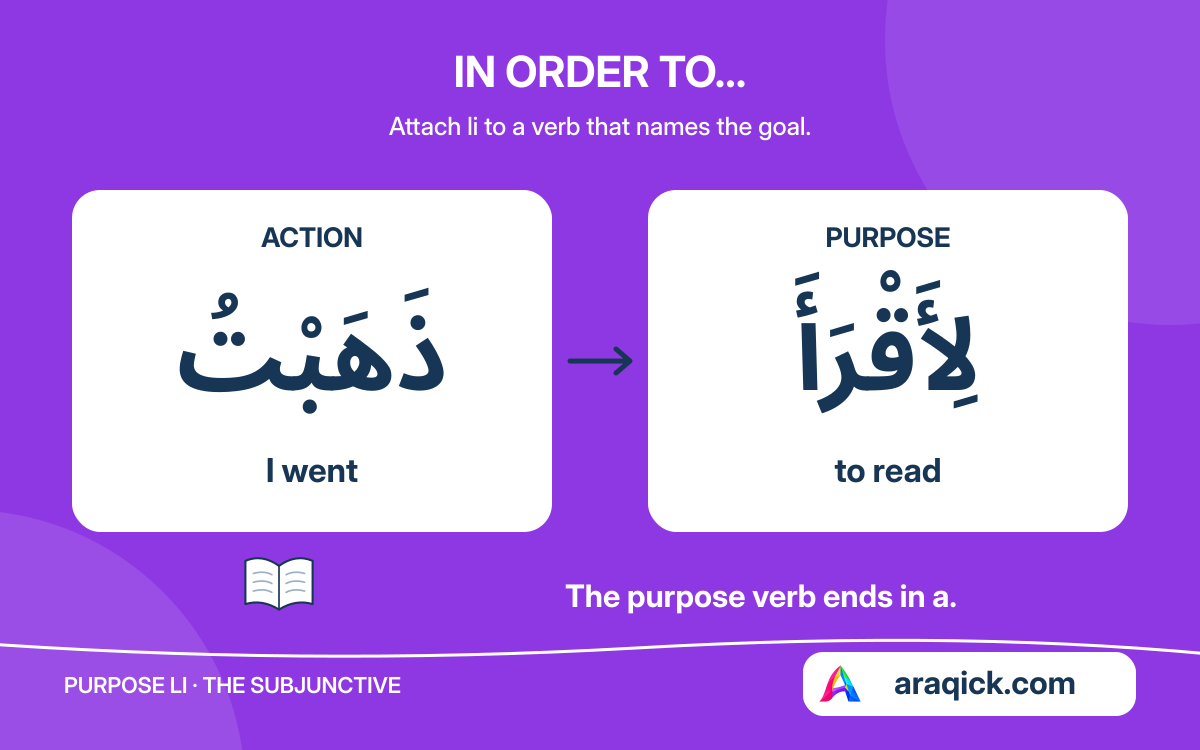
Purpose Li in Arabic: How to Say “In Order To”
لِأَرْسُمَهَا
Identify the reason for sitting down by reading li together with the drawing verb.
Arabic Time and Place Adverbs: Before, After, In Front and Behind
أَمَامَ النَّافِذَةِ
Place the practice object in relation to the window with a familiar location phrase.