Karim welcomes Nabil to a community book exchange. They compare tasks, plan a practice of the welcome process, and agree on when to ask for help.
01Read the Arabic conversation
التَّرْحِيبُ بِمُتَطَوِّعٍ جَدِيدٍ
كَرِيمٌ: أَهْلًا يَا نَبِيلُ. شُكْرًا لِتَطَوُّعِكَ فِي نَشَاطِ تَبَادُلِ الْكُتُبِ. هَلْ سَبَقَ لَكَ التَّطَوُّعُ فِي نَشَاطٍ مُمَاثِلٍ؟
نَبِيلٌ: هَذِهِ مَرَّتِي الْأُولَى. أُرِيدُ أَنْ أُسَاعِدَ، لَكِنَّنِي لَا أَعْرِفُ أَيَّ مَهَمَّةٍ تُنَاسِبُنِي.
كَرِيمٌ: لَدَيْنَا مَهَمَّتَانِ: تَرْتِيبُ الْكُتُبِ حَسَبَ الْمَوْضُوعِ، وَاسْتِقْبَالُ الزُّوَّارِ عِنْدَ الطَّاوِلَةِ الْأَمَامِيَّةِ. أَيُّهُمَا تُفَضِّلُ؟
نَبِيلٌ: أُفَضِّلُ اِسْتِقْبَالَ الزُّوَّارِ. أَسْتَطِيعُ أَنْ أَكْتُبَ الْأَسْمَاءَ بِوُضُوحٍ، لَكِنَّنِي لَا أَعْرِفُ طَرِيقَةَ تَصْنِيفِ الْكُتُبِ.
كَرِيمٌ: حَسَنًا، سَأَشْرَحُ لَكَ الْخُطُوَاتِ. أَوَّلًا تُرَحِّبُ بِالزَّائِرِ، ثُمَّ تَسْأَلُهُ عَنْ اِسْمِهِ وَتَكْتُبُهُ فِي الْقَائِمَةِ.
نَبِيلٌ: وَبَعْدَ كِتَابَةِ الْاِسْمِ، أَأَسْتَلِمُ مِنْهُ الْكُتُبَ أَيْضًا أَمْ أُوَجِّهُهُ إِلَى مَكَانٍ آخَرَ؟
كَرِيمٌ: تُعْطِيهِ بَطَاقَةَ مُشَارَكَةٍ، وَتَدُلُّهُ عَلَى طَاوِلَةِ اِسْتِلَامِ الْكُتُبِ. زَمِيلُنَا مَازِنٌ مَسْؤُولٌ عَنْهَا.
نَبِيلٌ: إِذَنْ، أُرَحِّبُ بِالزَّائِرِ، وَأُسَجِّلُ اِسْمَهُ، وَأُعْطِيهِ بَطَاقَةً، ثُمَّ أَدُلُّهُ عَلَى طَاوِلَةِ مَازِنٍ.
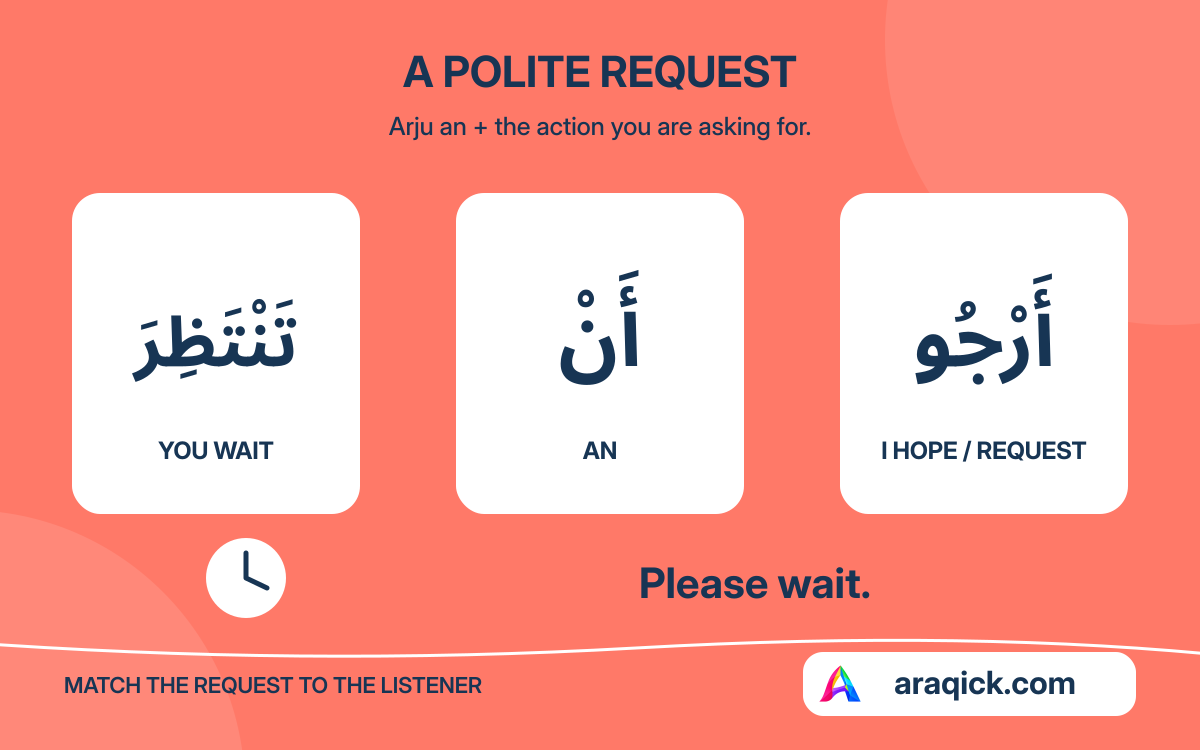
كَرِيمٌ: صَحِيحٌ. أَرْجُو أَنْ تَطْلُبَ مِنَ الزَّائِرِ تَأْكِيدَ اِسْمِهِ إِذَا لَمْ تَسْمَعْهُ جَيِّدًا.
نَبِيلٌ: وَإِذَا سَأَلَنِي عَنْ كِتَابٍ مُعَيَّنٍ، وَلَمْ أَعْرِفْ إِنْ كَانَ مَوْجُودًا، فَمَاذَا أَقُولُ؟
كَرِيمٌ: قُلْ لَهُ إِنَّكَ سَتَسْأَلُ مَازِنًا. لَا تَحْتَاجُ إِلَى تَخْمِينِ الْجَوَابِ، وَيُمْكِنُكَ أَنْ تَطْلُبَ الْمُسَاعَدَةَ.
نَبِيلٌ: هَذَا يُرِيحُنِي. هَلْ يُمْكِنُنَا تَجْرِبَةُ الْخُطُوَاتِ مَرَّةً قَبْلَ وُصُولِ الزُّوَّارِ؟
كَرِيمٌ: بِالتَّأْكِيدِ، سَأَقُومُ بِدَوْرِ الزَّائِرِ وَتَسْتَقْبِلُنِي أَنْتَ. بَعْدَ التَّجْرِبَةِ نُرَاجِعُ أَيَّ خُطْوَةٍ غَيْرِ وَاضِحَةٍ.
نَبِيلٌ: جَيِّدٌ. أَشْعُرُ بِثِقَةٍ أَكْبَرَ عِنْدَمَا أُجَرِّبُ بِنَفْسِي، لَا عِنْدَمَا أَسْمَعُ الشَّرْحَ فَقَطْ.
كَرِيمٌ: يَبْدَأُ النَّشَاطُ عِنْدَ الثَّالِثَةِ مَسَاءً. هَلْ تَسْتَطِيعُ الْحُضُورَ عِنْدَ الثَّانِيَةِ وَالنِّصْفِ لِلتَّجْرِبَةِ وَتَرْتِيبِ الطَّاوِلَةِ؟
نَبِيلٌ: نَعَمْ، وَسَأَبْقَى حَتَّى الْخَامِسَةِ. أَيْنَ أَجِدُ الْقَائِمَةَ وَالْبَطَاقَاتِ الَّتِي سَأَحْتَاجُ إِلَيْهَا؟
كَرِيمٌ: سَتَكُونُ فِي صُنْدُوقٍ تَحْتَ طَاوِلَةِ الْاِسْتِقْبَالِ، مَعَ الْأَقْلَامِ. سَأُرِيكَ مَكَانَهَا عِنْدَمَا تَصِلُ.
نَبِيلٌ: وَمَنْ أُخْبِرُ إِذَا اِحْتَجْتُ إِلَى اِسْتِرَاحَةٍ قَصِيرَةٍ؟ لَا أُرِيدُ أَنْ أَتْرُكَ الطَّاوِلَةَ فَارِغَةً.
كَرِيمٌ: أَخْبِرْنِي أَنَا، وَسَأَحُلُّ مَحَلَّكَ حَتَّى تَعُودَ. هَلْ بَقِيَ شَيْءٌ تُرِيدُ أَنْ نُوَضِّحَهُ؟
نَبِيلٌ: لَا، الْمَهَمَّةُ وَاضِحَةٌ الْآنَ. سَأَحْضُرُ مُبَكِّرًا لِلتَّجْرِبَةِ، وَأَسْأَلُ عِنْدَمَا أَحْتَاجُ إِلَى مُسَاعَدَةٍ.
Show English translationHide English translation
Karim: Welcome, Nabil. Thank you for volunteering at the book exchange. Have you volunteered at a similar activity before?
Nabil: This is my first time. I want to help, but I do not know which task suits me.
Karim: We have two tasks: arranging books by subject and welcoming visitors at the front table. Which do you prefer?
Nabil: I prefer welcoming visitors. I can write names clearly, but I do not know how to classify the books.
Karim: All right, I will explain the steps. First you welcome the visitor, then ask their name and write it on the list.
Nabil: After writing the name, do I also take their books, or direct them somewhere else?
Karim: You give them a participation card and show them the book collection table. Our colleague Mazin is responsible for it.
Nabil: So I welcome the visitor, record their name, give them a card, then show them Mazin’s table.
Karim: Correct. Please ask the visitor to confirm their name if you did not hear it clearly.
Nabil: If they ask about a particular book and I do not know whether it is available, what should I say?
Karim: Tell them you will ask Mazin. You do not need to guess the answer, and you can ask for help.
Nabil: That puts me at ease. Can we practise the steps once before the visitors arrive?
Karim: Certainly. I will play the visitor, and you will welcome me. After the practice, we will review any unclear step.
Nabil: Good. I feel more confident when I try it myself, rather than only hearing the explanation.
Karim: The activity starts at three in the afternoon. Can you arrive at half past two to practise and arrange the table?
Nabil: Yes, and I will stay until five. Where will I find the list and cards I need?
Karim: They will be in a box under the welcome table, along with the pens. I will show you where they are when you arrive.
Nabil: Whom should I tell if I need a short break? I do not want to leave the table unattended.
Karim: Tell me, and I will take your place until you return. Is there anything else you would like us to clarify?
Nabil: No, the task is clear now. I will arrive early to practise and ask whenever I need help.
02Useful words and expressions
| Arabic in the conversation | Meaning here |
|---|---|
| التَّطَوُّعُ | volunteering |
| مَهَمَّةٍ | a task |
| تَصْنِيفِ الْكُتُبِ | classifying books |
| أُوَجِّهُهُ | I direct them |
| بَطَاقَةَ مُشَارَكَةٍ | a participation card |
| أُسَجِّلُ اِسْمَهُ | I record their name |
| تَخْمِينِ الْجَوَابِ | guessing the answer |
| بِدَوْرِ الزَّائِرِ | the role of the visitor |
| بِثِقَةٍ أَكْبَرَ | with greater confidence |
| سَأَحُلُّ مَحَلَّكَ | I will take your place |
03Check your understanding
Choose one answer for each question. Look back at the Arabic conversation for evidence. Open the English question support or a hint when you need help.
What to remember
- Choose a volunteer role by discussing strengths and unfamiliar tasks.
- Repeat the process, practise it, and identify whom to ask for help.
Explore the Arabic in this conversation
Related grammar and vocabularyOpen Araqick guides connected to this conversation.
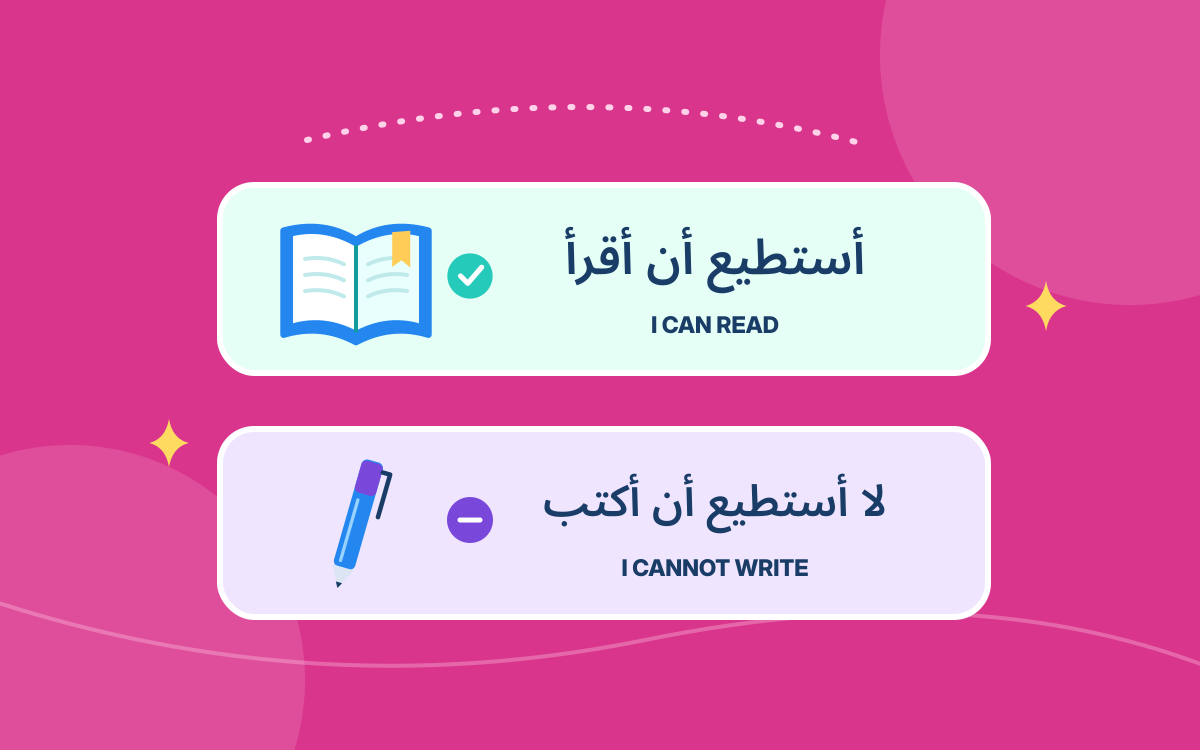
How to Say “I Can” and “I Can’t” in Arabic
أَسْتَطِيعُ أَنْ أَكْتُبَ الْأَسْمَاءَ
State an ability with astatiu an followed by the action in the subjunctive.
Polite Requests in Arabic: How to Use Arju An
أَرْجُو أَنْ تَطْلُبَ
Use arju an to request an action from one male listener.
Arabic Time and Place Adverbs: Before, After, In Front and Behind
قَبْلَ وُصُولِ الزُّوَّارِ
Use qabla with a following noun phrase to place practice before an event.