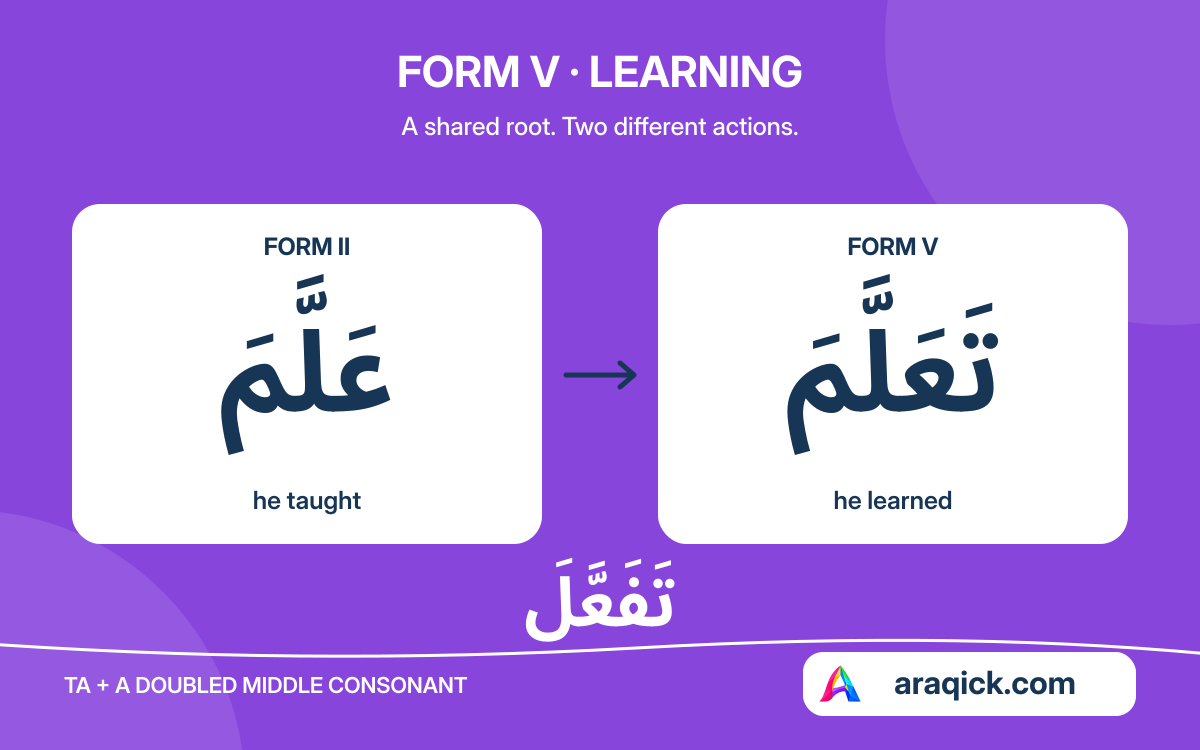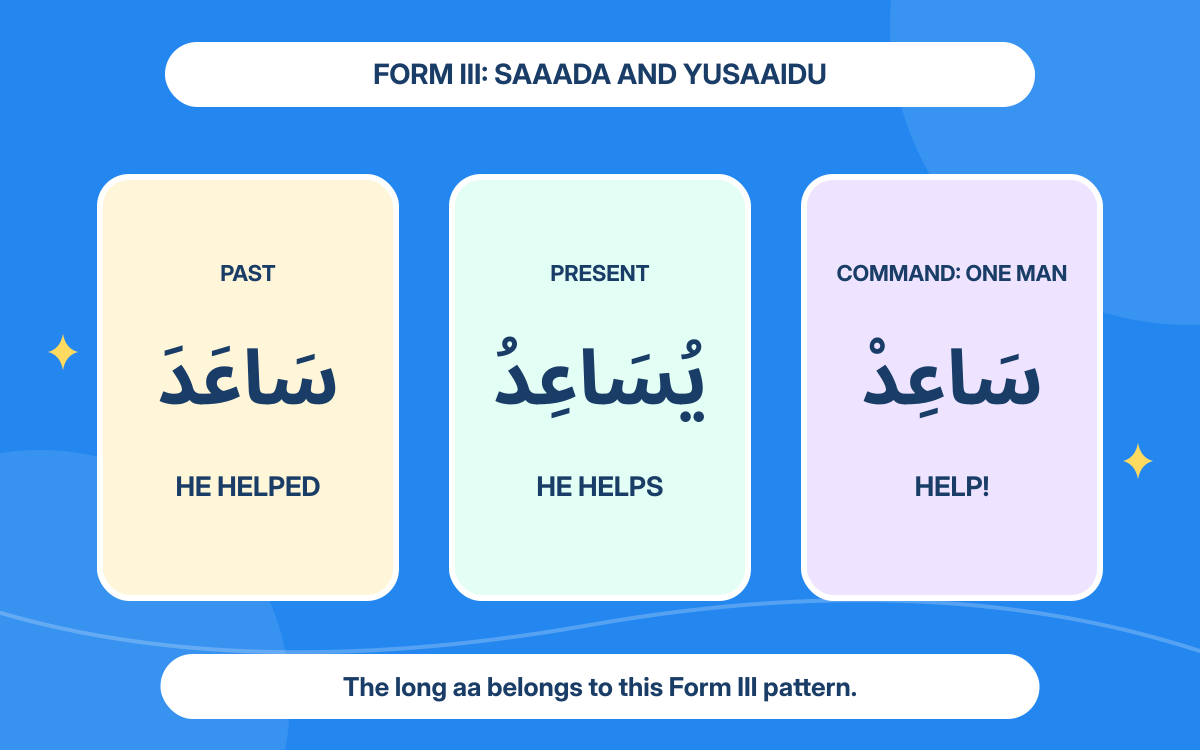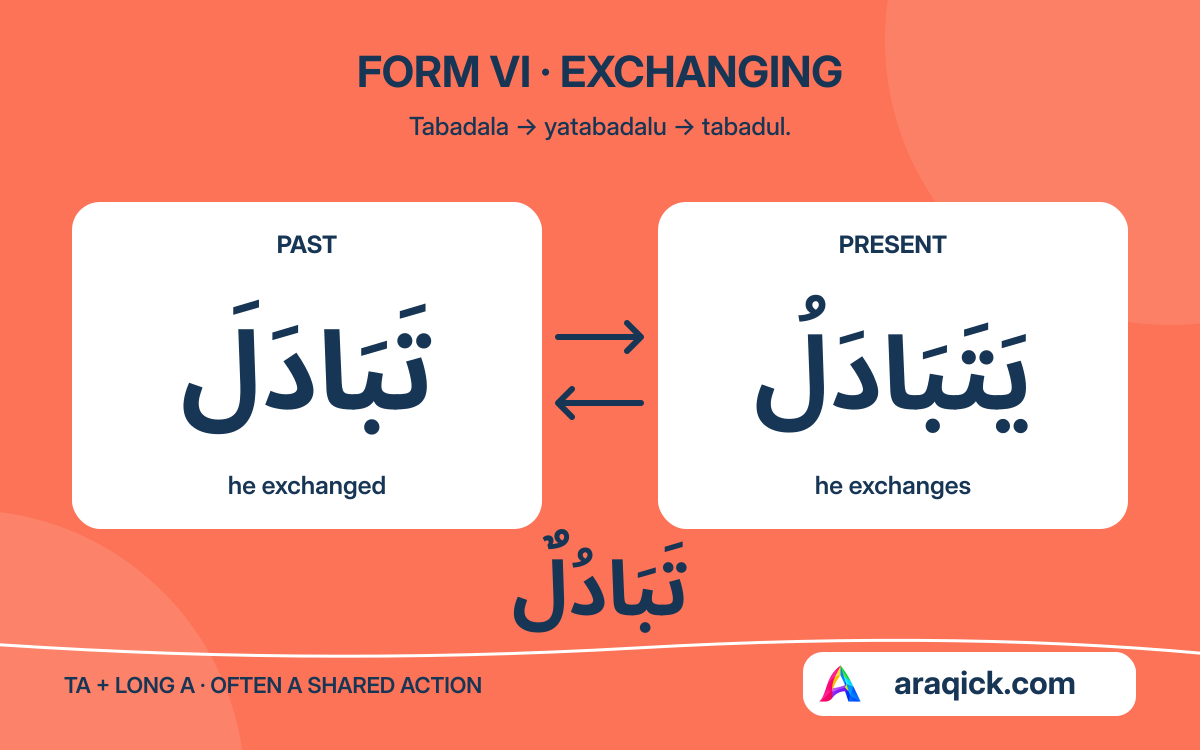
Form VI often describes an action shared by two or more participants. Tabadala means he exchanged, and tabadalna means we exchanged. The form combines ta with a long a after the first root consonant. Learn how that shape differs from Form V, then use it in a simple exchange of information.
01Recognise ta plus the long a
تَبَادَلْنَا الْعَنَاوِينَ
tabadalna alanawina
We exchanged addresses.
The root ب د ل fits the template تَفَاعَلَ. In tabadala, ba is followed by a long alif; the middle root consonant dal is not doubled. Compare the shaddah in Form V taallama.
The na ending identifies we. Alanawina names what was exchanged and is accusative. The participants share an action, but the grammatical subject can be expressed in several ways.
02Name a second participant with maa
تَبَادَلَ سَالِمٌ الْعَنَاوِينَ مَعَ زَمِيلِهِ
tabadala salimun alanawina maa zamilihi
Salim exchanged addresses with his colleague.
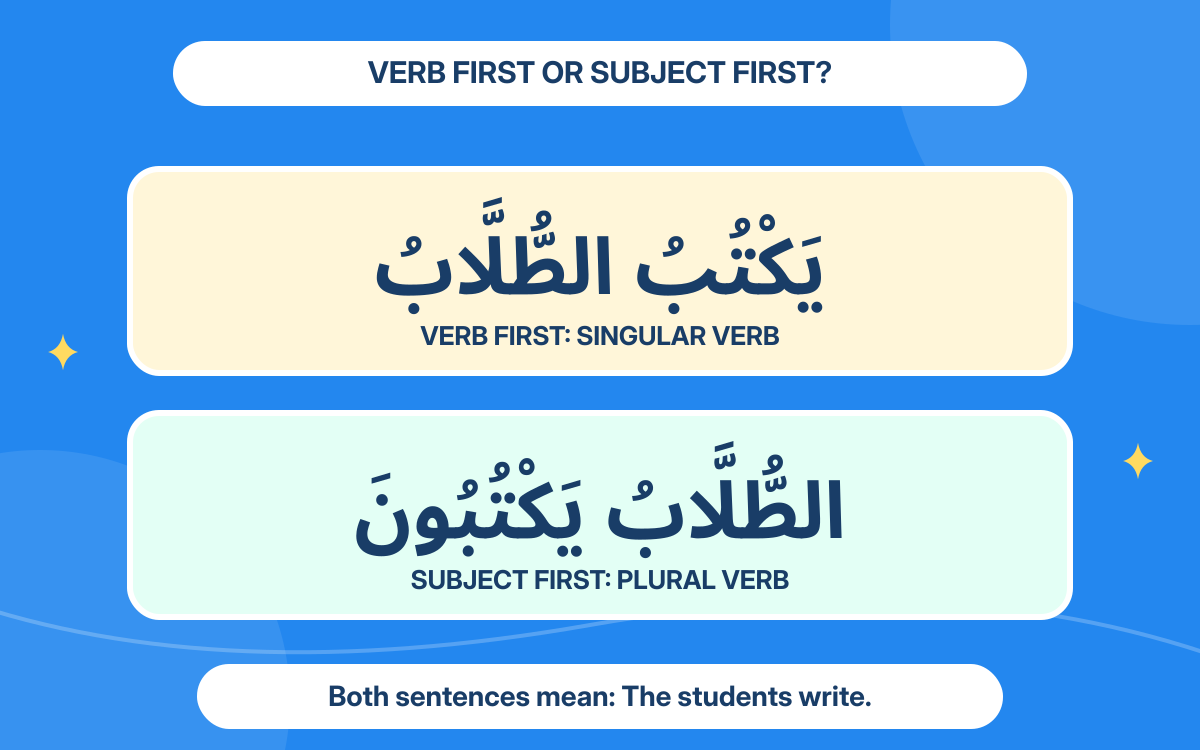
Salim is the singular subject, so tabadala is singular even though an exchange involves another person. The phrase maa zamilihi identifies that second participant. A mutual meaning does not force a plural verb in every sentence.
When two people are the subject together, the usual Arabic agreement rules still apply. Do not choose an ending from the English idea of together alone.
03Keep the long a in the present
نَتَبَادَلُ الرَّسَائِلَ كُلَّ أُسْبُوعٍ
natabadalu arrasaila kulla usbuin
We exchange messages every week.
The we prefix na comes before the Form VI ta. The stem retains its long a after ba and its short a on dal. He exchanges is يَتَبَادَلُ; you exchange to one man is تَتَبَادَلُ.
The final u in natabadalu is the ordinary indicative ending. After lam, the singular-ending we form becomes لَمْ نَتَبَادَلْ, we did not exchange.
04Ask a group to exchange something
تَبَادَلُوا الْأَفْكَارَ
tabadalu alafkara
Exchange ideas. — to a male or mixed group
The direct command keeps the Form VI ta. The group ending is waw followed by a silent alif. For one man, the command is تَبَادَلْ; another participant can be understood or named with maa.
The action noun is تَبَادُلٌ, exchange. Notice its u on dal, unlike the a in the past verb tabadala. Read the internal vowels as well as the shared letters.
05Treat reciprocal meaning as a useful tendency
Form VI تَعَاوَنَ means cooperated. That fits the mutual-action idea. But تَمَارَضَ means pretended to be ill; it does not describe two people making each other ill.
Learn the word’s established meaning along with its pattern. The ten-form overview gives the larger map, and derived action nouns explains the tafaaul shape. Our regular tabadala chart does not automatically cover weak-root stem changes in every Form VI verb.
What to remember
- Form VI combines initial ta with a long a after the first root consonant.
- A reciprocal verb can have a singular subject and another participant with maa.
- Tabadul is the action noun; the exact meaning of each verb still needs learning.
Your reference shelf
Open a guide whenever you need it.
Tabadala: past and presentCompare past forms with the ordinary indicative present
| Person | Past | Present |
|---|---|---|
| He | تَبَادَلَ | يَتَبَادَلُ |
| They: two men | تَبَادَلَا | يَتَبَادَلَانِ |
| They: male or mixed group | تَبَادَلُوا | يَتَبَادَلُونَ |
| She | تَبَادَلَتْ | تَتَبَادَلُ |
| They: two women | تَبَادَلَتَا | تَتَبَادَلَانِ |
| They: female group | تَبَادَلْنَ | يَتَبَادَلْنَ |
| You: one man | تَبَادَلْتَ | تَتَبَادَلُ |
| You: two people | تَبَادَلْتُمَا | تَتَبَادَلَانِ |
| You: male or mixed group | تَبَادَلْتُمْ | تَتَبَادَلُونَ |
| You: one woman | تَبَادَلْتِ | تَتَبَادَلِينَ |
| You: female group | تَبَادَلْتُنَّ | تَتَبَادَلْنَ |
| I | تَبَادَلْتُ | أَتَبَادَلُ |
| We | تَبَادَلْنَا | نَتَبَادَلُ |
The two-person you form applies to either gender. These regular stems keep their internal pattern; the endings mark the person. The present column is indicative. Other moods have their own endings.
Commands by listenerKeep the stem and choose the listener ending
| Listener | Command |
|---|---|
| One man | تَبَادَلْ |
| One woman | تَبَادَلِي |
| Two people | تَبَادَلَا |
| Male or mixed group | تَبَادَلُوا |
| Female group | تَبَادَلْنَ |
The alif after the masculine plural waw is silent. A direct command already identifies its listener. Plain Latin readings elsewhere simplify vowel length and some consonants; the marked Arabic shows the exact forms.
Sources & further learning
References for the language explanations and learning guidance.