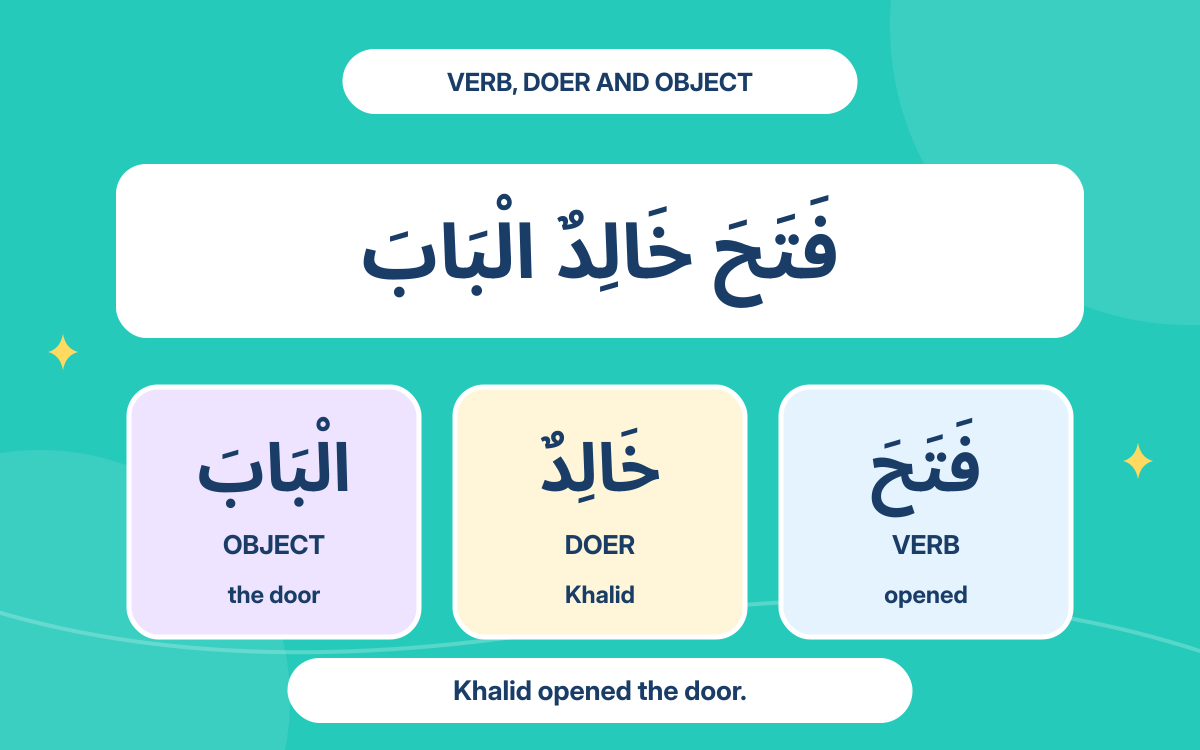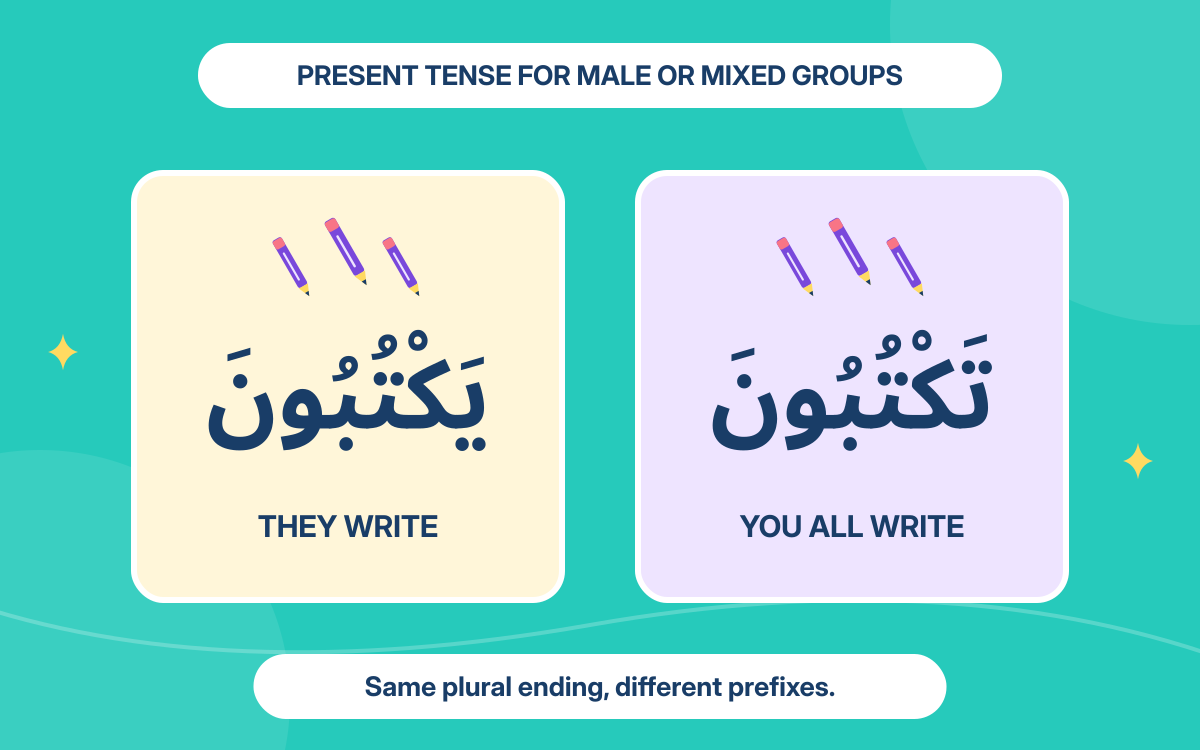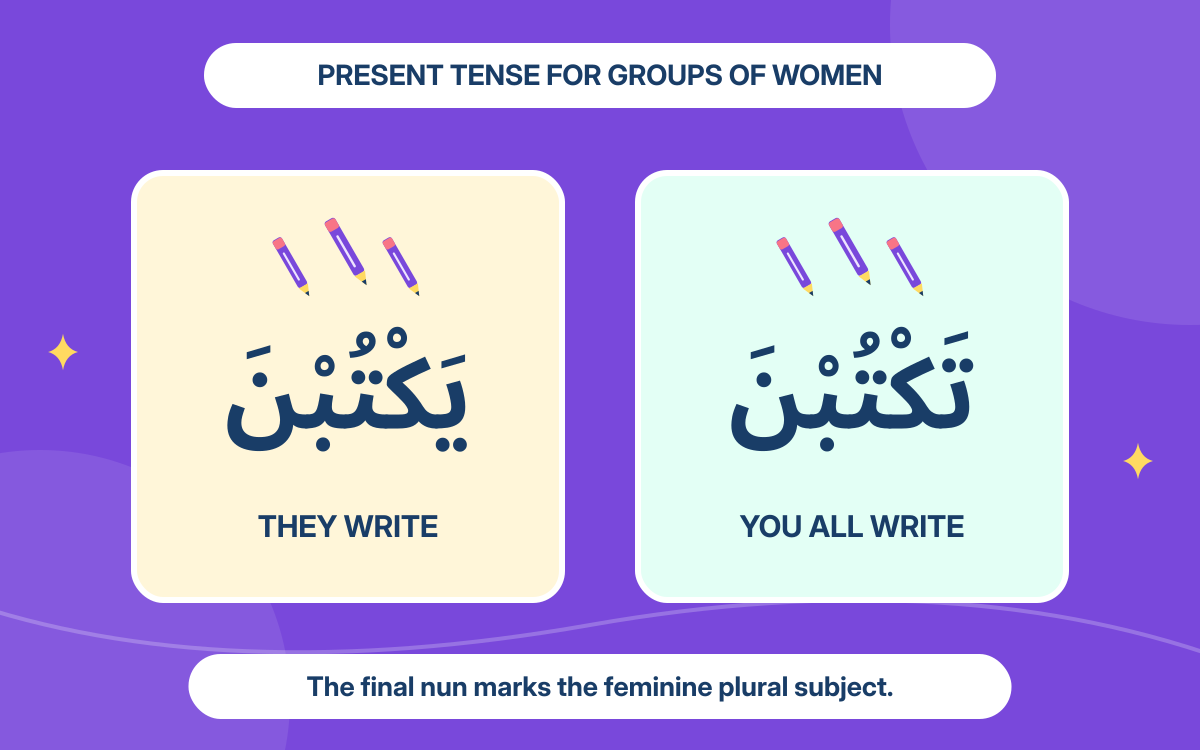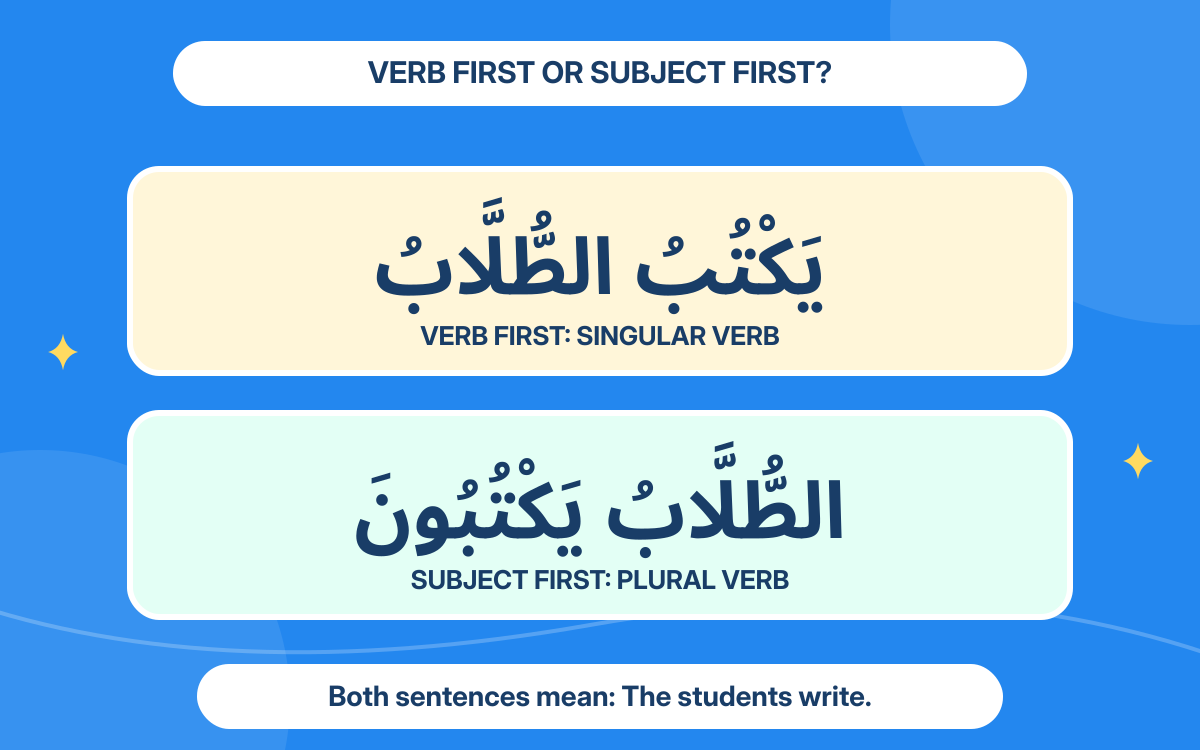
Moving a human group before or after its verb changes the verb’s number in ordinary formal Arabic. Learn both sentence patterns using teachers and the familiar verb to write. The people remain plural in both patterns.
01Put the group first: match the whole group
When the named human group comes first, its following verb matches its number and gender. الْمُعَلِّمُونَ means the male teachers; use the masculine plural writing form.
الْمُعَلِّمُونَ يَكْتُبُونَ
almuallimuna yaktubuna
The male teachers write.
The noun is the topic, and the following verbal sentence tells us about it. Yaktubuna refers back to all the teachers.
02Put the verb first: use a singular verb
In the ordinary pattern where an expressed human subject follows the verb, the verb stays singular. Use masculine singular yaktubu before this male group.
يَكْتُبُ الْمُعَلِّمُونَ
yaktubu lmuallimuna
The male teachers write.
The plural noun identifies the whole group doing the writing. A singular verb here does not mean that only one teacher writes. Do not add the plural verb ending before this following subject.
03Keep feminine agreement
A female human group still needs feminine agreement. Before the named group, use feminine singular taktubu. After the group, use feminine plural yaktubna.
تَكْتُبُ الْمُعَلِّمَاتُ
taktubu lmuallimatu
The female teachers write.
الْمُعَلِّمَاتُ يَكْتُبْنَ
almuallimatu yaktubna
The female teachers write.
Read the whole sentence: taktubu here means the female group writes, because the following noun supplies the subject.
04Change the verb’s number, not the noun
Moving the verb first does not turn the teachers into one teacher. Keep the human plural noun in both patterns. Only the verb changes from full plural agreement to singular agreement.
الْمُعَلِّمُونَ يَكْتُبُونَ ← يَكْتُبُ الْمُعَلِّمُونَ
almuallimuna yaktubuna; yaktubu lmuallimuna
Both describe the same male teachers writing.
These examples concern ordinary sentences with human groups. Nonhuman plural agreement has its own guide. If no separate noun follows, يَكْتُبُونَ can itself mean they write; a verb at the start is not automatically singular.
05Add an object after the named subject
To say what the teachers write, add the direct object after the verb and subject. الدَّرْسَ means the lesson here and takes the accusative ending a.
يَكْتُبُ الْمُعَلِّمُونَ الدَّرْسَ
yaktubu lmuallimuna ddarsa
The male teachers write the lesson.
Build this version in the order verb → named subject → object. Our Latin reading aids keep teaching endings but simplify vowel length and omit special symbols for ain.
What to remember
- After a named human plural topic, use a verb matching the group’s number and gender.
- Before a following named human plural subject, the ordinary pattern uses a singular verb with the appropriate gender.
- The subject noun remains plural in both patterns; the singular verb does not reduce the group to one person.
Your reference shelf
Open a guide whenever you need it.
Compare both orders side by sideFour writing sentences, with the same people in each pair
| Order | Arabic | Reading |
|---|---|---|
| Male group first | الْمُعَلِّمُونَ يَكْتُبُونَ | almuallimuna yaktubuna |
| Verb first, male group | يَكْتُبُ الْمُعَلِّمُونَ | yaktubu lmuallimuna |
| Female group first | الْمُعَلِّمَاتُ يَكْتُبْنَ | almuallimatu yaktubna |
| Verb first, female group | تَكْتُبُ الْمُعَلِّمَاتُ | taktubu lmuallimatu |
In traditional analysis, the noun-first sentence has a topic, مُبْتَدَأٌ, and a verbal sentence as its predicate. The verb’s subject pronoun refers back to that topic. In the ordinary verb-first sentence, the following noun is the expressed verb subject, فَاعِلٌ.
A verb can begin a sentence with its own plural subject pronoun when there is no following expressed noun serving as that subject. Thus yaktubuna, they write, remains valid. The rule here concerns the two specific patterns shown; dialectal and less common classical constructions are outside this practice.
Sources & further learning
References for the language explanations and learning guidance.