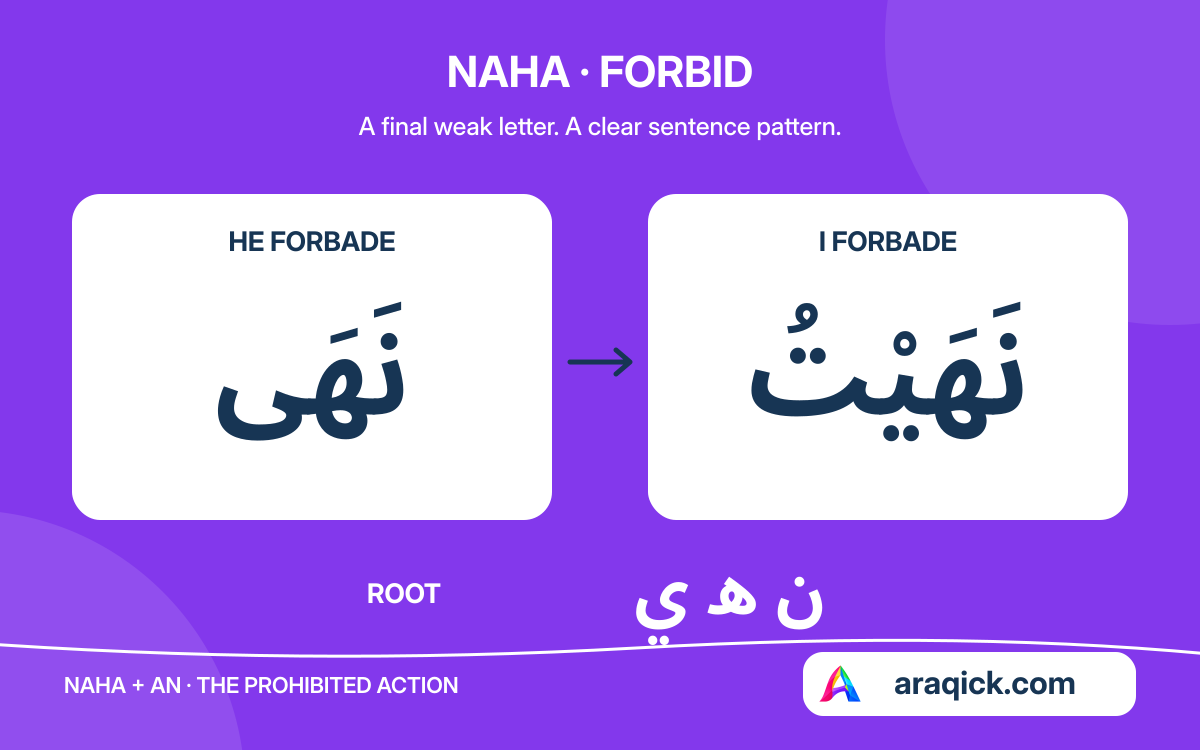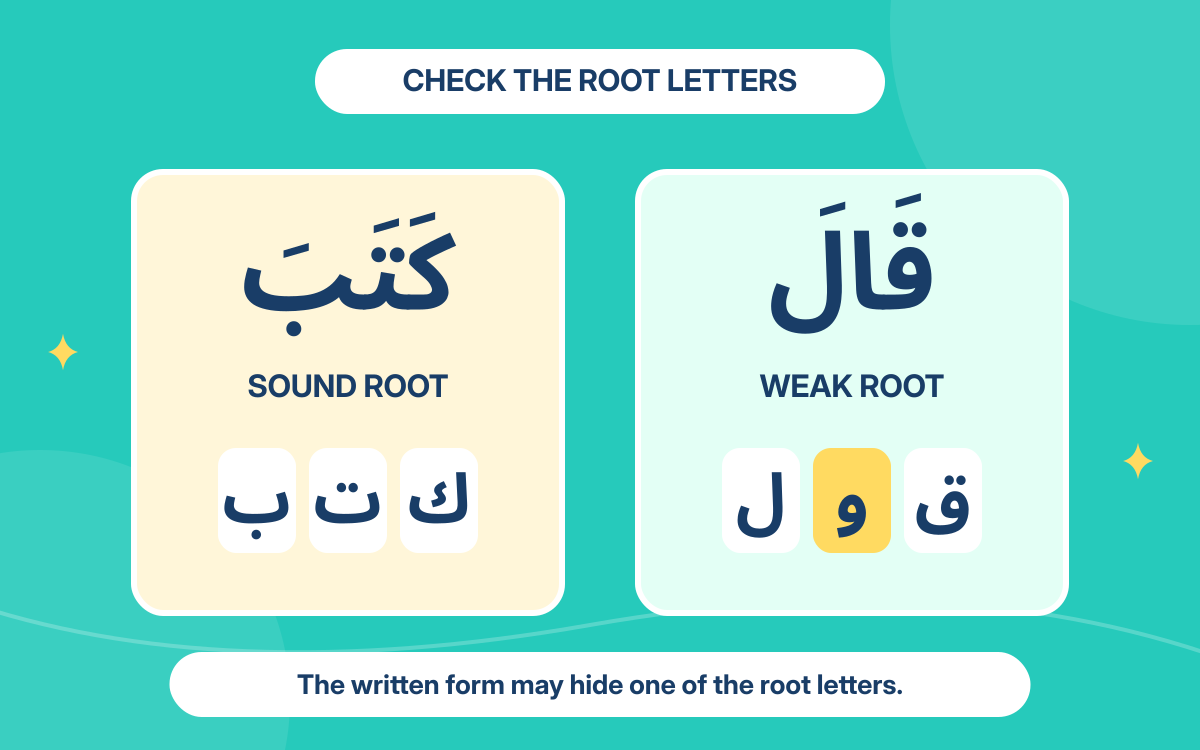
A weak-final verb has waw or ya as its last root letter. That letter can appear differently or disappear when the verb changes form. Naqis, often translated as defective, names this root pattern. Start with a few common models and compare the same person across different constructions.
01Locate the final weak radical
دَعَا — بَكَى — نَسِيَ
daa — baka — nasiya
He called or invited — He cried — He forgot
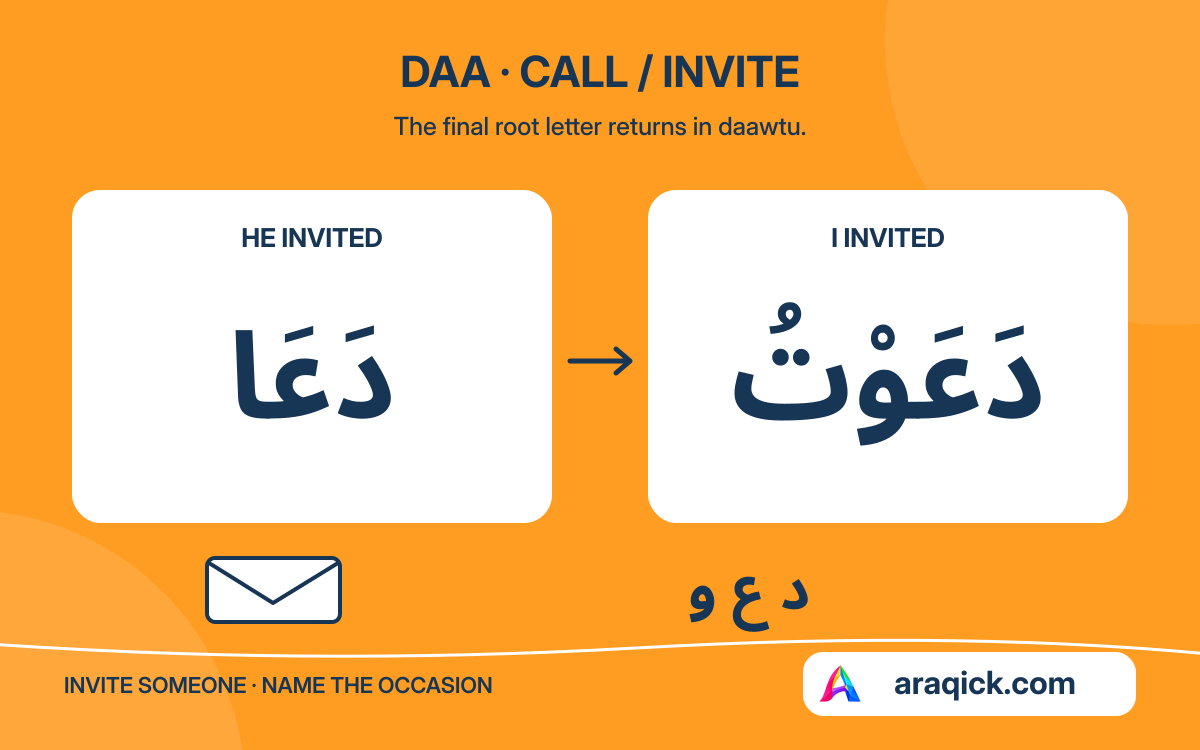
Daa has root د ع و; baka has ب ك ي; nasiya has ن س ي. The first two show final long a with different spellings. Nasiya still shows its ya in the past citation form.
This morphological label is different from calling kana or laysa an incomplete copular verb. Here naqis means weak in the final radical.
02Notice the letter before tu
دَعَوْتُ صَدِيقًا
daawtu sadiqan
I invited a friend.
بَكَيْتُ — نَسِيتُ الْعُنْوَانَ
bakaytu — nasitu alunwana
I cried — I forgot the address
The first two forms reveal waw or ya before the I ending. Nasiya instead gives nasitu with a long i before tu. Do not build these forms by attaching tu to the unchanged dictionary spelling.
Learn the past pair as a unit: daa–daawtu, baka–bakaytu and nasiya–nasitu. Different weak-final models need different complete stems.
03Compare indicative and subjunctive
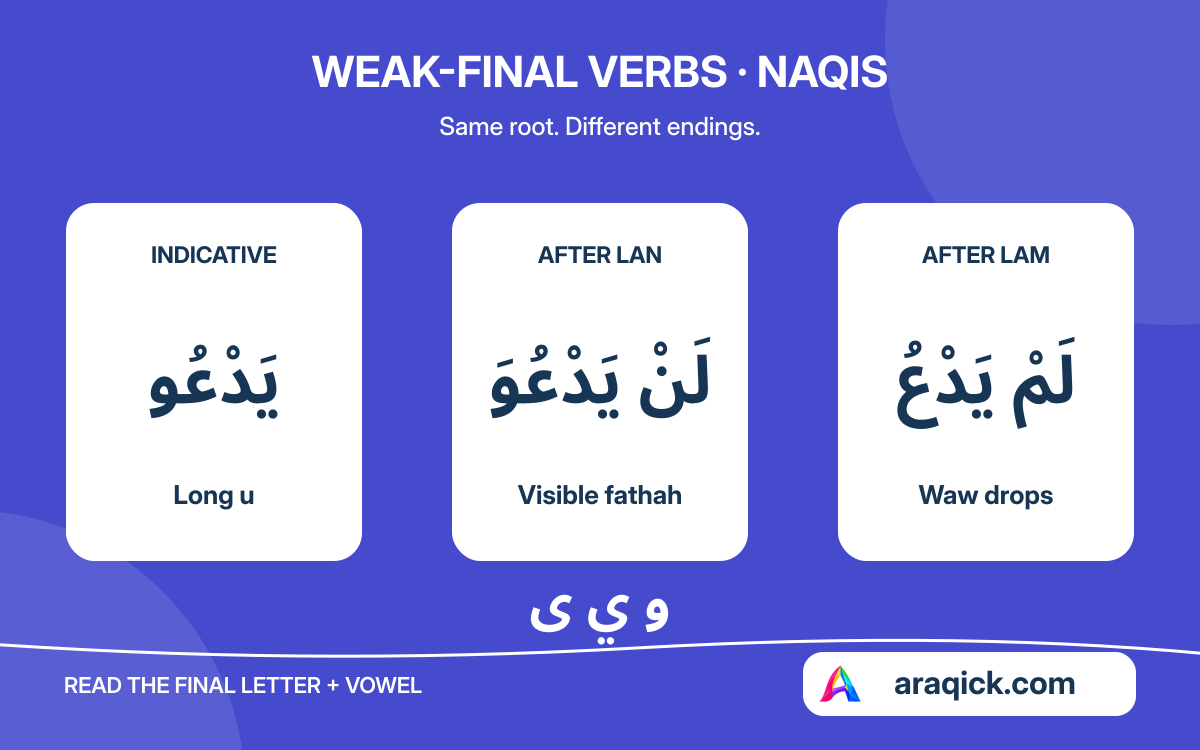
يَدْعُو → لَنْ يَدْعُوَ
yadu → lan yaduwa
He calls or invites → He will not call or invite
The ordinary yadu ends in long u, written waw. Its indicative dammah is estimated, not written as an extra vowel on waw. After lan, a visible fathah appears on the final waw: yaduwa.
Similarly, يَبْكِي becomes لَنْ يَبْكِيَ. But يَنْسَى and لَنْ يَنْسَى keep the same visible final alif maqsura: their different mood vowels are estimated. Same spelling does not prove same mood.
04Remove the final weak letter in these jussives
لَمْ يَدْعُ — لَمْ يَبْكِ — لَمْ يَنْسَ
lam yadu — lam yabki — lam yansa
He did not invite — He did not cry — He did not forget
The singular jussive forms drop final waw, ya or alif maqsura. The preceding short vowel remains: u, i or a. Do not replace that short vowel with sukun merely because lam is present.
These are third-person singular models. The five verbs and the fixed female-group forms follow additional rules; avoid deleting letters mechanically in every conjugation.
05Recognise the short singular commands
اُدْعُ صَدِيقًا
udu sadiqan
Invite a friend. — to one man
The singular command udu also lacks the final root waw. Compare اِبْكِ (ibki, cry) and اِنْسَ (insa, forget). Their final short vowels remain audible in the teaching forms.
The final weak letter returns or combines differently in other person forms. This guide teaches the selected singular changes; the reference chart adds safe past comparisons. Revisit verb moods and commands for the regular baseline. Plain reading aids simplify Arabic sounds and vowel length, so compare the Arabic endings closely.
What to remember
- Weak-final verbs have original waw or ya in the final root position.
- Subjunctive endings can be visible or estimated; singular jussives drop the weak letter.
- Learn complete past and command forms, and keep these singular rules separate from group patterns.
Your reference shelf
Open a guide whenever you need it.
Four models across the three moodsCompare only the he form in this chart
| Meaning | Indicative | With lan | With lam |
|---|---|---|---|
| Call / invite | يَدْعُو | لَنْ يَدْعُوَ | لَمْ يَدْعُ |
| Cry | يَبْكِي | لَنْ يَبْكِيَ | لَمْ يَبْكِ |
| Forbid | يَنْهَى | لَنْ يَنْهَى | لَمْ يَنْهَ |
| Forget | يَنْسَى | لَنْ يَنْسَى | لَمْ يَنْسَ |
Indicative dammah is estimated on final waw, ya and alif here. Subjunctive fathah appears on waw and ya but is estimated on alif. The singular jussive is marked by deleting the final weak letter. The short vowel before it remains; these are not regular sound-final sukun models.
Past forms that reveal the stemCompare he, I and we without guessing from the spelling
| Meaning | He | I | We |
|---|---|---|---|
| Invite | دَعَا | دَعَوْتُ | دَعَوْنَا |
| Cry | بَكَى | بَكَيْتُ | بَكَيْنَا |
| Forbid | نَهَى | نَهَيْتُ | نَهَيْنَا |
| Forget | نَسِيَ | نَسِيتُ | نَسِينَا |
The five-verb patterns can change mood through nun deletion, while female-group forms with subject nun are fixed. Those person patterns cannot be generated by taking every entry in this singular chart and simply deleting its last letter.
Sources & further learning
References for the language explanations and learning guidance.