Bilal prepares for an interview at a bookshop. He practises describing his experience, talks about his interests and explains when he can work.
01Read the Arabic story
مُقَابَلَتِي الْأُولَى لِلْعَمَلِ
اِسْمِي بِلَالٌ، وَأَدْرُسُ فِي الْجَامِعَةِ. كَانَتْ عِنْدِي مُقَابَلَةٌ لِوَظِيفَةٍ فِي مَكْتَبَةٍ صَغِيرَةٍ. فِي اللَّيْلَةِ السَّابِقَةِ، قَرَأْتُ إِعْلَانَ الْوَظِيفَةِ مَرَّةً أُخْرَى، وَكَتَبْتُ فِي دَفْتَرِي بَعْضَ الْأَسْئِلَةِ. سَأَلَتْنِي أُمِّي عَنْ خِبْرَتِي وَاهْتِمَامَاتِي، فَتَدَرَّبْتُ عَلَى الْإِجَابَةِ بِجُمَلٍ قَصِيرَةٍ وَوَاضِحَةٍ. ثُمَّ اِخْتَرْتُ مَلَابِسِي لِلصَّبَاحِ وَوَضَعْتُ دَفْتَرِي فِي حَقِيبَتِي.
فِي الصَّبَاحِ، وَصَلْتُ إِلَى الْمَكْتَبَةِ قَبْلَ الْمَوْعِدِ بِعَشْرِ دَقَائِقَ. كُنْتُ مُتَوَتِّرًا قَلِيلًا، لَكِنَّ الْمُدِيرَ رَحَّبَ بِي وَطَلَبَ مِنِّي الْجُلُوسَ. سَأَلَنِي: «هَلْ عَمِلْتَ فِي مَكْتَبَةٍ مِنْ قَبْلُ؟» قُلْتُ: «سَاعَدْتُ عَمِّي فِي مَكْتَبَتِهِ الصَّيْفَ الْمَاضِي. رَتَّبْتُ الْكُتُبَ وَأَجَبْتُ عَنْ أَسْئِلَةِ الزَّبَائِنِ».
ثُمَّ سَأَلَنِي عَنِ الْكُتُبِ الَّتِي أُحِبُّهَا. قُلْتُ: «أُحِبُّ كُتُبَ السَّفَرِ، لِأَنَّنِي أَتَعَلَّمُ مِنْهَا عَنْ أَمَاكِنَ جَدِيدَةٍ». وَعِنْدَمَا سَأَلَنِي عَنْ أَوْقَاتِي، شَرَحْتُ أَنَّنِي أَسْتَطِيعُ الْعَمَلَ بَعْدَ الثَّالِثَةِ فِي أَيَّامِ الدِّرَاسَةِ. أَمَّا يَوْمَ السَّبْتِ، فَيُمْكِنُنِي الْعَمَلُ صَبَاحًا أَيْضًا.
قَبْلَ النِّهَايَةِ، سَأَلْتُ الْمُدِيرَ عَنِ الْمَهَامِّ الْيَوْمِيَّةِ. قَالَ: «سَتُرَتِّبُ الرُّفُوفَ وَتُسَاعِدُ الزَّبَائِنَ عَلَى اِخْتِيَارِ الْكُتُبِ. سَنُرْسِلُ لَكَ جَوَابَنَا بَعْدَ يَوْمَيْنِ». شَكَرْتُهُ وَخَرَجْتُ مِنَ الْمَكْتَبَةِ. لَمْ أَكُنْ أَعْرِفُ نَتِيجَةَ الْمُقَابَلَةِ بَعْدُ، لَكِنَّنِي شَعَرْتُ بِالرَّاحَةِ، لِأَنَّنِي شَرَحْتُ خِبْرَتِي وَأَوْقَاتِي بِوُضُوحٍ.
Show English translationHide English translation
My name is Bilal, and I study at university. I had an interview for a job in a small bookshop. The night before, I read the job advertisement again and wrote some questions in my notebook. My mother asked me about my experience and interests, so I practised answering in short, clear sentences. Then I chose my clothes for the morning and put my notebook in my bag.
In the morning, I reached the bookshop ten minutes before the appointment. I was a little nervous, but the manager welcomed me and asked me to sit down. He asked me, “Have you worked in a bookshop before?” I said, “I helped my uncle in his bookshop last summer. I arranged the books and answered customers’ questions.”
Then he asked me about the books I liked. I said, “I like travel books because I learn about new places from them.” When he asked about my availability, I explained that I could work after three on days when I had classes. On Saturdays, I could work in the morning too.
Before the end, I asked the manager about the daily tasks. He said, “You will arrange the shelves and help customers choose books. We will send you our answer in two days.” I thanked him and left the bookshop. I did not yet know the result of the interview, but I felt relieved because I had explained my experience and availability clearly.
02Useful words from the story
| Arabic in the story | Meaning here |
|---|---|
| إِعْلَانَ الْوَظِيفَةِ | the job advertisement |
| خِبْرَتِي | my experience |
| مُتَوَتِّرًا | nervous |
| الصَّيْفَ الْمَاضِي | last summer |
| الزَّبَائِنِ | the customers |
| كُتُبَ السَّفَرِ | travel books |
| الْمَهَامِّ الْيَوْمِيَّةِ | the daily tasks |
| بِوُضُوحٍ | clearly |
03Check your understanding
Choose one answer for each question. Look back at the Arabic story when you need a clue. Open the English support if you need help understanding a question.
What to remember
- Bilal gives concrete examples of helping in a bookshop and explains his availability around his classes.
- He leaves feeling relieved because his answers were clear, while the manager’s decision is still pending.
Explore the Arabic in this story
Related grammar and vocabularyOpen Araqick guides connected to this story.
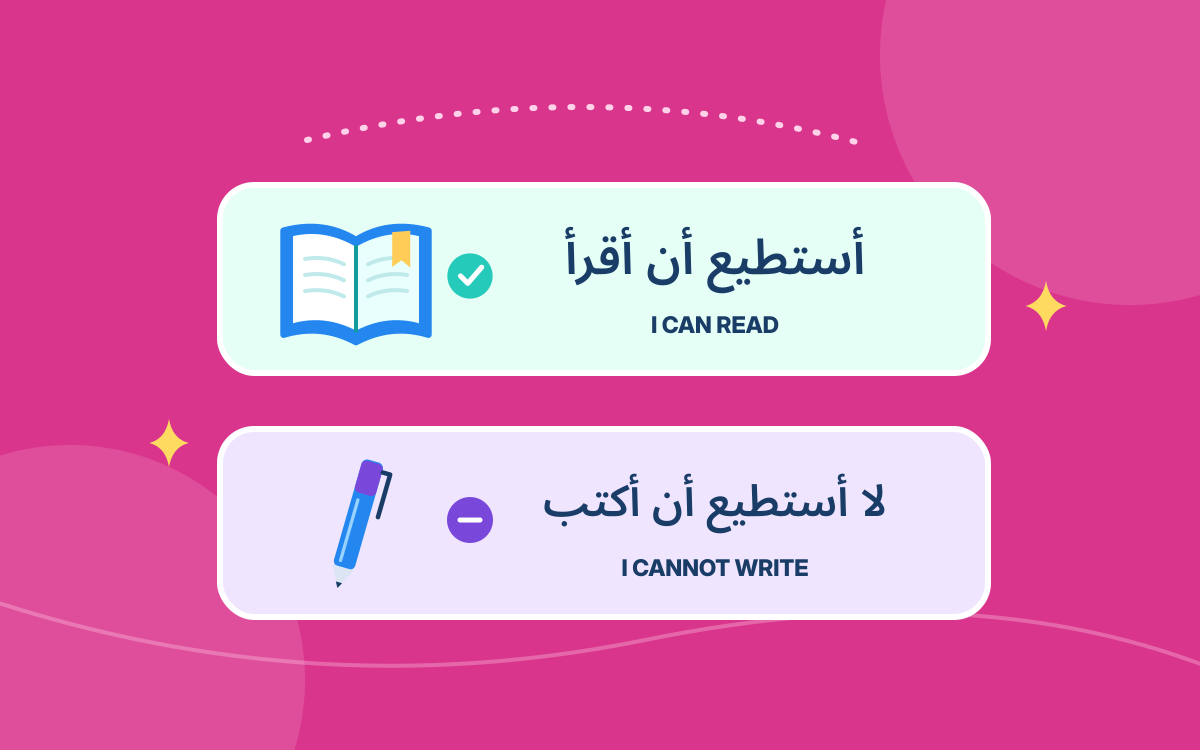
How to Say “I Can” and “I Can’t” in Arabic
أَسْتَطِيعُ الْعَمَلَ بَعْدَ الثَّالِثَةِ
Read how Bilal explains the hours when he can work.
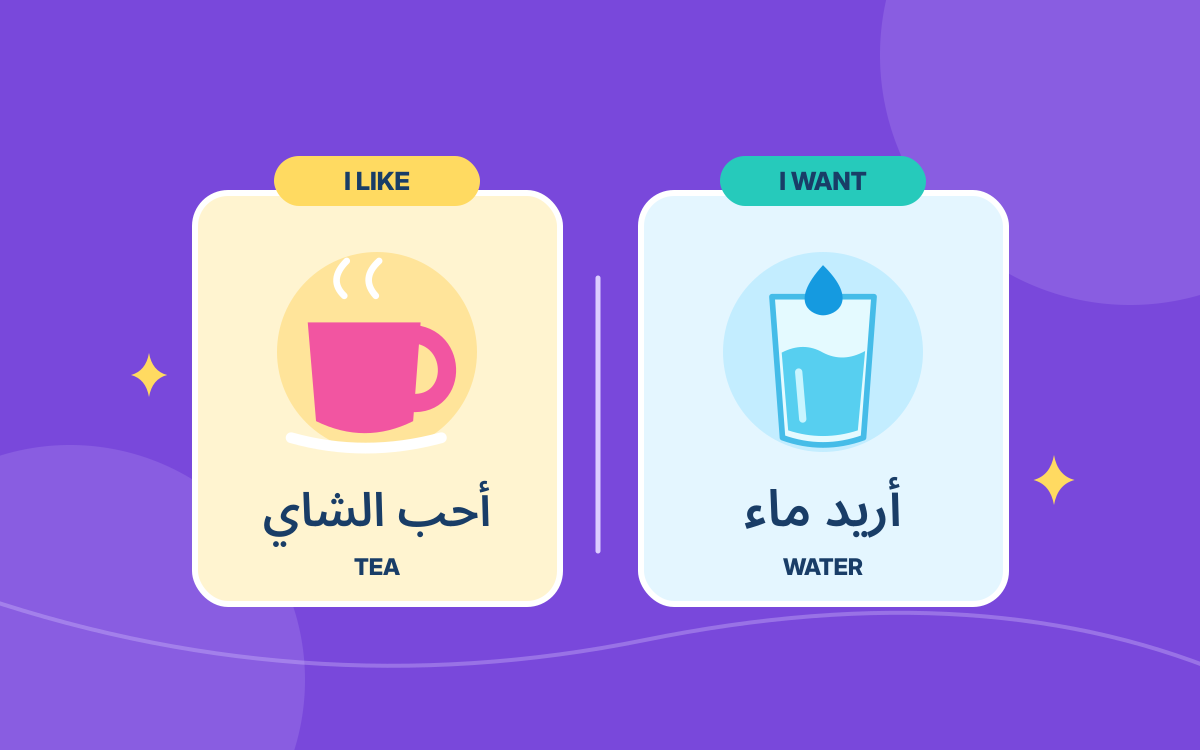
“I Like” and “I Want” in Arabic: Two Useful Sentence Patterns
أُحِبُّ كُتُبَ السَّفَرِ
Use Bilal’s answer about travel books to practise expressing a preference.
Arabic Past-Tense Endings: I Wrote, You Wrote and We Wrote
رَتَّبْتُ الْكُتُبَ وَأَجَبْتُ عَنْ أَسْئِلَةِ الزَّبَائِنِ
Notice the first-person past forms as Bilal describes his previous experience.