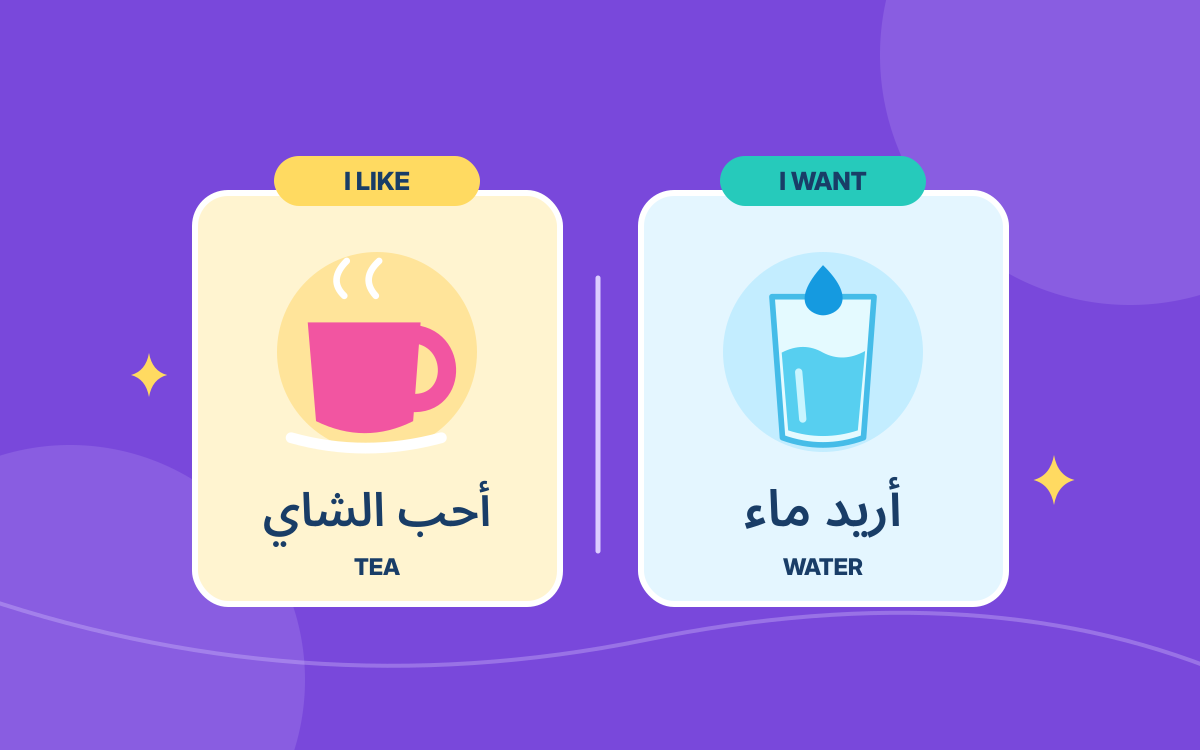
Uhibbu means I like or I love; uridu means I want. One can describe a preference, while the other expresses something you want to have. Start with tea and water, then use these two Modern Standard Arabic patterns to make your meaning clear.
01Say what you like
uhibbu ashshay
I like tea.
أُحِبُّ uhibbu can mean I like or I love, depending on the context. Here it describes enjoying tea. الشَّاي ashshay means the tea, but natural English leaves out the when discussing tea generally.
Liking tea does not automatically mean that you want a cup right now.
02Ask for something you want
uridu ma
I want water.
أُرِيدُ uridu means I want, and مَاء ma means water. You can use this sentence when choosing a drink. It tells the listener what you want to have.
- Both uhibbu and uridu already include I.
- A man or a woman uses the same first-person forms.
- Keep the thing liked or wanted after the verb in these models.
03Add a suitable please
أُرِيدُ مَاءً، مِنْ فَضْلِكَ
uridu ma min fadlika
I want water, please. Addressing one man.
Use مِنْ فَضْلِكِ min fadliki instead when addressing one woman. The last vowel in please follows the listener, while uridu stays the same for the speaker.
Say the request calmly and finish with شُكْرًا shukran, thank you. These polite additions make the short sentence useful at a café or when someone offers you a drink.
04Say what you do not like
لَا أُحِبُّ الْقَهْوَة
la uhibbu alqahwa
I do not like coffee.
الْقَهْوَة alqahwa means the coffee. Place لَا la before uhibbu to make this present statement negative. Keep the verb itself unchanged.
Preference or request? I do not like coffee describes your taste. I want water states your choice. You can use the two sentences together when explaining what you would like to drink.
05Choose the meaning before the words
uhibbu ashshay
Talking about a drink you enjoy.
uridu ashshay
Choosing the tea that is being offered.
Here the noun stays the same; the verb changes your message. In the second example, you are selecting the tea in front of you or already mentioned.
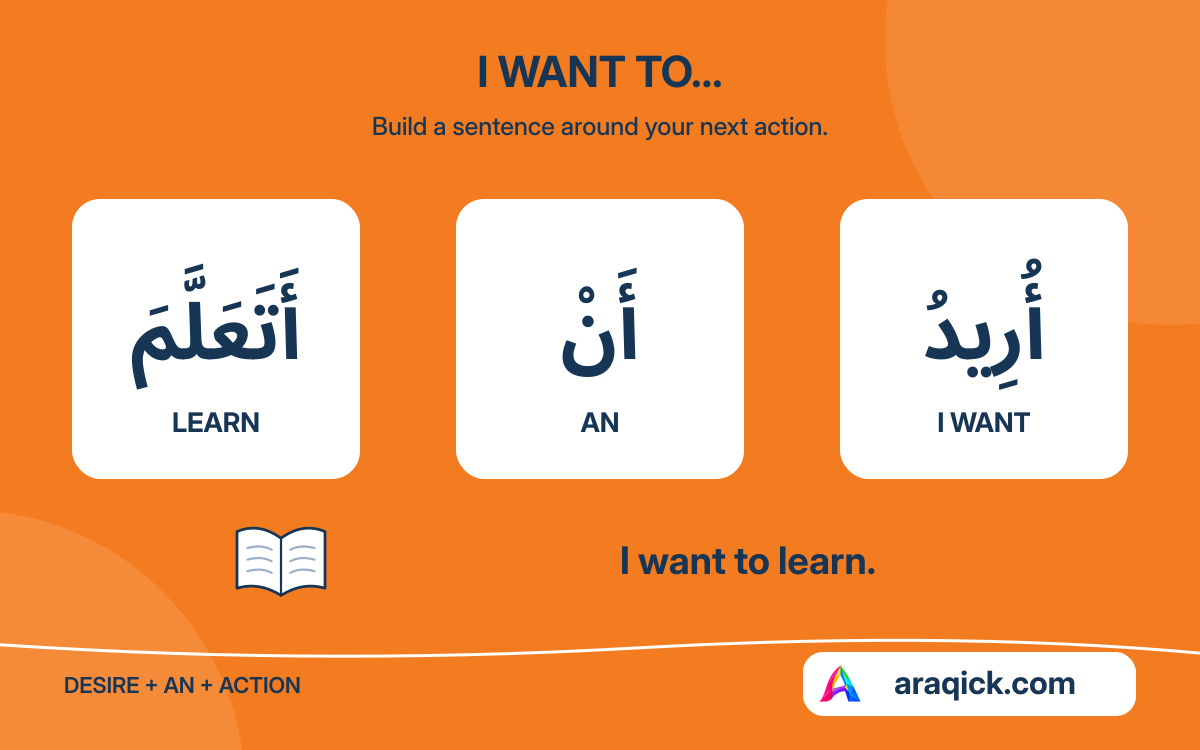
You can add أَنَا ana, I, before either sentence to make the speaker explicit. It is optional because the verb already identifies the speaker. For now, practise a noun after each verb. Saying I want to do an action uses another pattern, which you can learn separately.
What to remember
- Use uhibbu to describe liking or love and uridu to state what you want.
- Both first-person forms work for male and female speakers.
- Add the appropriate please form, and put la before uhibbu for I do not like.
Your reference shelf
Open a guide whenever you need it.
Compare the two patternsOpen preference, request and polite forms
| Meaning | Arabic | Plain reading aid |
|---|---|---|
| I like tea | أُحِبُّ الشَّاي | uhibbu ashshay |
| I want water | أُرِيدُ مَاءً | uridu ma |
| I want the tea | أُرِيدُ الشَّاي | uridu ashshay |
| I do not like coffee | لَا أُحِبُّ الْقَهْوَة | la uhibbu alqahwa |
| Please, to one man | مِنْ فَضْلِكَ | min fadlika |
| Please, to one woman | مِنْ فَضْلِكِ | min fadliki |
The plain reading aids omit pronunciation symbols and some grammatical endings. Ma is the simplified aid for water; the Arabic spelling ماءً in the request shows its grammatical form. Uhibbu may be translated as like or love according to the context.
Sources & further learning
References for the language explanations and learning guidance.