Salma can read the words in her exercise, but before and after still confuse her. She explains the problem to her teacher and tries an example from her own day.
01Read the Arabic story
مُسَاعَدَةٌ بَعْدَ الدَّرْسِ
كَانَتْ سَلْمَى تَدْرُسُ الْعَرَبِيَّةَ فِي صَفٍّ صَغِيرٍ. فِي أَحَدِ الدُّرُوسِ، قَرَأَتْ تَمْرِينًا فِيهِ كَلِمَتَا «قَبْلَ» وَ«بَعْدَ». عَرَفَتْ مَعَانِي الْكَلِمَاتِ الْأُخْرَى، وَلَكِنَّهَا لَمْ تَفْهَمْ تَرْتِيبَ الْأَحْدَاثِ. حَاوَلَتْ أَنْ تُجِيبَ، ثُمَّ وَضَعَتْ عَلَامَةً بِجَانِبِ السُّؤَالِ لِتَسْأَلَ عَنْهُ بَعْدَ الدَّرْسِ.
عِنْدَمَا خَرَجَ الطُّلَّابُ، قَالَتْ لِلْمُعَلِّمَةِ: «هَلْ يُمْكِنُ أَنْ تُسَاعِدِينِي؟ أَفْهَمُ الْكَلِمَاتِ، وَلَكِنَّنِي لَا أَعْرِفُ أَيَّ عَمَلٍ يَحْدُثُ أَوَّلًا». أَجَابَتِ الْمُعَلِّمَةُ: «بِالتَّأْكِيدِ. لَدَيْنَا عَشْرُ دَقَائِقَ». جَلَسَتَا إِلَى الطَّاوِلَةِ، وَفَتَحَتْ سَلْمَى كِتَابَهَا عَلَى السُّؤَالِ. طَلَبَتِ الْمُعَلِّمَةُ مِنْهَا أَنْ تَقْرَأَ الْجُمْلَةَ بِهُدُوءٍ.
كَتَبَتِ الْمُعَلِّمَةُ مِثَالًا جَدِيدًا فِي دَفْتَرِ سَلْمَى: «أَتَنَاوَلُ الْفَطُورَ قَبْلَ الذَّهَابِ إِلَى الْمَدْرَسَةِ». رَسَمَتْ سَهْمًا مِنْ صُورَةِ الْفَطُورِ إِلَى صُورَةِ الْمَدْرَسَةِ، وَقَالَتْ: «الْفَطُورُ أَوَّلًا، ثُمَّ الْمَدْرَسَةُ». كَتَبَتْ جُمْلَةً أُخْرَى: «أَذْهَبُ إِلَى الْمَدْرَسَةِ بَعْدَ الْفَطُورِ». قَالَتْ سَلْمَى: «التَّرْتِيبُ نَفْسُهُ! أَفْهَمُ الْفَرْقَ الْآنَ».
طَلَبَتِ الْمُعَلِّمَةُ مِثَالًا مِنْ يَوْمِ سَلْمَى. كَتَبَتْ سَلْمَى: «أُرَتِّبُ حَقِيبَتِي قَبْلَ النَّوْمِ». سَأَلَتِ الْمُعَلِّمَةُ: «مَاذَا تَفْعَلِينَ أَوَّلًا؟» أَجَابَتْ سَلْمَى: «أُرَتِّبُ حَقِيبَتِي، ثُمَّ أَنَامُ». اِبْتَسَمَتِ الْمُعَلِّمَةُ وَقَالَتْ: «أَحْسَنْتِ». عَادَتْ سَلْمَى إِلَى التَّمْرِينِ وَأَكْمَلَتْهُ، ثُمَّ شَكَرَتْ مُعَلِّمَتَهَا وَحَمَلَتْ دَفْتَرَهَا إِلَى الْبَيْتِ.
Show English translationHide English translation
Salma was studying Arabic in a small class. In one lesson, she read an exercise containing the words “before” and “after.” She knew the meanings of the other words, but she did not understand the order of events. She tried to answer, then put a mark beside the question so she could ask about it after the lesson.
When the students left, she said to the teacher, “Could you help me? I understand the words, but I do not know which action happens first.” The teacher answered, “Certainly. We have ten minutes.” They sat at the table, and Salma opened her book at the question. The teacher asked her to read the sentence slowly and calmly.
The teacher wrote a new example in Salma’s notebook: “I have breakfast before going to school.” She drew an arrow from the picture of breakfast to the picture of the school and said, “Breakfast first, then school.” She wrote another sentence: “I go to school after breakfast.” Salma said, “The order is the same! I understand the difference now.”
The teacher asked for an example from Salma’s day. Salma wrote, “I pack my bag before sleeping.” The teacher asked, “What do you do first?” Salma answered, “I pack my bag, then I sleep.” The teacher smiled and said, “Well done.” Salma returned to the exercise and completed it, then thanked her teacher and took her notebook home.
02Useful words from the story
| Arabic in the story | Meaning here |
|---|---|
| تَرْتِيبَ الْأَحْدَاثِ | the order of events |
| عَلَامَةً | a mark |
| تُسَاعِدِينِي | help me; addressed to a woman |
| أَوَّلًا | first |
| سَهْمًا | an arrow |
| التَّرْتِيبُ نَفْسُهُ | the order is the same |
| الْفَرْقَ | the difference |
| أَحْسَنْتِ | well done; addressed to a woman |
03Check your understanding
Choose one answer for each question. Look back at the Arabic story when you need a clue. Open the English support if you need help understanding a question.
What to remember
- Salma explains the specific difficulty instead of only saying that the exercise is hard.
- The teacher’s before and after sentences describe the same order: breakfast comes before school.
Explore the Arabic in this story
Related grammar and vocabularyOpen Araqick guides connected to this story.
Arabic Time and Place Adverbs: Before, After, In Front and Behind
بَعْدَ الْفَطُورِ
Compare before and after through the order of breakfast and school.
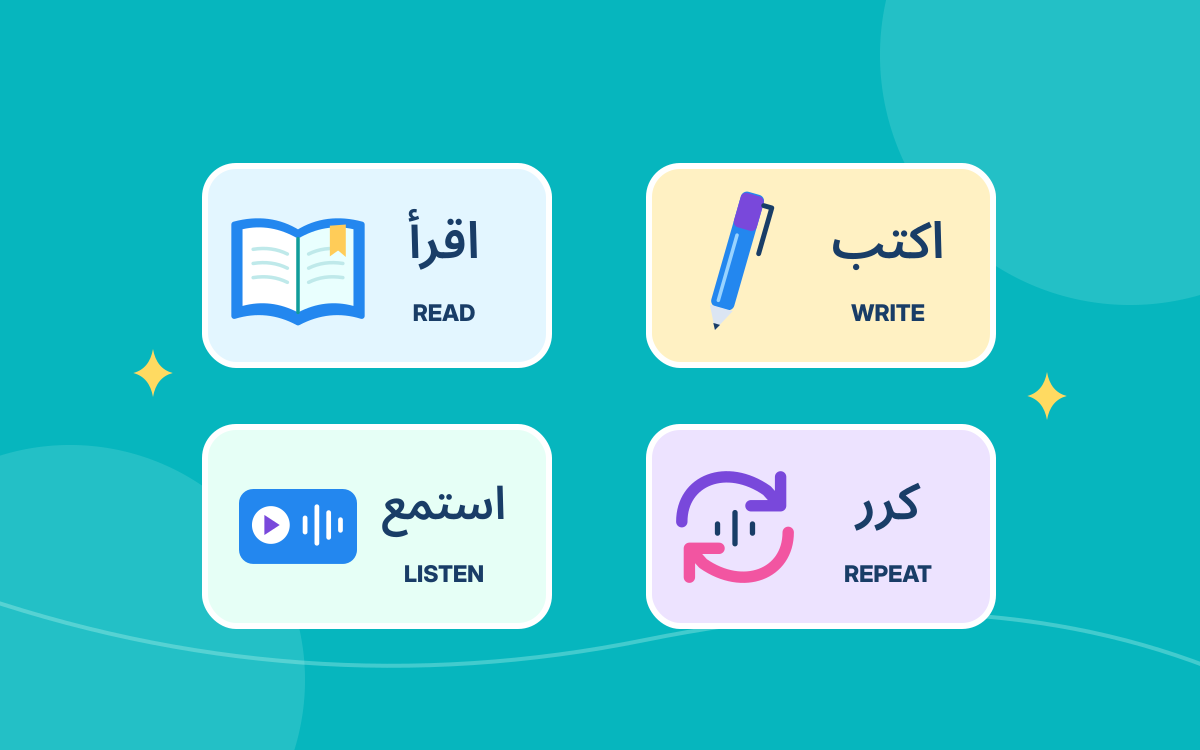
Classroom Arabic: Read, Write, Listen and Repeat
أَحْسَنْتِ
Follow the request to read and the teacher’s response to Salma’s practice.
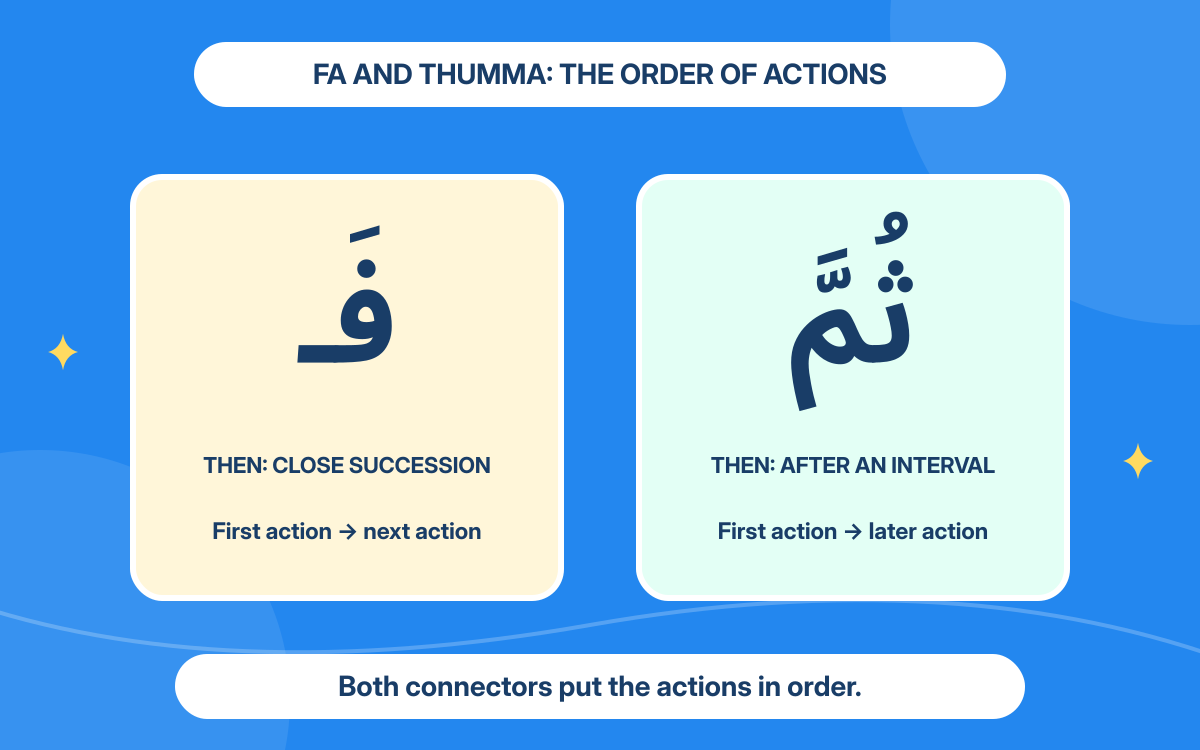
Fa and Thumma: Two Ways to Say “Then” in Arabic
أُرَتِّبُ حَقِيبَتِي، ثُمَّ أَنَامُ
See how then connects the actions in Salma’s own example.