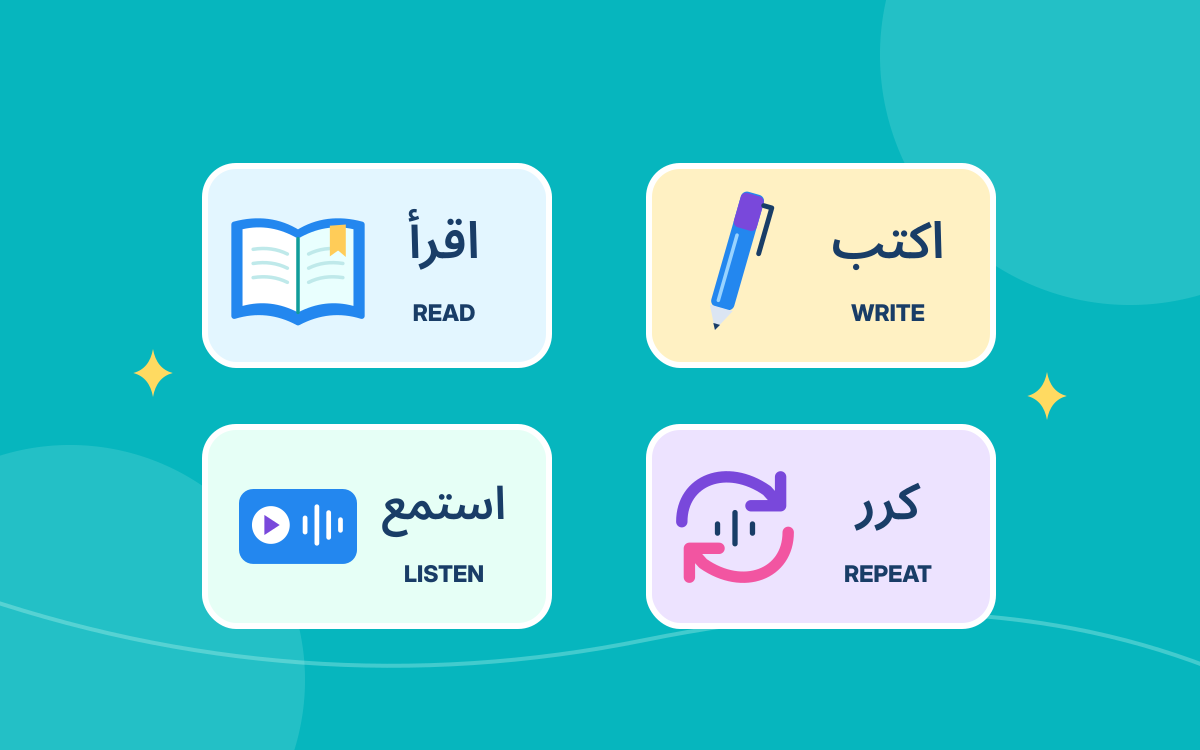
Read, write, listen and repeat are four instructions you can use throughout an Arabic lesson. Start with iqra, uktub, istami and karrir when addressing one male learner. Then learn the matching forms for one female learner. These are Modern Standard Arabic commands for one person.
01Read the words
iqra
Read. To one male learner.
This instruction directs attention to written words: a line in a book, a sentence on a board or a card on your screen. The open book is your visual reminder for reading.
A command asks the listener to do something. Iqra means read as an instruction; it does not mean I read. You do not need to add a separate word for you.
02Put the answer on the page
uktub
Write. To one male learner.
Use uktub when the task is to write. You might copy a word, record an answer or practise a sentence. Keep the two actions distinct: iqra asks for reading; uktub asks for writing.
Imagine a lesson card followed by an empty notebook. First read the card; when the writing instruction appears, use the notebook. The pen illustration marks that change of action.
03Focus on the sound
istami
Listen. To one male learner.
Istami asks the learner to listen attentively, perhaps to the teacher or to a recording. Recognising this word helps you know when the next task concerns sound.
Listening and writing are different instructions. A speaker picture points to listening, while a pen points to writing. A lesson may combine them, but learn each action separately before following a longer sequence.
04Say it again
karrir
Repeat. To one male learner.
In a speaking exercise, karrir asks you to repeat what was said. For example, a teacher says a short word and asks you to say it again. The two sound cards show the same pattern twice.
The doubled middle r in karrir matches the shadda in the Arabic spelling. Keep the action clear: listen first to hear the model, then repeat it when asked.
05Match one female learner, too
| Meaning | Arabic | Plain reading aid |
|---|---|---|
| Read | اِقْرَئِي | iqrai |
| Write | اُكْتُبِي | uktubi |
| Listen | اِسْتَمِعِي | istamii |
| Repeat | كَرِّرِي | karriri |
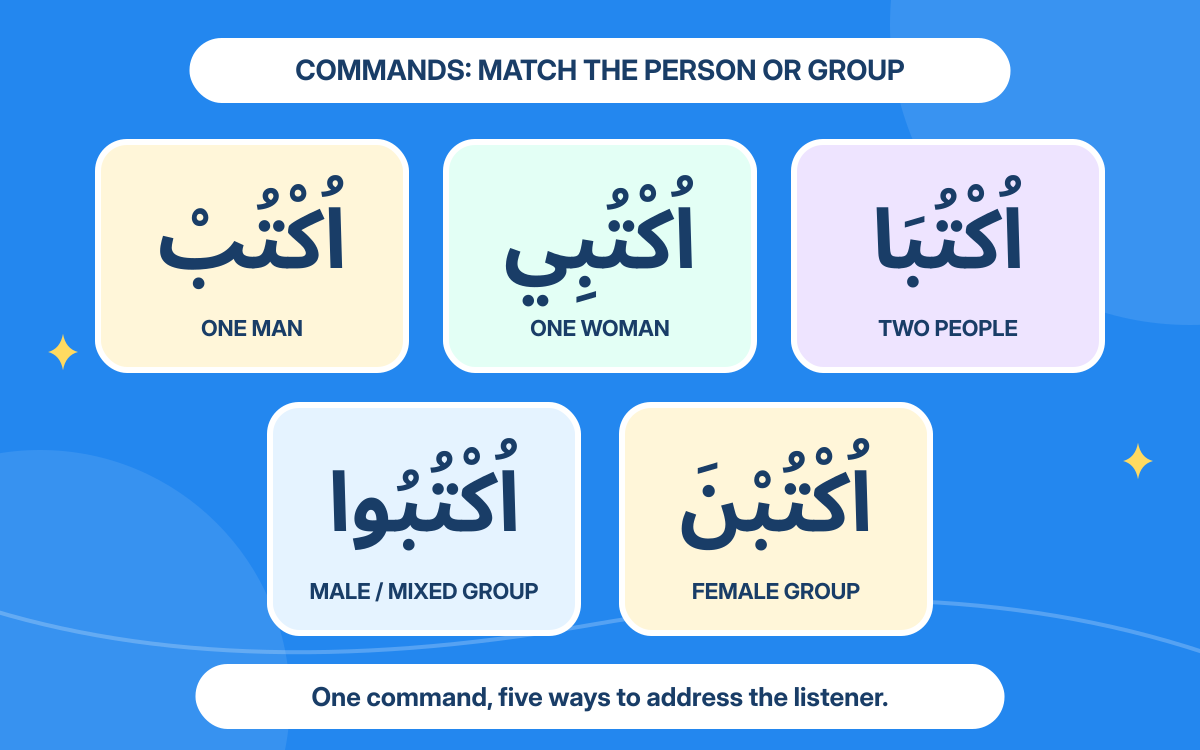
These forms end with the written letter ي. Choose according to the learner being addressed, not the teacher’s gender. Notice the spelling change inside iqrai as well as its final letter.
اِقْرَئِي ثُمَّ اُكْتُبِي
iqrai thumma uktubi
Read, then write. To one female learner.
ثُمَّ thumma means then. Here it connects two instructions in a clear order: reading comes first, writing follows. These forms address one learner; commands to a group use other forms.
What to remember
- Iqra, uktub, istami and karrir address one male learner.
- Use iqrai, uktubi, istamii and karriri for one female learner.
- Thumma means then and links actions in sequence.
Your reference shelf
Open a guide whenever you need it.
Keep all eight forms togetherOpen the four actions for one male and one female learner
| Meaning | Arabic | Plain reading aid |
|---|---|---|
| Read: one male learner | اِقْرَأْ | iqra |
| Read: one female learner | اِقْرَئِي | iqrai |
| Write: one male learner | اُكْتُبْ | uktub |
| Write: one female learner | اُكْتُبِي | uktubi |
| Listen: one male learner | اِسْتَمِعْ | istami |
| Listen: one female learner | اِسْتَمِعِي | istamii |
| Repeat: one male learner | كَرِّرْ | karrir |
| Repeat: one female learner | كَرِّرِي | karriri |
The plain reading aids simplify Arabic sounds. Istami and istamii represent different endings; use the Arabic spelling and listening practice to hear the distinction. This reference covers only instructions to one person.
Sources & further learning
References for the language explanations and learning guidance.