Omar meets Hasan, a new classmate who shares his love of drawing. Practise introductions and simple personal questions as their friendship begins.
01Read the Arabic story
صَدِيقٌ جَدِيدٌ فِي الْفَصْلِ
اِسْمِي عُمَرُ. أَنَا فِي الْفَصْلِ. بِجَانِبِي طَالِبٌ جَدِيدٌ. عَلَى طَاوِلَتِهِ دَفْتَرٌ أَخْضَرُ وَقَلَمٌ. أَقُولُ لَهُ: «مَرْحَبًا! مَا اسْمُكَ؟» يَقُولُ: «اِسْمِي حَسَنٌ». أَقُولُ: «أَهْلًا يَا حَسَنُ. أَيْنَ تَسْكُنُ؟»
يَقُولُ حَسَنٌ: «أَسْكُنُ قُرْبَ الْمَكْتَبَةِ مَعَ أُسْرَتِي. عِنْدِي أُخْتٌ صَغِيرَةٌ». أَقُولُ: «عِنْدِي أُخْتٌ أَيْضًا! هَلْ تُحِبُّ الرَّسْمَ؟» يَقُولُ: «نَعَمْ، أُحِبُّ رَسْمَ الْبُيُوتِ وَالْأَشْجَارِ».
أَفْتَحُ دَفْتَرِي. فِيهِ رَسْمُ بَيْتٍ وَشَجَرَةٍ كَبِيرَةٍ. أَقُولُ: «أَنَا أُحِبُّ الرَّسْمَ أَيْضًا». يَبْتَسِمُ حَسَنٌ وَيَفْتَحُ دَفْتَرَهُ. نَرْسُمُ حَدِيقَةً مَعًا. عِنْدِي الْآنَ صَدِيقٌ جَدِيدٌ.
Show English translationHide English translation
My name is Omar. I am in the classroom. Beside me is a new student. On his desk are a green notebook and a pen. I say to him, “Hello! What is your name?” He says, “My name is Hasan.” I say, “Welcome, Hasan. Where do you live?”
Hasan says, “I live near the library with my family. I have a little sister.” I say, “I have a sister too! Do you like drawing?” He says, “Yes, I like drawing houses and trees.”
I open my notebook. In it is a drawing of a house and a big tree. I say, “I like drawing too.” Hasan smiles and opens his notebook. We draw a garden together. Now I have a new friend.
02Useful words from the story
| Arabic | Meaning in the story |
|---|---|
| طَالِبٌ | a student |
| مَرْحَبًا | hello |
| تَسْكُنُ | you live, said to a boy or man |
| قُرْبَ الْمَكْتَبَةِ | near the library |
| أُخْتٌ صَغِيرَةٌ | a little sister |
| الرَّسْمَ | drawing |
| صَدِيقٌ جَدِيدٌ | a new friend |
03Check your understanding
Answer these 6 questions using the story. You can reopen the translation or return to the Arabic text whenever you need help.
What to remember
- Use مَا اسْمُكَ؟ (what is your name?) and أَيْنَ تَسْكُنُ؟ (where do you live?) when speaking to a boy or man.
- Notice أَيْضًا (too): Omar uses it to show that he and Hasan have things in common.
Explore the Arabic in this story
Related grammar and vocabularyOpen Araqick guides connected to this story.
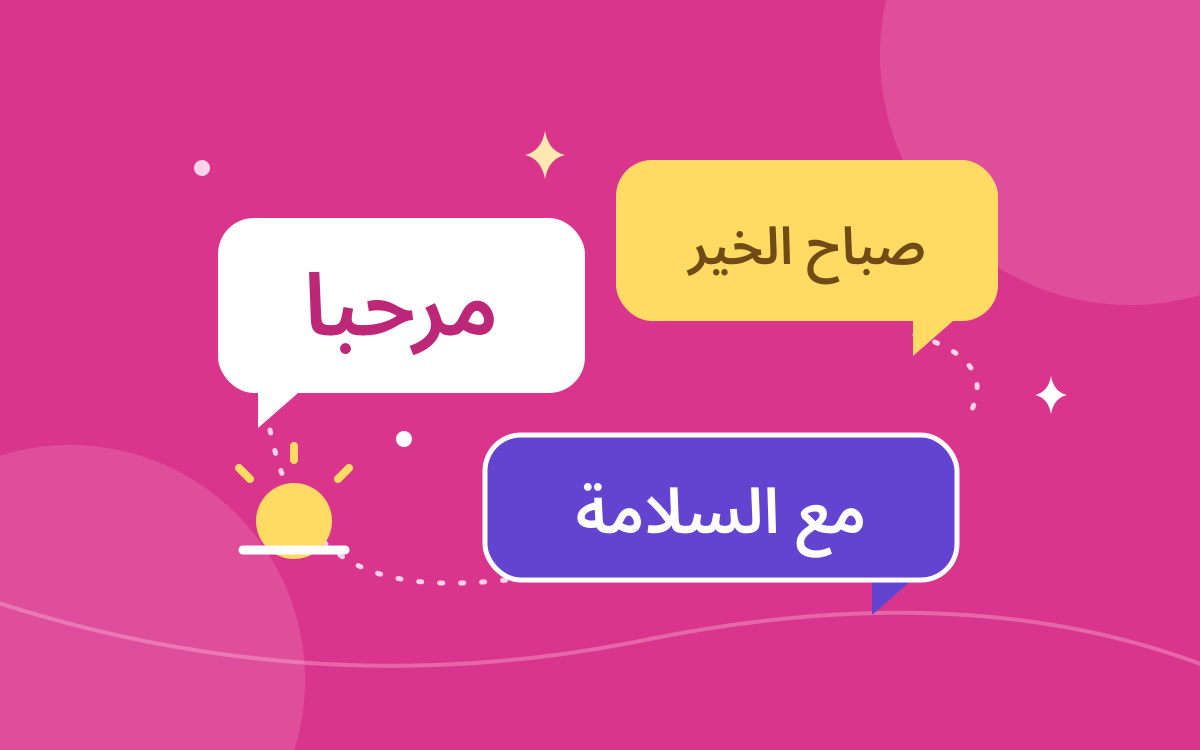
Arabic Greetings: Hello, How Are You, and Goodbye
مَرْحَبًا / أَهْلًا
Use the friendly greetings Omar offers his new classmate.
Arabic Question Words: Who, What, Where, When, and Why
مَا اسْمُكَ؟ / أَيْنَ تَسْكُنُ؟
Compare the questions Omar asks about Hasan’s name and home.
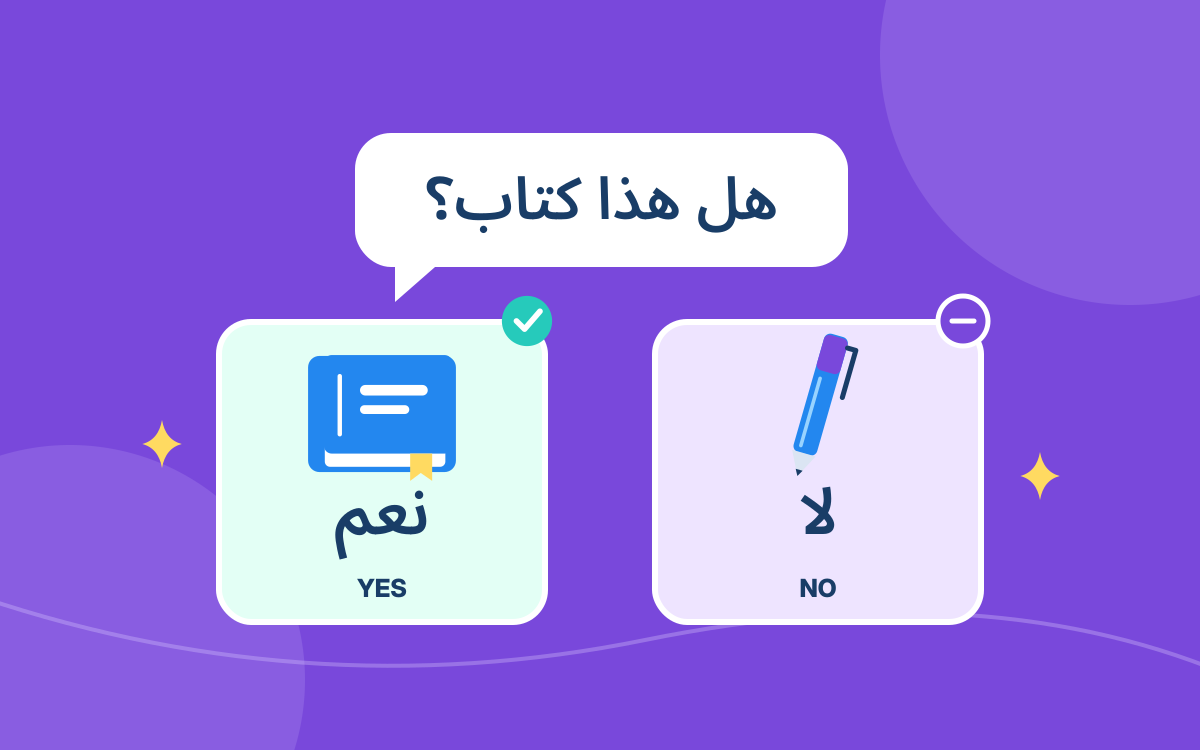
Yes or No Questions in Arabic: Ask and Answer with Hal
هَلْ تُحِبُّ الرَّسْمَ؟
See how Omar uses “hal” to ask whether Hasan likes drawing.