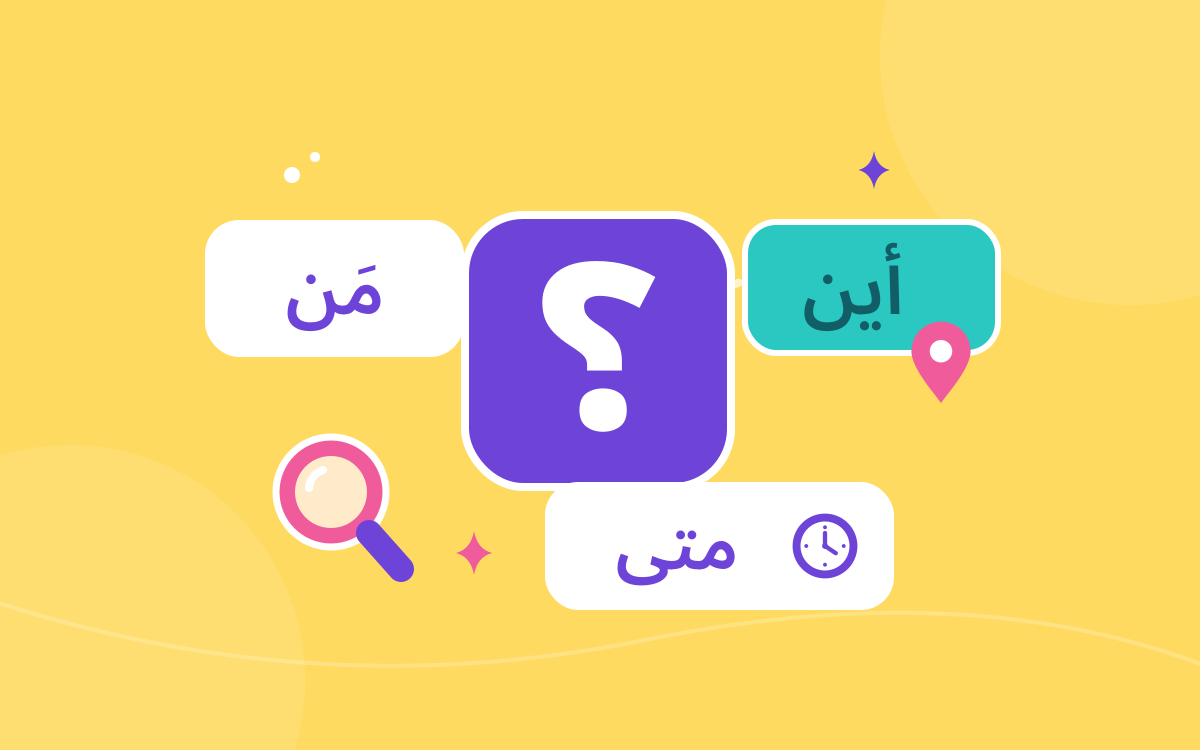
Use man for who, ayna for where, and mata for when. The right question word depends on the answer you need: a person, a place, a time, or something else. Try these short Modern Standard Arabic patterns, then practise choosing your own questions.
01Who or what?
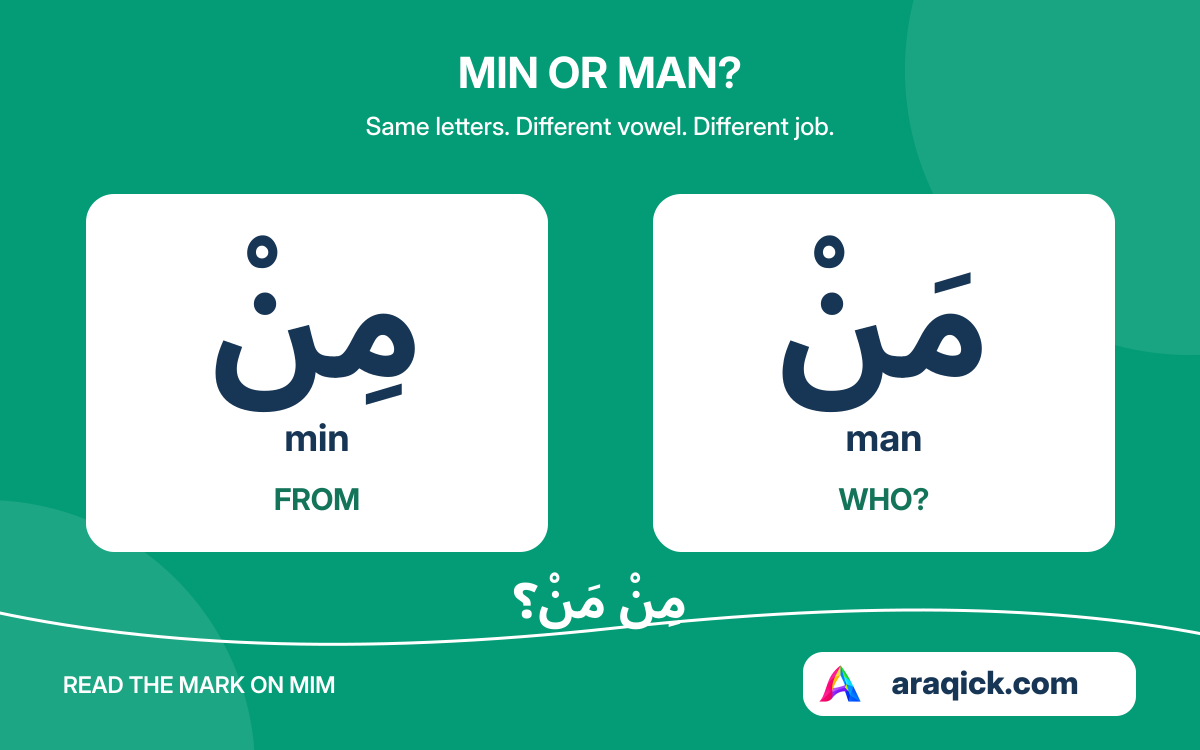
- مَنْ man asks about a person: who?
- مَا ma asks what something is.
مَنْ هَذَا؟
man hadha
Who is this?
مَا هَذَا؟
ma hadha
What is this?
“Ahmad” can answer the first question; “a book” can answer the second. Do not confuse مَنْ man, who, with مِنْ min, from. The short vowel changes the meaning.
02Where or when?
Place: أَيْنَ الْكِتَاب؟
ayna alkitab — Where is the book?
Reply: هُنَا huna — Here.
Time: مَتَى الدَّرْس؟
mata addars — When is the lesson?
Reply: غَدًا ghadan — Tomorrow.
- Ayna asks for a location; mata asks for a time.
- A short answer is enough when the context is clear.
- These questions need no separate present-tense word for “is.”
Learn the reply too: recognising the question is only half the exchange.
03How or why?
- كَيْفَ kayfa asks how: a condition or a way of doing something.
- لِمَاذَا limadha asks why: a reason.
كَيْفَ حَالُكَ؟
kayfa haluka
How are you? Addressing one man.
To a woman, say كَيْفَ حَالُكِ؟ kayfa haluki. The word kayfa stays the same.
لِمَاذَا تَدْرُسُ الْعَرَبِيَّة؟
limadha tadrusu alarabiyya
Why do you study Arabic? Addressing one man.
A possible reply is لِلْعَمَل lilamal, “For work.” A reason can be a short phrase; it does not always need “because.”
04Ask about an amount or a choice
بِكَمْ هَذَا؟
bikam hadha
How much is this?
- كَمْ kam asks how many or how much. Bikam is a useful price question.
- أَيّ ayy means which. Use it to ask about a choice.
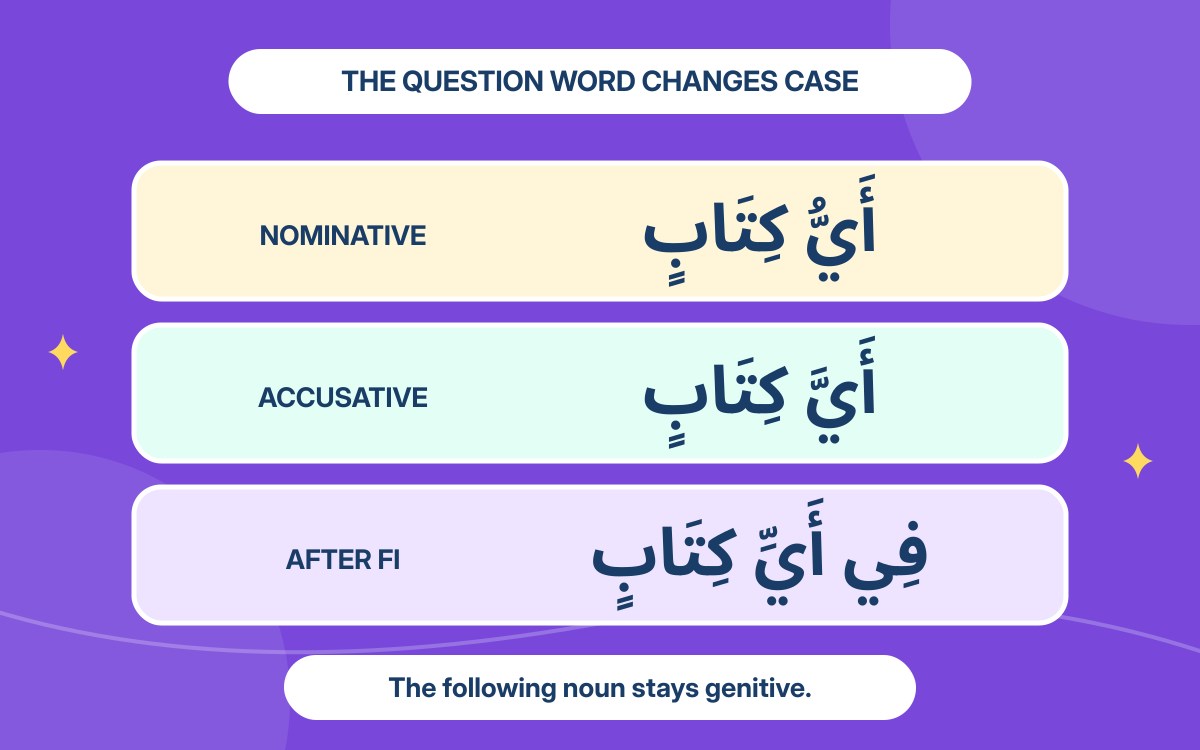
- أَيُّ كِتَابٍ هَذَا؟ ayyu kitabin hadha means “Which book is this?” Its endings depend on the grammar.
Keep quantity and choice separate: a price is an amount, while “which book?” identifies an item. Practise with small price tags and numbers you already know.
For a counting question, learn a complete example: كَمْ قَلَمًا؟ kam qalaman, “How many pens?” The counted noun is singular here, even though English uses a plural.
05Ask for confirmation
هَلْ هَذَا كِتَاب؟
hal hadha kitab
Is this a book?
هَلْ hal introduces a yes/no question. A reply can be نَعَم naam, yes, or لَا la, no.
Compare ma hadha: it asks you to identify the object. Hal hadha kitab asks you to confirm whether it is a book.
You will also meet مَاذَا madha, “what,” often with a verb: مَاذَا تَشْرَب؟ madha tashrab, “What are you drinking?” to one man. Learn these as useful patterns; regional question forms and pronunciation vary.
The plain reading aids do not show every Arabic sound or vowel length. Use them with listening practice, and keep a possible answer beside each question.
What to remember
- Decide what information is missing before choosing a question word.
- Learn one complete question and a possible reply together.
- Hal asks for yes or no; words such as ayna ask for specific information.
Your reference shelf
Open a guide whenever you need it.
All 10 question forms at a glanceOpen the complete question-word reference
| Arabic | Say it | Meaning | What you want to know |
|---|---|---|---|
| مَنْ | man | who | A person |
| مَا | ma | what | An identity or thing |
| مَاذَا | madha | what | Often an action or its object |
| أَيْنَ | ayna | where | A place |
| مَتَى | mata | when | A time |
| لِمَاذَا | limadha | why | A reason |
| كَيْفَ | kayfa | how | A manner or condition |
| كَمْ | kam | how many; how much | A number or quantity |
| أَيّ | ayy | which | A choice from a set |
| هَلْ | hal | yes/no question marker | Confirmation |
Sources & further learning
References for the language explanations and learning guidance.
- Madinah Arabic: overview of Arabic question words
- Madinah Arabic: man, “who”, and min, “from”
- Madinah Arabic: ma and identification questions
- Madinah Arabic: madha in questions with verbs
- Madinah Arabic: asking about time
- Madinah Arabic: kam and quantity questions
- Madinah Arabic: hal and the interrogative hamza