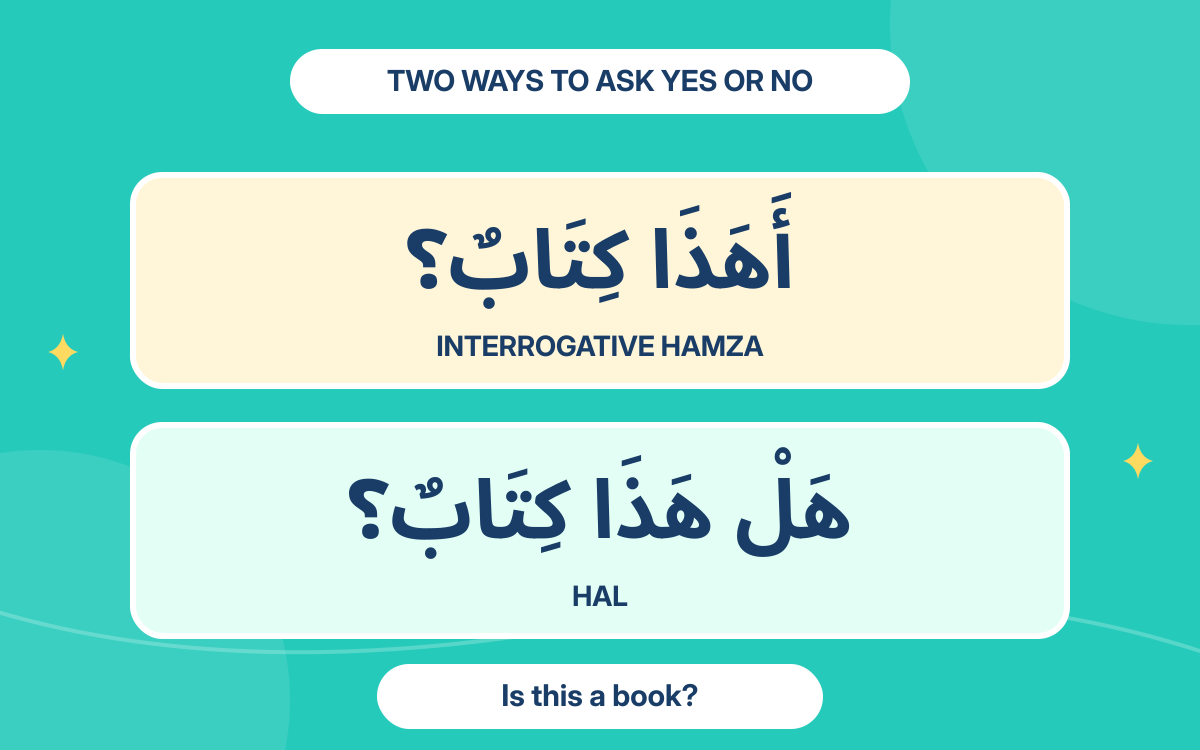
Hal introduces a yes or no question in Modern Standard Arabic. Put it before a statement such as “This is a book” to ask “Is this a book?” Answer naam for yes or la for no. This lesson uses affirmative questions and simple positive or negative replies.
01Turn a statement into a question
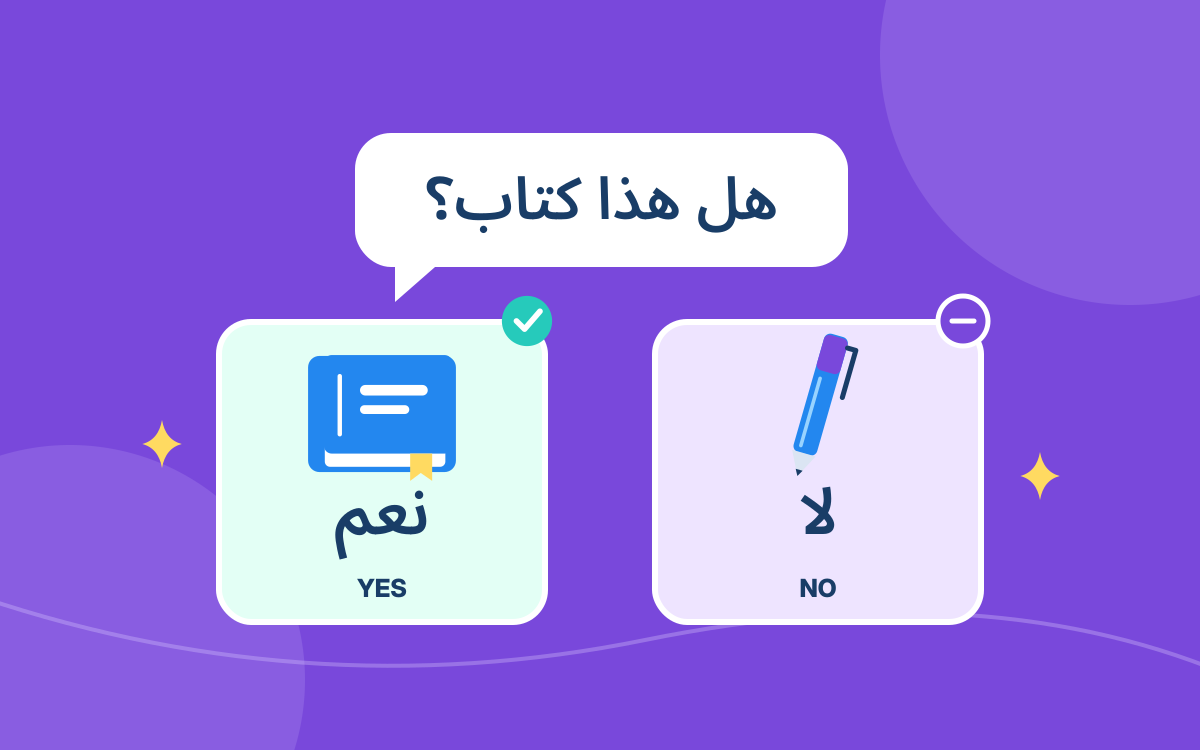
هَلْ هَذَا كِتَابٌ؟
hal hadha kitab
Is this a book?
The picture shows a book, so the answer is نَعَمْ naam, yes. Hal signals the question; hadha kitab supplies the information you are checking.
02Correct the information
لَا، هَذَا قَلَمٌ
la hadha qalam
No, this is a pen.
Ask the same book question while pointing to this pen. Answer la because the object is not a book. Then name what it actually is. You do not need to translate the English is as a separate Arabic word here.
For the pictured book, a longer yes answer is نَعَمْ، هَذَا كِتَابٌ naam hadha kitab: yes, this is a book.
03Ask about a habit
هَلْ تَشْرَبُ الْقَهْوَةَ؟
hal tashrabu alqahwa
Do you drink coffee? — to one man
نَعَمْ، أَشْرَبُ الْقَهْوَةَ
naam ashrabu alqahwa
Yes, I drink coffee.
Tashrabu addresses one man as you. In the reply, ashrabu means I drink. The person answering can be a man or a woman; this first person form stays the same.
Watch the first letter of the verb. A reply about yourself needs the I form, rather than repeating the you form from the question.
04Give a complete no answer
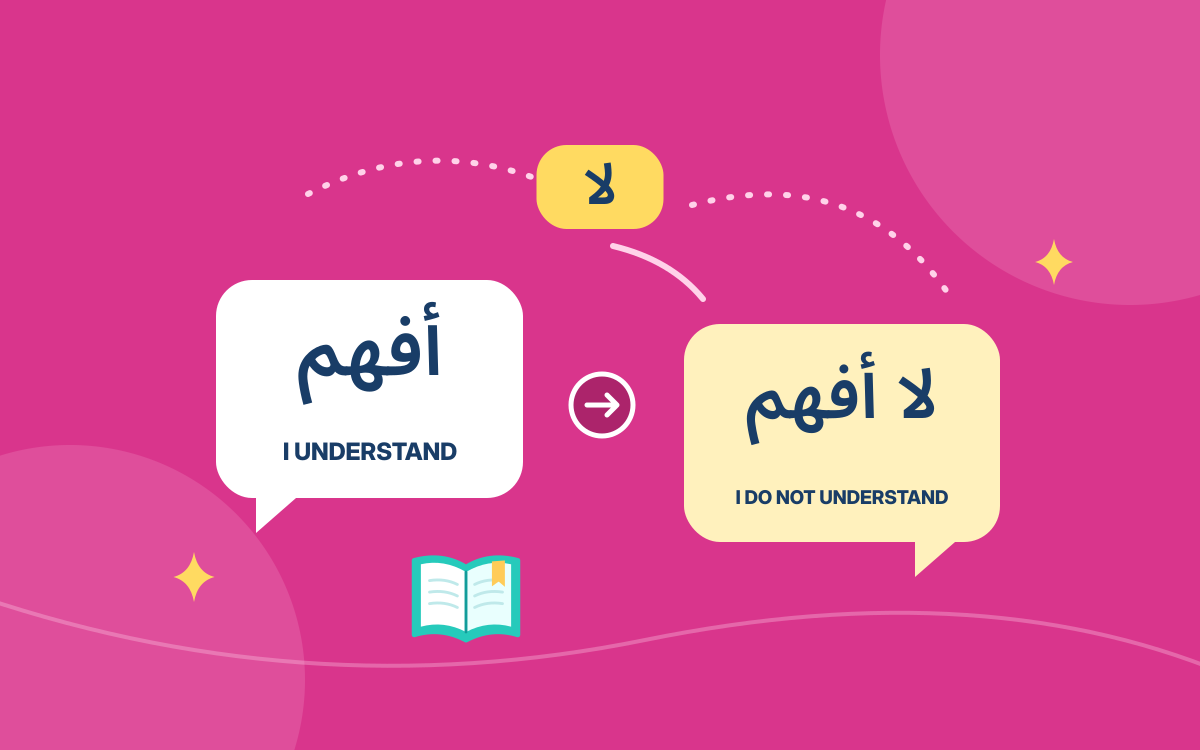
لَا، لَا أَشْرَبُ الْقَهْوَةَ
la la ashrabu alqahwa
No, I do not drink coffee.
The first la answers no. The second la belongs to the statement “I do not drink coffee.” It goes immediately before ashrabu. The repetition has a purpose: a short answer followed by a complete negative statement.
You may simply answer la. Add the full sentence when you want to make your meaning explicit or practise the negative pattern.
05Match the answer to the question
- An object: answer yes or no, then identify it.
- Your habit: answer using ashrabu, the I form.
- A negative reply: put la before that present tense verb.
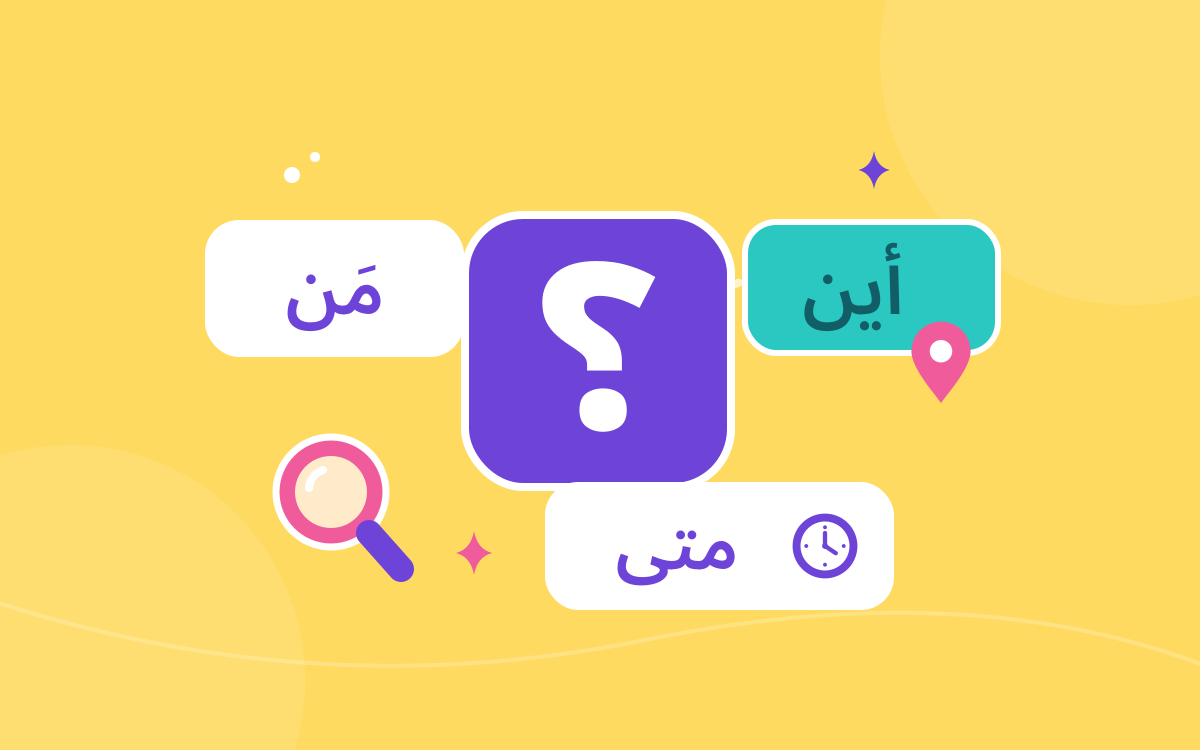
Hal asks whether the statement is true. It does not ask for a place, a time or a reason. Keep the question small enough for a yes or no answer.
For now, practise only the affirmative questions above. Questions that are already negative need extra care with the answer and are outside this lesson. Our coffee question addresses one man; other listeners require the appropriate you form.
What to remember
- Put hal before an affirmative statement to ask a yes or no question.
- Naam means yes; la means no. Add a clear statement when useful.
- In a reply about yourself, use the I verb form and put la before it to negate it.
Your reference shelf
Open a guide whenever you need it.
Two questions and their answersOpen the object and coffee exchanges together
On small screens, scroll the table sideways to see every column.
| Question | Yes answer | No answer |
|---|---|---|
| هَلْ هَذَا كِتَابٌ؟ hal hadha kitab | نَعَمْ، هَذَا كِتَابٌ naam hadha kitab | لَا، هَذَا قَلَمٌ la hadha qalam |
| هَلْ تَشْرَبُ الْقَهْوَةَ؟ hal tashrabu alqahwa | نَعَمْ، أَشْرَبُ الْقَهْوَةَ naam ashrabu alqahwa | لَا، لَا أَشْرَبُ الْقَهْوَةَ la la ashrabu alqahwa |
The object reply assumes the alternative object is a pen. The coffee question addresses one man. The reading aids simplify sounds and omit some final case vowels; the Arabic examples show those endings. Negative questions and their answer particles are outside this lesson.
Sources & further learning
References for the language explanations and learning guidance.