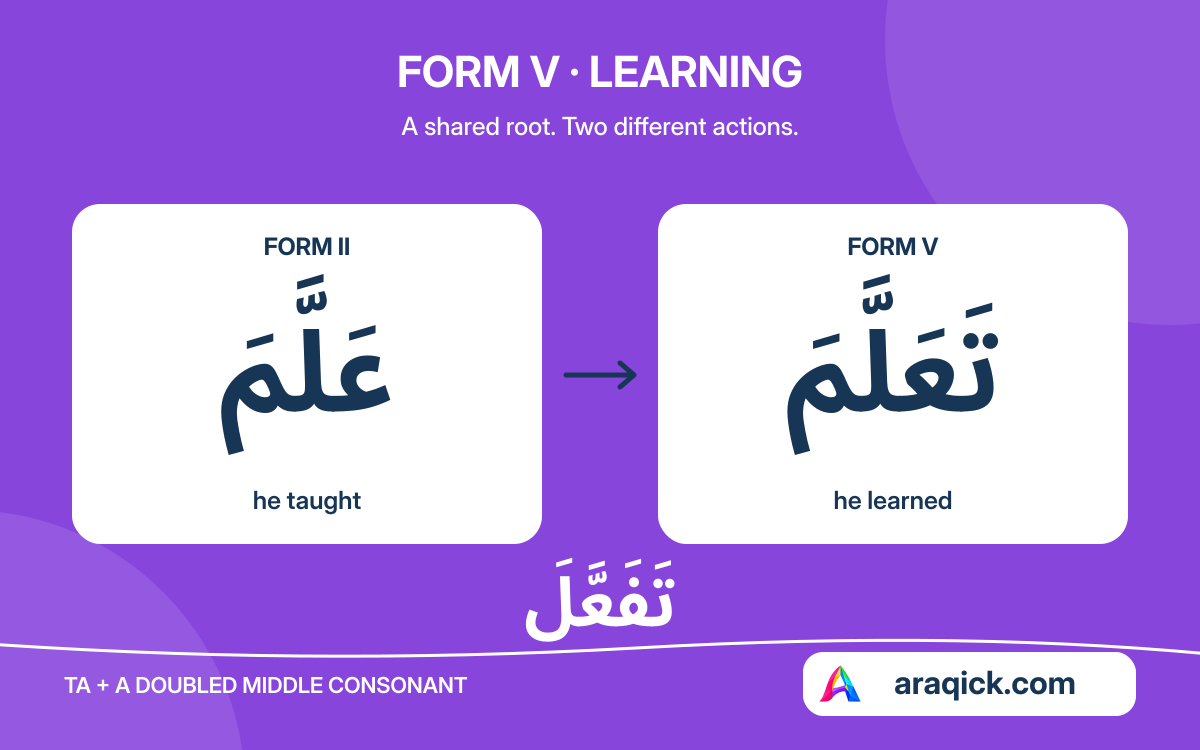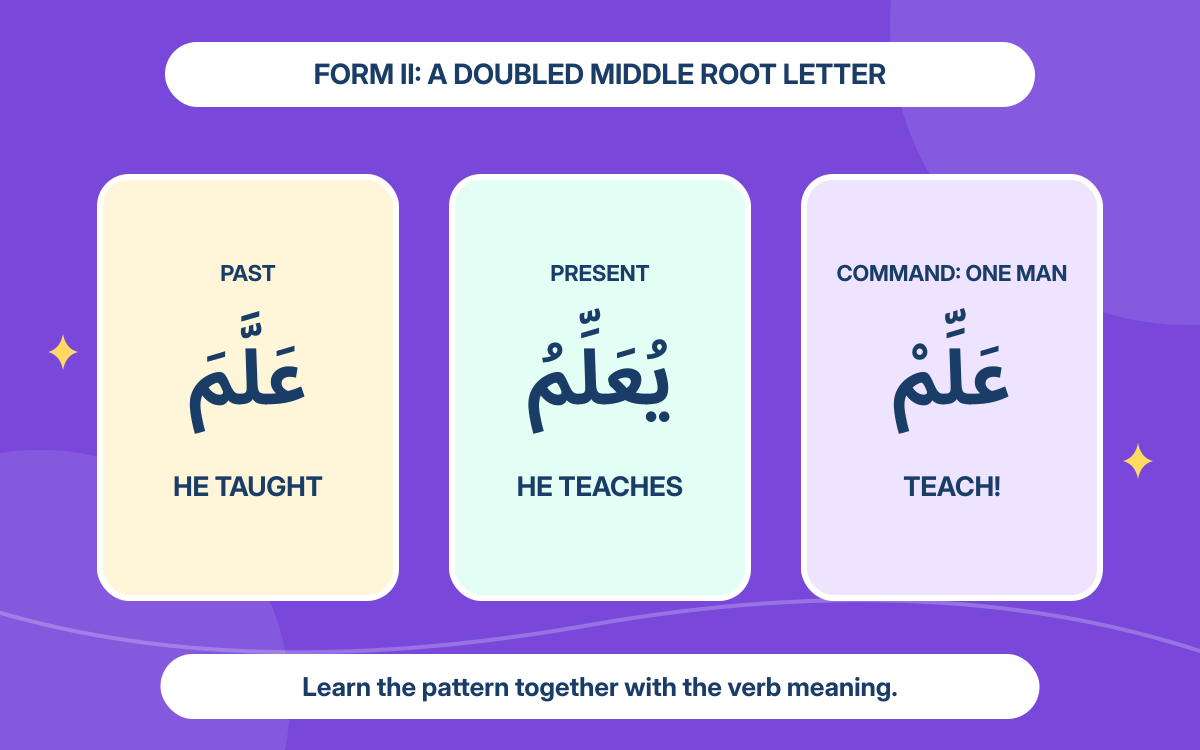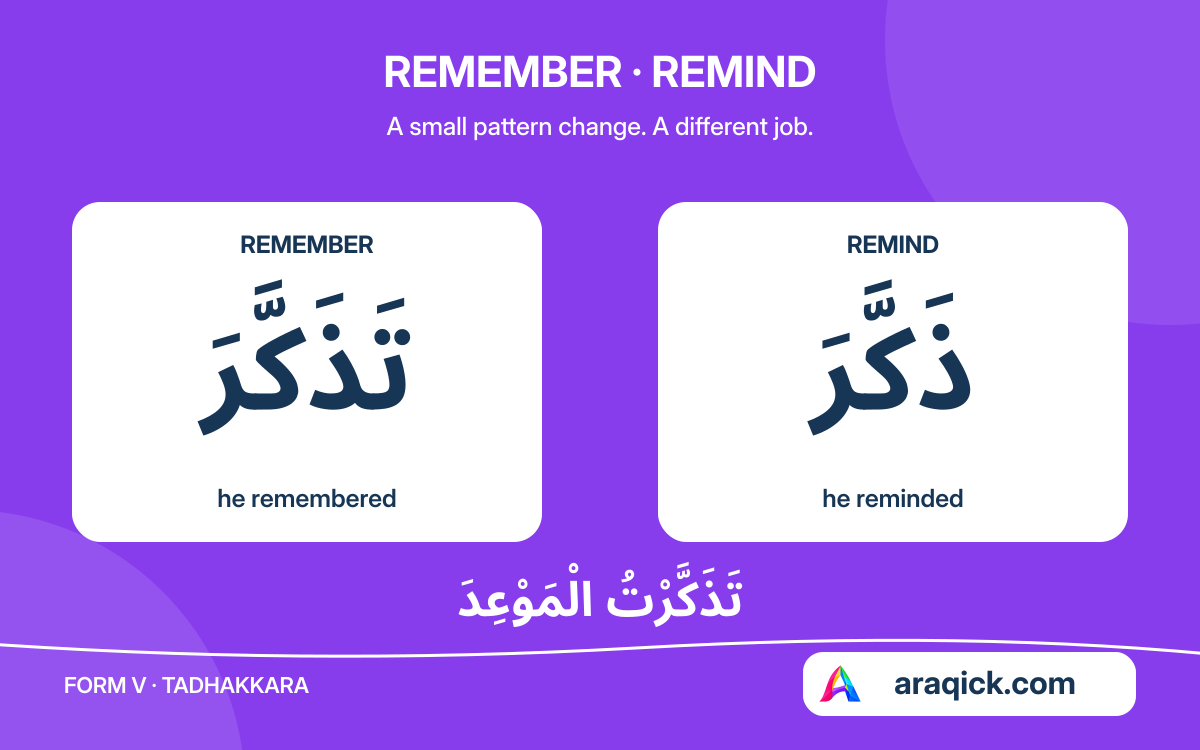
Tadhakkara means he remembered. Its root is ذ ك ر, and its Form V pattern includes ta before the root and shaddah on k. This guide helps you recall an appointment, recognize a place and distinguish remembering something from reminding somebody else.
01Name what you remembered
تَذَكَّرْتُ الْمَوْعِدَ
tadhakkartu almawida
I remembered the appointment.
The ending tu makes the remembering subject I. Almawida is the thing remembered and takes the accusative. You do not need an extra preposition just because another language puts one after its verb for remember.
For she remembered, say تَذَكَّرَتْ. For you remembered to one woman, say تَذَكَّرْتِ. The t appears in both, but its position and vowel distinguish the two subjects.
02Recognize a present memory
أَتَذَكَّرُ هَذَا الْمَكَانَ
atadhakkaru hadha almakana
I remember this place.
Atadhakkaru is the I present form. Its a prefix comes before the Form V stem tadhakkar. The he form is يَتَذَكَّرُ; we remember is نَتَذَكَّرُ.
Hadha points to the place, while almakana identifies it. Keep the object phrase together when changing the subject. The Form V guide explains why this verb retains its extra ta in the present.
03Ask someone to keep a rule in mind
تَذَكَّرْ هَذِهِ الْقَاعِدَةَ
tadhakkar hadhihi alqaidata
Remember this rule. — to one man
Tadhakkar is a command with final sukun. Use tadhakkari for one woman and tadhakkaru for a male or mixed group. The written group form ends in waw followed by a silent alif.
A command gives an instruction; it does not report that the listener already remembered. The word hadhihi agrees with the feminine noun qaidah. Review commands by listener if the endings are unfamiliar.
04Say that you did not remember
لَمْ أَتَذَكَّرْ رَقْمَ الْغُرْفَةِ
lam atadhakkar raqma alghurfati
I did not remember the room number.
Lam gives a past negative meaning while the following verb uses an imperfect form. Atadhakkar ends in sukun here, unlike indicative atadhakkaru. Keep its I prefix.
Raqma alghurfati means the room number: number is the object, and room completes the noun phrase in the genitive. For an ordinary present negative, لَا أَتَذَكَّرُ means I do not remember; this la does not turn the sentence into a command.
05Keep remember and remind separate
ذَكَّرَنِي صَدِيقِي بِالْمَوْعِدِ
dhakkarani sadiqi bilmawidi
My friend reminded me of the appointment.
Dhakkara is Form II: someone causes another person to remember. Here ni means me, sadiqi is the friend doing the reminding, and bi introduces the appointment. Tadhakkartu would instead mean I remembered.
The action noun for remembering is تَذَكُّرٌ. Compare Form II with Form V by keeping the same appointment in both examples. Plain reading aids simplify Arabic sounds; the vowelled forms show the exact spelling.
What to remember
- Tadhakkara means remember; dhakkara means remind.
- The remembered thing can be a direct object.
- Lam atadhakkar has a past meaning and a jussive ending.
Your reference shelf
Open a guide whenever you need it.
Remember: past and presentComplete person forms; the present column is indicative
| Person | Past | Present |
|---|---|---|
| He | تَذَكَّرَ | يَتَذَكَّرُ |
| They: two men | تَذَكَّرَا | يَتَذَكَّرَانِ |
| They: male or mixed group | تَذَكَّرُوا | يَتَذَكَّرُونَ |
| She | تَذَكَّرَتْ | تَتَذَكَّرُ |
| They: two women | تَذَكَّرَتَا | تَتَذَكَّرَانِ |
| They: female group | تَذَكَّرْنَ | يَتَذَكَّرْنَ |
| You: one man | تَذَكَّرْتَ | تَتَذَكَّرُ |
| You: two people | تَذَكَّرْتُمَا | تَتَذَكَّرَانِ |
| You: male or mixed group | تَذَكَّرْتُمْ | تَتَذَكَّرُونَ |
| You: one woman | تَذَكَّرْتِ | تَتَذَكَّرِينَ |
| You: female group | تَذَكَّرْتُنَّ | تَتَذَكَّرْنَ |
| I | تَذَكَّرْتُ | أَتَذَكَّرُ |
| We | تَذَكَّرْنَا | نَتَذَكَّرُ |
The dual you form serves two listeners of either gender. The present column gives ordinary indicative forms; mood particles can change the endings.
Remember: commands and word familyChoose the listener, then distinguish verbs from nouns
| Use | Arabic | Meaning |
|---|---|---|
| One man | تَذَكَّرْ | Command: remember |
| One woman | تَذَكَّرِي | Command: remember |
| Two people | تَذَكَّرَا | Command: remember |
| Male or mixed group | تَذَكَّرُوا | Command: remember |
| Female group | تَذَكَّرْنَ | Command: remember |
| Action noun | تَذَكُّرٌ | remembering |
| Related Form II verb | ذَكَّرَ | he reminded |
The dual command serves two listeners of either gender. A final alif after group waw is silent. Noun endings shown here are nominative; their case can change in a sentence.
Sources & further learning
References for the language explanations and learning guidance.