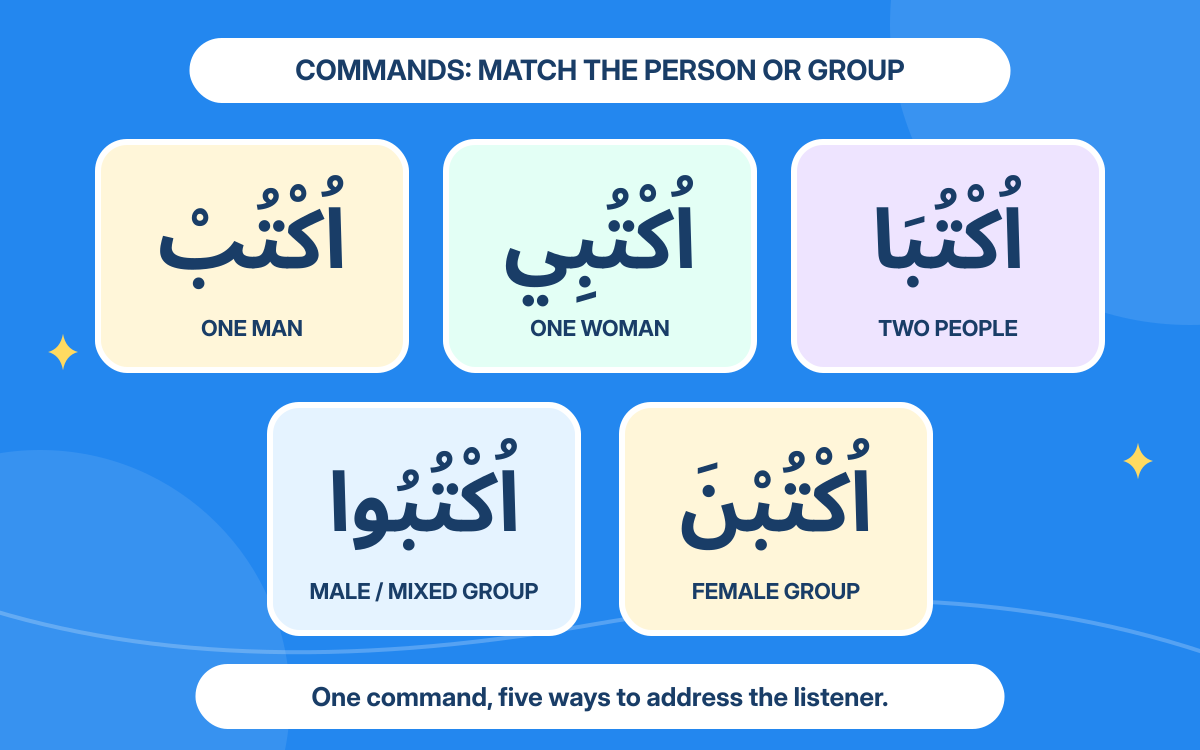
An Arabic command tells you who is being addressed. Keep the writing action the same and change its ending for one woman, two people, or a group. The two dual genders share one command shape.
01Begin with one male listener
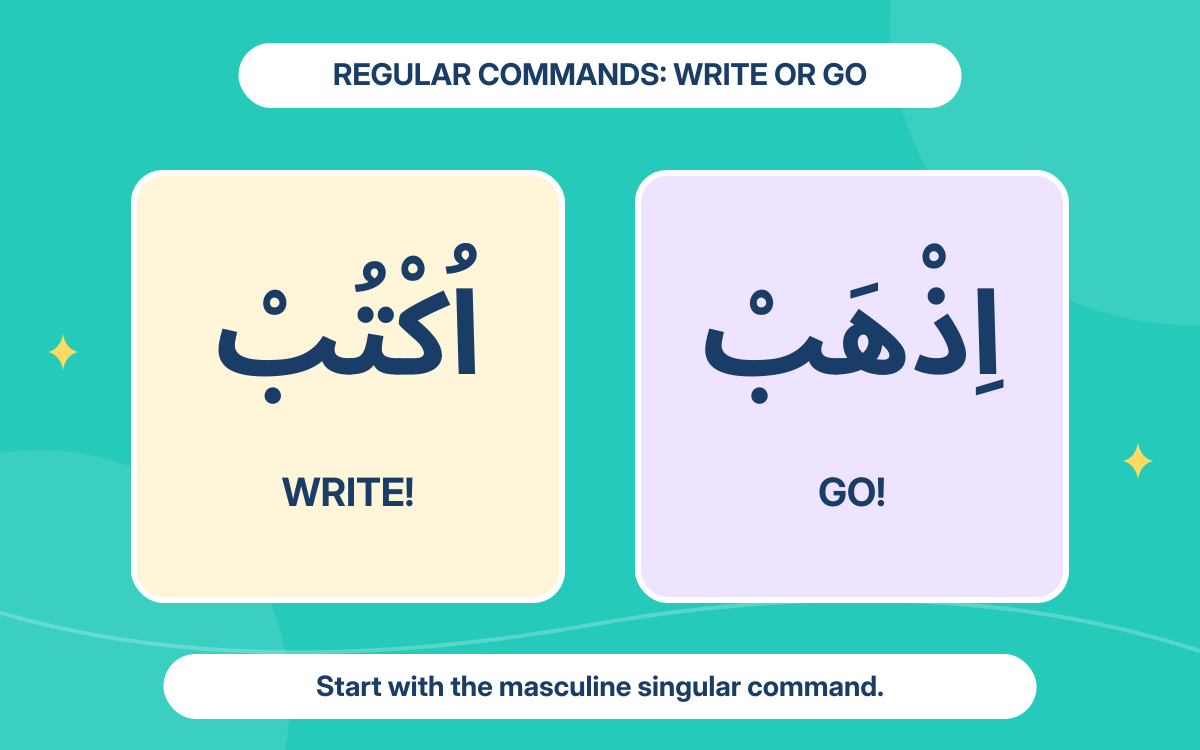
اُكْتُبْ is the regular writing command for one male. The final b has sukun. The listener is understood, so you do not need a separate anta in the instruction.
اُكْتُبْ رِسَالَةً
uktub risalatan
Write a letter. — to one male
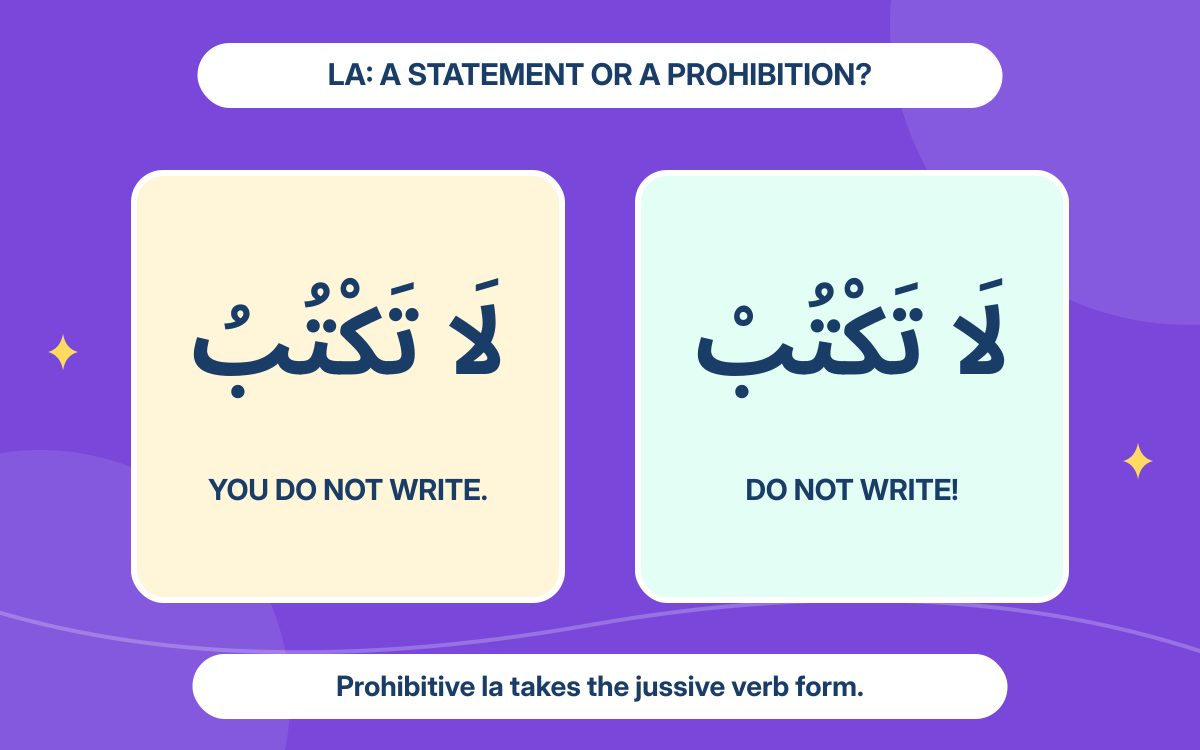
Compare the statement تَكْتُبُ, you write. The command removes the present ta and uses the imperative shape.
02Address one woman
For one female listener, use uktubi. Compare تَكْتُبِينَ, you write, with the command: remove the present ta and the indicative nun, but keep the listener’s ya.
اُكْتُبِي رِسَالَةً
uktubi risalatan
Write a letter. — to one female
The long i ending identifies one female listener. The command does not end in ina.
03Address two people
Uktuba addresses exactly two listeners. Use this same dual command for two males, two females or a mixed pair. It corresponds to أَنْتُمَا, you two.
اُكْتُبَا رِسَالَةً
uktuba risalatan
Write a letter. — to two people
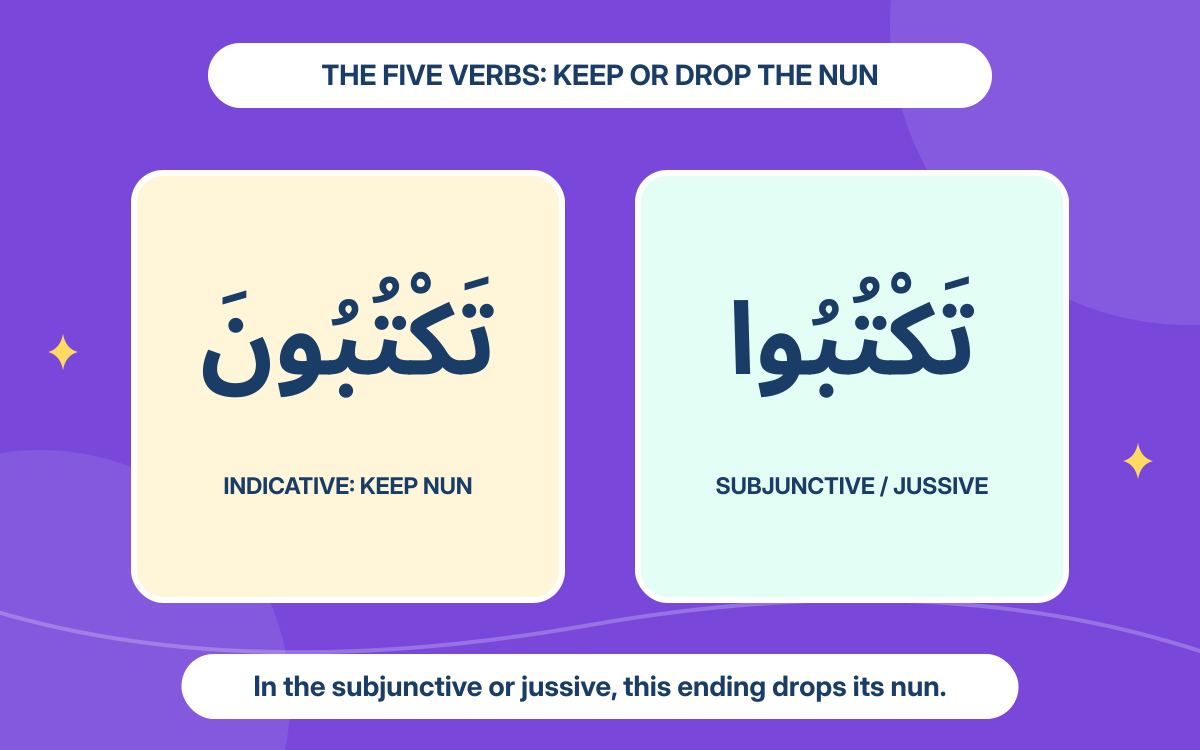
The present تَكْتُبَانِ loses its indicative nun when you form this command. Keep the dual alif.
04Address a male or mixed group
Use uktubu for three or more male listeners or a mixed group. Compare تَكْتُبُونَ with the command: keep the plural waw and remove the indicative nun.
اُكْتُبُوا رِسَالَةً
uktubu risalatan
Write a letter. — to a male or mixed group
The final written alif after the plural waw is silent. Uktubu has a long u, without the present ending una.
05Keep the nun for a female group
For three or more female listeners, use uktubna. The nun in this form is the subject suffix, nun al niswa, not the removable indicative nun of the five verbs.
اُكْتُبْنَ رِسَالَةً
uktubna risalatan
Write a letter. — to a female group
Keep sukun on b and fathah on the final nun. The nun remains because it identifies the women carrying out the action.
What to remember
- Use uktub for one male and uktubi for one female.
- Use uktuba for two listeners of either gender and uktubu for a male or mixed group.
- Use uktubna for a female group; retain its subject nun.
Your reference shelf
Open a guide whenever you need it.
Compare all six listener rowsFive command shapes cover six gender and number rows
| Listeners | Present | Command | Command reading |
|---|---|---|---|
| One male | تَكْتُبُ | اُكْتُبْ | uktub |
| Two males or a mixed pair | تَكْتُبَانِ | اُكْتُبَا | uktuba |
| Male or mixed group | تَكْتُبُونَ | اُكْتُبُوا | uktubu |
| One female | تَكْتُبِينَ | اُكْتُبِي | uktubi |
| Two females | تَكْتُبَانِ | اُكْتُبَا | uktuba |
| Female group | تَكْتُبْنَ | اُكْتُبْنَ | uktubna |
Group means three or more listeners. The same dual command covers two people of either gender, so there are five different command shapes in this six-row chart.
With the dual alif, plural waw or feminine singular ya, the imperative is built on deletion of nun. The ordinary sound singular command and the feminine plural command here are built on sukun. The feminine plural nun is an attached subject pronoun and stays.
Sources & further learning
References for the language explanations and learning guidance.