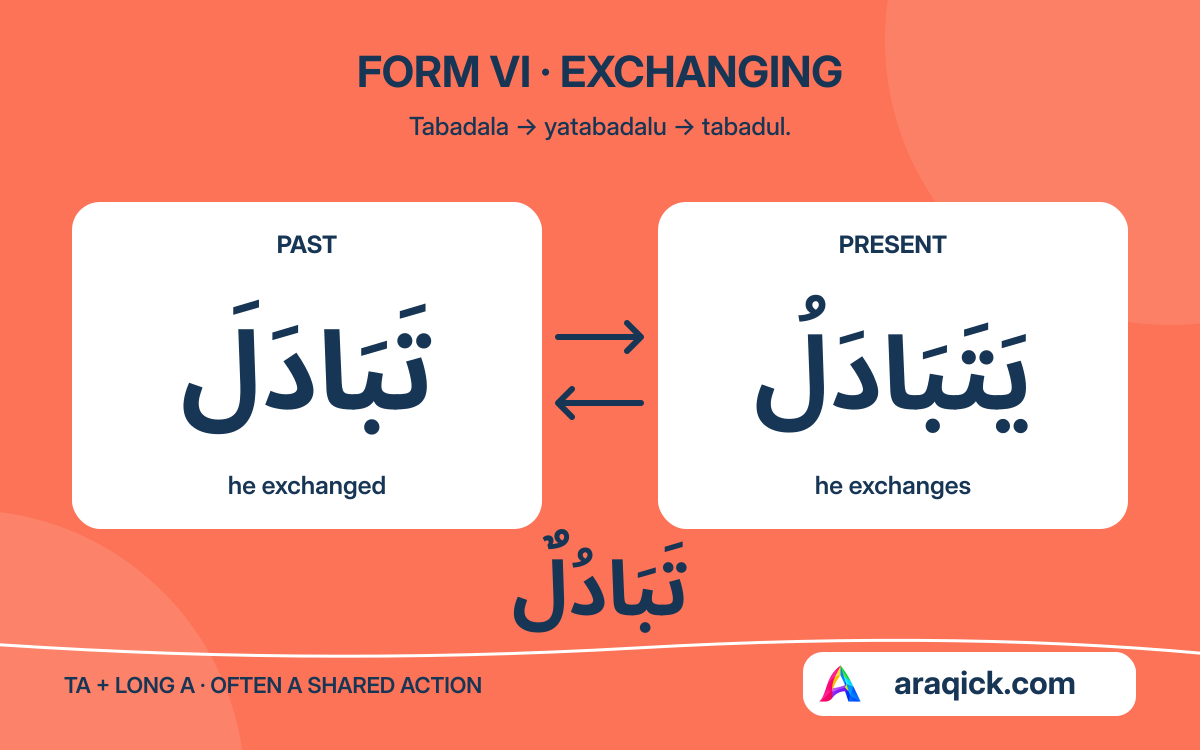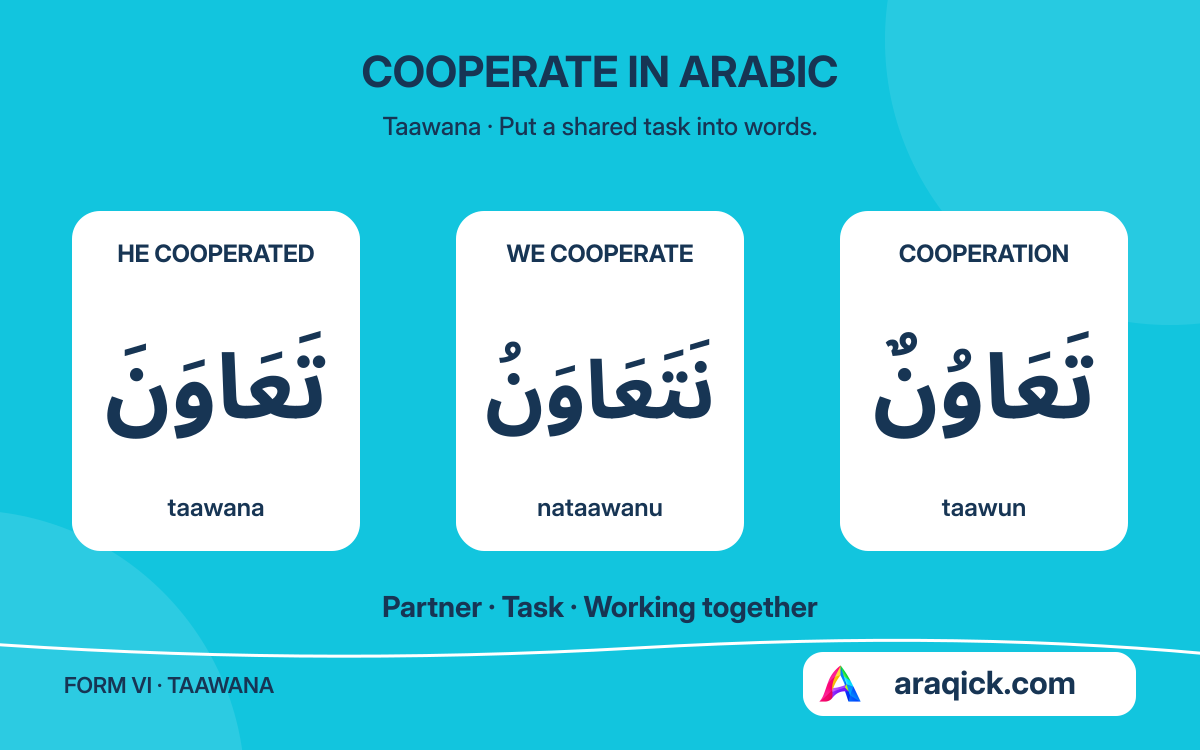
Taawana means he cooperated or worked together with others. It belongs to Form VI and has the root ع و ن. The long a after the first root letter is part of the pattern. Unlike some weak verbs, this one keeps its middle waw clearly visible.
01Start with people working together
تَعَاوَنَ الْجِيرَانُ فِي تَنْظِيفِ الْحَدِيقَةِ
taawana aljiranu fi tanzifi alhadiqati
The neighbours cooperated in cleaning the garden.
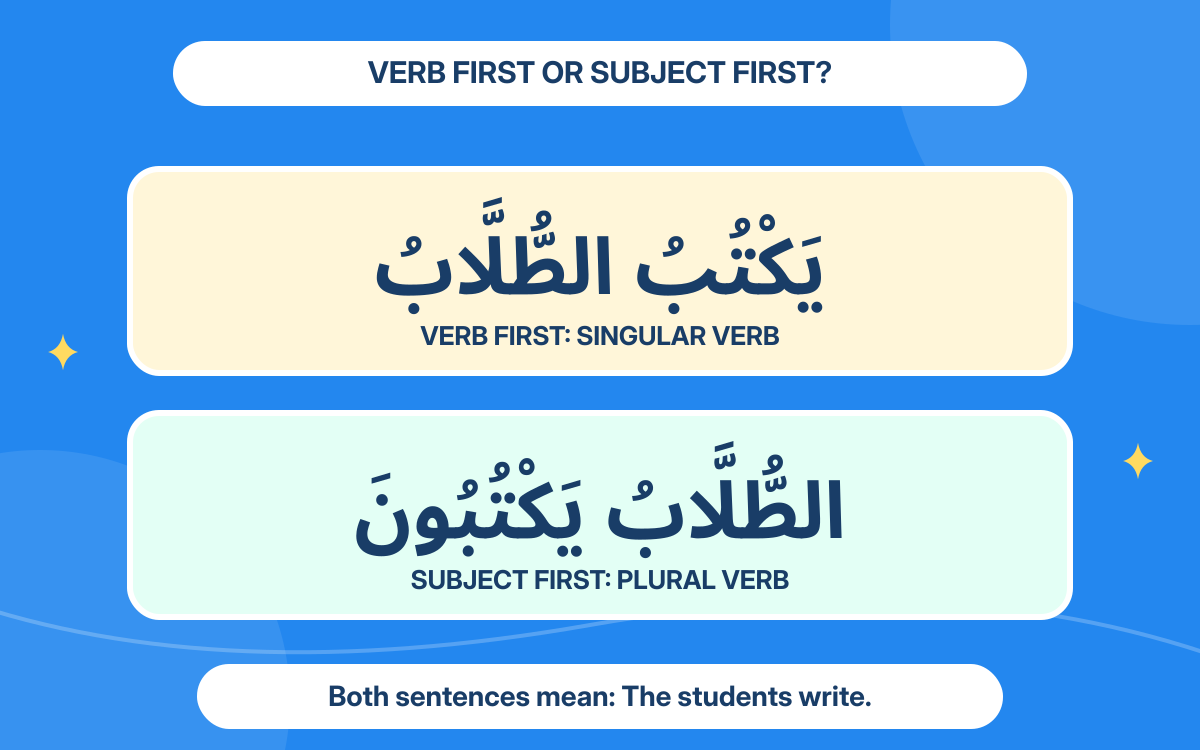
The neighbours form the plural subject, but the verb comes first in the singular. This is ordinary verb-first agreement with a following human plural subject; it does not mean only one neighbour cooperated.
Fi tanzifi alhadiqati explains the shared activity. See verb-first plural agreement for the wider rule. Form VI often carries an interaction meaning, but each verb still needs its own definition.
02Use we for a shared plan
نَتَعَاوَنُ مَعَ الْمَدْرَسَةِ
nataawanu maa almadrasati
We cooperate with the school.
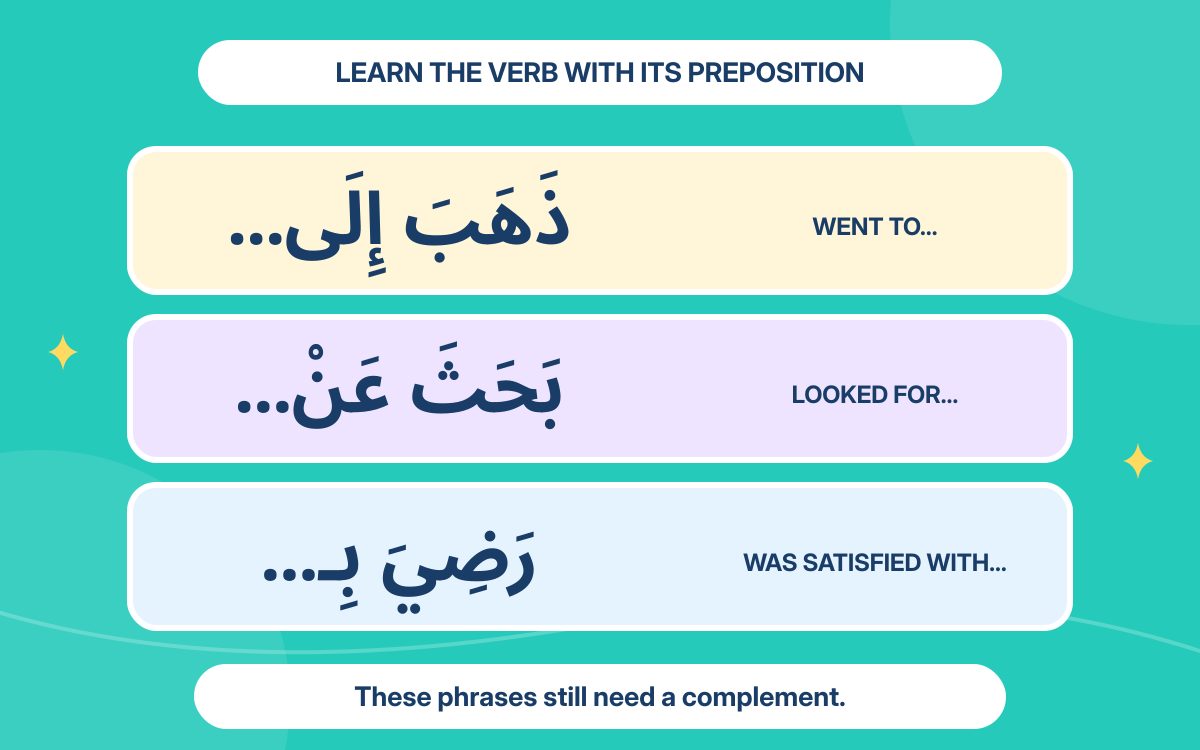
Nataawanu is we cooperate. The prefix na comes before the Form VI stem taawan. Maa names the cooperation partner; it does not identify a direct object being acted on.
For I cooperate use أَتَعَاوَنُ. A singular grammatical subject is possible even though cooperation involves someone else. The other participant can be supplied by maa or understood from context.
03Add a partner and a task
تَعَاوَنْتُ مَعَ زَمِيلِي فِي تَرْتِيبِ الْقَاعَةِ
taawantu maa zamili fi tartibi alqaati
I cooperated with my colleague in arranging the hall.
Taawantu has the past I ending tu. The n before t carries sukun. Keep the long a earlier in the word and retain the waw; this is not the shortening pattern of a hollow Form I verb.
Partner and activity can appear together. Change the past subject first, then substitute a new task. This gives useful practice without turning the sentence into a list of unrelated word forms.
04Ask a group to cooperate
تَعَاوَنُوا عَلَى إِتْمَامِ الْمَشْرُوعِ
taawanu ala itmami almashrui
Cooperate to complete the project. — to a male or mixed group
Taawanu is the group command here. The same fully written form can also mean they cooperated in a past-tense context. Read the instruction or surrounding sentence to decide which job it has.
The one-man command is تَعَاوَنْ. With the feminine-plural nun, the final root nun merges with the suffix: تَعَاوَنَّ. The chart also shows this doubling in we cooperated, تَعَاوَنَّا.
05Name cooperation itself
التَّعَاوُنُ مُهِمٌّ فِي الْفَرِيقِ
attaawunu muhimmun fi alfariqi
Cooperation is important in the team.
Taawun is the action noun. Its u before the final n distinguishes it from past taawana. The active participle مُتَعَاوِنٌ can describe a cooperative person or someone cooperating.
Compare the Form VI overview and derived action nouns. In the charts, the shaddah represents two merged nun consonants; it is not an optional decorative mark. Read exact forms from the Arabic rather than the simplified reading aids.
What to remember
- Taawana–yataawanu means cooperate.
- Maa names a partner; fi or ala can introduce the task in the frames taught here.
- Selected endings merge two nun consonants, as in taawanna.
Your reference shelf
Open a guide whenever you need it.
Cooperate: past and presentComplete person forms; the present column is indicative
| Person | Past | Present |
|---|---|---|
| He | تَعَاوَنَ | يَتَعَاوَنُ |
| They: two men | تَعَاوَنَا | يَتَعَاوَنَانِ |
| They: male or mixed group | تَعَاوَنُوا | يَتَعَاوَنُونَ |
| She | تَعَاوَنَتْ | تَتَعَاوَنُ |
| They: two women | تَعَاوَنَتَا | تَتَعَاوَنَانِ |
| They: female group | تَعَاوَنَّ | يَتَعَاوَنَّ |
| You: one man | تَعَاوَنْتَ | تَتَعَاوَنُ |
| You: two people | تَعَاوَنْتُمَا | تَتَعَاوَنَانِ |
| You: male or mixed group | تَعَاوَنْتُمْ | تَتَعَاوَنُونَ |
| You: one woman | تَعَاوَنْتِ | تَتَعَاوَنِينَ |
| You: female group | تَعَاوَنْتُنَّ | تَتَعَاوَنَّ |
| I | تَعَاوَنْتُ | أَتَعَاوَنُ |
| We | تَعَاوَنَّا | نَتَعَاوَنُ |
The dual you form serves two listeners of either gender. The present column gives ordinary indicative forms; mood particles can change the endings. When the final root nun meets a suffix nun, they merge into a doubled nun, as in تَعَاوَنَّا and يَتَعَاوَنَّ.
Cooperate: commands and word familyChoose the listener, then distinguish verbs from nouns
| Use | Arabic | Meaning |
|---|---|---|
| One man | تَعَاوَنْ | Command: cooperate |
| One woman | تَعَاوَنِي | Command: cooperate |
| Two people | تَعَاوَنَا | Command: cooperate |
| Male or mixed group | تَعَاوَنُوا | Command: cooperate |
| Female group | تَعَاوَنَّ | Command: cooperate |
| Action noun | تَعَاوُنٌ | cooperation |
| Active participle | مُتَعَاوِنٌ | cooperative; cooperating |
The dual command serves two listeners of either gender. A final alif after group waw is silent. Noun endings shown here are nominative; their case can change in a sentence.
Sources & further learning
References for the language explanations and learning guidance.