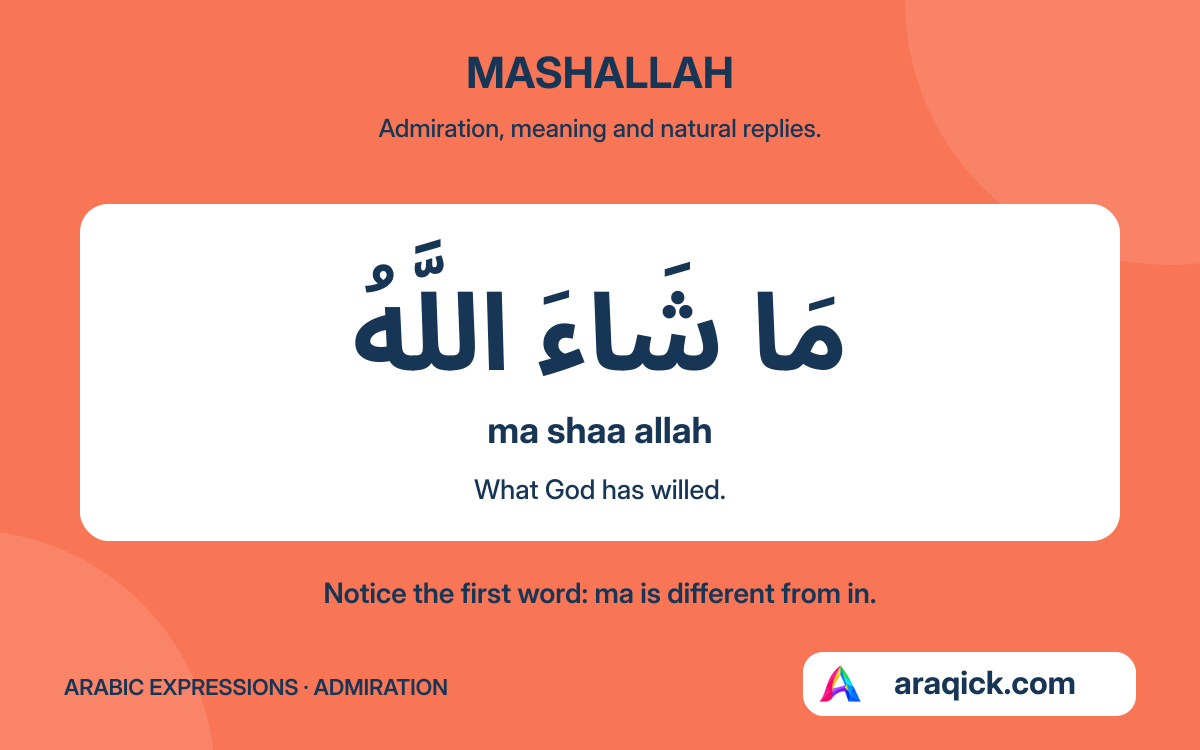
Mashallah is مَا شَاءَ اللَّهُ, commonly translated as “what God has willed” or “God has willed it.” It often accompanies admiration for something good. It differs from inshallah, which means “if God wills.” A natural reply depends on the compliment or situation; there is no single mandatory conversational response.
01What does mashallah mean?
The expression acknowledges something good while referring its occurrence to God. A learner may hear it after a compliment about someone’s progress or something carefully made. Translate the expression and the compliment as two connected parts.
Standard Arabic · addressing a woman
مَا شَاءَ اللَّهُ، خَطُّكِ جَمِيلٌ
ma shaa allah khattuki jamil
Mashallah, your handwriting is beautiful.
02Read three separate words
مَا contributes “what,” شَاءَ means “willed,” and اللَّهُ names God. Without vowel marks, write ما شاء الله. A single English word, mashallah, does not mean the Arabic should be written as one word.
The sh sound belongs to ش. Our plain reading aid, ma shaa allah, is only an approximation; the Arabic spelling is the reliable guide.
03Make the compliment specific
A brief observation makes your meaning clear. Instead of adding the expression automatically to any message, say what you appreciate. Here the speaker notices neat handwriting, rather than making a claim about the writer as a whole.
Standard Arabic · addressing a man
مَا شَاءَ اللَّهُ، كِتَابَتُكَ وَاضِحَةٌ
ma shaa allah kitabatuka wadiha
Mashallah, your writing is clear.
The endings in my and your help you match your listener.
04How do you reply to mashallah?
If it accompanies a compliment, a straightforward thank-you can fit. A blessing can also be a warm response in a suitable relationship. Match the person you address when using a gendered ending.
shukran laki
Thank you. To one woman.
baraka allahu fika
May God bless you. To one man.
These are useful options, not an obligatory reply formula.
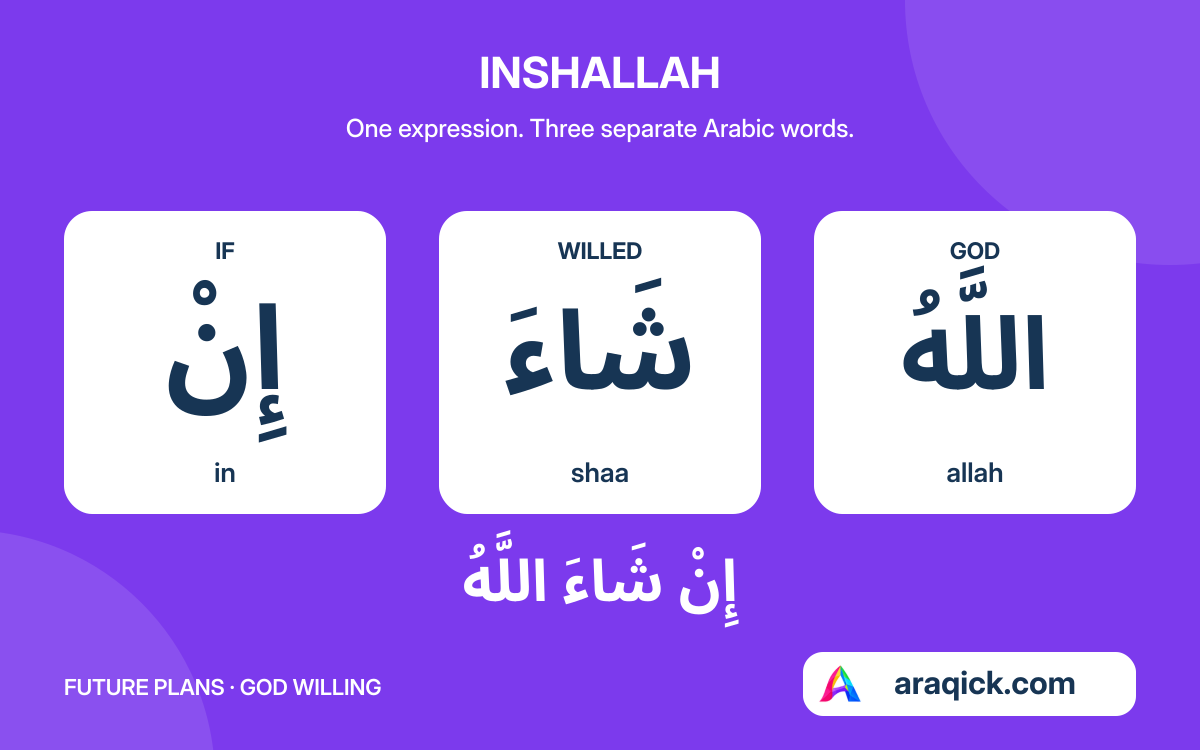
05Mashallah is different from inshallah
Compare “Your writing is clear” with “I will practise tomorrow.” One comments on something you appreciate; the other concerns a future intention. Inshallah fits the second meaning.
سَأَتَدَرَّبُ غَدًا إِنْ شَاءَ اللَّهُ
saatadarrabu ghadan in shaa allah
I will practise tomorrow, God willing.
Pay attention to ma and in. They are short, but they are not interchangeable.
06Understand the cultural setting
Mashallah has a religious meaning and a place in everyday expressions of appreciation. Some speakers connect its use with beliefs about envy or the evil eye. Learning what people intend does not require treating the words as a guarantee of protection.
Avoid assuming a person’s religion from a single expression. Listen to the conversation and use language that fits your own intention and the setting.
07Choose admiration, gratitude or congratulations
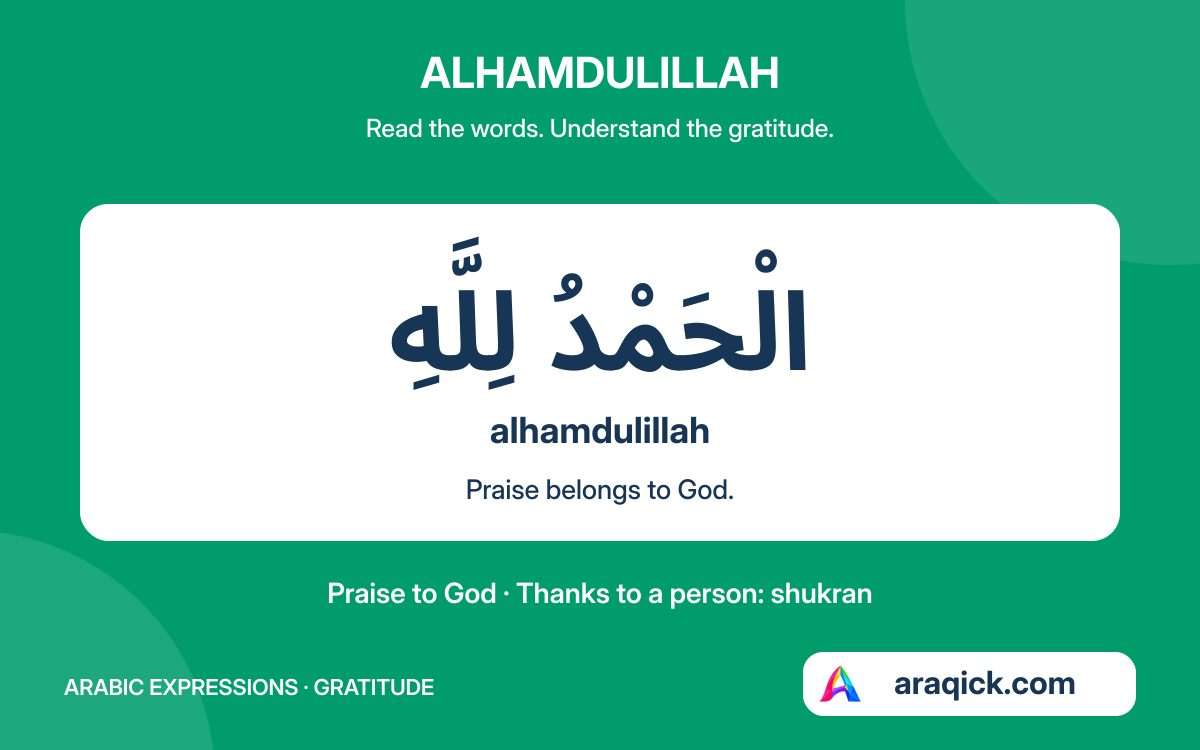
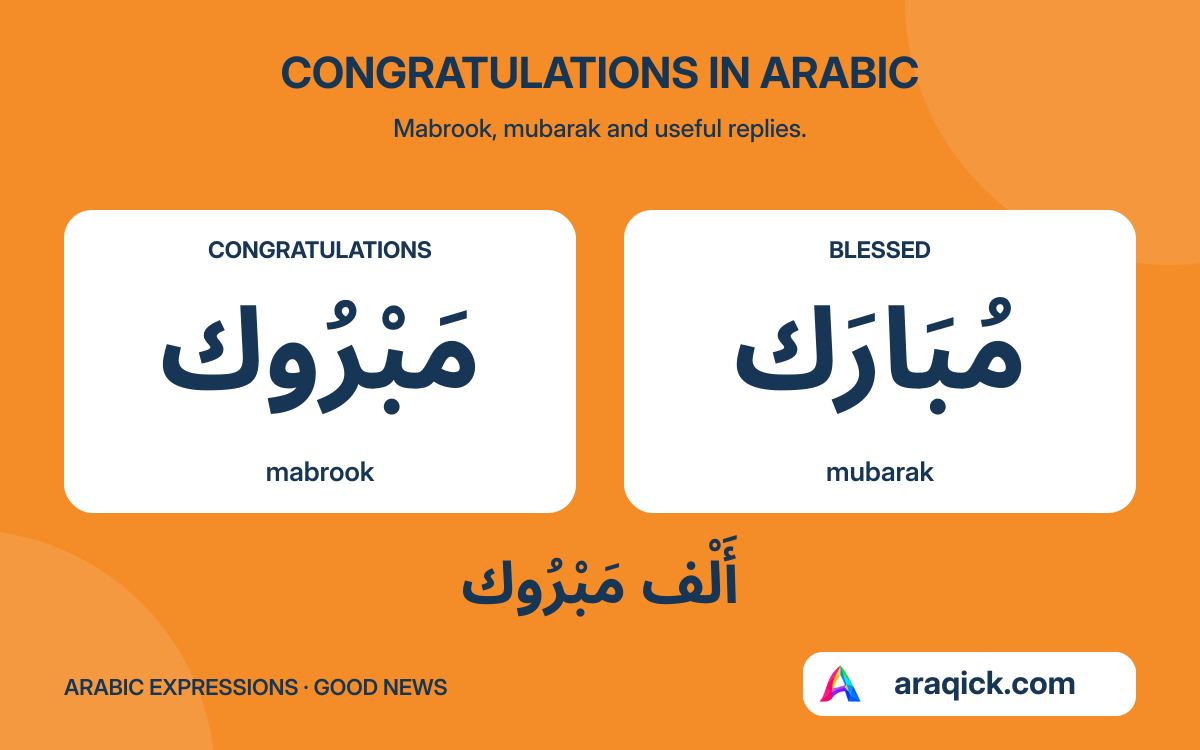
Three expressions can occur around the same happy event while doing different jobs. Mashallah can express admiration; alhamdulillah expresses praise and gratitude to God; mabrook congratulates someone.
Imagine a friend completes a difficult writing course. You might congratulate the achievement or compliment a piece of writing. Choose the message first, then the expression. There is no need to combine every phrase in one reply.
What to remember
- Write ما شاء الله as three Arabic words.
- Mashallah often accompanies admiration; inshallah concerns a hope or future intention.
- Respond to the situation. A thank-you or suitable blessing can answer a compliment.
Your reference shelf
Open a guide whenever you need it.
Compliments and possible repliesCompare phrases without treating them as compulsory exchanges.
| Phrase | Reading | Purpose |
|---|---|---|
| مَا شَاءَ اللَّهُ | ma shaa allah | Admiration or appreciation |
| شُكْرًا لَكَ | shukran laka | Thank you to one man |
| شُكْرًا لَكِ | shukran laki | Thank you to one woman |
| بَارَكَ اللَّهُ فِيكَ | baraka allahu fika | May God bless you; to a man |
| بَارَكَ اللَّهُ فِيكِ | baraka allahu fiki | May God bless you; to a woman |
Sources & further learning
References for the language explanations and learning guidance.