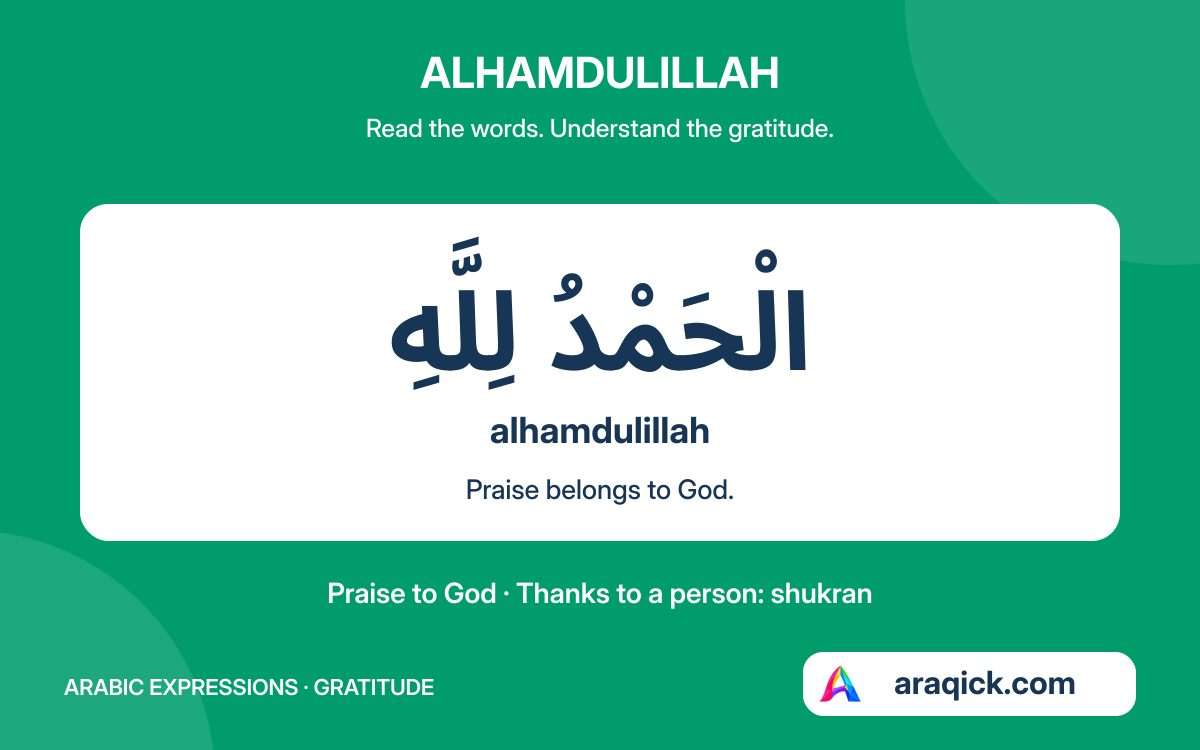
Alhamdulillah is الْحَمْدُ لِلَّهِ, meaning “praise belongs to God” or “praise be to God.” It expresses praise and gratitude. You may hear it in a response to “How are you?” or when someone shares news. It is not simply the Arabic word for thanking another person.
01What does alhamdulillah mean?
A useful literal guide is “the praise is for God.” The expression directs praise to God, rather than naming a human recipient of thanks. Its first words also occur in the opening chapter of the Quran.
الْحَمْدُ لِلَّهِ
alhamdulillah
Praise belongs to God.
Learn the meaning before memorising situations. That helps you understand the expression in messages with very different subjects.
02Look inside the expression
alhamdu
The praise.
lillah
Belongs to God; for God.
Write الحمد لله without vowel marks. Notice that لِلَّهِ is one written word here. The doubled l sound belongs to the expression; it is not an extra separate word. The plain reading aid supports memory but cannot represent every Arabic sound precisely.
03Answer a question about yourself
You can add the expression to an answer about how you are. It conveys gratitude while the rest of the answer gives the practical information.
Standard Arabic
أَنَا بِخَيْرٍ، الْحَمْدُ لِلَّهِ
ana bikhayr alhamdulillah
I am well, praise be to God.
You may then ask about the other person. Our Arabic greetings lesson shows the different forms of “And you?” for a man and a woman.
04Share the news as well as the gratitude
A listener often needs the event, not only the expression. Put the news and your response together. The same words of praise remain unchanged when the subject changes.
وَصَلَ الطَّرْدُ، الْحَمْدُ لِلَّهِ
wasala attardu alhamdulillah
The parcel arrived, praise be to God.
Here the parcel’s arrival is the news. Alhamdulillah expresses the speaker’s response to it; it does not itself mean “arrived” or “parcel.”
05Alhamdulillah or shukran?
If someone lends you a pen, شُكْرًا (shukran) directly thanks that person. Alhamdulillah praises God. Both may appear in a conversation, but they do different work.
Standard Arabic · addressing a man
شُكْرًا عَلَى مُسَاعَدَتِكَ
shukran ala musaadatika
Thank you for your help.
See why shukran ends in an for the grammar of the thanking expression.
06Does it always mean everything is easy?
No. A speaker may express gratitude or acceptance while still facing a difficulty. Do not translate the phrase as proof that everything is perfect. If a person shares a problem, respond to that problem with care.
الْحَمْدُ لِلَّهِ عَلَى كُلِّ حَالٍ
alhamdulillah ala kulli hal
Praise belongs to God in every situation.
This longer expression makes the broad scope clear.
07Is there one required everyday reply?
There is no single conversational reply for all uses of alhamdulillah. Follow the topic: acknowledge news, answer a returned question, or continue listening. A particular religious exchange, such as etiquette after sneezing, has its own context and should not be applied automatically elsewhere.
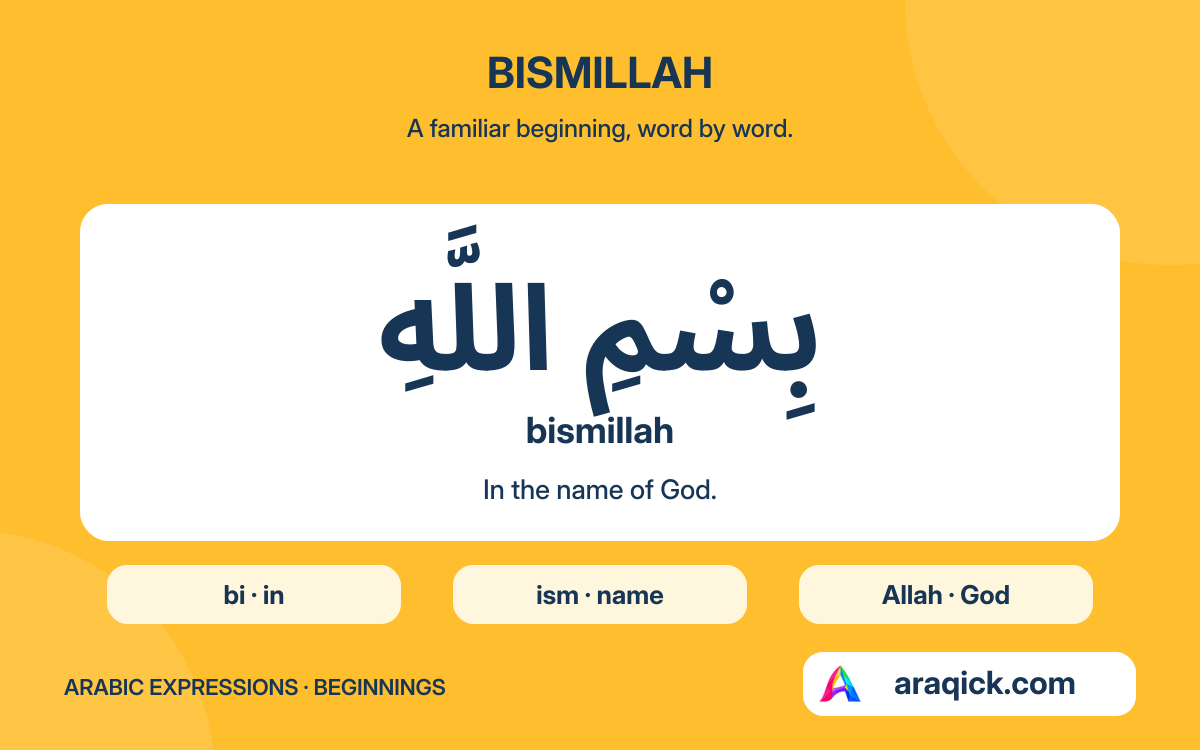
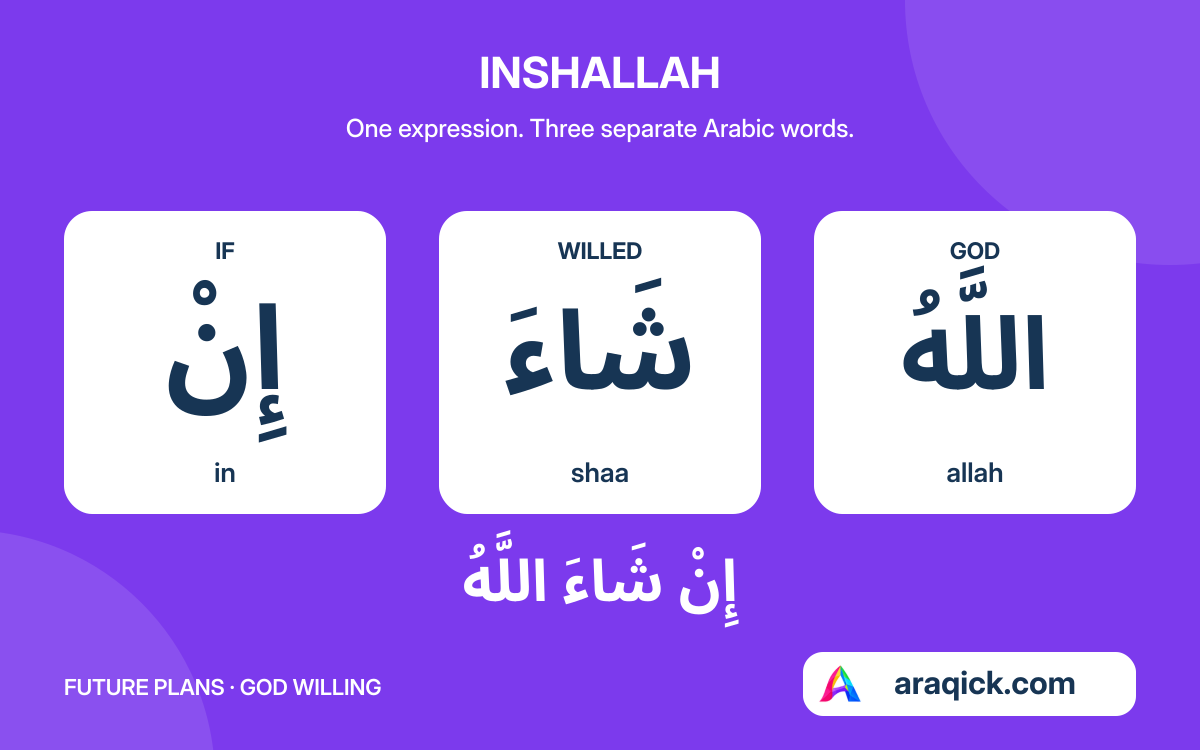
Keep the three purposes separate: bismillah begins with God’s name; inshallah accompanies a hope; alhamdulillah expresses praise. Practise choosing by meaning.
What to remember
- Alhamdulillah means praise belongs to God.
- It can accompany news, a wellbeing response, or gratitude in a difficult situation.
- Shukran thanks a person; respond to the surrounding message when you hear alhamdulillah.
Your reference shelf
Open a guide whenever you need it.
Praise and thanks: a small comparisonRead the whole expression and notice its recipient.
| Arabic | Reading | Meaning |
|---|---|---|
| الْحَمْدُ لِلَّهِ | alhamdulillah | Praise belongs to God |
| أَنَا بِخَيْرٍ | ana bikhayr | I am well |
| الْحَمْدُ لِلَّهِ عَلَى كُلِّ حَالٍ | alhamdulillah ala kulli hal | Praise belongs to God in every situation |
| شُكْرًا لَكَ | shukran laka | Thank you; to one man |
| شُكْرًا لَكِ | shukran laki | Thank you; to one woman |
Sources & further learning
References for the language explanations and learning guidance.